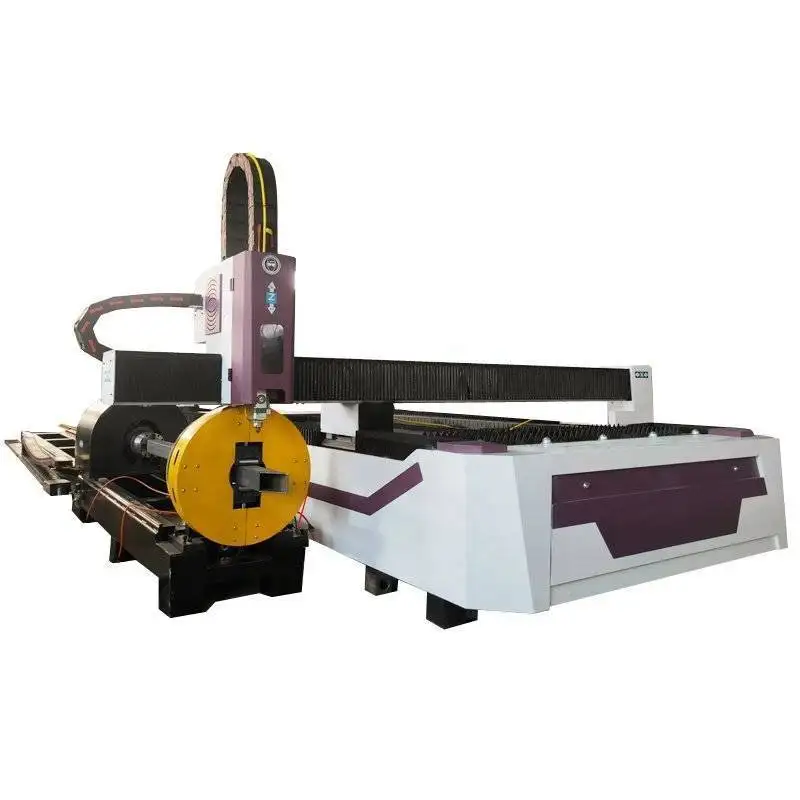
The Strategic Evolution of Structural Steel Processing in Houston
Houston has long been recognized as the epicentre of the traditional oil and gas industry. However, the energy landscape is shifting, and the city’s manufacturing infrastructure is evolving to meet the demands of the renewable sector. The introduction of a 6000W (6kW) 3D Structural Steel Processing Center designed specifically for wind turbine tower components is a testament to this evolution. Wind turbine towers are massive, conical structures that require extreme precision to withstand the cyclic loading and harsh environmental conditions of both onshore and offshore wind farms.
The application of fiber laser technology at the 6kW power level provides the ideal balance of cutting speed and edge quality for the heavy-gauge carbon steels typically used in these structures. In Houston, where logistics and proximity to the Gulf of Mexico provide a strategic advantage for shipping large-scale components, the ability to process raw steel into finished, weld-ready parts in a single facility is a significant competitive edge. This specialized processing center eliminates the need for multiple secondary operations, such as mechanical drilling or manual beveling, thereby streamlining the path from raw material to the assembly line.
Defining the 6000W Fiber Advantage: The “Sweet Spot” for Heavy Gauge
In the world of fiber lasers, wattage dictates both the thickness of the material that can be cut and the speed at which it can be processed. While ultra-high-power lasers (12kW to 40kW) have entered the market, the 6000W fiber laser remains the “sweet spot” for structural steel processing in the wind energy sector.
Most internal components of a wind tower—including portal frames, flange reinforcements, and internal platforms—range from 10mm to 25mm in thickness. A 6kW fiber source excels in this range, providing a high-density beam that creates a narrow kerf and a minimal Heat Affected Zone (HAZ). Unlike CO2 lasers of the past, the 6kW fiber laser uses a shorter wavelength that is more efficiently absorbed by the steel, allowing for cutting speeds that are three to four times faster in medium-thickness materials. Furthermore, the 6kW power level ensures a clean, dross-free finish, which is critical for the structural integrity of a wind tower, where any surface imperfection could become a stress riser leading to fatigue failure.
3D Kinematics and the Art of Bevel Cutting
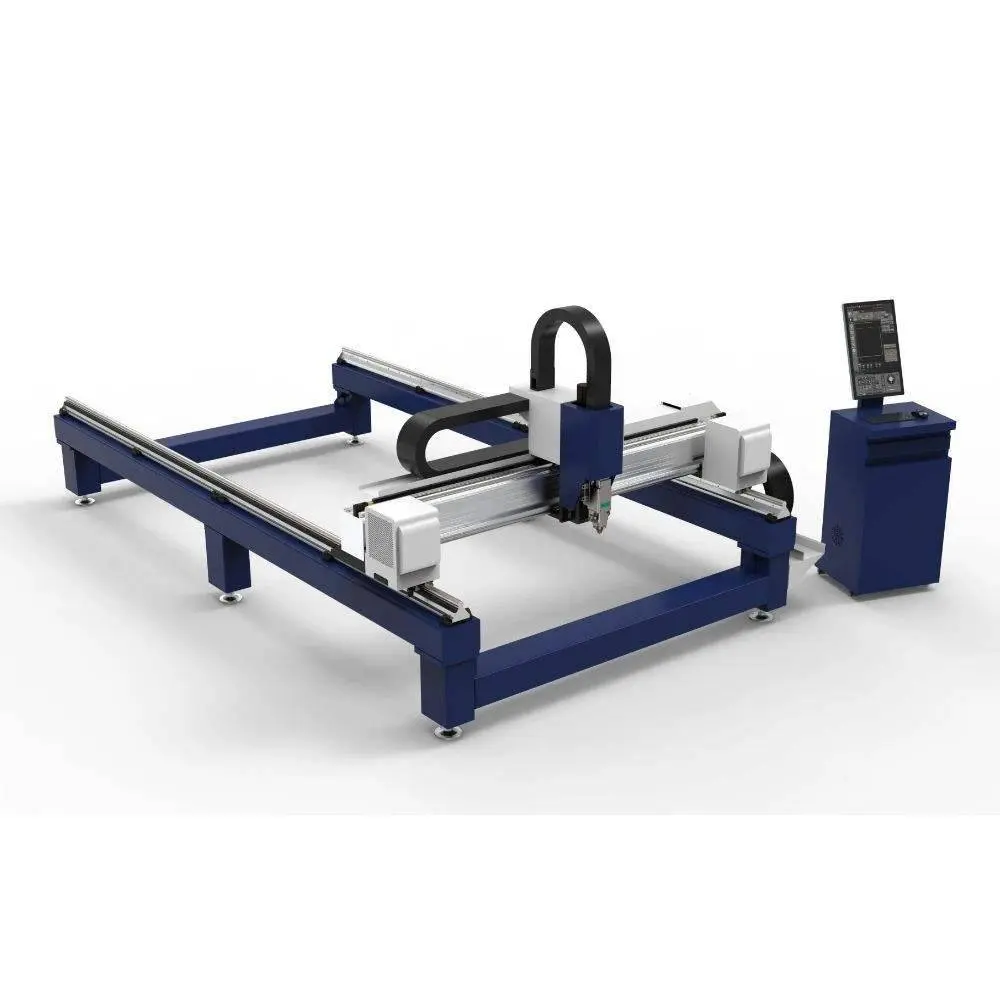
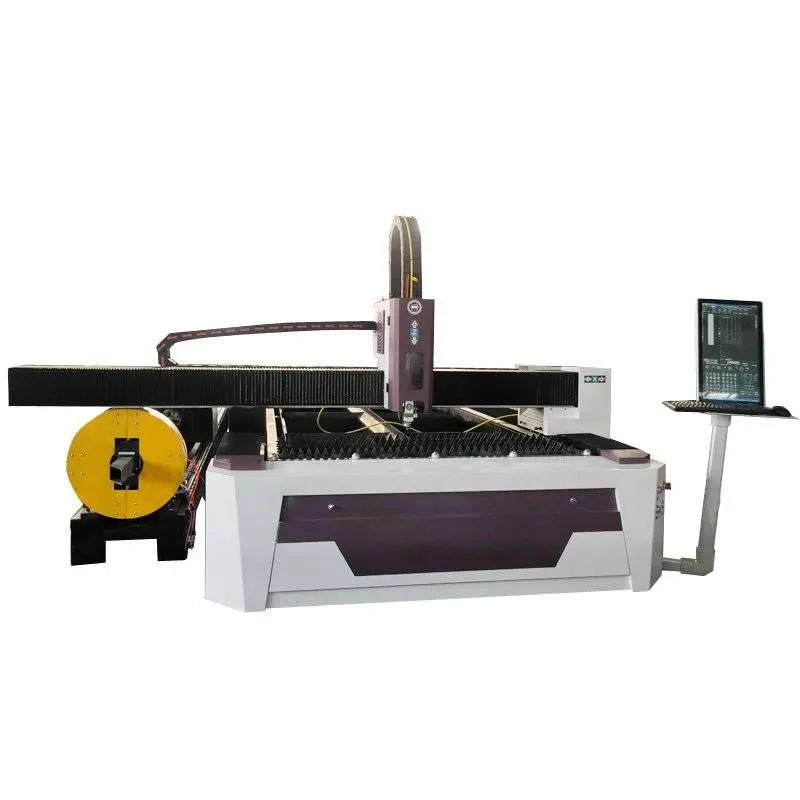
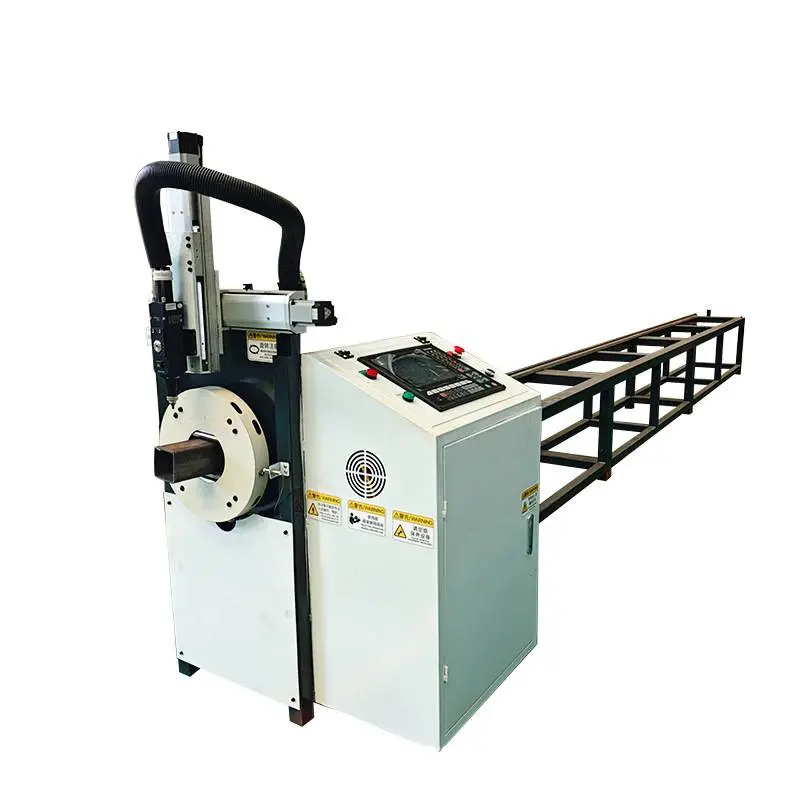
A 3D Structural Steel Processing Center differs from a standard flatbed laser in its ability to manipulate the cutting head across multiple axes. For wind turbine towers, this 3D capability is non-negotiable. The tower sections are not simple cylinders; they are tapered, and the openings for access doors and cable ports must be cut with precise bevels to facilitate high-quality welding.
The 5-axis or 6-axis robotic cutting head allows the 6000W laser to perform V, Y, X, and K-shaped bevel cuts. This is essential for “weld preparation.” Traditionally, a manufacturer would cut a hole with a plasma torch and then send a technician to manually grind the edge to a 45-degree angle. The 3D laser processing center performs both tasks simultaneously. By precisely angling the laser head, the machine produces a finished edge that is ready for the robotic welding cells immediately. This level of precision ensures that the fit-up between the portal frame and the tower shell is perfect, reducing the amount of filler wire needed and ensuring a stronger, more reliable joint.
Maximizing Throughput with Automatic Unloading Systems
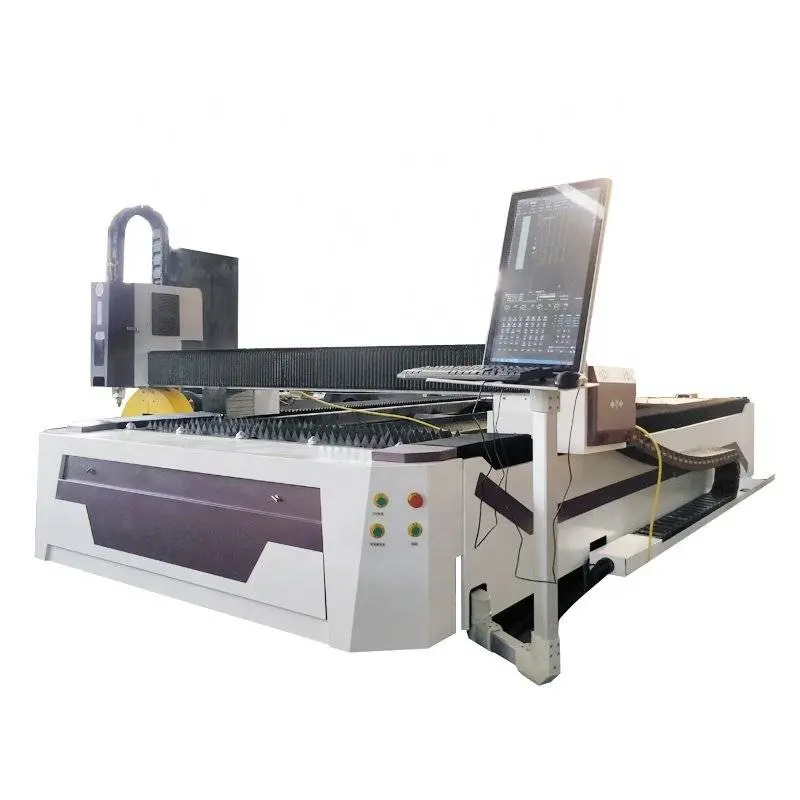
In high-volume manufacturing, the laser is often so fast that the bottleneck shifts from the cutting process to the material handling process. This is why “Automatic Unloading” is a critical feature of the Houston-based processing center. When dealing with structural steel components for wind towers, parts can weigh hundreds of pounds. Manual unloading is not only slow but also poses significant safety risks to operators.
The automatic unloading system utilizes a series of synchronized conveyors, hydraulic lifts, or robotic arms to remove finished parts from the cutting zone while the next piece of steel is being loaded. In a structural steel context, this often involves “sorting” logic, where the system identifies different parts and organizes them for the next stage of production. By automating this stage, the Overall Equipment Effectiveness (OEE) of the 6000W laser is maximized. The machine can run nearly 24/7 with minimal human intervention, ensuring that the heavy flow of material required for a wind farm project—often involving hundreds of towers—can be maintained without interruption.
Structural Integrity and Fatigue Resistance in Wind Energy
Wind turbine towers are designed for a 20-to-25-year lifespan in environments characterized by extreme turbulence and thermal cycling. The quality of the laser cut plays a direct role in the longevity of the structure. The 6000W fiber laser produces a surface roughness that is significantly lower than that of plasma or oxy-fuel cutting.
In the wind industry, the smoothness of the cut edge is directly correlated with fatigue resistance. A rough edge contains micro-fissures that can expand over time under the rhythmic swaying of the turbine. The fiber laser’s narrow beam and high-pressure nitrogen or oxygen assist gas create a “mirror-like” finish on the cut face. This reduces the need for post-cut sanding or grinding, which is a labor-intensive process. By maintaining the base metal’s properties through controlled heat input, the 6000W processing center ensures that the Houston-manufactured towers meet the stringent standards set by global bodies like DNV and the IEC.
The Houston Advantage: Logistics and Labor
Setting up this high-tech processing center in Houston is a strategic move that leverages the city’s unique industrial ecosystem. Houston offers a highly skilled pool of “traditional” energy workers who are increasingly being retrained for advanced manufacturing roles. The operation of a 6kW 3D laser requires a blend of metallurgical knowledge and software proficiency (CAD/CAM), a combination of skills that is abundant in the Texas Gulf Coast region.
Furthermore, the logistics of wind tower production are daunting. These are “oversized” loads that are expensive to transport. By housing the processing center in Houston, manufacturers can take advantage of the Port of Houston for importing raw plate and the vast interstate highway system for transporting finished sections to the wind-rich plains of West Texas, Oklahoma, and the Midwest. The ability to perform high-precision 3D cutting and automated unloading in a central logistics hub significantly reduces the total “levelized cost of energy” (LCOE) for wind power developers.
Efficiency and Environmental Impact of Fiber Technology
Sustainability is at the heart of the wind energy movement, and it is only fitting that the machines used to build these turbines are themselves efficient. The 6000W fiber laser is remarkably energy-efficient compared to older CO2 technology. A fiber laser typically has a “wall-plug efficiency” of about 30-35%, whereas a CO2 laser is closer to 10%. This means lower electricity consumption for the Houston facility, contributing to a smaller carbon footprint for the manufacturing process.
Additionally, the precision of the fiber laser minimizes material waste. Advanced nesting software can pack parts tightly onto a sheet or beam, and the narrow kerf of the 6kW beam means more of the raw steel ends up in the tower and less ends up in the scrap bin. In an era where steel prices are volatile, this material efficiency is a vital component of a profitable manufacturing strategy.
Conclusion: Setting a New Standard for the Industry
The 6000W 3D Structural Steel Processing Center with Automatic Unloading represents the pinnacle of modern fabrication technology. In Houston, this technology is doing more than just cutting steel; it is building the foundation of a sustainable energy future. By mastering the 3D geometry of wind tower components, leveraging the speed and precision of 6kW fiber optics, and removing the bottleneck of material handling through automation, manufacturers are able to meet the scale of the climate challenge.
As wind turbines continue to grow—with hub heights now exceeding 120 meters—the demands on the steel structures that support them will only increase. The precision provided by 3D laser processing ensures that these towers are not just bigger, but safer and more durable. Houston’s investment in this technology signals a clear message: the city is ready to lead the transition into the next generation of energy infrastructure, one laser-cut bevel at a time.