
Introduction to High-Precision Tube Processing in Queretaro
The industrial landscape of Queretaro has undergone a radical transformation over the last decade, evolving into one of North America’s most sophisticated manufacturing hubs. Central to this evolution is the adoption of advanced fiber laser technology. Among the various configurations available, the 4kW tube laser cutting system has emerged as the gold standard for processing stainless steel. This power level provides the ideal balance between speed, edge quality, and operational cost, particularly for the aerospace, automotive, and food processing sectors that anchor the Bajío region’s economy.
Laser cutting technology, specifically when applied to tubular profiles, allows for the creation of complex geometries that were previously impossible or prohibitively expensive using traditional mechanical methods. For manufacturers in Queretaro, where precision is a non-negotiable requirement of international supply chains, the 4kW fiber laser offers a competitive edge by minimizing secondary finishing processes and maximizing material throughput.
The Technical Advantage of 4kW Fiber Laser Power
In the realm of laser cutting, wattage determines not just the maximum thickness a machine can penetrate, but the speed at which it can process thinner materials while maintaining a narrow heat-affected zone (HAZ). A 4kW fiber source is specifically engineered to handle the unique thermal properties of stainless steel. Unlike carbon steel, stainless steel requires high energy density to overcome its alloying elements, such as chromium and nickel, which affect how the material absorbs laser energy.
Optimizing Cutting Speeds and Thickness
A 4kW system is capable of processing stainless steel tubes with wall thicknesses up to 10mm or 12mm with high efficiency. However, its true strength lies in the 3mm to 6mm range, where it can achieve rapid traverse speeds that significantly reduce the cycle time per part. In an industrial environment like Queretaro, where high-volume production runs are common, the ability to shave seconds off each cut translates into substantial annual savings.
Precision in Complex Geometries
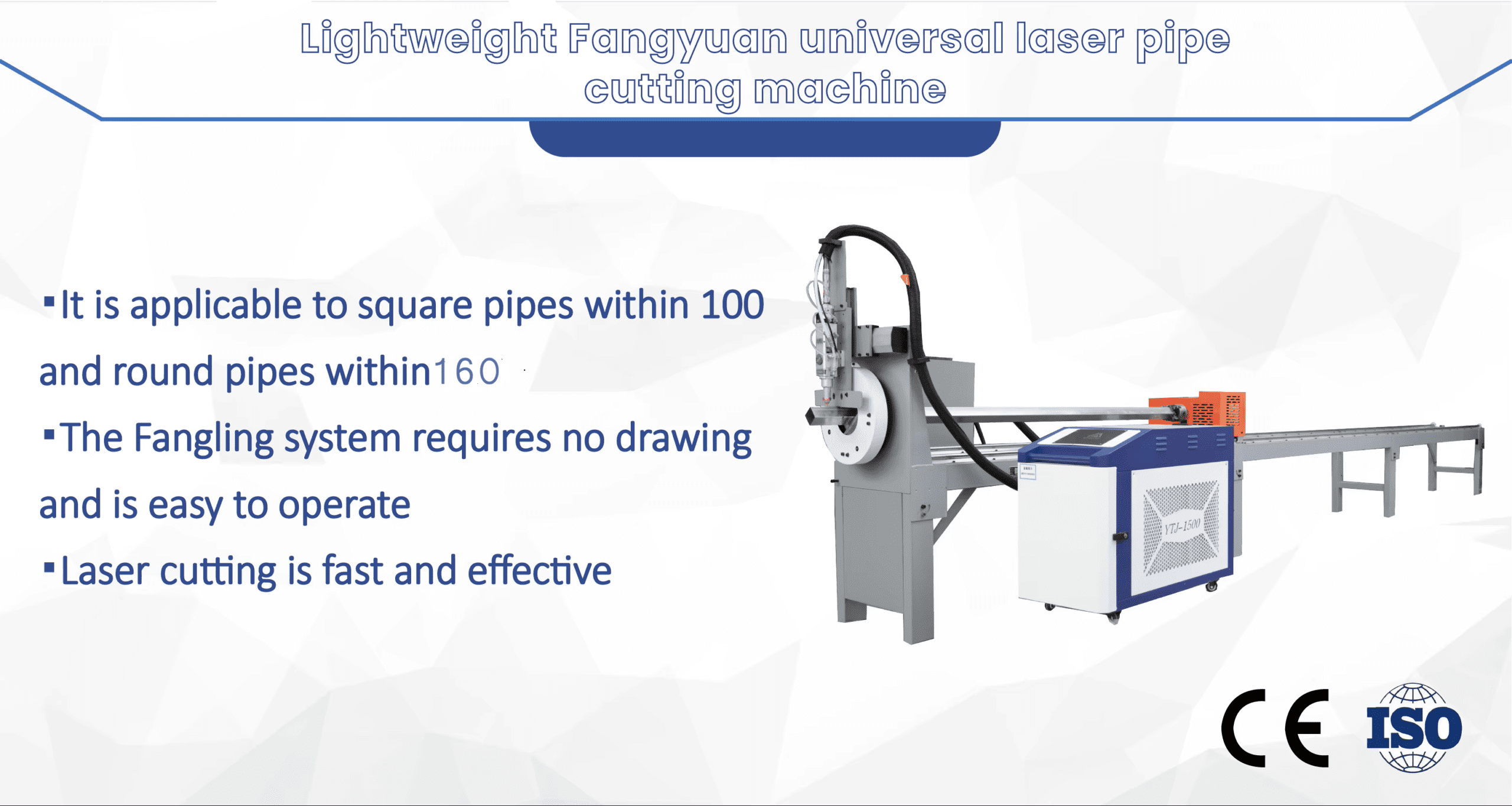
Tube laser cutting is not limited to simple perpendicular cuts. Modern 4kW machines feature multi-axis heads capable of beveling, countersinking, and creating intricate interlocking joints. This is particularly relevant for Queretaro’s structural engineering firms, as it allows for “tab-and-slot” designs that simplify the subsequent welding and assembly phases. By ensuring that every notch and hole is placed with sub-millimeter accuracy, the laser cutting process eliminates the need for manual jigging and alignment.
Stainless Steel Challenges and Solutions
Stainless steel is prized for its corrosion resistance and aesthetic appeal, but it presents specific challenges during the laser cutting process. Its high reflectivity can potentially damage the laser source if not properly managed, and its thermal conductivity can lead to dross accumulation on the underside of the cut. The 4kW fiber laser addresses these issues through advanced beam modulation and high-pressure gas delivery systems.
Managing Reflectivity and Heat Dissipation
Fiber lasers operate at a wavelength of approximately 1.07 microns, which is absorbed much more readily by stainless steel than the 10.6 microns of traditional CO2 lasers. This increased absorption rate means that a 4kW fiber laser can cut reflective materials with much less power waste and higher stability. Furthermore, the 4kW threshold provides enough “punch” to clear the molten material quickly, preventing the heat from soaking into the surrounding tube wall and causing deformation.
Nitrogen vs. Oxygen Assist Gases
For stainless steel applications in Queretaro’s food and pharmaceutical industries, the choice of assist gas is critical. Using nitrogen as an assist gas during the laser cutting process is the industry standard for stainless steel. Nitrogen acts as a mechanical force to blow away molten metal without reacting with the material. This results in an oxide-free, “bright” edge that is ready for immediate welding or polishing. While oxygen can be used to increase cutting speeds in thicker sections, it leaves a dark oxide layer that must be mechanically removed to maintain the material’s corrosion resistance.
Integration into Queretaro’s Industrial Ecosystem
Queretaro’s strategic location and its cluster of specialized industries make it a prime candidate for 4kW tube laser technology. The region’s focus on high-spec manufacturing means that suppliers must adhere to rigorous quality standards, such as AS9100 for aerospace or IATF 16949 for automotive. The repeatability of a CNC-controlled laser cutting system ensures that the first part is identical to the ten-thousandth part, a requirement for these high-stakes industries.

Aerospace and Automotive Applications
In the aerospace sector, weight reduction is paramount. 4kW tube lasers allow for the use of thin-walled stainless steel tubing that is cut with extreme precision, reducing the overall weight of fluid delivery systems and structural frames. In the automotive sector, the laser cutting of exhaust components and chassis reinforcements requires high speed and the ability to handle various tube profiles, including round, square, rectangular, and even custom elliptical shapes.
Supporting the Food and Medical Industries
Queretaro is also a hub for the production of industrial kitchen equipment and medical devices. These sectors demand the highest levels of hygiene. The clean, burr-free edges produced by a 4kW laser cutting system ensure that there are no crevices where bacteria can grow. Furthermore, the ability to cut 304 and 316L grade stainless steel without contaminating the material is essential for maintaining the integrity of the final product.
Efficiency and Automation in Tube Laser Cutting
Investing in a 4kW tube laser is not just about the power of the beam; it is about the efficiency of the entire workflow. Modern machines are equipped with automated loading and unloading systems that allow for “lights-out” manufacturing. This is a significant advantage for Queretaro-based companies looking to compete on a global scale by reducing labor costs and increasing machine uptime.
Advanced Nesting Software
The software used to program the laser cutting path plays a vital role in material utilization. Advanced nesting algorithms can arrange parts on a single length of tube to minimize scrap. For stainless steel, which is significantly more expensive than carbon steel, reducing waste by even 5% can result in a rapid return on investment. The software also accounts for the tube’s “twist and bow,” automatically adjusting the cutting head’s position to compensate for any physical imperfections in the raw material.
Maintenance and Local Technical Support
For a high-tech facility in Queretaro, downtime is the enemy of profitability. One of the advantages of fiber laser technology is its relatively low maintenance requirement compared to older CO2 systems. There are no mirrors to align or bellows to replace. However, having access to local technical support and spare parts within the Bajío region is crucial. Manufacturers should look for 4kW systems that offer remote diagnostics, allowing engineers to troubleshoot software or parameter issues via the internet, often resolving problems without the need for an on-site visit.
Economic Impact and Future Outlook
The transition to 4kW tube laser cutting represents a significant capital investment, but the economic benefits are clear. By consolidating multiple operations—sawing, drilling, milling, and deburring—into a single process, companies can drastically reduce their lead times. In the fast-paced Queretaro market, the ability to deliver finished components in days rather than weeks is a powerful differentiator.
ROI for Small and Medium Enterprises (SMEs)
While large multinationals were the first to adopt this technology, Queretaro’s vibrant SME sector is now following suit. The increased accessibility of fiber laser technology means that smaller job shops can now offer high-precision stainless steel processing services. This creates a more robust local supply chain, allowing larger OEMs to source their components locally rather than importing them from abroad.
Environmental Considerations
Laser cutting is also a greener alternative to traditional machining. Fiber lasers are significantly more energy-efficient than CO2 lasers, consuming up to 70% less electricity. In an era where corporate social responsibility and energy costs are becoming increasingly important in Mexico’s industrial sector, the efficiency of a 4kW fiber system aligns with modern sustainability goals.
Conclusion: Choosing the Right 4kW System
For manufacturers in Queretaro looking to dominate the stainless steel market, the 4kW tube laser is an indispensable tool. It provides the versatility to handle diverse tube profiles, the power to maintain high speeds through thick-walled sections, and the precision required by the world’s most demanding industries. When selecting a machine, it is essential to consider not only the peak power but also the quality of the CNC interface, the robustness of the mechanical chucks, and the availability of local service support.
As the “Mexican Miracle” continues to drive industrial growth in the Bajío region, those who invest in high-performance laser cutting technology will be best positioned to capture new opportunities. Whether it is for a complex aerospace component or a simple structural frame, the 4kW fiber laser remains the pinnacle of tube processing excellence.
















