
Introduction to 4kW Tube laser cutting in Queretaro’s Industrial Sector
The industrial landscape of Queretaro has undergone a radical transformation over the last decade, evolving into one of Mexico’s primary hubs for aerospace, automotive, and advanced manufacturing. Central to this evolution is the adoption of high-precision CNC technology, specifically the 4kW fiber laser cutting system designed for tubular profiles. As manufacturers in the Bajío region transition toward Industry 4.0, the demand for high-speed, high-accuracy processing of galvanized steel has skyrocketed.
A 4kW laser source represents the “sweet spot” for many industrial applications. It provides sufficient power to maintain high feed rates on thin-walled tubes while possessing the torque—metaphorically speaking—to penetrate thicker structural sections. In Queretaro, where Tier 1 and Tier 2 automotive suppliers require rigorous repeatability, the 4kW tube laser has become an indispensable tool for producing chassis components, exhaust systems, and structural reinforcements.
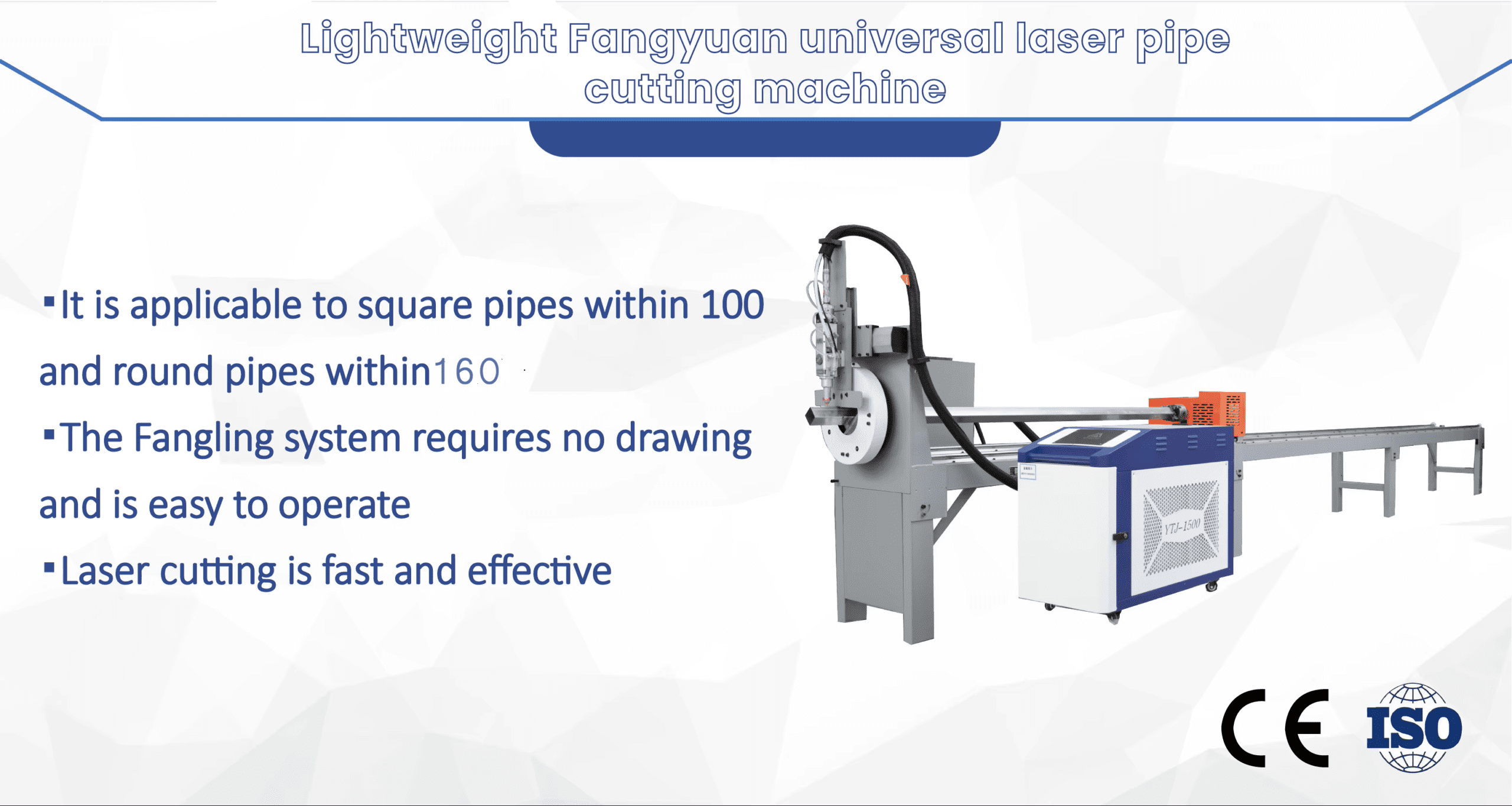 laser cutting machine MAK160″ style=”width: 100%; max-width: 800px; height: auto; margin: 20px 0;”>
The Technical Superiority of 4kW Fiber Technology
The transition from CO2 to fiber laser technology has been the most significant shift in the laser cutting industry. A 4kW fiber laser operates at a wavelength of approximately 1.06 microns, which is absorbed much more efficiently by metallic surfaces compared to the 10.6 microns of CO2 lasers. This efficiency is particularly noticeable when processing reflective or coated materials like galvanized steel.
Beam Quality and Energy Density
In the context of tube laser cutting, beam quality (often measured by the M2 factor) determines how tightly the laser can be focused. A 4kW source allows for a high energy density at the focal point, enabling the “keyhole” effect during the cutting process. This results in a narrower kerf width and a smaller Heat Affected Zone (HAZ). For engineering firms in Queretaro, this means parts require less post-processing, as the structural integrity of the galvanized coating is preserved as much as possible near the cut edge.
Processing Speed and Throughput
Time is a critical commodity in the Queretaro manufacturing corridor. A 4kW system can process 2mm galvanized round tubing at speeds exceeding 20 meters per minute, depending on the assist gas used. This high-speed capability allows local shops to compete with international manufacturers by reducing the cost-per-part through increased throughput and reduced electrical consumption per meter of cut.
Challenges and Solutions for Galvanized Steel
Galvanized steel presents a unique set of challenges for laser cutting. The material consists of a carbon steel core coated with a layer of zinc to provide corrosion resistance. Because zinc has a significantly lower melting point (approx. 419°C) and boiling point (approx. 907°C) than the base steel (approx. 1500°C), the cutting process can become unstable if not properly managed.
Managing Zinc Vaporization
During the laser cutting process, the zinc coating vaporizes before the steel melts. This vapor can interfere with the laser beam and create high-pressure “micro-explosions” within the melt pool, leading to excessive dross (slag) and potential damage to the laser optics. To mitigate this, 4kW machines utilize advanced nozzle designs and specific frequency modulations to stabilize the plasma. Engineers in Queretaro often employ “fly-cutting” techniques for thin-walled galvanized tubes to minimize the time the beam dwells on any single point, thereby reducing zinc flare-up.
Assist Gas Selection: Nitrogen vs. Oxygen
The choice of assist gas is pivotal when working with galvanized steel.
- Nitrogen: This is the preferred gas for high-quality finishes. Nitrogen acts as a shielding gas, blowing away the molten material without allowing oxidation to occur. This leaves a clean, weld-ready edge. However, it requires higher pressures and, consequently, higher operational costs.
- Oxygen: While oxygen can increase cutting speeds on thicker carbon steel by inducing an exothermic reaction, it often results in a heavily oxidized edge on galvanized material, which can compromise subsequent painting or welding processes.
- Compressed Air: Many shops in Queretaro are moving toward high-pressure air cutting (using 4kW power) as a cost-effective middle ground, providing acceptable edge quality for structural applications at a fraction of the cost of bottled nitrogen.
Structural Applications in the Queretaro Region
Queretaro’s industrial parks, such as Parque Industrial Querétaro and Balvanera, host companies that specialize in diverse sectors. The 4kW tube laser is the workhorse behind many of their products.
Automotive and Transportation
Galvanized tubing is ubiquitous in the automotive sector for components that require longevity against environmental exposure. This includes bus frames, truck trailer components, and internal safety cages. The precision of laser cutting allows for complex “tab-and-slot” designs, which simplify the assembly and welding of these large structures, ensuring that Queretaro-based OEMs maintain high geometric tolerances.
Construction and Infrastructure
With the rapid expansion of Queretaro’s urban infrastructure, galvanized steel tubes are frequently used in architectural features, HVAC ducting supports, and solar panel racking systems. The ability of a 4kW laser to handle square, rectangular, and even open profiles (like C-channels) makes it a versatile asset for local construction suppliers. The laser’s ability to cut holes for fasteners with sub-millimeter accuracy eliminates the need for manual drilling, significantly reducing labor costs.
Optimizing Machine Configuration for Tube Processing
A 4kW laser source is only as good as the machine tool carrying it. For tube processing, several hardware features are critical for maintaining the precision required by Queretaro’s engineering standards.
Automatic Loading and Unloading
In high-volume environments, manual loading of 6-meter tubes is a bottleneck. Advanced 4kW systems are equipped with bundle loaders that automatically measure, align, and feed tubes into the chucks. This minimizes downtime and allows for lights-out manufacturing, a trend that is becoming increasingly popular among Queretaro’s tech-forward machine shops.
The Importance of the Chuck Design
Tubes are rarely perfectly straight. A high-quality laser cutting machine must feature pneumatic or hydraulic chucks with self-centering capabilities. For galvanized steel, which can sometimes have a slightly irregular surface finish due to the hot-dip process, the chucks must provide a firm grip without marring the protective zinc coating. Dual-chuck or triple-chuck systems are preferred for minimizing “tailing” waste, ensuring that nearly the entire length of the raw material is utilized.
Software Integration and CNC Control
The “brain” of the laser cutting system is the CNC controller and the associated nesting software. In the Queretaro market, compatibility with CAD/CAM software like SolidWorks or AutoCAD is essential. Modern controllers allow for real-time adjustments of laser power, frequency, and gas pressure as the cutting head navigates the corners of a square tube. This prevents “over-burning” at the corners, which is a common issue when processing galvanized steel due to the heat accumulation in tight radii.
Nesting for Material Efficiency
Galvanized steel prices are subject to global market fluctuations. Therefore, maximizing material utilization is key to profitability. Advanced nesting algorithms can combine multiple different parts on a single tube, optimizing the cut path to reduce the number of pierces and the total travel distance of the laser head. This not only saves material but also extends the life of the consumables, such as nozzles and protective windows.
Maintenance and Operational Longevity in Mexico
Operating a 4kW fiber laser in Queretaro requires an understanding of the local environment. The region’s altitude and humidity levels can affect the performance of the cooling systems (chillers). Regular maintenance of the water filtration system is vital to prevent mineral buildup in the laser source’s cooling lines.
Fume Extraction and Safety
Laser cutting galvanized steel releases zinc oxide fumes, which are toxic if inhaled (leading to “metal fume fever”). High-performance dust collection and filtration systems are mandatory for any ethical and legal operation in Mexico. These systems must be integrated with the machine’s CNC to ensure they are active whenever the beam is engaged. Furthermore, because a fiber laser’s beam is invisible and highly dangerous to the human eye, the machine must be fully enclosed with laser-safe glass (Class 1 housing).
The Future of Laser Cutting in the Bajío
As Queretaro continues to attract foreign direct investment, the technological bar will continue to rise. We are already seeing a move toward 6kW and 12kW systems, but the 4kW remains the most economically viable solution for the vast majority of galvanized tube applications. The integration of AI for predictive maintenance and real-time defect detection is the next frontier for local manufacturers.
By investing in 4kW laser cutting technology, Queretaro’s manufacturing sector is not just buying a machine; it is investing in a capability that ensures relevance in a global supply chain. The precision, speed, and versatility offered by these systems allow local engineers to push the boundaries of what is possible with galvanized steel, creating products that are durable, efficient, and cost-competitive.
Conclusion
In summary, the 4kW tube laser cutter is a transformative technology for the Queretaro industrial region. Its ability to master the complexities of galvanized steel—balancing the vaporization of zinc with the melting of steel—makes it a cornerstone of modern fabrication. Whether for automotive frames or structural supports, the precision of laser cutting ensures that the “Made in Mexico” label remains synonymous with quality and engineering excellence. As the region grows, those who master these high-power fiber systems will undoubtedly lead the market in productivity and innovation.
















