
Introduction to 4kW Tube laser cutting Technology in Monterrey
In the heart of Mexico’s industrial powerhouse, Monterrey, the manufacturing sector is undergoing a rapid technological evolution. As “nearshoring” brings global demand to Nuevo León, the requirement for precision, speed, and material versatility has never been higher. Among the most critical advancements in this landscape is the adoption of the 4kW tube laser cutting system. This specific power configuration represents a strategic “sweet spot” for engineering firms and metal fabricators, particularly when dealing with non-ferrous, highly reflective materials like brass.
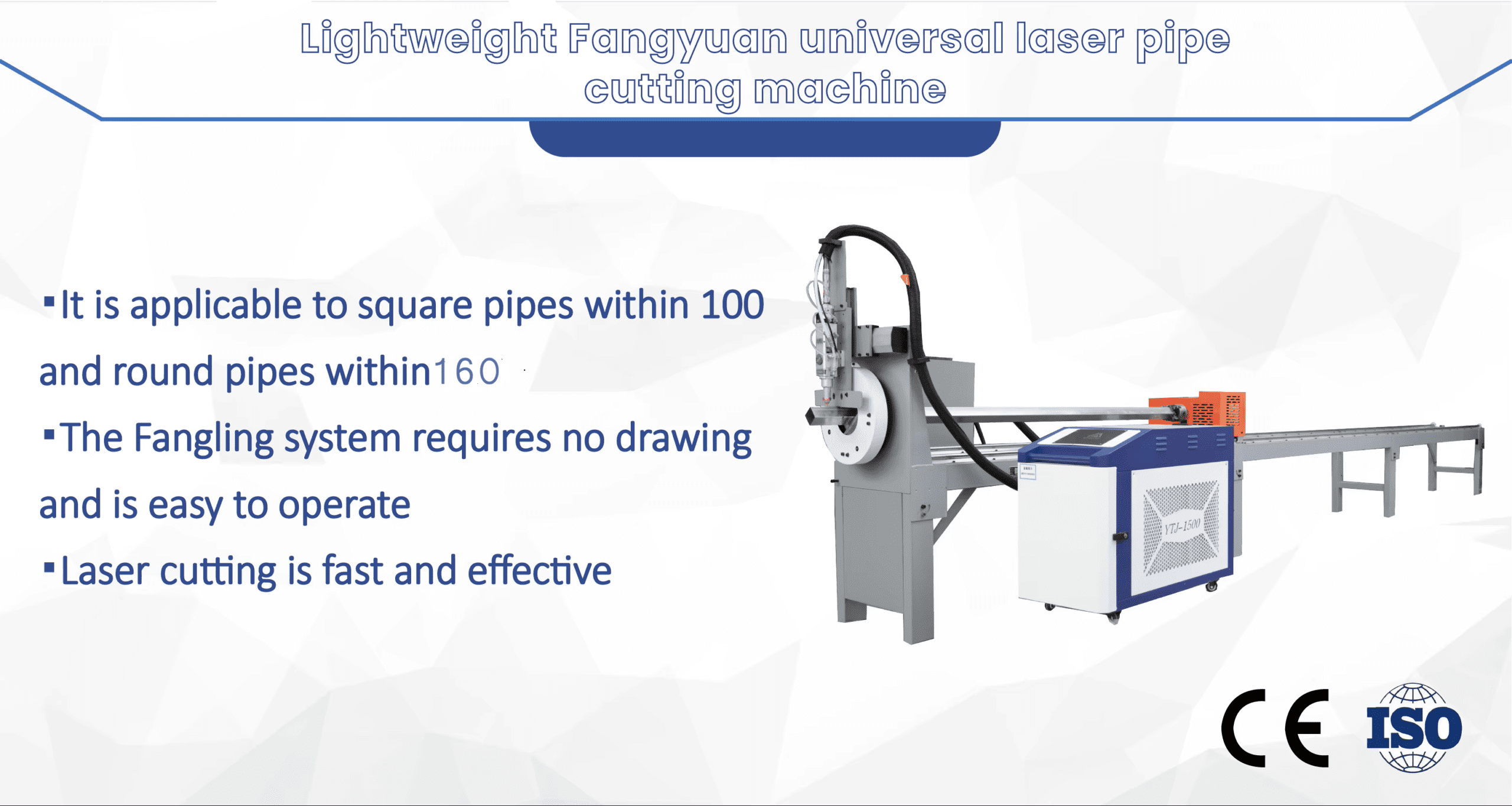
The 4kW fiber laser is engineered to bridge the gap between light-duty fabrication and heavy industrial production. In Monterrey’s competitive automotive and decorative architectural sectors, the ability to process brass tubing with high repeatability is a significant competitive advantage. Unlike traditional mechanical sawing or manual drilling, laser cutting offers a non-contact, CNC-driven process that eliminates tool wear and minimizes material distortion, which is essential for the soft yet abrasive nature of brass alloys.
The Physics of Fiber Lasers and Brass Interaction
Brass, an alloy of copper and zinc, presents unique challenges for laser cutting systems. Its high thermal conductivity and high reflectivity mean that a significant portion of the laser energy can be reflected back into the cutting head, potentially damaging the resonator. However, modern 4kW fiber lasers are equipped with advanced optical isolators and back-reflection protection systems. These safety mechanisms allow the machine to maintain a stable beam even when processing the most “stubborn” brass grades, such as C26000 (70/30 Brass) or C36000 (Free-Cutting Brass).
At the 4kW power level, the energy density at the focal point is sufficient to instantaneously vaporize the metal, creating a narrow kerf. This power level is particularly effective for brass wall thicknesses ranging from 1mm to 8mm. While lower-wattage machines struggle with the thermal dissipation of brass—often resulting in dross or “slag” on the underside of the cut—the 4kW system provides enough “punch” to clear the melt zone rapidly, ensuring a clean, burr-free finish that requires little to no post-processing.
Technical Specifications for 4kW Tube Processing
When selecting a 4kW tube laser cutter for a Monterrey-based facility, engineers must look beyond raw wattage. The integration of the CNC controller, the chuck mechanism, and the beam delivery system determines the final output quality. For brass tubing, which is often used in fluid handling or high-end furniture, the precision of the rotational axis is paramount. A high-speed pneumatic or hydraulic chuck system ensures that the tube remains centered even at high RPMs, preventing “wobble” that could lead to dimensional inaccuracies.
The 4kW fiber source typically utilizes a wavelength of approximately 1.06 microns. This wavelength is absorbed much more efficiently by brass than the 10.6 microns of a traditional CO2 laser. This absorption efficiency is the primary reason why fiber technology has become the industry standard in Monterrey’s industrial parks, such as those in Santa Catarina and Apodaca. It allows for faster cutting speeds—often exceeding 20 meters per minute on thinner brass gauges—while consuming significantly less electricity than older gas-based systems.
Optimizing Assist Gases: Nitrogen vs. Oxygen
The choice of assist gas is a critical variable in the laser cutting process for brass. In most professional engineering applications, Nitrogen is the preferred medium. Nitrogen acts as a shielding gas, preventing the oxidation of the brass at the cut edge. This results in a bright, gold-colored finish that is ready for welding or plating. Furthermore, high-pressure Nitrogen helps to mechanically “blow” the molten brass out of the kerf, which is vital given the metal’s high surface tension.
In some specific industrial applications where speed is prioritized over edge aesthetics, Oxygen can be used. However, Oxygen reacts with the copper content in brass, creating a darkened, oxidized edge. For Monterrey’s aerospace and medical device suppliers, the metallurgical integrity of the cut is non-negotiable, making high-purity Nitrogen the standard. A 4kW system provides the necessary pressure regulation to handle Nitrogen flows effectively, ensuring that even complex geometries—such as intricate slots or interlocking tabs—are executed with surgical precision.

Why Monterrey is the Ideal Hub for Brass Laser Fabrication
Monterrey’s geographical location and its established supply chain make it a unique environment for 4kW tube laser cutting operations. The city serves as a gateway between the US market and the Latin American manufacturing base. Companies operating in Monterrey benefit from a highly skilled labor force that is well-versed in CNC programming and metallurgy. Furthermore, the local availability of high-quality brass extrusions from regional mills reduces lead times and logistics costs.
The shift toward electric vehicle (EV) manufacturing in the region has also spiked the demand for brass components. Brass is frequently used in electrical connectors, busbars, and cooling systems due to its conductivity. A 4kW tube laser allows manufacturers to produce these components with the high tolerances required by the automotive industry. The ability to handle various tube profiles—including round, square, rectangular, and even custom D-shapes—makes the 4kW machine a versatile asset for any Monterrey job shop.
Efficiency and Throughput in High-Volume Production
In a high-volume production environment, “beam-on time” is the metric that matters most. A 4kW tube laser cutter maximizes this by utilizing automated loading and unloading systems. For a facility in Monterrey running two or three shifts, an automated bundle loader can feed brass tubes into the machine continuously, reducing manual labor and the risk of material handling damage. Brass is a relatively expensive material; therefore, the nesting software integrated with the laser cutting system plays a vital role in minimizing scrap.
Modern nesting algorithms can optimize the placement of parts on a 6-meter or 9-meter brass tube, accounting for the “dead zone” at the chuck and ensuring maximum material utilization. When combined with the high-speed piercing capabilities of a 4kW source, the cycle time per part is significantly reduced compared to traditional methods. This efficiency is what allows Monterrey-based firms to compete on a global scale, offering high-quality brass components at competitive price points.
Maintenance and Optical Integrity
Maintaining a 4kW tube laser in the dusty or humid environments sometimes found in industrial zones requires a disciplined approach. For brass cutting specifically, the cleanliness of the protective window (the “cover glass”) is the most important factor. Because brass produces a fine metallic dust during the laser cutting process, the dust collection system must be high-capacity and well-maintained. Any buildup of brass particles on the lens can lead to thermal lensing, where the beam loses focus and quality degrades.
Engineers in Monterrey should also implement a rigorous schedule for checking the alignment of the external beam path. While fiber lasers are generally low-maintenance compared to CO2 lasers, the mechanical components of a tube cutter—the rails, the chucks, and the support rollers—require regular lubrication and calibration. Given the high value of brass, a machine that is out of alignment by even half a millimeter can result in significant financial loss over a production run.
Safety Protocols for High-Power Laser Operations
Operating a 4kW laser requires strict adherence to Class 4 laser safety standards. The machine must be fully enclosed with laser-safe glass (typically a specific green or amber tint depending on the wavelength) to protect operators from reflected radiation. This is especially true when cutting brass, as the potential for stray reflections is higher. In Monterrey, where workplace safety regulations (NOM standards) are strictly enforced, ensuring that the machine has a light-tight enclosure and interlocked doors is essential for compliance and worker protection.
Conclusion: The Future of Metalwork in Monterrey
The integration of 4kW tube laser cutting technology is more than just an equipment upgrade; it is a strategic move toward the future of manufacturing in Monterrey. As the demand for complex brass components grows in the renewable energy, automotive, and luxury architectural sectors, the precision of the fiber laser becomes indispensable. By mastering the variables of power, assist gas, and material science, Monterrey’s fabricators are positioning themselves at the forefront of the global supply chain.
Whether it is producing intricate chandeliers for the hospitality industry or high-precision valves for industrial fluid control, the 4kW tube laser provides the reliability and performance needed to excel. As Monterrey continues to grow as a center for technical excellence, the “laser cutting” of brass will remain a cornerstone of its industrial capability, driving innovation and economic growth for years to come.
















