The Definitive Guide to 4kW Tube laser cutter Technology for Aluminum Alloys in Monterrey
As the industrial heart of Mexico, Monterrey has become a global hub for advanced manufacturing, particularly within the automotive, aerospace, and home appliance sectors. The rapid expansion of “nearshoring” has placed unprecedented demand on local metal fabrication shops to deliver high-precision components with minimal lead times. At the center of this technological revolution is the 4kW tube laser cutter, a machine that offers the perfect balance of power, precision, and cost-efficiency for processing non-ferrous metals. For engineers and facility managers in Nuevo León, mastering the nuances of laser cutting aluminum alloys is essential for maintaining a competitive edge in the global supply chain.
Understanding the 4kW Fiber Laser Advantage
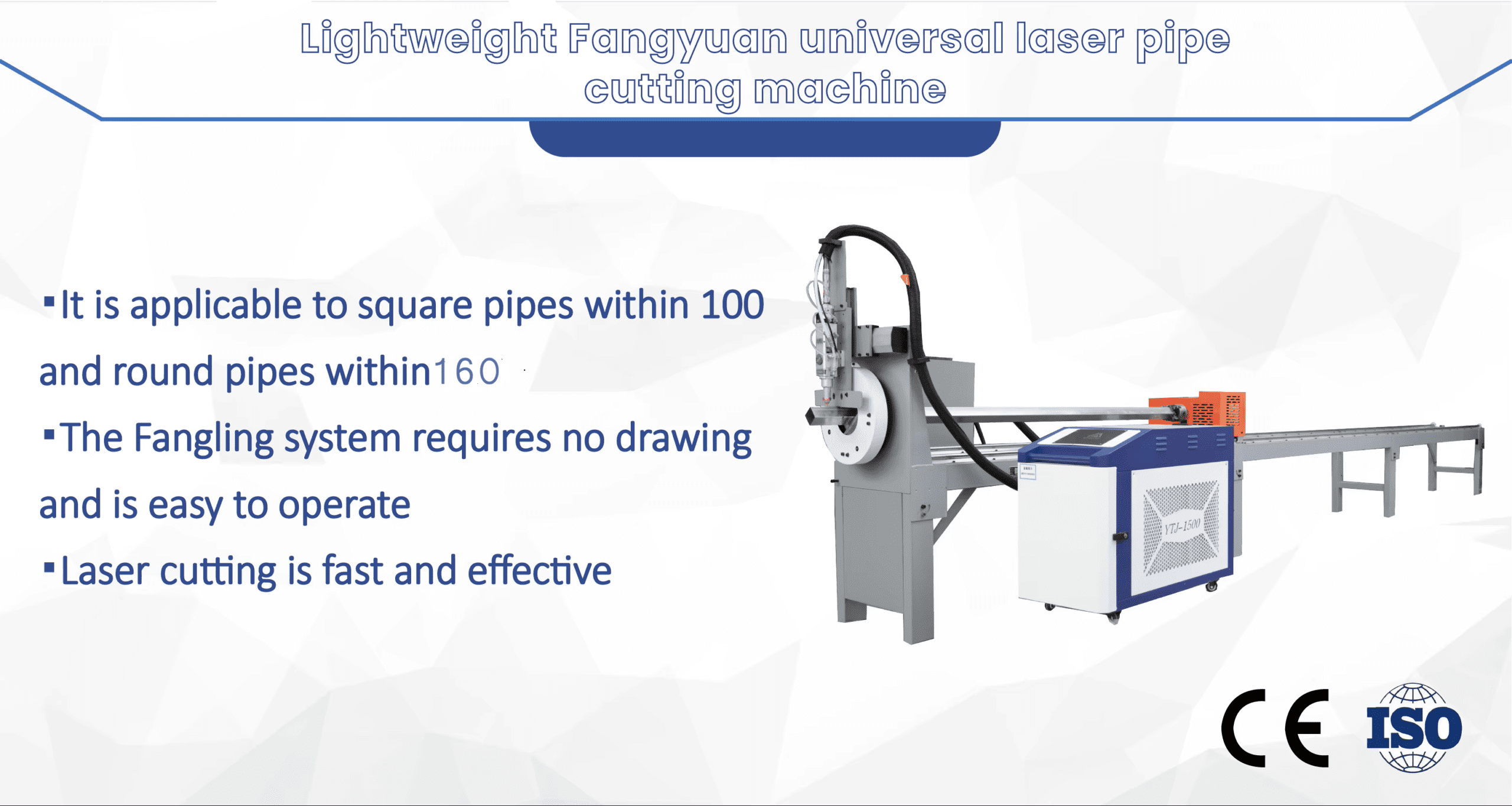
A 4kW fiber laser source represents a critical “sweet spot” for industrial tube processing. Unlike lower-wattage systems that may struggle with the high reflectivity of aluminum, or ultra-high-power systems (12kW+) that incur significant operational costs, the 4kW system provides sufficient power density to overcome the initial reflectance of aluminum alloys while maintaining a narrow kerf width. This power level allows for high-speed processing of wall thicknesses ranging from 1mm to 8mm, which covers the vast majority of structural and decorative tubing used in modern engineering.
Aluminum Alloy Challenges: Reflectivity and Thermal Conductivity
Aluminum is notoriously difficult to process using traditional CO2 lasers due to its high thermal conductivity and reflective nature. However, the 1.06-micron wavelength of a fiber laser cutting system is much more readily absorbed by aluminum. Even so, when working with 4kW of power, engineers must account for the material’s behavior. Aluminum alloys like 6061-T6 (common in Monterrey’s structural applications) and 5052 (used for its corrosion resistance) dissipate heat rapidly. This requires a precise balance of feed rate and gas pressure to prevent the “dross” or slag from adhering to the bottom of the cut.
Modern 4kW machines are equipped with back-reflection protection. This is a critical feature for Monterrey-based shops, as it prevents the reflected laser beam from traveling back through the fiber optic cable and damaging the expensive laser source. When cutting round, square, or rectangular aluminum profiles, the software must also adjust the power output dynamically as the laser head moves around corners to prevent overheating the material.
Technical Specifications for High-Performance Tube Processing
To achieve the best results with aluminum alloys, the mechanical hardware of the tube laser must match the quality of the 4kW light source. In a high-production environment like the Santa Catarina or Apodaca industrial parks, machine uptime is the most important metric.
Precision Chucking and Material Handling
The 4kW tube laser utilizes a dual-chuck or triple-chuck system to rotate and feed the material through the cutting zone. For aluminum, which is softer than steel, pneumatic chucks with adjustable pressure are vital. Excessive pressure can deform the thin-walled aluminum tubing, while insufficient pressure leads to slippage and ruined tolerances. High-end systems feature self-centering chucks that can accommodate various profiles—including C-channels and L-angles—without requiring manual jaw changes, significantly reducing setup times.
The Role of Assist Gases: Nitrogen vs. Oxygen
In the laser cutting of aluminum, the choice of assist gas is paramount. For 4kW systems, Nitrogen is the industry standard. Nitrogen acts as a shielding gas, preventing oxidation during the melting process. This results in a bright, clean edge that is ready for welding or painting without secondary finishing. While Oxygen can be used to speed up the cutting of thick carbon steel, it is generally avoided for aluminum as it creates a heavy oxide layer and a rougher surface finish. In Monterrey, where local gas suppliers are well-integrated into the industrial zones, maintaining a high-purity Nitrogen supply (99.999%) is essential for high-quality aluminum fabrication.
 laser cutting machine” style=”width: 100%; max-width: 800px; height: auto; margin: 20px 0;”>
Optimizing the Workflow in Monterrey’s Industrial Context
The implementation of a 4kW tube laser in a Monterrey facility involves more than just the machine itself. It requires an integrated approach to CAD/CAM software and material logistics. Given the region’s focus on the USMCA (United States-Mexico-Canada Agreement) requirements, traceability and precision are non-negotiable.
Nesting Software and Scrap Reduction
Advanced nesting software allows engineers to maximize the number of parts cut from a single 6-meter or 9-meter aluminum tube. For high-value alloys, reducing “remnant” waste by even 5% can result in thousands of dollars in annual savings. The software calculates the optimal rotation and placement of holes, notches, and end-cuts, ensuring that the 4kW laser spends more time cutting and less time moving between paths. Furthermore, “common line cutting”—where two parts share a single cut line—is highly effective in aluminum tube processing to further increase throughput.
Integration with Automotive and Aerospace Standards
Monterrey’s Tier 1 and Tier 2 suppliers often work with strict tolerances (±0.1mm). The 4kW fiber laser excels here because it eliminates the mechanical stress associated with traditional sawing or punching. There is no tool wear, meaning the first part is identical to the thousandth part. For aluminum components used in vehicle chassis or aerospace seating, the heat-affected zone (HAZ) must be kept to a minimum to maintain the structural integrity of the alloy. The high speed of the 4kW laser minimizes the time the beam spends on any single point, effectively narrowing the HAZ.
Maintenance and Operational Longevity
To ensure a 4kW tube laser continues to perform at peak efficiency in the often dusty and warm environment of Northern Mexico, a rigorous maintenance schedule is required. Aluminum laser cutting produces a very fine, highly flammable dust. A robust dust extraction and filtration system is not just a safety requirement; it is a necessity for machine longevity. If aluminum dust accumulates on the linear guides or the optical path, it can lead to premature wear or even catastrophic failure of the cutting head.
Cooling Systems and Ambient Temperature
Monterrey’s summer temperatures frequently exceed 40°C. A 4kW fiber laser generates significant heat within the power source and the cutting head. A high-capacity industrial chiller is required to maintain the laser source at a constant temperature (usually around 22-25°C). Any fluctuation in the chiller’s performance will lead to beam instability, resulting in poor cut quality or “self-rejection” of the laser source to prevent damage. Investing in a dual-circuit chiller—one for the laser source and one for the optics—is a standard best practice for the region.
Optical Path Care
The protective window (cover glass) is the most frequently replaced consumable in a 4kW system. When laser cutting aluminum, small “spatter” particles can be ejected upward toward the lens. Using high-quality consumables and ensuring the assist gas is free of oil and moisture will extend the life of the optics. Operators should be trained to inspect the lens in a clean-room environment to prevent contamination, which is a leading cause of lens “burn-out” in high-power systems.
Conclusion: The Future of Metal Fabrication in Nuevo León
The 4kW tube laser cutter is more than just a tool; it is a catalyst for industrial growth in Monterrey. By mastering the laser cutting of aluminum alloys, local manufacturers can transition from simple labor-intensive assembly to high-tech precision fabrication. The combination of 4kW of fiber power, sophisticated motion control, and the strategic advantages of the Monterrey location creates a powerful platform for any business looking to excel in the North American market. As material science continues to evolve, and aluminum becomes even more prevalent in lightweight vehicle design, the importance of efficient, high-speed tube laser processing will only continue to grow.