
Comprehensive Engineering Guide: 4kW laser cutting for Galvanized Steel in Leon
The industrial landscape of Leon, Guanajuato, has undergone a significant transformation over the last decade. As a primary hub for the automotive, footwear, and construction industries in Mexico’s Bajío region, the demand for precision metal fabrication has surged. At the center of this technological evolution is the 4kW fiber laser cutting system. This specific power rating has become the industry standard for workshops requiring a balance between high-speed production and the ability to handle various material thicknesses, particularly galvanized steel.
Galvanized steel, known for its corrosion resistance thanks to its protective zinc coating, presents unique challenges during the laser cutting process. However, when paired with a 4kW fiber source, fabricators in Leon can achieve exceptional edge quality and high throughput. This guide explores the technical nuances of operating a 4kW sheet metal laser, focusing specifically on the optimization of galvanized steel processing.
The Strategic Importance of 4kW Power in Leon’s Industry
In the competitive manufacturing environment of Leon, efficiency is paramount. A 4kW fiber laser offers a substantial leap in productivity compared to lower-wattage systems. While a 1kW or 2kW machine can handle thin gauges, the 4kW variant provides the “punch” necessary to maintain high feed rates on thicker sections of galvanized sheets, often used in HVAC ducting, automotive chassis components, and structural brackets.
The 4kW threshold is particularly effective because it allows for high-pressure nitrogen cutting. In the context of Leon’s industrial supply chain, where “Just-In-Time” delivery is often required by Tier 1 and Tier 2 automotive suppliers, the ability to cut 3mm to 6mm galvanized steel at speeds exceeding 10 meters per minute is a critical competitive advantage. Furthermore, the 4kW fiber laser’s beam quality ensures a smaller heat-affected zone (HAZ), which is vital for maintaining the integrity of the zinc coating near the cut edge.
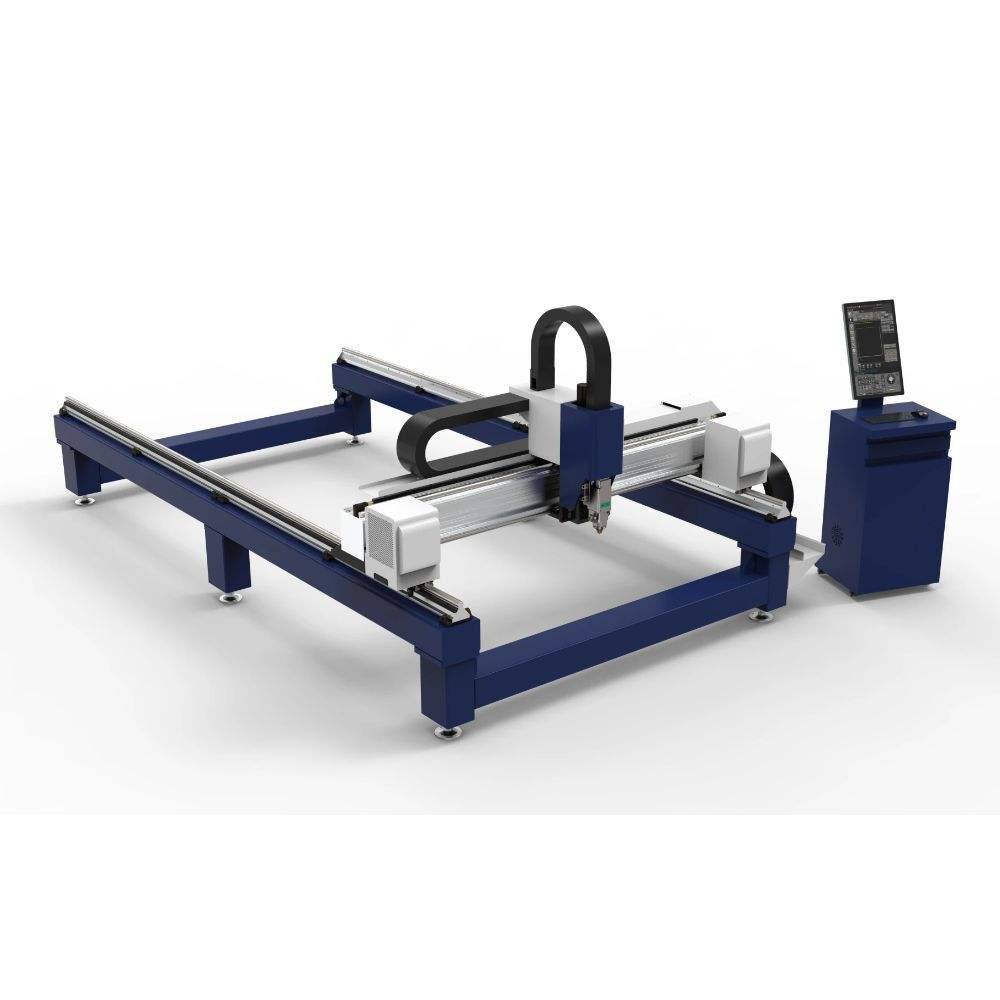
 laser cutting machine” style=”width: 100%; max-width: 800px; height: auto; margin: 20px 0;”>
Technical Challenges of Laser Cutting Galvanized Steel
Galvanized steel is essentially carbon steel coated with a layer of zinc. The primary difficulty in laser cutting this material arises from the difference in the melting and boiling points of the two metals. Zinc vaporizes at approximately 907°C, while steel melts at around 1,538°C. During the laser cutting process, the zinc coating often vaporizes before the steel has even reached its melting point.
This vaporization can lead to several issues:
- Internal Reflection: In older CO2 lasers, the reflective nature of the zinc vapor could damage the resonator. Modern fiber lasers, like the 4kW units used in Leon, are designed with back-reflection protection to mitigate this risk.
- Dross Attachment: The molten zinc can mix with the molten steel, creating a “sticky” slag or dross at the bottom of the cut.
- Porosity in Welding: If the laser cutting process does not cleanly remove the zinc from the edge, subsequent welding operations may suffer from porosity as the residual zinc vaporizes into the weld pool.
Optimizing 4kW Laser Parameters for Galvanized Sheets
To achieve a clean, burr-free finish on galvanized steel, engineers in Leon must meticulously calibrate their machine parameters. The 4kW power level provides enough energy density to overcome the plasma shielding effect caused by the vaporizing zinc.
Assist Gas Selection: Nitrogen vs. Oxygen
The choice of assist gas is the most significant factor in laser cutting galvanized steel. For 4kW systems, high-pressure nitrogen is almost always the preferred choice. Nitrogen acts as a mechanical force to blow the molten material out of the kerf without causing an exothermic reaction. This results in a silver, oxide-free edge that is ready for immediate painting or welding.
Oxygen can be used for thicker galvanized plates to increase cutting speed via an exothermic reaction; however, it often results in heavy oxidation and can cause the zinc coating to flake away from the cut edge. In the high-precision sectors of Leon’s manufacturing base, the clean finish provided by nitrogen is usually worth the higher gas consumption costs.
Nozzle Geometry and Focal Position
For a 4kW system, a double-layer nozzle is often recommended when cutting galvanized steel. This design helps stabilize the gas flow and protects the laser head from potential back-splatter of molten zinc. The focal position should typically be set slightly below the surface of the material (negative focus) to ensure that the widest part of the beam energy is concentrated where the melt pool is most viscous, helping to eject the zinc-infused slag efficiently.
Maintenance Protocols for Laser Cutting Operations in Leon
The environment in Leon can be dusty, and the specific byproduct of laser cutting galvanized steel is a fine white powder (zinc oxide). If not properly managed, this dust can wreak havoc on the optical components and mechanical rails of a 4kW laser system.
Dust Extraction and Filtration
A high-performance dust extraction system is non-negotiable. The zinc oxide fumes are not only harmful to the machine but also pose health risks to operators. Shops in Leon must ensure that their filtration units are cleaned daily and that the airflow at the cutting bed is sufficient to pull fumes away from the laser head immediately.
Optical Care
The protective window (cover glass) of a 4kW fiber laser is its most vulnerable component. When cutting galvanized steel, the risk of “micro-splatter” is high. Operators should inspect the cover glass every 4-8 hours of operation. Any accumulation of zinc residue on the lens will absorb laser energy, leading to thermal deformation and, eventually, a catastrophic failure of the optical path.
Economic Impact of 4kW Technology in the Bajío Region
The adoption of 4kW laser cutting technology has allowed Leon-based companies to move up the value chain. Instead of providing raw cut parts, many shops now offer “ready-to-assemble” components. The precision of the 4kW fiber laser means that tolerances of +/- 0.1mm are achievable, which is essential for the automated assembly lines found in the nearby automotive plants of Silao and Celaya.
Furthermore, the energy efficiency of fiber technology compared to older CO2 systems significantly reduces the overhead for local manufacturers. A 4kW fiber laser consumes roughly one-third of the electricity of a CO2 laser of equivalent power, a factor that is increasingly important given the rising energy costs in the Mexican industrial sector.
Nesting and Software Integration
To maximize the ROI of a 4kW laser cutting investment, Leon’s fabricators utilize advanced nesting software. Because galvanized steel is often used for high-volume production runs, even a 2% improvement in material utilization can result in thousands of dollars in annual savings. Modern software can also implement “common line cutting,” where two parts share a single cut path. This not only saves material but also reduces the total time the laser is firing, extending the life of the consumables.
Conclusion: The Future of Fabrication in Leon
The 4kW sheet metal laser has proven to be a workhorse for the Leon industrial sector. Its ability to master the complexities of galvanized steel—balancing speed, edge quality, and operational cost—makes it an indispensable tool for modern fabrication. As the region continues to grow as a global manufacturing powerhouse, the integration of high-power fiber lasers with automated loading systems and smart factory software will be the next step in the evolution of Leon’s metalworking industry.
By understanding the metallurgical behavior of zinc coatings and optimizing the 4kW laser cutting parameters accordingly, local engineers can ensure they produce world-class components that meet the rigorous standards of the international market. Whether for architectural facades, automotive reinforcements, or industrial HVAC systems, the 4kW laser remains the gold standard for processing galvanized steel in the heart of Mexico.
















