
Maximizing Productivity: The 4kW Sheet Metal Laser in Tijuana’s Industrial Sector
The manufacturing landscape in Tijuana, Baja California, has undergone a radical transformation over the last decade. As a primary hub for nearshoring, the city has become a focal point for aerospace, automotive, and medical device fabrication. Central to this industrial evolution is the adoption of high-power fiber laser technology. Specifically, the 4kW sheet metal laser has emerged as the industry standard for processing carbon steel, offering an optimal balance between capital investment and operational throughput.
In the context of Tijuana’s maquiladora industry, the ability to process carbon steel with high precision and speed is not just a luxury—it is a competitive necessity. Carbon steel remains the backbone of structural components, heavy machinery, and enclosure fabrication. Utilizing a 4kW fiber source allows manufacturers to achieve superior edge quality and dimensional accuracy that traditional plasma or mechanical shearing methods simply cannot match. This guide explores the technical nuances, operational strategies, and regional advantages of deploying 4kW laser cutting systems for carbon steel in the Tijuana-San Diego binational region.
The Technical Advantage of 4kW Fiber Technology
A 4kW fiber laser represents a significant leap in efficiency over older CO2 systems. Fiber lasers utilize a solid-state gain medium, delivering the beam through a flexible fiber optic cable. This results in a beam with a much shorter wavelength (approximately 1.06 microns) compared to the 10.6 microns of a CO2 laser. For carbon steel, this shorter wavelength means higher absorption rates, particularly in the initial piercing phase and during high-speed contouring.
The power density of a 4kW beam allows for the processing of carbon steel thicknesses ranging from 0.5mm up to 22mm or even 25mm, depending on the machine’s optics and gas delivery systems. While 1kW or 2kW systems struggle with plate thicknesses above 12mm, the 4kW variant provides the necessary “punch” to maintain a stable kerf and minimize the heat-affected zone (HAZ) in thicker materials. This is critical for parts that require secondary welding or powder coating, as a smaller HAZ ensures better metallurgical integrity and paint adhesion.
Carbon Steel Processing: Material Dynamics and Precision
Carbon steel, primarily alloys like A36 or A572, is the most common material processed in Tijuana’s fabrication shops. However, its high carbon content makes it sensitive to thermal input. When performing laser cutting on carbon steel, the interaction between the beam and the material is governed by the oxidation process.
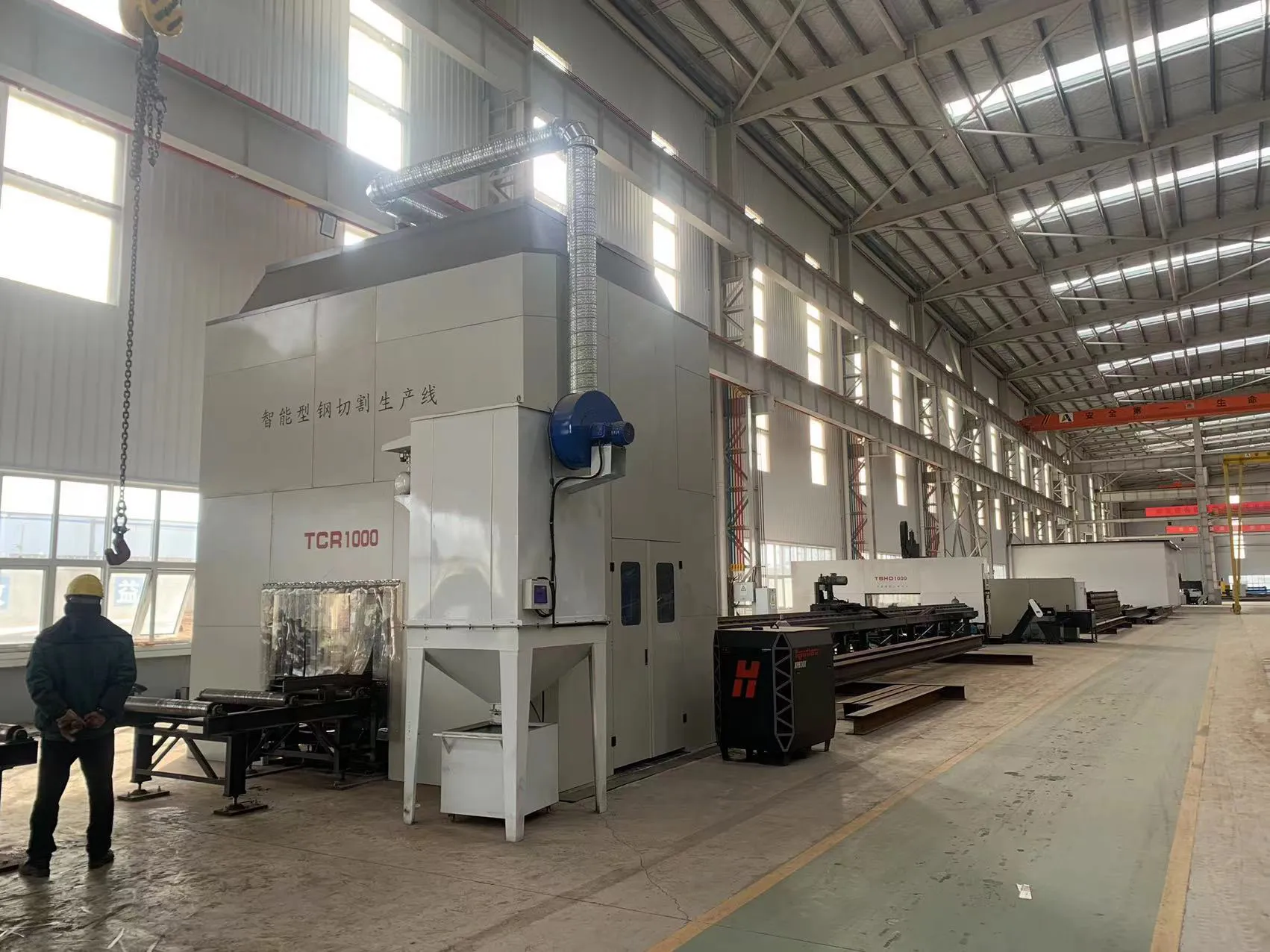
In a 4kW system, the cutting of carbon steel is typically performed using oxygen as an assist gas. The oxygen reacts exothermically with the molten steel, providing additional energy to the cut. This allows for faster speeds on thicker plates compared to nitrogen cutting. However, the trade-off is the formation of a thin oxide layer on the cut edge. For many industrial applications in Tijuana’s automotive sector, this oxide layer must be removed before painting. Advanced 4kW systems often feature “CleanCut” or similar technologies that optimize the gas flow to reduce this slag and facilitate easier post-processing.
Optimizing the Laser Cutting Process for Carbon Steel
To achieve the best results with a 4kW laser, operators must fine-tune several parameters. The focal position is perhaps the most critical variable. In carbon steel, the focus is generally set slightly above the material surface for thin gauges and deeper into the material for thicker plates. A 4kW source provides enough energy to maintain a stable molten pool even when the focus is slightly offset, which provides a wider “process window” and reduces the likelihood of dross.
Another factor is the piercing strategy. Thick carbon steel plates require multi-stage piercing to prevent “blowouts” or excessive spatter that can damage the laser nozzle or the protective window. Modern 4kW machines utilize “burst piercing” or “ramp piercing,” where the power and gas pressure are modulated over milliseconds to create a clean entry hole. This precision is vital for the high-density nesting patterns required to maximize material yield, especially given the fluctuating costs of raw steel in the Mexican market.
Regional Considerations: Operating in the Tijuana-San Diego Corridor
Operating high-end machinery in Tijuana presents unique environmental and logistical challenges. The coastal climate of Baja California introduces humidity and salinity, which can affect the stability of the laser’s chilling system and the longevity of the machine’s internal components. A 4kW laser cutting system requires a robust industrial chiller to maintain the temperature of the laser source and the cutting head. In Tijuana, ensuring that these chillers are equipped with high-quality filtration is essential to prevent mineral buildup and corrosion.
Furthermore, the power grid in certain industrial zones of Tijuana can experience fluctuations. For a 4kW fiber laser, which is sensitive to voltage drops, the installation of a dedicated voltage stabilizer and an Uninterruptible Power Supply (UPS) is highly recommended. This protects the sensitive resonators and CNC controllers from damage, ensuring that production schedules—often tied to “Just-in-Time” (JIT) delivery for US-based partners—are never compromised.
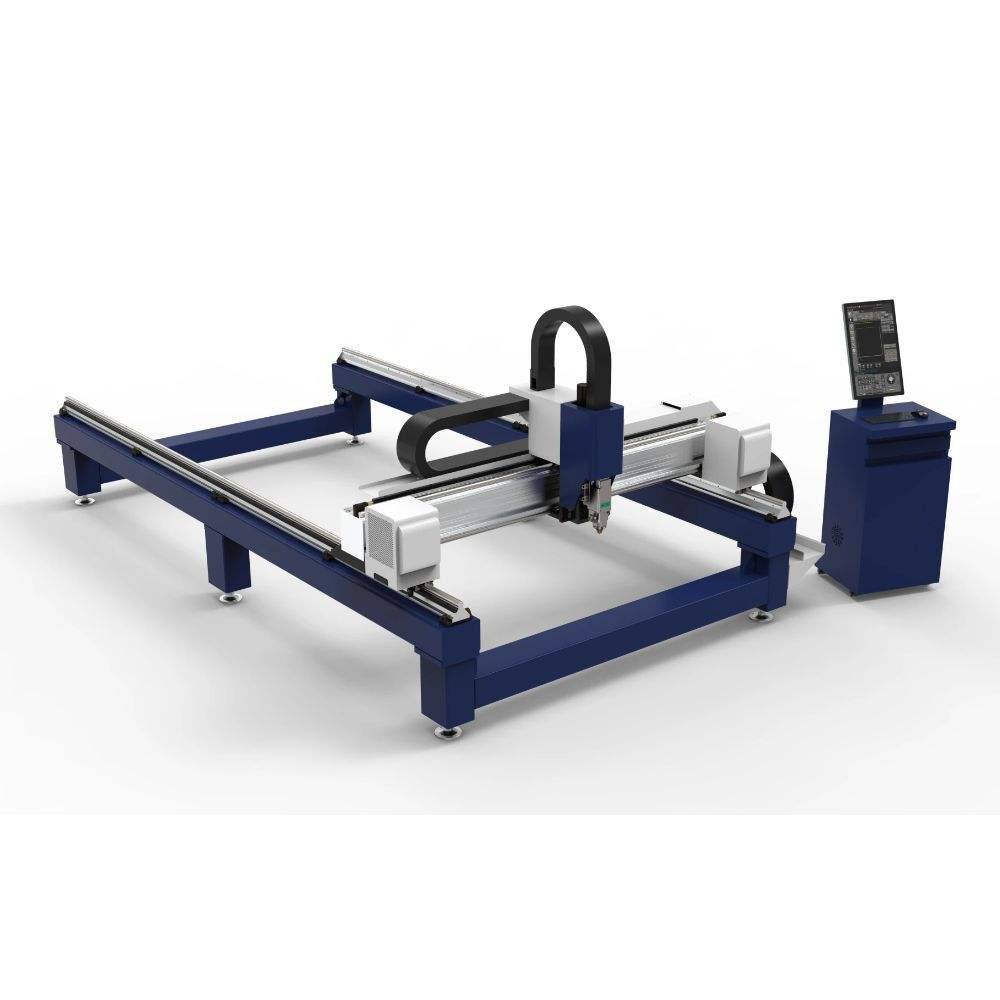
Maintenance and Longevity in High-Throughput Environments
The “workhorse” nature of the 4kW laser in Tijuana means these machines often run 24/7. Continuous laser cutting of carbon steel generates significant amounts of dust and metallic particles. Effective dust extraction systems are non-negotiable. Without proper filtration, the fine dust can settle on the linear guides and ball screws, leading to premature wear and loss of positioning accuracy.
Daily maintenance routines for 4kW systems should focus on the cutting head optics. Even with a fiber delivery system, the protective window (cover glass) is a consumable that must be inspected frequently. Any contamination on this glass can lead to thermal lensing, where the beam focus shifts during the cut, resulting in poor edge quality or even damage to the expensive internal lens assembly. For shops in Tijuana, maintaining a local stock of consumables like nozzles, ceramics, and protective windows is crucial to minimize downtime, as cross-border shipping, while fast, can still introduce 24-48 hour delays.
Economic Viability and ROI Analysis
From a financial perspective, the 4kW laser cutting machine offers the fastest Return on Investment (ROI) for mid-sized fabrication shops in Mexico. While a 6kW or 12kW machine offers higher speeds on very thick plate, the 4kW machine has lower power consumption and lower gas requirements for the 3mm to 12mm range, which constitutes the bulk of carbon steel fabrication.
In Tijuana, where labor costs are rising but remain competitive relative to the United States, the goal is to increase the “output per square foot.” A 4kW fiber laser can replace multiple plasma cutters or older CO2 lasers, significantly reducing the footprint of the fabrication floor. Moreover, the high level of automation available with modern CNC controllers allows a single operator to manage multiple machines, further optimizing the labor-to-output ratio. The ability to offer precision laser cutting services to San Diego-based OEMs (Original Equipment Manufacturers) allows Tijuana shops to command higher margins than basic assembly work.
Software Integration and Smart Manufacturing
The efficiency of laser cutting carbon steel is also heavily dependent on the software ecosystem. CAD/CAM integration is vital for nesting optimization. By using advanced nesting algorithms, manufacturers in Tijuana can reduce scrap rates by 10-15%. This is particularly important when dealing with high-grade carbon steel, where material costs represent a significant portion of the total part cost.
Furthermore, “Industry 4.0” features are becoming standard in the Tijuana industrial landscape. Many 4kW systems are now equipped with sensors that monitor the cutting process in real-time. If the machine detects a “lost cut” or a nozzle obstruction, it can automatically pause and alert the operator via a smartphone app. This level of connectivity ensures that the machine remains productive even during “lights-out” shifts, a common practice in the region’s most advanced maquiladoras.
Conclusion: The Future of Metal Fabrication in Baja California
The 4kW sheet metal laser has solidified its position as the most versatile tool in the Tijuana manufacturing sector. By providing the power necessary to handle thick carbon steel plates and the precision required for intricate thin-gauge components, it serves as a bridge between heavy industrial fabrication and high-tech manufacturing.
As the demand for localized supply chains grows, the ability to perform high-quality laser cutting in-house will define the success of fabrication shops in Baja California. By understanding the technical requirements of carbon steel processing—from gas selection to thermal management—and adapting to the local operational environment, manufacturers can leverage 4kW fiber technology to achieve unprecedented levels of productivity and precision. The investment in 4kW laser cutting technology is not merely an equipment upgrade; it is a strategic move toward the future of the global manufacturing economy.
















