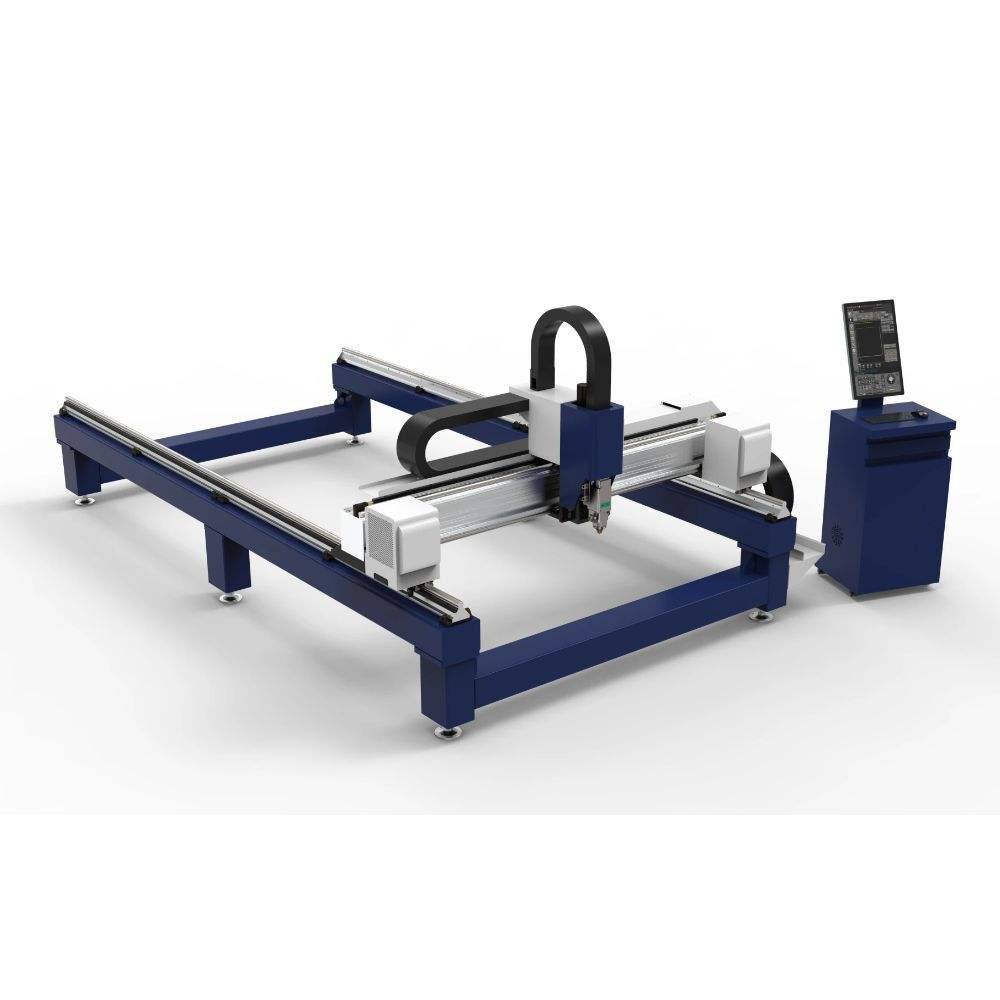
The Industrial Context: 4kW Fiber laser cutting in Monterrey
Monterrey, Nuevo León, stands as the industrial heart of Mexico, hosting a dense ecosystem of automotive, aerospace, and heavy machinery manufacturers. In this competitive landscape, the adoption of fiber laser technology has transitioned from a luxury to a fundamental necessity for survival. Specifically, the 4kW sheet metal laser cutting system has emerged as the “sweet spot” for local fabricators. This power level offers an optimal balance between capital investment and the ability to process the most common gauges of carbon steel used in regional manufacturing chains.
The shift toward fiber laser cutting in Monterrey is driven by the need for high-speed processing and precision that traditional plasma or CO2 systems cannot match. A 4kW fiber laser provides the beam intensity required to penetrate thick carbon steel plates while maintaining the agility to intricate parts in thinner gauges. This guide explores the technical nuances, operational strategies, and environmental considerations for maximizing the performance of a 4kW laser cutting system within the unique industrial climate of Northern Mexico.

Technical Specifications of the 4kW Fiber Source
A 4kW fiber laser operates at a wavelength of approximately 1.06 microns. This wavelength is significantly more efficient for metal absorption compared to the 10.6 microns of traditional CO2 lasers. For carbon steel, this means the energy is concentrated into a smaller spot size, creating a high-energy density that facilitates rapid melting and vaporization. In a 4kW configuration, the system typically utilizes a multi-module fiber source, ensuring stability and redundancy. If one module fails, the system can often continue to operate at a reduced power, a critical feature for Monterrey’s high-uptime production environments.
The beam quality, often measured by the M2 factor, is paramount. For 4kW systems, the beam is optimized for both thin-sheet speed and thick-plate penetration. When laser cutting carbon steel, the 4kW power level allows for efficient processing of materials ranging from 0.5mm up to 22mm, though the “production” sweet spot is generally considered to be up to 16mm (5/8″). Beyond this, while cutting is possible, the speed and edge quality may require more specialized gas delivery and nozzle configurations.
Carbon Steel Characteristics and Laser Interaction
Carbon steel is the backbone of Monterrey’s construction and automotive sectors. Common grades such as A36, 1018, and 1045 are frequently processed. The laser cutting of carbon steel relies heavily on an exothermic reaction between the iron in the steel and the assist gas—typically Oxygen (O2). When the 4kW laser beam melts the surface, the oxygen stream ignites the molten metal, providing additional thermal energy that accelerates the cutting process. This is fundamentally different from cutting stainless steel or aluminum, where the gas is used primarily to blow away the melt without a chemical reaction.
The carbon content in the steel significantly affects the laser cutting quality. Higher carbon levels can lead to a more brittle heat-affected zone (HAZ) and may require adjustments in the pulse frequency and duty cycle of the laser. In Monterrey, where steel is often sourced from local mills like Ternium, consistency in material composition is generally high, but variations in surface scale and oil can still impact the initial pierce and subsequent cut stability.
Operational Parameters for Carbon Steel
To achieve high-quality results with a 4kW system, several parameters must be synchronized. The focus position is perhaps the most critical variable. For carbon steel cutting with oxygen, the focus is usually kept at or slightly above the material surface to create a wider kerf, which allows the oxygen to flow more effectively into the cut and clear out the dross. Conversely, if nitrogen is used for high-speed cutting of thin carbon steel, the focus is moved deeper into the material.
Feed rates for a 4kW laser on 6mm carbon steel can reach speeds of 3.5 to 4.0 meters per minute when using oxygen. As the thickness increases to 12mm, the speed drops to approximately 1.2 to 1.5 meters per minute. The nozzle selection also plays a vital role; double-layer nozzles are typically preferred for carbon steel oxygen cutting to stabilize the gas flow and prevent turbulence that could lead to a rough edge finish or “striations.”
Assist Gas Dynamics: Oxygen vs. Nitrogen
While oxygen is the traditional choice for laser cutting carbon steel due to its ability to process thick plates at lower power levels, nitrogen is increasingly used for thinner sections (up to 4mm or 6mm) with a 4kW source. Nitrogen cutting, also known as fusion cutting, produces a clean, oxide-free edge. This is particularly valuable for Monterrey’s appliance and automotive tiers, where parts must be painted or powder-coated immediately after cutting. An oxidized edge from oxygen cutting requires mechanical cleaning (grinding) before paint will adhere properly, adding labor costs and time.
However, nitrogen cutting requires significantly higher pressures (up to 20 bar) and consumes more gas, which increases the cost per part. A 4kW laser provides enough power to make nitrogen cutting of carbon steel economically viable for high-volume jobs where secondary finishing costs would otherwise be prohibitive. Fabricators in Monterrey must balance the cost of gas against the labor savings in the finishing department.
Environmental Challenges in Monterrey
Operating a high-precision 4kW laser cutting machine in Monterrey presents specific environmental challenges. The region is known for extreme temperature fluctuations, with summer temperatures often exceeding 40°C. Fiber lasers are sensitive to heat; the laser source and the cutting head must be maintained within a strict temperature range to prevent thermal drift and component failure. This necessitates a high-capacity industrial chiller with precise temperature control (usually ±0.5°C or better).
Furthermore, Monterrey’s industrial atmosphere can be dusty. Fine particulate matter can settle on the protective windows of the laser head. If even a microscopic dust particle is hit by the 4kW beam, it can flash and burn the lens, leading to costly downtime. Shops must implement rigorous air filtration systems and maintain a pressurized, clean environment for the laser source to ensure longevity. Proper grounding and voltage stabilization are also essential, as the local power grid can experience surges during the peak summer cooling season.
The Role of Nesting and Software Optimization
In the high-output environment of Nuevo León, material utilization is key to profitability. Advanced nesting software is integral to the 4kW laser cutting workflow. By optimizing the arrangement of parts on a standard 5’x10′ or 6’x12′ sheet of carbon steel, fabricators can reduce scrap rates significantly. Modern software also manages “common line cutting,” where two parts share a single cut path, reducing the total time the laser is active and saving gas.
For a 4kW system, the software also handles “pierce management.” Piercing thick carbon steel (15mm+) can take several seconds and create significant splatter. Intelligent software uses “step piercing” or “zoom piercing” techniques, where the laser power and gas pressure are ramped up gradually. This protects the nozzle and optics from back-splatter and ensures a clean start for the cut, which is vital for maintaining tight tolerances in precision engineering components.
Maintenance and Preventive Care
A 4kW laser is a significant investment, and its ROI depends on uptime. Preventive maintenance schedules in Monterrey shops must be strictly followed. This includes daily cleaning of the nozzle and checking the protective window for signs of contamination. Weekly checks should include the chiller’s water quality—using deionized water and specialized additives to prevent algae growth and corrosion within the cooling circuit.
The beam alignment or “nozzle centering” must be verified at the start of every shift. Even a slight misalignment can result in an asymmetrical kerf, leading to parts that are out of tolerance on one side or have excessive dross. Because carbon steel cutting with oxygen is so sensitive to gas flow, any damage to the nozzle tip—no matter how small—can ruin the cut quality. Operators should be trained to recognize the sound of an unstable cut, which often precedes a “lost cut” or a collision with tipped-up parts.
Economic Impact and ROI for Local Shops
For a Monterrey-based job shop, the transition to a 4kW fiber laser cutting system typically results in a 3x to 5x increase in throughput compared to older CO2 technology. The lower electrical consumption of fiber technology—often 70% less than CO2—is a major factor in reducing operational overhead. Given the competitive nature of the “maquiladora” and Tier 1 supply chains in Mexico, the ability to offer faster turnaround times and higher precision allows local shops to secure more lucrative contracts.
The ROI is further accelerated when processing carbon steel because of the 4kW’s ability to handle a wide range of thicknesses. Instead of needing one machine for thin gauge and another for plate, the 4kW serves as a versatile workhorse. As Monterrey continues to grow as a global manufacturing hub, the integration of such high-efficiency laser cutting systems will remain the cornerstone of the region’s industrial prowess, providing the speed, accuracy, and reliability required for 21st-century fabrication.
Conclusion
Mastering 4kW sheet metal laser cutting for carbon steel requires a deep understanding of the interplay between laser physics, material science, and environmental management. In Monterrey, where the industrial stakes are high and the conditions can be demanding, fabricators who optimize their parameters, maintain their equipment diligently, and leverage the speed of fiber technology will lead the market. Whether cutting thin components for electrical enclosures or thick plates for heavy machinery, the 4kW fiber laser remains the definitive tool for carbon steel processing in the modern era.