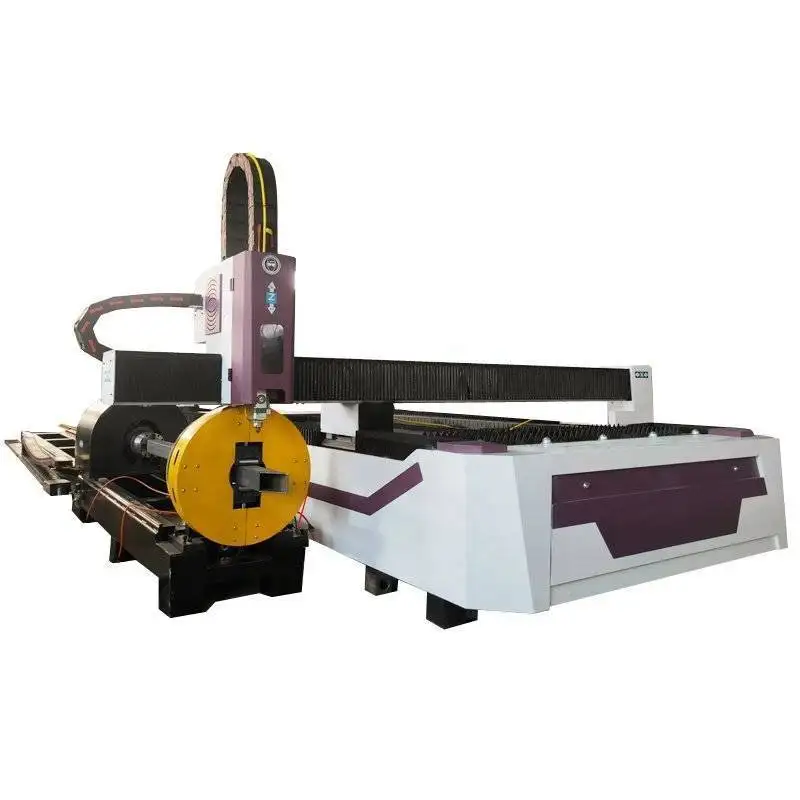
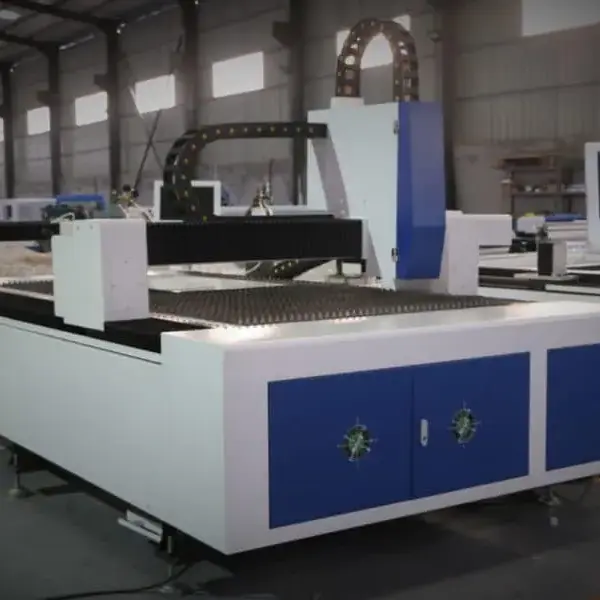
Optimizing 4kW Sheet Metal laser cutting for Brass: A Technical Guide for Toluca’s Manufacturing Sector
The industrial landscape of Toluca, State of Mexico, stands as a cornerstone of the nation’s manufacturing prowess. As a hub for automotive, aerospace, and electronics production, the demand for precision-engineered components has never been higher. Among the various materials processed in this region, brass remains one of the most challenging yet essential alloys. The introduction of 4kW fiber laser cutting technology has fundamentally altered the efficiency and quality benchmarks for brass fabrication. This guide explores the technical nuances, operational parameters, and environmental considerations for mastering 4kW laser cutting of brass within the specific context of Toluca’s industrial ecosystem.
The Physics of Fiber Laser Cutting in Brass
Brass, an alloy primarily composed of copper and zinc, presents unique challenges to traditional thermal cutting methods. Its high thermal conductivity and high reflectivity—especially in its molten state—require a laser source with specific characteristics. The 4kW fiber laser is particularly well-suited for this task. Unlike older CO2 laser technology, which operates at a wavelength of 10.6 micrometers, fiber lasers operate at approximately 1.07 micrometers. This shorter wavelength is much more readily absorbed by “yellow metals” like brass and copper.
At a 4kW power rating, the laser generates a power density sufficient to instantly vaporize the material, overcoming the initial reflective barrier. Once the “pierce” is established, the continuous wave of the fiber laser maintains a stable melt pool. However, engineers in Toluca must account for the zinc content in brass. Zinc has a significantly lower boiling point than copper, which can lead to micro-explosions or “sputtering” if the beam characteristics and assist gas pressures are not precisely calibrated. This necessitates a high-speed, high-pressure approach to ensure a clean kerf and minimal dross.
Power Density and Edge Quality
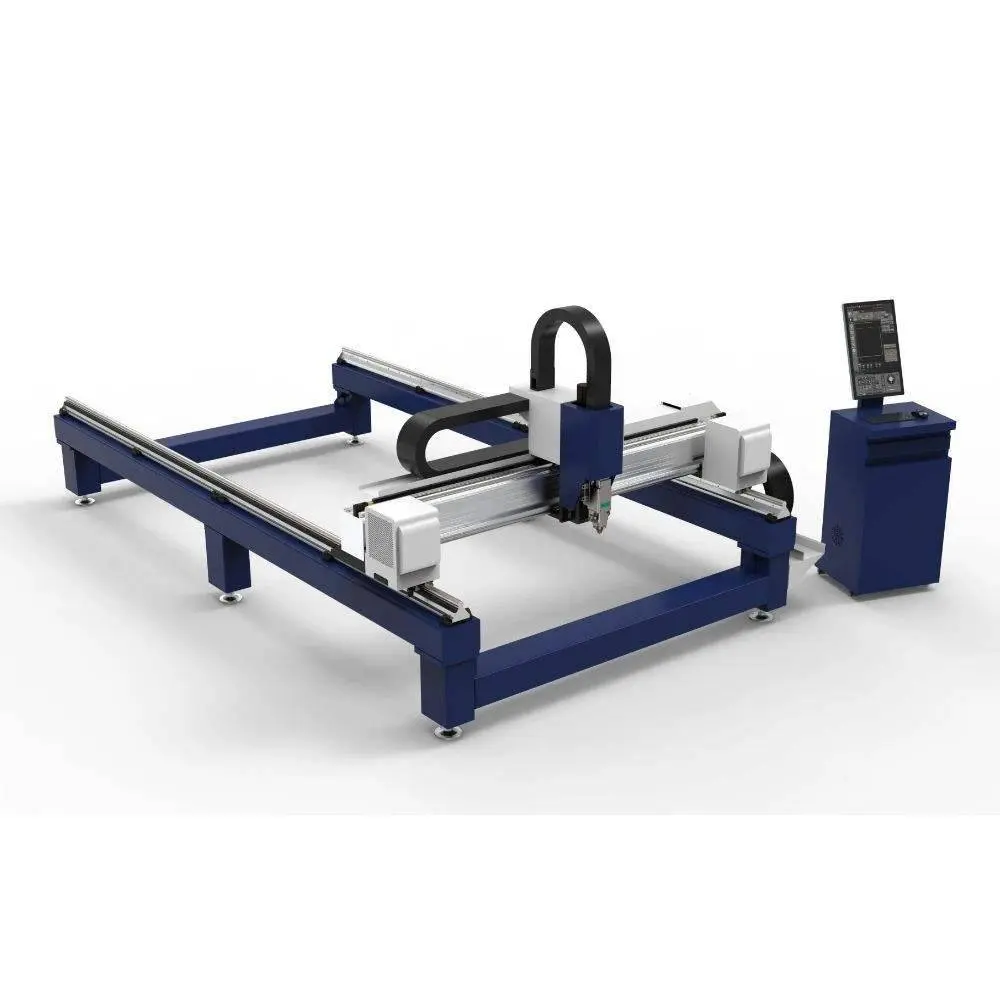
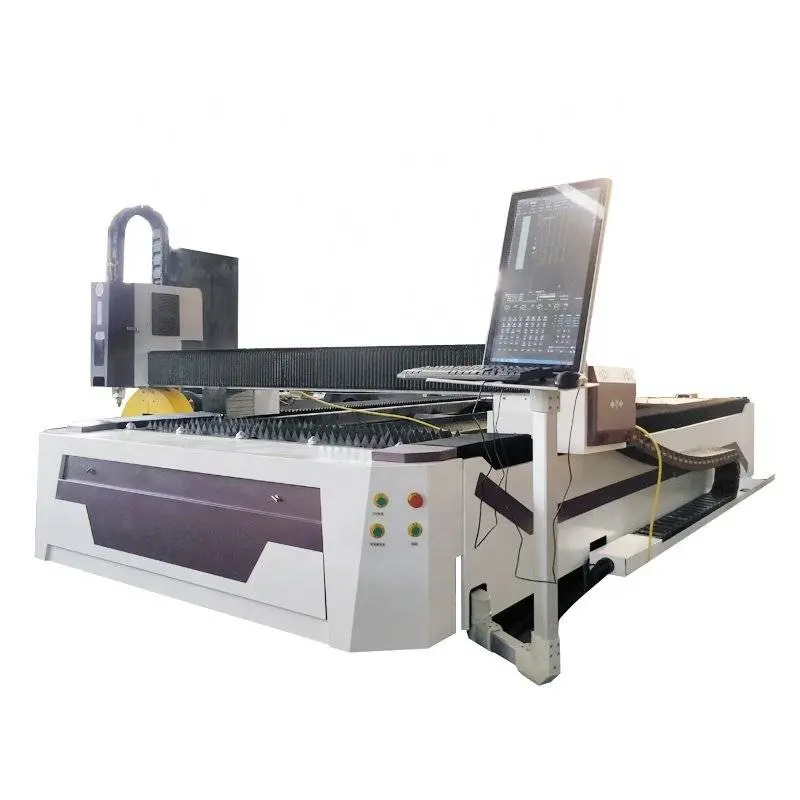
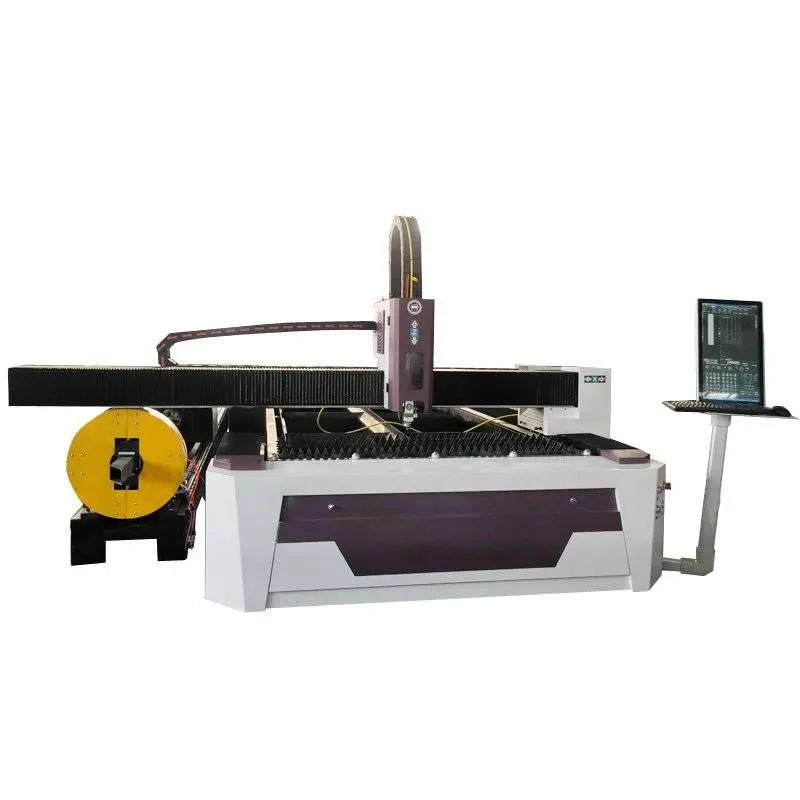
A 4kW system provides the optimal balance for sheet metal shops. While 2kW systems may struggle with thicknesses above 5mm, and 10kW+ systems might be overkill for standard decorative or electronic components, the 4kW laser cutting machine offers a “sweet spot.” It allows for high-speed processing of thin sheets (1mm to 3mm) while maintaining the capacity to cut up to 8mm or 10mm brass plate with acceptable edge perpendicularity. The focus of the 4kW beam must be tightly controlled; for brass, the focal point is typically set slightly below the surface of the material to ensure the energy is distributed through the thickness of the plate, preventing the laser from reflecting back into the cutting head optics.
Technical Parameters for Brass Fabrication in Toluca
Operating a 4kW laser cutting system in Toluca requires an understanding of the local environment. Toluca sits at an elevation of approximately 2,660 meters above sea level. This high altitude results in lower atmospheric pressure and lower air density, which can subtly affect the dynamics of the assist gas and the cooling efficiency of the laser’s chiller units. Engineers must compensate for these variables to maintain consistent production quality.
Assist Gas Selection: Nitrogen vs. Oxygen
For brass, the choice of assist gas is critical. Nitrogen (N2) is the industry standard for high-quality laser cutting of brass. By using high-pressure nitrogen (typically between 12 and 18 bar), the process relies on mechanical expulsion of the molten metal rather than an exothermic reaction. This prevents oxidation of the cut edge, leaving a bright, clean finish that often requires no secondary deburring or polishing—a major advantage for Toluca’s decorative hardware and electrical connector manufacturers.
Oxygen (O2) can be used for thicker brass plates to increase cutting speed through an exothermic reaction, but this results in a dark, oxidized edge. Furthermore, the use of oxygen increases the risk of “self-burning” in tight corners or intricate geometries. In the precision-heavy industries of Toluca, Nitrogen is almost always the preferred choice to ensure the integrity of the brass alloy’s properties.
Nozzle Selection and Stand-off Distance
The nozzle is the final point of contact between the machine and the process. For 4kW laser cutting of brass, double-layered nozzles are often recommended. These nozzles help stabilize the gas flow, reducing turbulence that could lead to “striations” or rough edges. A stand-off distance of 0.5mm to 1.0mm is generally maintained. In the thin-air environment of Toluca, maintaining a consistent stand-off is vital, as any deviation can lead to a loss of gas pressure density, allowing molten brass to adhere to the underside of the sheet (dross formation).
Addressing the Challenge of Back-Reflection
One of the primary concerns when laser cutting brass is back-reflection. Because brass is highly reflective, a portion of the laser energy can be reflected back up through the nozzle and into the delivery fiber, potentially damaging the laser source or the optical sensors. Modern 4kW fiber lasers are equipped with back-reflection isolators and “optical “sinks” that protect the resonator. However, operational best practices remain the first line of defense.
In Toluca’s workshops, operators are trained to avoid “stationary piercing” on highly polished brass. Instead, “fly-piercing” or “slanted piercing” techniques are used, where the cutting head is already in motion as the laser fires. This ensures that any reflected light is directed away from the vertical axis of the optics. Furthermore, using a 4kW power level provides enough “punch” to penetrate the surface quickly, reducing the window of time where the material is in a highly reflective, semi-molten state.
The Role of Software in Precision Cutting
Advanced nesting and CAD/CAM software play a pivotal role in the success of 4kW laser cutting operations. For brass, the software must manage “heat management” paths. Because brass conducts heat so efficiently, cutting many small features in a concentrated area can lead to “heat soak,” where the material expands and warps, or the cut quality degrades due to the elevated ambient temperature of the sheet. Toluca’s engineering teams utilize “leap-frog” cutting patterns, where the laser moves across different sections of the sheet to allow for localized cooling, ensuring dimensional stability across the entire workpiece.
Maintenance and Environmental Considerations in Toluca
The high-altitude climate of Toluca is characterized by significant temperature fluctuations between day and night, as well as varying humidity levels during the rainy season. For a 4kW fiber laser, these factors necessitate a rigorous maintenance schedule. The chiller unit, responsible for cooling the laser source and the cutting head, must be rated for the local altitude to ensure it can dissipate heat effectively in thinner air.
Optical Cleanliness
Brass cutting generates a specific type of fine dust and metallic vapor. If the extraction system is not optimized, this dust can settle on the protective window (cover glass) of the laser head. At 4kW, even a microscopic particle of brass dust on the lens can absorb enough energy to shatter the glass or damage the focus lens. Operators in Toluca must perform hourly inspections of the protective window and ensure that the dust collection systems are operating at peak CFM (cubic feet per minute) to clear the cutting zone of zinc oxide fumes.
Gas Purity
The quality of the nitrogen used in laser cutting cannot be overstated. For brass, a purity level of 99.99% (Grade 5.0) or higher is required. Impurities like oxygen or moisture in the gas line can cause discoloration of the brass edge. Many facilities in Toluca are moving toward on-site nitrogen generators with integrated dryers and filters to ensure a consistent, high-purity supply, mitigating the logistical challenges of high-pressure cylinder deliveries in the busy industrial zones.
Economic Impact for Toluca’s Fabricators
The transition to 4kW laser cutting technology represents a significant capital investment, but the Return on Investment (ROI) for Toluca-based companies is driven by three factors: speed, versatility, and material savings. Compared to traditional punching or waterjet cutting, the fiber laser is significantly faster, allowing shops to increase their throughput by 300% to 400% on brass components.
The narrow kerf width of the laser cutting process (typically 0.1mm to 0.2mm) allows for tighter nesting of parts. Given the high cost of brass as a raw material, reducing scrap by even 5% can result in thousands of dollars in monthly savings for a high-volume production line. Furthermore, the ability of a 4kW machine to switch seamlessly between brass, stainless steel, and aluminum makes it an incredibly versatile asset for the diverse contract manufacturing market in the State of Mexico.
Conclusion
Mastering 4kW sheet metal laser cutting for brass is a blend of high-level physics, precise parameter control, and an understanding of the local environment. For manufacturers in Toluca, this technology offers a path to global competitiveness. By optimizing gas pressures for the local altitude, implementing strict optical maintenance protocols, and leveraging the inherent advantages of the fiber laser’s wavelength, fabricators can produce brass components with unparalleled precision. As the automotive and electronics sectors continue to evolve, the 4kW fiber laser will remain the tool of choice for those looking to push the boundaries of what is possible with yellow metals in Mexico’s industrial heartland.