The Engineering Guide to 4kW Sheet Metal laser cutting of Brass in Guadalajara
The manufacturing landscape in Guadalajara, often referred to as the “Silicon Valley of Mexico,” has seen a significant shift toward high-precision fabrication. Among the various technologies driving this industrial evolution, the 4kW fiber laser cutting system stands out as a cornerstone for processing non-ferrous metals. Brass, an alloy of copper and zinc, presents unique challenges and opportunities for fabricators in Jalisco. This guide explores the technical nuances, operational parameters, and regional considerations for utilizing a 4kW sheet metal laser specifically for brass applications.
A 4kW fiber laser offers a versatile power range that balances speed, precision, and operational costs. While higher power levels exist, the 4kW threshold is particularly effective for the thicknesses commonly found in Guadalajara’s electronics, decorative hardware, and automotive sectors. Understanding the physics of how a fiber laser interacts with reflective materials like brass is essential for achieving high-quality results and maintaining equipment longevity.
Understanding the Fiber Laser Advantage for Brass
Historically, laser cutting brass was a significant challenge for traditional CO2 lasers. The high reflectivity of brass meant that a large portion of the laser energy was bounced back into the optics, often causing catastrophic damage to the machine. The advent of fiber laser technology changed this dynamic. Fiber lasers operate at a wavelength of approximately 1.06 microns, which is much more readily absorbed by yellow metals compared to the 10.6 microns of a CO2 laser.
With a 4kW power source, the energy density is sufficient to overcome the initial reflectivity of brass, creating a stable “keyhole” during the laser cutting process. Once the material is molten, its reflectivity drops significantly, allowing the beam to penetrate and move through the sheet with high efficiency. In Guadalajara’s competitive manufacturing environment, the ability to process brass without the risk of back-reflection damage is a critical competitive advantage.
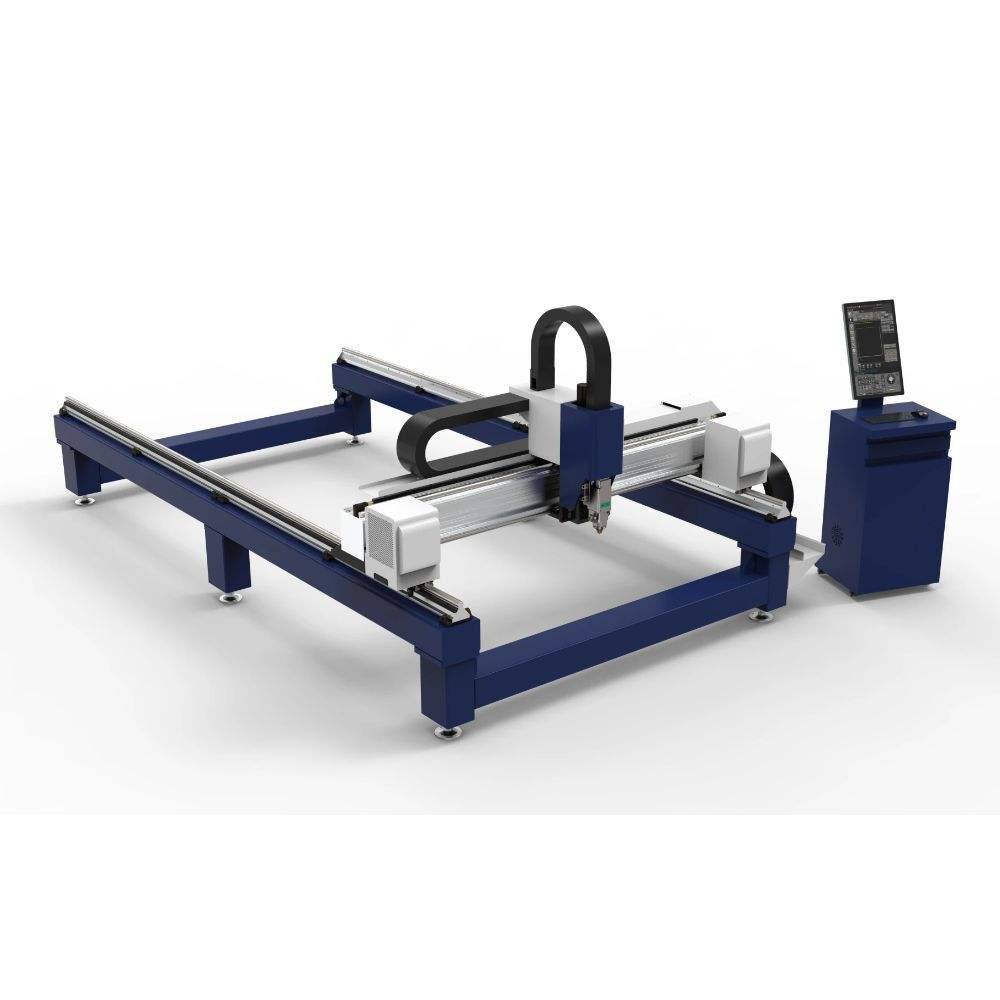
 laser cutting machine for Sheet Metal” style=”max-width: 100%; height: auto; margin: 20px 0;”>
Technical Parameters for 4kW Brass Cutting
Achieving a clean, burr-free edge on brass requires precise control over several variables. When operating a 4kW system, the following parameters are fundamental:
1. Assist Gas Selection: For brass, nitrogen (N2) is the preferred assist gas. It acts as a mechanical force to eject molten metal from the kerf while preventing oxidation. Using high-pressure nitrogen ensures a “bright” cut edge, which is often required for decorative or electrical components. While oxygen can be used for thicker sections, it results in a darker, oxidized edge that usually requires secondary finishing.
2. Nozzle Configuration: A double-layer nozzle is typically employed for brass laser cutting. The nozzle diameter usually ranges from 1.5mm to 3.0mm depending on the sheet thickness. Proper centering of the nozzle is paramount; even a slight misalignment can lead to asymmetrical dross or inconsistent cut quality across the X and Y axes.
3. Focal Point Position: Unlike carbon steel, where the focus is often on the surface or slightly above, brass cutting with a 4kW laser generally requires a negative focus (below the surface of the material). This helps in widening the kerf slightly at the bottom, facilitating the efficient removal of the molten alloy by the assist gas.
Overcoming the Challenge of Reflectivity
Even with fiber technology, brass remains a “yellow metal” with high thermal conductivity. This means heat dissipates quickly from the cut zone into the surrounding material. In a 4kW system, the power must be delivered with high intensity to maintain a consistent melt pool. Modern machines used in Guadalajara are equipped with “back-reflection protection” sensors. These sensors monitor the light returning through the delivery fiber and will shut down the beam in microseconds if a dangerous level of reflected light is detected.
To further mitigate reflection issues, engineers often recommend “piercing on the fly” or using specialized piercing cycles that involve ramping the power. This ensures that the laser breaks the surface reflectivity before the machine begins its high-speed traverse. For Guadalajara shops working with mirror-finish brass, applying a thin layer of laser-safe film or a specialized spray can also help in stabilizing the initial beam absorption.
Guadalajara’s Industrial Context and Material Sourcing
Guadalajara is a hub for diverse industries, ranging from aerospace components in El Salto to high-end lighting fixtures in Zapopan. The demand for brass laser cutting is driven largely by the electronics sector, where brass is used for connectors, busbars, and shielding due to its excellent electrical conductivity. Additionally, the region’s strong tradition in jewelry and architectural hardware creates a steady demand for intricate brass silhouettes.
The local climate in Guadalajara, characterized by moderate temperatures but fluctuating humidity during the rainy season, necessitates robust chiller systems for 4kW lasers. Maintaining a consistent temperature for both the laser source and the cutting head optics is vital to prevent condensation and ensure beam stability. Furthermore, sourcing high-quality brass alloy (such as C260 or C360) from reliable local distributors ensures that the material has a consistent grain structure, which is vital for repeatable laser cutting results.
Optimizing Cutting Speeds and Edge Quality
With 4kW of power, typical cutting speeds for brass are impressive. For a 1mm brass sheet, speeds can exceed 30 meters per minute, while 5mm plate can be processed at approximately 2 to 3 meters per minute. However, speed must be balanced against edge quality. If the speed is too high, dross (hardened melt) will adhere to the bottom of the cut. If it is too low, the high thermal conductivity of the brass will cause the kerf to widen excessively, potentially damaging small details.
Engineers in Guadalajara often utilize “cornering logic” in their CNC software. This reduces the laser power and adjusts the gas pressure automatically as the cutting head slows down for sharp angles. This prevents over-burning at the corners, which is a common issue with highly conductive metals like brass. Achieving a “mirror” edge on a 3mm brass part is a hallmark of a well-tuned 4kW laser cutting process.
Maintenance Protocols for High-Power Fiber Lasers
Maintenance is the bedrock of operational efficiency in any Guadalajara-based fabrication shop. For a 4kW system cutting brass, specific attention must be paid to the protective windows (cover slips). Brass cutting produces a fine metallic dust and occasional “spatter” during the piercing phase. If this dust settles on the protective window, the 4kW beam will heat the contaminant, leading to thermal lensing or the cracking of the glass.
Daily inspections of the optics and the cleaning of the nozzle are mandatory. Additionally, the nitrogen gas delivery system must be kept free of contaminants. Even trace amounts of oil or moisture in the gas line can lead to blackening of the brass edge or inconsistent beam focus. For shops running multi-shift operations in Jalisco, implementing a scheduled maintenance program for the chiller’s deionized water and the air filtration system is essential to avoid unplanned downtime.
Safety Considerations for 4kW Laser Operations
The safety requirements for a 4kW fiber laser are stringent. The 1.06-micron wavelength is invisible to the human eye and can cause permanent retinal damage even from a reflected beam. All laser cutting machines must be fully enclosed in a Class 1 laser-safe housing. In Guadalajara, compliance with international safety standards (such as ANSI or CE) is increasingly important as local firms compete for global contracts.
Operators must be trained to never override safety interlocks and to wear appropriate laser safety eyewear when performing maintenance on an open beam path. Furthermore, the fumes generated from laser cutting brass contain zinc oxide. High-efficiency dust collection and filtration systems are necessary to protect the health of the workforce and to comply with Mexican environmental regulations (SEMARNAT). Proper ventilation ensures that the “white smoke” typical of brass processing is effectively removed from the work area.
Future Trends in Brass Fabrication in Jalisco
As Guadalajara continues to attract investment in the electric vehicle (EV) and renewable energy sectors, the role of brass and copper laser cutting will only grow. The 4kW fiber laser remains the “workhorse” for these industries, providing the perfect balance of power and precision. We are seeing an increase in the adoption of automated loading and unloading systems, allowing Guadalajara shops to run “lights-out” production for high-volume brass components.
Furthermore, the integration of AI-driven nesting software is helping local manufacturers reduce material waste—a critical factor given the high cost of brass compared to stainless or carbon steel. By optimizing the layout of parts on a sheet, fabricators can maximize their margins and offer more competitive pricing in the North American market.
Conclusion
The 4kW sheet metal laser has revolutionized the way brass is processed in Guadalajara. By mastering the technical requirements of assist gas pressure, focal positioning, and reflectivity management, local engineers are producing world-class components for a variety of high-tech industries. As the region’s manufacturing capabilities continue to mature, the precision offered by fiber laser cutting will remain a vital asset for any facility looking to excel in the fabrication of non-ferrous alloys. Success lies in the combination of robust technology, meticulous maintenance, and a deep understanding of the unique metallurgical properties of brass.