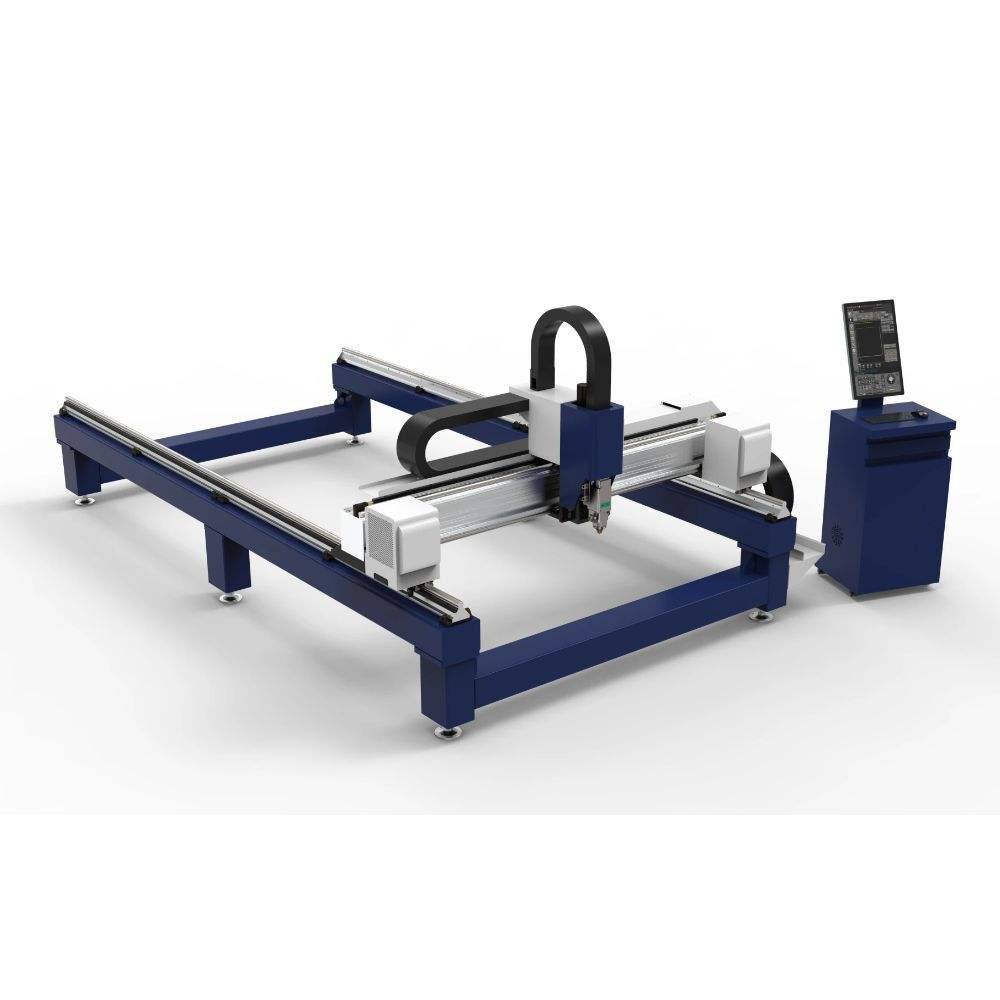
Introduction to 4kW Sheet Metal laser cutting in Leon
The industrial landscape of Leon has seen a significant transformation with the integration of high-power fiber laser technology. As a hub for automotive and aerospace manufacturing, the demand for precision-engineered aluminum components has never been higher. The 4kW sheet metal laser has emerged as the industry standard for balancing throughput, edge quality, and operational cost. This guide explores the technical nuances of utilizing a 4kW fiber laser specifically for aluminum alloys, providing engineers and shop managers in Leon with the insights needed to optimize their production lines.
Laser cutting technology has evolved from the traditional CO2 systems to high-efficiency fiber lasers. For aluminum, a material known for its high reflectivity and thermal conductivity, the 1.06-micron wavelength of a fiber laser is far more effective than the 10.6-micron wavelength of CO2. A 4kW power rating provides sufficient energy density to overcome the initial reflectivity of aluminum, allowing for high-speed processing of sheets ranging from 1mm to 12mm in thickness.

The Physics of Fiber Laser Interaction with Aluminum
Aluminum alloys present unique challenges in laser cutting. Unlike carbon steel, which reacts exothermically with oxygen to assist the cutting process, aluminum requires raw laser power and precise gas dynamics to achieve a clean melt. The 4kW power level is particularly advantageous because it allows for “high-speed vaporization” at the piercing point, reducing the risk of back-reflection which can damage the laser source.
In Leon’s competitive manufacturing sector, understanding the “threshold of absorption” is critical. When the 4kW beam hits the aluminum surface, a portion of the energy is reflected. However, as the material heats up, its absorption rate increases. The high power density of a 4kW system ensures that this transition happens almost instantaneously, resulting in a stable keyhole and a consistent kerf width.
Aluminum Alloy Series and Their Processability
Not all aluminum is created equal. In the context of 4kW laser cutting, the alloying elements significantly influence the machine’s performance. In Leon, the most common series processed are the 1000, 3000, 5000, and 6000 series.
The 5000 and 6000 Series: Industry Workhorses
The 5000 series (Magnesium-based) and 6000 series (Silicon and Magnesium-based) are staples in structural applications. The 6061-T6 alloy, for instance, is widely used in Leon for automotive frames. When cutting these alloys with a 4kW laser, the presence of magnesium helps in reducing the reflectivity, allowing for faster feed rates. However, these alloys are more prone to dross (slag) formation on the bottom edge if the assist gas pressure is not perfectly calibrated.
Handling High-Reflectivity Alloys (1000 and 3000 Series)
Pure aluminum (1000 series) is the most difficult to cut due to its extreme reflectivity and high thermal conductivity. A 4kW laser is often the minimum recommended power for these materials at thicknesses exceeding 3mm. To prevent damage to the optical fiber, modern machines used in Leon utilize back-reflection isolation technology, which diverts reflected light into a cooling block.
Optimizing Parameters for 4kW Laser Cutting
Achieving a burr-free finish on aluminum requires a delicate balance of power, speed, focal position, and gas pressure. For a 4kW system, the following parameters are generally considered the starting point for optimization.
Power and Feed Rate Calibration
For a 3mm aluminum sheet, a 4kW laser can typically achieve cutting speeds of 15-20 meters per minute. While it is tempting to run at 100% power, many operators in Leon find that running at 85-90% (approx. 3.4kW to 3.6kW) extends the life of the protective windows and nozzles while maintaining 95% of the maximum speed. The goal is to maintain a stable plasma cloud within the kerf without allowing heat to build up in the surrounding material.
Focal Position and Beam Geometry
Unlike cutting mild steel where the focus is often on the surface, aluminum laser cutting requires a “negative focus.” This means the focal point of the beam is positioned inside the material, usually about 1/3rd to 1/2 of the way through the thickness. This creates a wider kerf at the bottom, which facilitates the ejection of the molten aluminum by the assist gas.
The Role of Assist Gases: Nitrogen vs. Oxygen vs. Compressed Air
The choice of assist gas is perhaps the most significant factor in the quality of the cut edge. In Leon’s industrial workshops, Nitrogen is the preferred choice for high-end aluminum fabrication.
Nitrogen: The Clean Cut Standard
Nitrogen is used as a shielding gas to prevent oxidation. Since aluminum oxidizes rapidly at high temperatures, using oxygen would result in a heavily scaled, brittle edge. Nitrogen at high pressures (15-20 bar) mechanically blows the molten metal out of the kerf, leaving a bright, weld-ready finish. For 4kW systems, the high flow rate of nitrogen also provides a cooling effect, preventing the “meltdown” of small features or sharp corners.
Compressed Air: The Cost-Effective Alternative
For non-critical components, many facilities in Leon are switching to high-pressure compressed air (filtered and dried). While the edge will have a slight oxide layer, the 4kW laser has enough energy to maintain speed. This significantly reduces the cost per part, as nitrogen consumption can account for up to 40% of the hourly operating cost of a laser cutting machine.
Technical Challenges: Managing the Heat Affected Zone (HAZ)
Aluminum’s high thermal conductivity means that heat spreads rapidly from the cut line. In a 4kW laser cutting process, the speed of the cut is the primary defense against a large Heat Affected Zone. By moving quickly, the laser deposits less total energy into the part. This is crucial for Leon-based aerospace suppliers who must adhere to strict metallurgical standards regarding material tempering and grain structure near the cut edge.
Nozzle Selection and Maintenance
The nozzle is the final point of contact for both the laser beam and the assist gas. For aluminum, “double nozzles” or “chrome-plated nozzles” are often used to prevent molten splatter from adhering to the tip. A 4kW laser generates significant heat at the nozzle, so ensuring the cooling circuit is functional and the nozzle is centered is vital for maintaining a consistent beam profile.
Maintenance and Longevity of 4kW Fiber Lasers in Leon
The environmental conditions in Leon, including temperature fluctuations and industrial dust, necessitate a rigorous maintenance schedule for sheet metal lasers. A 4kW fiber laser is a precision instrument that requires a clean environment to function at peak efficiency.
Chiller Stability
The fiber source and the cutting head generate substantial heat. A 4kW laser requires a dual-circuit chiller that can maintain temperature stability within ±0.5°C. If the chiller fails to regulate the temperature, the beam wavelength can shift slightly, leading to “thermal lensing,” where the focal point drifts during long production runs, resulting in inconsistent cut quality.
Optical Path Integrity
The protective window (cover glass) is the most frequently replaced consumable. In aluminum laser cutting, the high-pressure gas and the metal’s tendency to “spit” during piercing can contaminate the glass. Operators should inspect the window every 4-8 hours of operation. Even a microscopic speck of dust can absorb enough 4kW energy to crack the glass or damage the focusing lens.
The Future of Laser Cutting in Leon’s Industrial Sector
As Leon continues to position itself as a leader in advanced manufacturing, the adoption of 4kW and higher power lasers will only accelerate. The ability to process aluminum alloys with high precision allows local manufacturers to compete on a global scale, offering shorter lead times and higher quality than traditional mechanical punching or waterjet cutting.
Automation and Industry 4.0
Modern 4kW laser cutting systems are increasingly integrated with automated loading and unloading systems. In Leon, factories are moving toward “lights-out” manufacturing, where nesting software optimizes material usage and the laser operates autonomously through the night. The stability of the 4kW fiber source makes it ideal for these long-duration, unmanned shifts.
Conclusion
Mastering the 4kW sheet metal laser for aluminum alloys requires a combination of technical knowledge and practical experience. By understanding the interaction between the fiber laser beam and the specific properties of aluminum, manufacturers in Leon can achieve unparalleled levels of productivity. Whether it is through optimizing assist gas pressures or implementing rigorous maintenance protocols, the 4kW laser remains the cornerstone of modern aluminum fabrication, providing the speed, precision, and reliability required for the next generation of industrial excellence.