
Optimizing Stainless Steel Fabrication: The 4kW Precision Laser System
In the heart of Mexico’s industrial corridor, Puebla has emerged as a cornerstone for advanced manufacturing, particularly within the automotive, aerospace, and food processing sectors. Central to this evolution is the adoption of high-power fiber laser technology. The 4kW precision laser system represents a critical equilibrium between power, speed, and cost-efficiency, specifically when processing stainless steel. This guide explores the technical parameters, material interactions, and strategic advantages of deploying 4kW laser cutting solutions in the Puebla region.
The Engineering Logic Behind 4kW Power
For many years, the industry standard for thin-to-medium gauge metal fabrication fluctuated between 2kW and 3kW. However, the shift toward 4kW systems has been driven by the requirement for higher throughput without compromising the structural integrity of the workpiece. A 4kW fiber laser operates at a wavelength of approximately 1.07 microns, which is more readily absorbed by stainless steel compared to the 10.6-micron wavelength of traditional CO2 lasers.
This increased absorption rate allows for a significantly higher energy density at the focal point. In practical terms, for a fabrication shop in Puebla, this means the ability to process 304 or 316-grade stainless steel up to 12mm with high precision, and up to 20mm for structural applications. The 4kW threshold is often considered the “sweet spot” for job shops that require versatility across a wide range of thicknesses while maintaining low operational overhead.

Stainless Steel Dynamics in Laser Cutting
Stainless steel is prized for its corrosion resistance and aesthetic appeal, but it presents unique challenges during the laser cutting process. Unlike carbon steel, which relies on an exothermic reaction with oxygen to facilitate the cut, stainless steel is typically cut using high-pressure nitrogen. This is known as fusion cutting.
The role of nitrogen is twofold: it acts as a mechanical force to eject the molten material from the kerf and provides an inert atmosphere that prevents oxidation. For manufacturers in Puebla’s food and beverage equipment sector, maintaining a “bright” or oxide-free edge is non-negotiable. An oxidized edge not only compromises the visual quality but also creates a site for potential corrosion and bacterial growth, failing to meet strict sanitary standards. A 4kW system provides sufficient beam intensity to maintain high feed rates using nitrogen, ensuring that the heat-affected zone (HAZ) remains minimal and the metallurgical properties of the stainless steel are preserved.
Strategic Implementation in the Puebla Industrial Sector
Puebla’s economy is heavily influenced by the presence of major automotive OEMs and their Tier 1 and Tier 2 suppliers. In this high-stakes environment, precision is measured in microns and downtime is measured in thousands of dollars per minute. The integration of a 4kW laser cutting system offers a competitive edge through several key factors.
Precision and Repeatability
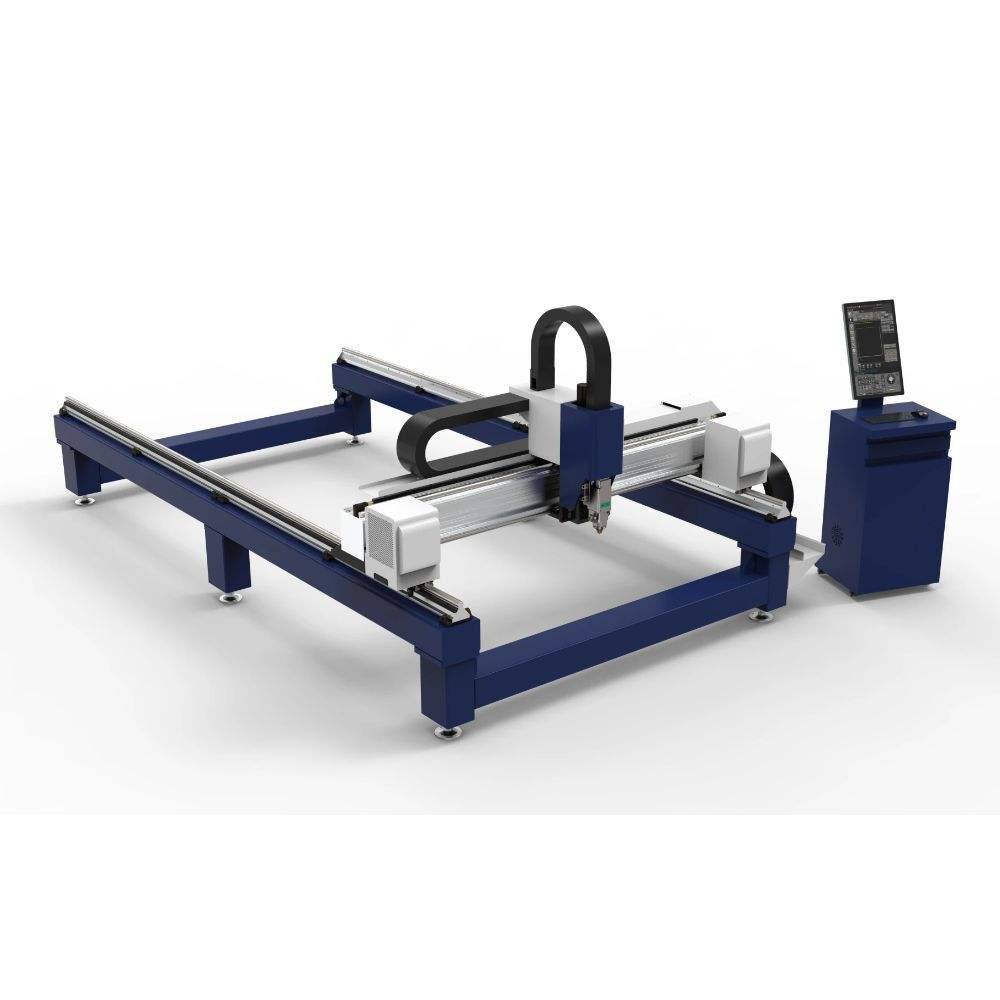
The mechanical architecture of a modern 4kW system—often featuring a gantry-style design with high-precision linear motors—allows for positioning accuracies within ±0.03mm. In the context of Puebla’s automotive supply chain, where components must interface perfectly with robotic assembly lines, this level of repeatability is essential. Whether cutting intricate brackets, exhaust components, or decorative trim, the fiber laser ensures that the first part is identical to the ten-thousandth.
Throughput and Economic Efficiency
When comparing a 4kW system to a 2kW system, the cutting speed on 6mm stainless steel can be more than double. This increase in speed directly translates to a lower cost-per-part. For local manufacturers, this efficiency allows them to compete with international suppliers by reducing lead times and optimizing material utilization through advanced nesting software. Furthermore, the solid-state nature of fiber laser sources means there are no internal moving parts or mirrors to align, drastically reducing maintenance costs compared to older technologies.
Adaptability to Complex Geometries
Modern laser cutting heads are equipped with sophisticated sensors that monitor the distance between the nozzle and the workpiece in real-time. This is particularly important when working with stainless steel sheets that may have slight internal stresses or warping. The 4kW system’s ability to adjust its focus dynamically ensures a consistent kerf width even when traversing complex geometries or high-density nests. This capability is vital for the architectural and textile machinery industries in Puebla, where intricate patterns and high-quality finishes are frequently required.
Technical Parameters for Optimal Performance
To achieve the best results with a 4kW laser cutting system on stainless steel, engineers must fine-tune several critical variables. These parameters are the difference between a high-quality component and a piece of scrap metal.
Nozzle Selection and Alignment
The nozzle dictates the flow characteristics of the assist gas. For stainless steel, double nozzles are often used to stabilize the nitrogen flow and protect the protective window of the laser head from back-splash. Perfect alignment of the beam through the center of the nozzle is paramount; even a slight deviation can lead to dross formation on one side of the cut or an angled edge profile.
Focus Position and Beam Diameter
Unlike cutting carbon steel, where the focus is often at or above the surface, stainless steel fusion cutting typically requires the focus to be positioned deep within the material or even near the bottom of the plate. This allows the beam to create a wider kerf at the bottom, facilitating the efficient removal of molten metal by the high-pressure nitrogen. A 4kW system provides the “headroom” to adjust beam diameter and focus position to find the ideal balance for various stainless grades.
Frequency and Duty Cycle
In precision laser cutting, the laser is not always a continuous beam. By pulsing the laser at high frequencies, operators can control the heat input more effectively, which is critical when cutting sharp corners or small holes in thick stainless steel. Managing the duty cycle prevents the material from overheating, which would otherwise lead to “self-burning” or rounded corners where sharp angles were intended.
Maintenance and Longevity in the Puebla Environment
Puebla’s climate and industrial environment require specific considerations for machine longevity. While fiber lasers are robust, they are not “maintenance-free.”
Chiller Calibration and Water Quality
A 4kW laser generates significant heat within the laser source and the cutting head. A dual-circuit chiller is required to maintain precise temperature control. In regions like Puebla, where water hardness can vary, using deionized water and specialized additives is necessary to prevent scale buildup within the cooling channels. Overheating is the primary cause of premature diode failure in fiber lasers.
Optical Cleanliness
The “business end” of the laser—the cutting head—contains sensitive optics that must remain pristine. Even a microscopic speck of dust can absorb the 4kW beam’s energy, leading to thermal deformation or the total destruction of the lens. Implementing a positive-pressure filtration system within the laser room can significantly extend the life of these components.
Gas Purity
The quality of the nitrogen used in the laser cutting process is critical. For high-end stainless steel work, nitrogen purity should be 99.99% or higher (Grade 5.0). Impurities like oxygen or moisture can cause discoloration of the cut edge. Many facilities in Puebla are now investing in on-site nitrogen generators to ensure consistent purity and reduce the logistical costs of cylinder handling.
Conclusion: The Future of Fabrication in Puebla
The adoption of 4kW precision laser systems is more than a technological upgrade; it is a strategic necessity for the manufacturing community in Puebla. As global supply chains continue to localize, the ability to produce high-precision stainless steel components with speed and consistency will define the success of regional fabricators. By mastering the nuances of laser cutting—from gas dynamics to optical maintenance—Puebla’s industrial sector is well-positioned to remain a leader in the global manufacturing landscape. The 4kW fiber laser stands as the primary tool in this endeavor, offering a blend of power and precision that turns raw stainless steel into the high-performance components of tomorrow.
















