
Introduction to 4kW Precision Laser System Technology
In the evolving landscape of industrial manufacturing, the 4kW precision laser system has emerged as a definitive standard for high-performance fabrication. Particularly in the industrial corridors of Leon, Guanajuato, where the automotive, aerospace, and specialized machinery sectors converge, the integration of 4kW fiber laser technology has revolutionized how stainless steel is processed. This power level represents a strategic “sweet spot,” offering a perfect equilibrium between high-speed processing of thin-gauge materials and the robust capability required for thicker structural plates.
The transition from traditional CO2 systems to fiber laser cutting technology has been driven by the need for greater electrical efficiency and superior beam quality. A 4kW system utilizes solid-state fiber laser sources to generate a beam with a wavelength of approximately 1.07 microns. This shorter wavelength is more readily absorbed by metals, particularly stainless steel, resulting in faster cutting speeds and a significantly reduced heat-affected zone (HAZ). For manufacturers in Leon, this translates to higher throughput and lower post-processing costs, as the edges produced are often weld-ready or finished-product quality straight from the machine bed.
Technical Specifications and Beam Dynamics
The Fiber Laser Advantage
The 4kW fiber laser source is engineered for stability and precision. Unlike gas lasers, fiber lasers use a doped optical fiber as the gain medium. This design eliminates the need for complex internal mirrors and beam alignment procedures, which are common failure points in older systems. The beam is delivered via a flexible fiber optic cable directly to the cutting head, ensuring that the power remains consistent regardless of the cutting head’s position on the gantry. This consistency is vital for maintaining tight tolerances—often within ±0.05mm—across large-format stainless steel sheets.
Power Density and Kerf Control
At 4kW, the power density focused on the material surface is immense. This allows for a narrow kerf (the width of the cut), which minimizes material waste and enables the nesting of complex geometries. When processing stainless steel, the ability to maintain a stable keyhole—the vaporized column of metal created by the laser—is essential. The 4kW threshold provides enough energy to maintain this keyhole even at high traverse speeds, preventing the formation of dross (slag) on the underside of the workpiece.
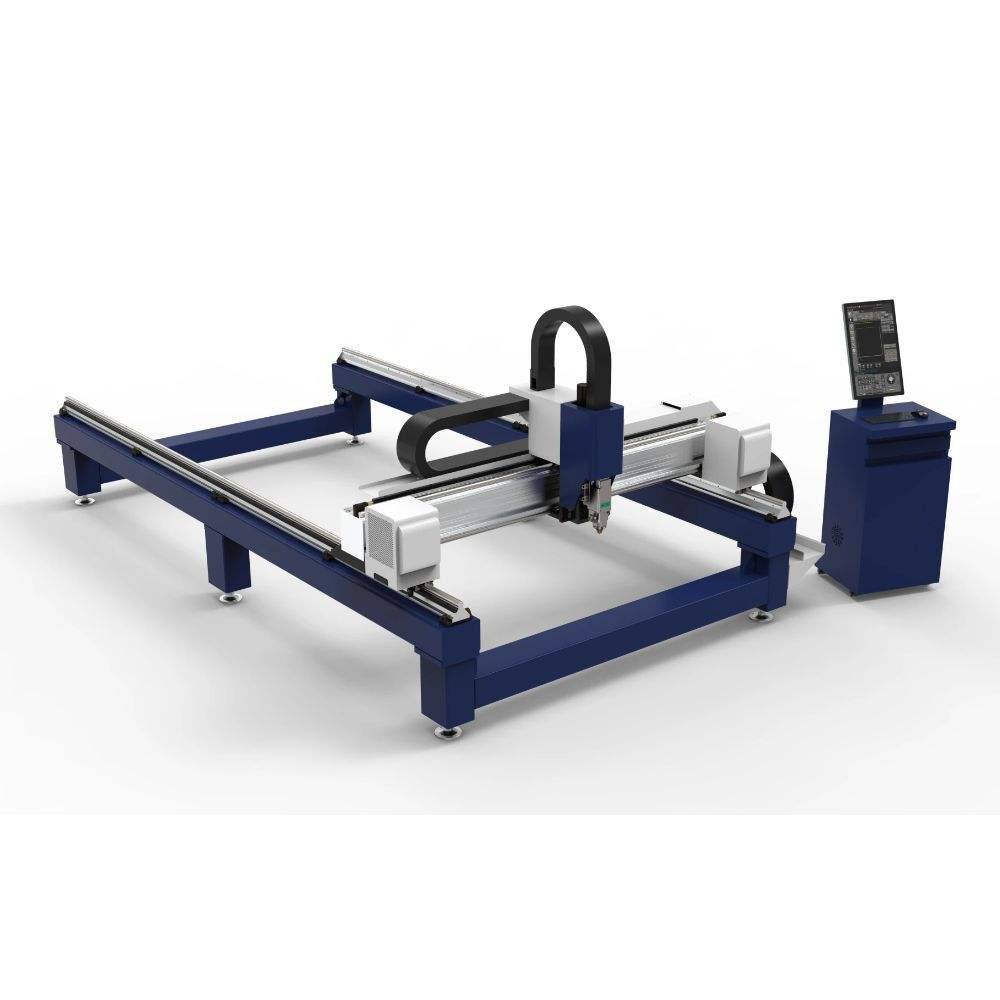
 laser cutting machine” style=”max-width: 100%; height: auto; margin: 20px 0;”>
Optimizing Stainless Steel Processing in Leon
Material Grades and Laser Interaction
The industrial sector in Leon frequently utilizes various grades of stainless steel, most notably 304 and 316 grades for food processing equipment, automotive exhaust systems, and architectural fixtures. Stainless steel’s high chromium content and thermal conductivity require specific laser parameters to achieve a clean cut. A 4kW system provides the necessary irradiance to overcome the reflective nature of polished stainless steel, which can be problematic for lower-wattage systems.
Assist Gas Selection: Nitrogen vs. Oxygen
For precision laser cutting of stainless steel, nitrogen is the preferred assist gas. When using nitrogen at high pressures, the laser melts the material, and the gas mechanically expels the molten metal from the kerf. Because nitrogen is an inert gas, it prevents oxidation of the cut edge, preserving the stainless steel’s corrosion resistance and leaving a bright, silver finish. While oxygen can be used to cut thicker sections by initiating an exothermic reaction, it results in a darkened, oxidized edge that usually requires secondary cleaning. In the high-precision markets of Leon, the nitrogen-assisted 4kW cut is the gold standard for quality.
Integration into Leon’s Industrial Ecosystem
Automotive and Aerospace Requirements
Leon is a critical node in Mexico’s “Bajío” region, a hub for automotive manufacturing. The 4kW precision laser system is indispensable for producing brackets, flanges, and structural components that demand high repeatability. In aerospace applications, where material traceability and edge integrity are paramount, the 4kW fiber laser’s ability to cut without inducing significant thermal stress is a major advantage. The precision of these systems ensures that components meet stringent international standards, allowing local suppliers to compete on a global scale.
The Footwear and Leather Machinery Sector
While often associated with leather, Leon’s footwear industry relies heavily on complex machinery. The fabrication of these machines involves intricate stainless steel components that must be both durable and aesthetically pleasing. Laser cutting allows for the rapid prototyping of these parts, enabling local engineers to iterate designs quickly and bring specialized machinery to market faster than traditional milling or stamping methods would allow.
Operational Best Practices for 4kW Systems
Nozzle Calibration and Focus Tuning
To maximize the potential of a 4kW system, operators must be diligent regarding nozzle condition and focal point positioning. For stainless steel, the focal point is typically set slightly below the material surface to ensure a wider kerf at the bottom, which facilitates the expulsion of molten metal. Modern systems equipped with autofocus cutting heads can adjust these parameters dynamically, but manual verification remains a hallmark of high-end engineering shops in Leon. Regular inspection of the copper nozzle for any spatter or deformation is critical to maintaining beam concentricity.
Advanced Nesting and CAD/CAM Integration
The efficiency of a 4kW laser cutting operation is heavily dependent on the software driving it. Advanced nesting algorithms can reduce material scrap by up to 20%, which is a significant cost saving when working with expensive stainless steel alloys. Integration with CAD/CAM systems allows for seamless transitions from design to production. Features such as common-line cutting (where two parts share a single cut line) and “fly-cutting” (where the laser head moves in a continuous path without stopping) are fully utilized at the 4kW power level to maximize throughput.
Maintenance and Longevity of Fiber Laser Systems
Cooling Systems and Thermal Management
A 4kW laser generates significant heat within the source and the cutting head. High-quality chillers are required to maintain a constant operating temperature. In the climate of Leon, where ambient temperatures can fluctuate, a dual-circuit cooling system is essential—one circuit for the laser source and another for the optics in the cutting head. Maintaining the coolant’s conductivity and cleanliness prevents internal fouling and extends the lifespan of the laser diodes.
Optical Cleanliness
While fiber lasers require less maintenance than CO2 lasers, the external optics—specifically the protective window (cover glass)—must be kept pristine. Even a microscopic particle of dust can absorb laser energy, leading to thermal lensing or the catastrophic failure of the protective window. Implementing a “clean room” protocol for lens changes is a best practice that ensures the 4kW beam remains undistorted and precise.
Economic Impact and ROI Analysis
Throughput vs. Operating Cost
For a fabrication shop in Leon, the decision to invest in a 4kW system is driven by ROI. While the initial capital expenditure is higher than that of a 2kW system, the 4kW unit can cut 6mm stainless steel nearly three times faster. This increased throughput allows a shop to take on more volume without increasing labor costs. Furthermore, the energy efficiency of fiber technology—often exceeding 30% wall-plug efficiency—results in significantly lower electricity bills compared to older technologies.
Market Competitiveness
In a competitive manufacturing landscape like Leon’s, the ability to offer “precision laser cutting” as a service is a major differentiator. The 4kW system allows for the handling of a wider range of thicknesses (up to 20mm in stainless steel with high-quality results), enabling shops to bid on a broader variety of contracts. The reduction in secondary finishing operations (grinding, deburring) further enhances the profit margin per part.
Conclusion: The Future of Fabrication in Leon
The 4kW precision laser system is more than just a tool; it is a catalyst for industrial sophistication in Leon. By mastering the nuances of stainless steel processing—from gas dynamics to thermal management—local manufacturers are setting new benchmarks for quality and efficiency. As the “Bajío” region continues to grow as an international manufacturing powerhouse, the role of high-power fiber laser cutting will only become more central to the success of the metalworking industry. Investing in this technology, supported by rigorous engineering standards and a deep understanding of material science, ensures that Leon remains at the forefront of the global industrial stage.
















