
Precision Engineering in the Bajío: The 4kW laser cutting Guide for Galvanized Steel
The industrial landscape of Queretaro has undergone a seismic shift over the last decade. As the heart of Mexico’s aerospace and automotive corridors, the region demands a level of manufacturing precision that traditional methods can no longer provide. Central to this evolution is the implementation of the 4kW precision laser system. This specific power rating has emerged as the “Goldilocks” zone for regional fabricators—offering enough energy to penetrate thick plate while maintaining the agility required for intricate, high-speed work on galvanized steel.
In Queretaro’s competitive market, where Tier 1 and Tier 2 suppliers must adhere to stringent international standards (such as AS9100 or IATF 16949), the choice of machinery is not merely a capital expenditure; it is a strategic positioning. Galvanized steel, prized for its corrosion resistance, presents unique challenges during the laser cutting process. The 4kW fiber laser provides the technical solution to these challenges, ensuring that the zinc coating remains an asset rather than a liability during production.
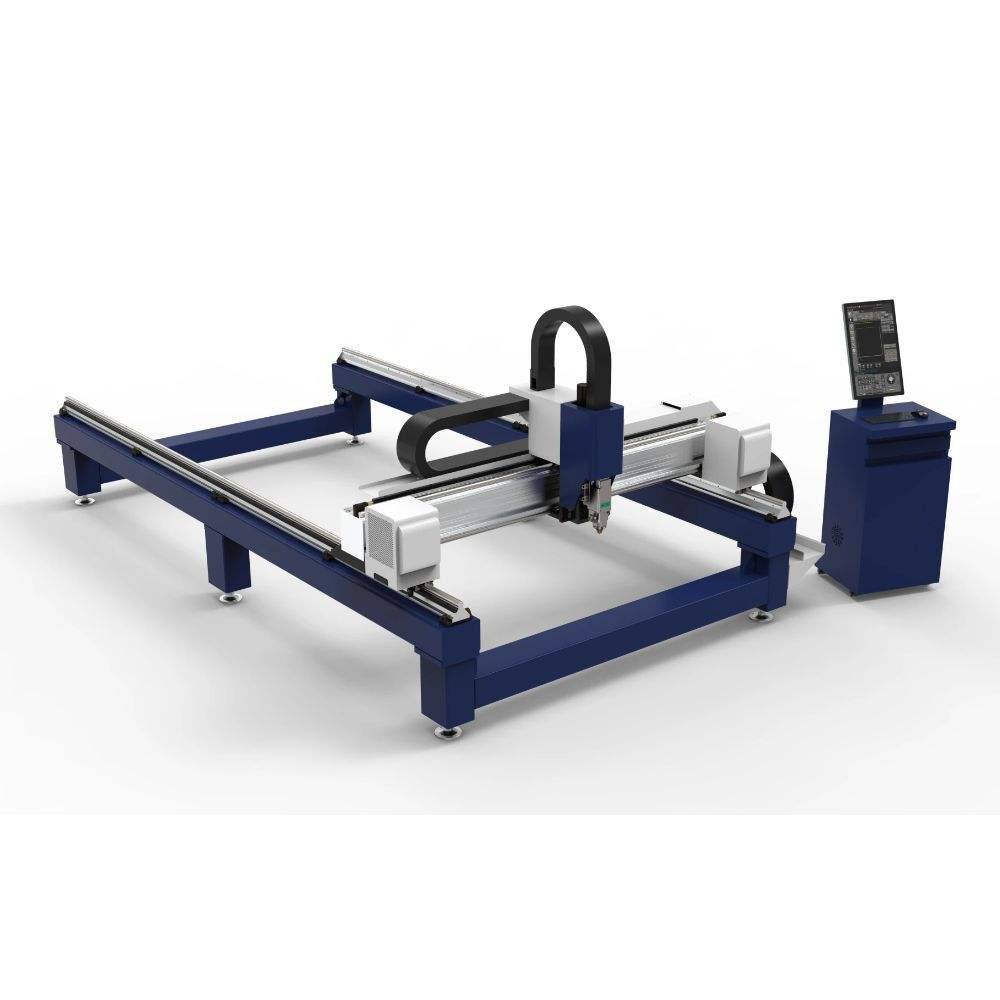
 laser cutting machine” style=”width: 100%; max-width: 800px; height: auto; margin: 20px 0;”>
The Technical Architecture of the 4kW Fiber Laser
A 4kW precision laser system operates on the principle of fiber optic delivery. Unlike older CO2 technology, the fiber laser generates its beam through a series of laser diodes and delivers it via a flexible fiber optic cable. For engineers in Queretaro, this means a system with no moving parts in the beam generation path, significantly reducing maintenance downtime and increasing “wall-plug” efficiency.
The 4kW threshold is particularly significant. At this power level, the beam intensity is sufficient to achieve high-speed sublimation in thin to medium-gauge galvanized sheets. The beam quality, often measured by the M2 factor, is kept exceptionally low in precision systems, allowing for a focused spot size that minimizes the kerf width. This precision is essential for the tight tolerances required in automotive bracketry and electronic enclosures common in the El Marqués and Balvanera industrial parks.
The Science of Processing Galvanized Steel
Processing galvanized steel with a 4kW laser requires an understanding of metallurgy and thermodynamics. Galvanized steel is essentially carbon steel coated with a layer of zinc. The primary difficulty arises from the disparate melting points of the two metals. Zinc melts at approximately 419°C and boils at 907°C, while the underlying steel melts at roughly 1,500°C.
During the laser cutting process, the zinc layer vaporizes long before the steel begins to melt. This rapid vaporization can create high-pressure gas pockets that interfere with the laser beam and cause “spitting,” where molten metal is ejected back toward the laser nozzle. A 4kW system provides the necessary power density to move the cutting head at speeds fast enough to “outrun” the negative effects of zinc vaporization, resulting in a cleaner edge and less dross accumulation on the underside of the workpiece.
Optimizing Assist Gases for Queretaro’s Industrial Standards
In Queretaro, where operational costs are closely monitored, the choice of assist gas is a critical factor in the 4kW laser’s performance. When cutting galvanized steel, there are three primary options: Nitrogen, Oxygen, and High-Pressure Compressed Air.
Nitrogen: This is the preferred choice for precision work. Nitrogen acts as a shielding gas, preventing oxidation of the cut edge. Because it doesn’t react with the metal, the resulting edge is “bright” and ready for immediate welding or painting without secondary cleaning. For the 4kW system, high-pressure nitrogen is used to mechanically blow the molten zinc and steel out of the kerf.
Oxygen: Oxygen can be used for thicker galvanized plates, as it creates an exothermic reaction that adds energy to the cut. However, this often results in a charred or oxidized edge, which may compromise the corrosion resistance of the zinc coating near the cut zone.
Compressed Air: With the increasing efficiency of 4kW systems, many Queretaro shops are moving toward high-pressure air cutting. This offers a middle ground in terms of speed and edge quality while significantly reducing the cost per part compared to liquid nitrogen.
Addressing the Challenges of Zinc Vaporization
One of the specific engineering hurdles when using a 4kW laser on galvanized material is the protection of the optics. As the zinc vaporizes, it creates a fine metallic dust and fumes. If not managed correctly, this debris can migrate toward the cutting head’s protective window. A precision 4kW system utilizes a “cross-jet” or “air curtain” to provide a positive pressure barrier, ensuring the expensive optics remain uncontaminated.
Furthermore, the laser cutting parameters must be finely tuned. In Queretaro’s manufacturing hubs, engineers often use “frequency modulation” to pulse the laser at the start of a cut (the piercing stage). This prevents the zinc from bubbling up and creates a clean entry point, which is vital for maintaining the geometric integrity of small holes and intricate geometries.
Environmental Factors: The Queretaro Context
Operating a 4kW precision laser in Queretaro involves accounting for local environmental conditions. Situated at approximately 1,820 meters above sea level, the air is thinner than at coastal manufacturing sites. This altitude can affect the cooling efficiency of the laser’s chiller system and the behavior of the assist gases.
Precision systems designed for this region often include oversized chillers or specialized heat exchangers to compensate for the lower air density. Additionally, the humidity levels in the Bajío region can fluctuate. It is imperative that the 4kW system is equipped with high-quality air dryers for the pneumatic components and the beam path to prevent moisture-induced beam divergence, which would otherwise degrade the laser cutting quality on galvanized surfaces.
Safety and Fume Extraction in Galvanized Cutting
From an engineering and safety perspective, cutting galvanized steel is more hazardous than cutting standard carbon steel. The vaporization of zinc produces zinc oxide fumes, which can lead to “metal fume fever” if inhaled by operators. A professional 4kW laser installation in Queretaro must be paired with a high-volume, multi-stage filtration system.
These extraction systems use HEPA filters and activated carbon to neutralize the zinc particles before the air is recirculated or exhausted. For Queretaro-based companies aiming for ISO 14001 certification, the integration of these environmental controls is not optional; it is a core component of the precision laser workstation.
Maintenance Protocols for High-Throughput Facilities
To maintain the “precision” aspect of a 4kW laser, a rigorous maintenance schedule is required, especially when processing galvanized steel. The zinc dust is conductive and abrasive. Over time, it can settle on the linear guides and ball screws of the machine’s motion system.
Engineers recommend a weekly cleaning of the bellows and an inspection of the nozzle tip. In a 4kW system, even a slight deformity in the nozzle can disrupt the laminar flow of the assist gas, leading to turbulence that ruins the edge quality on galvanized sheets. Given Queretaro’s role as a high-volume production hub, many facilities utilize automated nozzle changers and cleaners to ensure the laser cutting process remains consistent across three-shift operations.
Economic Impact and ROI for Local Manufacturers
The transition to a 4kW precision laser system offers a compelling Return on Investment (ROI) for Queretaro’s metalworking sector. While the initial investment is higher than that of lower-powered units, the throughput gains are substantial. For 3mm galvanized steel—a staple in the solar energy and HVAC industries—a 4kW laser can cut up to three times faster than a 2kW alternative.
This speed does not just increase capacity; it reduces the “cost per part” by spreading the fixed overhead (labor, rent, and machine payments) over a larger volume of finished goods. In the context of the “Nearshoring” trend in Mexico, having the capability to produce high-precision galvanized components quickly and reliably makes Queretaro-based shops the preferred partners for North American OEMs.
Conclusion: Future-Proofing Queretaro’s Industry
The 4kW precision laser system represents the pinnacle of current laser cutting technology for the medium-gauge galvanized steel market. By balancing power, precision, and operational efficiency, it addresses the specific metallurgical challenges of zinc-coated materials while meeting the high-speed demands of the modern supply chain.
For manufacturers in Queretaro, adopting this technology is about more than just cutting metal; it is about adopting a standard of excellence. As the region continues to grow as a global manufacturing powerhouse, the ability to process galvanized steel with surgical precision will remain a cornerstone of industrial success. Investing in a 4kW system is an investment in the future of the Bajío’s engineering prowess, ensuring that “Made in Queretaro” remains synonymous with quality and innovation.
















