Introduction to 4kW Precision Laser Systems in Monterrey’s Industrial Sector
Monterrey, Nuevo León, stands as the industrial heart of Mexico, a city where metalworking, automotive manufacturing, and heavy engineering converge. As global supply chains shift toward nearshoring, the demand for high-efficiency manufacturing tools has never been greater. Among these tools, the 4kW precision laser system has emerged as the gold standard for processing galvanized steel. This power level offers an optimal balance between cutting speed, edge quality, and operational cost, making it an indispensable asset for Monterrey’s diverse fabrication shops.
Galvanized steel, characterized by its protective zinc coating, presents unique challenges during the laser cutting process. The 4kW fiber laser is specifically engineered to overcome these hurdles, providing the high energy density required to vaporize both the zinc layer and the underlying carbon steel with surgical precision. This guide explores the technical nuances of deploying these systems within the specific environmental and economic context of the Monterrey region.
Technical Specifications of the 4kW Fiber Laser
The 4kW fiber laser represents a significant leap in solid-state laser technology. Unlike traditional CO2 lasers, fiber lasers utilize an optical fiber doped with rare-earth elements as the active gain medium. This results in a beam with a wavelength of approximately 1.06 microns, which is more readily absorbed by metals, particularly reflective materials like galvanized steel.
Energy Density and Beam Quality
A 4kW system provides a power density that allows for exceptionally narrow kerf widths. In the context of laser cutting, the “Beam Parameter Product” (BPP) is critical. A high-quality 4kW source ensures that the laser remains focused over a longer depth of field, which is essential for maintaining verticality in the cut edges of thicker galvanized plates, typically ranging from 1mm to 12mm for precision applications.
Efficiency and Power Consumption
In Monterrey, where industrial electricity rates are a significant factor in overhead costs, the wall-plug efficiency of a 4kW fiber laser is a major advantage. These systems typically operate at 30-40% efficiency, compared to the 10% seen in CO2 systems. This reduction in power consumption, combined with the lack of moving parts in the resonator, ensures a lower total cost of ownership for local manufacturers.
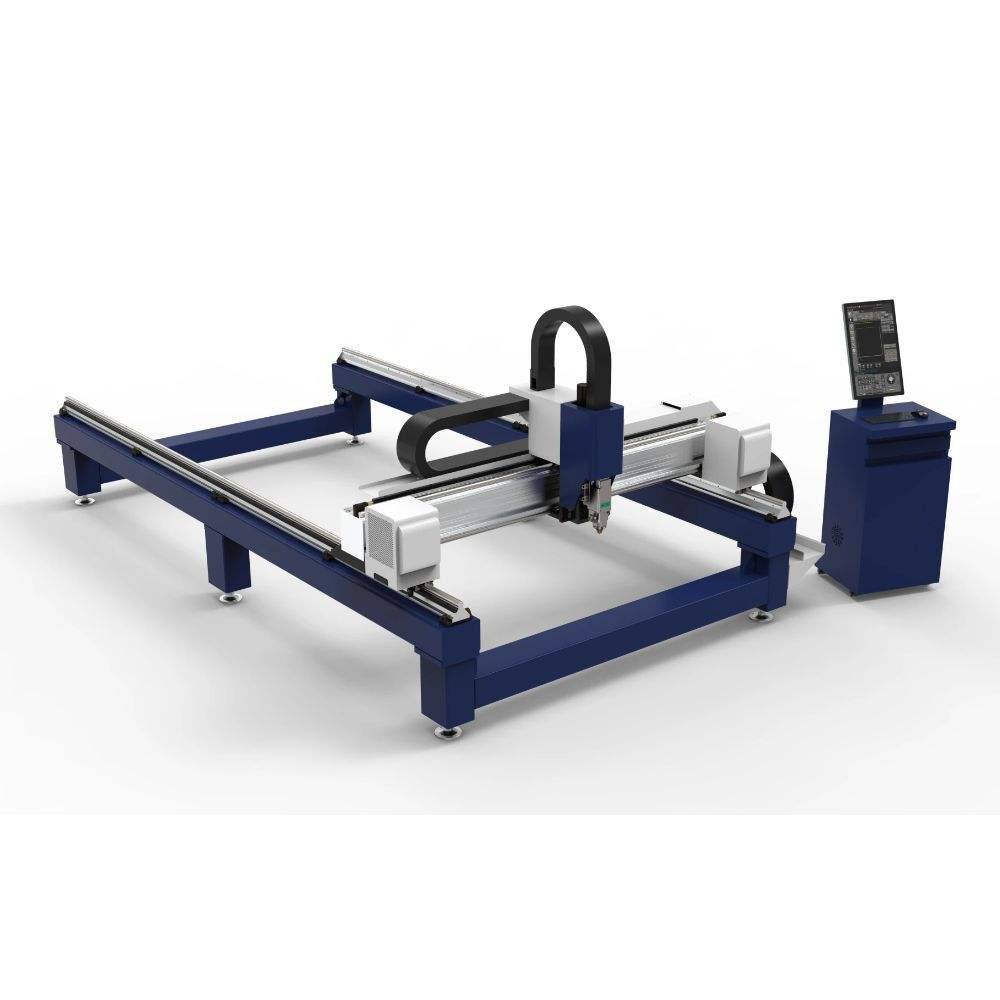
 laser cutting machine” style=”width: 100%; max-width: 800px; height: auto; margin: 20px 0;”>
The Challenges of Cutting Galvanized Steel
Galvanized steel is widely used in Monterrey’s construction and HVAC industries due to its corrosion resistance. However, the zinc coating has a significantly lower melting point (approx. 419°C) and boiling point (approx. 907°C) than the base steel (approx. 1500°C). This temperature disparity creates several technical obstacles during laser cutting.
Zinc Vaporization and Lens Contamination
As the laser hits the surface, the zinc layer vaporizes almost instantaneously. This vapor can create a “cloud” that interferes with the laser beam’s path and can potentially splash back onto the cutting head’s protective window. Precision 4kW systems utilize high-pressure air curtains and specialized nozzle designs to mitigate this risk, ensuring the longevity of the optical components.
Slag Formation and Edge Quality
The molten zinc can mix with the molten steel, leading to the formation of dross or slag on the underside of the cut. To achieve a clean, “burr-free” finish, the 4kW system must be finely tuned with the correct assist gas. Nitrogen is the preferred choice for galvanized steel, as it acts as a cooling agent and mechanical force to eject the molten material without causing oxidation, which would otherwise compromise the corrosion resistance of the edge.
Optimizing the Laser Cutting Process for Monterrey’s Climate
Monterrey’s climate is characterized by extreme heat and varying humidity levels, both of which can impact the performance of precision machinery. A 4kW laser cutting system must be equipped with robust environmental controls to maintain peak performance.
Chiller Systems and Thermal Stability
The 4kW resonator and the cutting head generate significant heat. In Monterrey, where ambient temperatures can exceed 40°C, a high-capacity dual-circuit chiller is mandatory. These chillers must maintain the laser source and the optics at a constant temperature (usually around 22-25°C) to prevent thermal expansion of the components, which would otherwise lead to “beam drift” and loss of precision.
Dust Filtration and Air Quality
The industrial zones of Santa Catarina and Apodaca can be dusty environments. Laser cutting galvanized steel produces fine zinc oxide particulates. A high-efficiency dust extraction system with HEPA filtration is necessary not only for worker safety but also to prevent dust from settling on the linear guides and rack-and-pinion systems of the CNC machine.
Advanced CNC Control and Software Integration
The precision of a 4kW system is only as good as the software driving it. Modern systems used in Monterrey utilize advanced CNC controllers that offer real-time monitoring of the cutting process. This includes “pierce sensing,” which detects when the laser has successfully penetrated the galvanized sheet, and “back-reflection monitoring,” which protects the fiber source from damage when cutting highly reflective materials.
Nesting and Material Yield
Given the rising costs of raw materials, Monterrey-based fabricators rely on sophisticated nesting software. These programs optimize the layout of parts on a galvanized sheet to minimize waste. The 4kW laser’s ability to perform “common line cutting”—where two parts share a single cut line—is enhanced by the stability of the 4kW beam, further increasing efficiency and reducing gas consumption.
Maintenance Protocols for High-Precision Systems
To maintain the “precision” aspect of a 4kW laser, a strict maintenance schedule must be followed. In an intensive 24/7 production environment like those found in Monterrey, the following areas require focus:
- Optical Cleaning: Daily inspection of the protective window is vital. Any zinc residue or dust can absorb laser energy, leading to thermal cracking of the glass.
- Nozzle Alignment: The nozzle must be perfectly centered with the laser beam to ensure uniform gas flow. This is particularly important for laser cutting galvanized steel, where uneven gas pressure can result in inconsistent dross.
- Lubrication of Motion Systems: The high speeds achieved by 4kW systems (often exceeding 100m/min in rapid traverse) put significant stress on the mechanical rails. Automatic lubrication systems are recommended for the Monterrey market to combat the effects of ambient heat on grease viscosity.
Economic Impact and ROI for Monterrey Fabricators
Investing in a 4kW precision laser system is a strategic move for Monterrey companies looking to compete on a global scale. The increased speed of laser cutting—often 2 to 3 times faster than a 2kW system on medium-thickness galvanized steel—allows shops to take on higher volumes of work without increasing their footprint.
Labor and Secondary Processing
Because the 4kW laser provides a finished edge that rarely requires secondary grinding or deburring, labor costs are significantly reduced. In the competitive Monterrey labor market, shifting manpower from manual finishing to high-value machine operation is a key driver of profitability.
Conclusion: The Future of Metal Fabrication in Nuevo León
The 4kW precision laser system is more than just a tool; it is a catalyst for industrial evolution in Monterrey. By mastering the complexities of laser cutting galvanized steel, local manufacturers can deliver high-quality components to the automotive, aerospace, and construction sectors with unprecedented speed and accuracy. As technology continues to advance, the integration of higher power levels, smarter software, and robust environmental adaptations will ensure that Monterrey remains at the forefront of the global manufacturing landscape.
For engineers and business owners in the region, the transition to 4kW technology represents a commitment to quality and a future-proofed approach to metal fabrication. With the right maintenance, gas management, and environmental controls, these systems will continue to drive the economic engine of Northern Mexico for years to come.