Optimizing 4kW Precision Laser Systems for Galvanized Steel in Leon’s Industrial Hub
The industrial landscape of Leon has rapidly evolved into a sophisticated center for automotive, construction, and specialized manufacturing. Central to this growth is the adoption of high-power fiber technology, specifically the 4kW precision laser system. When handling galvanized steel—a material prized for its corrosion resistance but notorious for its processing challenges—the 4kW power level represents the ideal equilibrium between throughput speed and edge quality. This guide explores the technical intricacies of laser cutting galvanized materials and how Leon-based facilities can maximize their operational efficiency.
The Technical Superiority of 4kW Fiber Lasers
A 4kW fiber laser system operates at a wavelength of approximately 1.06 microns. This wavelength is highly absorbed by metallic surfaces, particularly when compared to legacy CO2 systems. In the context of galvanized steel, the 4kW threshold is significant. It provides sufficient energy density to vaporize both the zinc coating and the underlying carbon steel substrate simultaneously, preventing the “peeling” effect often seen with lower-powered units.
For engineers in Leon, the move to 4kW means the ability to process galvanized sheets ranging from 0.5mm to 6.0mm at high velocities. The precision of these systems is dictated by the beam parameter product (BPP), which ensures that the energy is concentrated into a microscopic focal point. This concentration is vital for maintaining the integrity of the zinc layer at the cut edge, which provides sacrificial protection against oxidation.
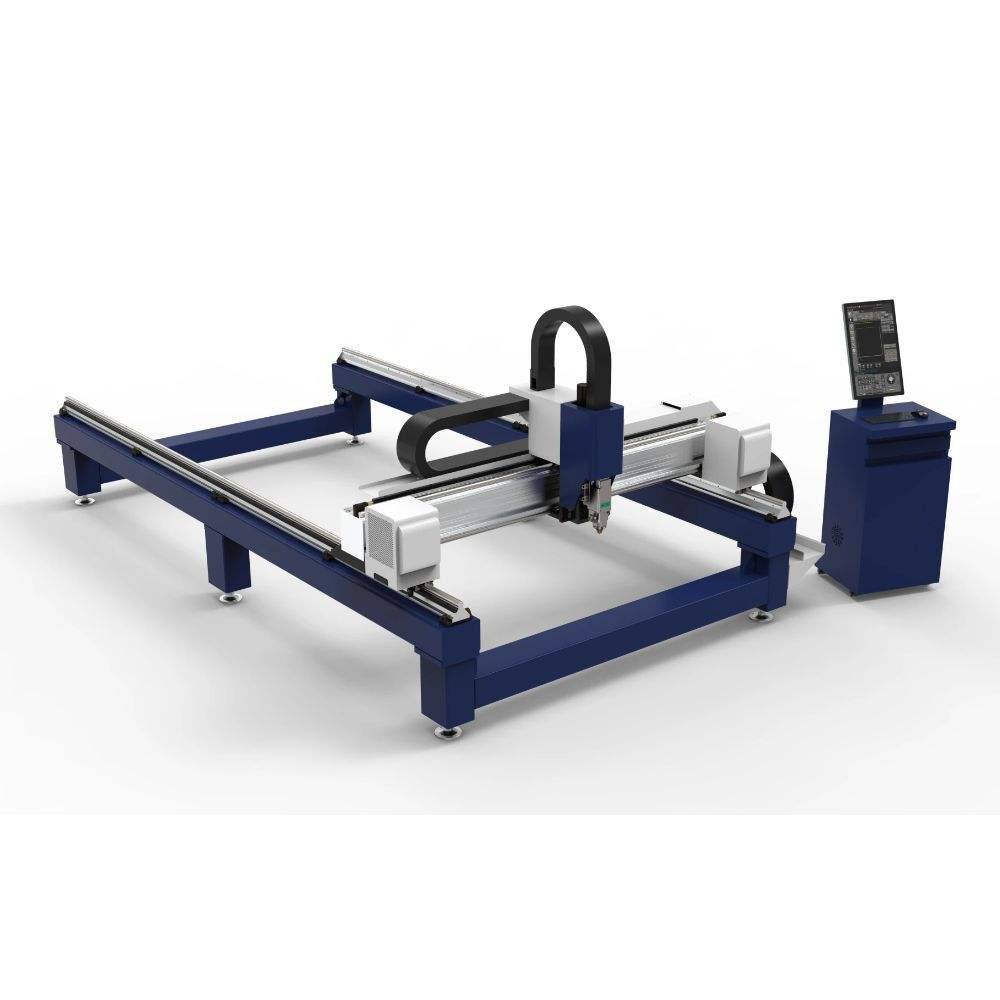
 laser cutting machine“>
Challenges in Laser Cutting Galvanized Steel
Galvanized steel presents a unique challenge for laser cutting due to the discrepancy between the melting points of the zinc coating and the steel core. Zinc vaporizes at approximately 906°C, while steel melts at around 1,500°C. During the laser cutting process, the zinc coating tends to vaporize before the steel melts, creating high-pressure gas that can interfere with the stability of the laser beam and the assist gas flow.
This phenomenon often results in “dross” or slag accumulation on the underside of the workpiece. To combat this, a 4kW system utilizes sophisticated CNC control algorithms to modulate power and frequency in real-time. By optimizing the pulse width and peak power, the system minimizes the heat-affected zone (HAZ), ensuring that the protective properties of the galvanization remain intact as close to the cut edge as possible.
Assist Gas Selection: Nitrogen vs. Oxygen
In the Leon manufacturing sector, the choice of assist gas is a critical factor in the economic and qualitative outcome of laser cutting operations. For galvanized steel, Nitrogen is generally the preferred medium. High-pressure Nitrogen (often exceeding 15 bar) acts as a cooling agent and a mechanical force to eject molten material from the kerf without allowing oxidation to occur.
When using Nitrogen with a 4kW laser, the result is a clean, silver-bright edge that is immediately ready for welding or powder coating. Oxygen, while allowing for faster speeds on thicker plates, can lead to heavy oxidation of the zinc coating near the cut, which may require secondary cleaning processes. For precision components in the automotive supply chain, the “no-cleanup” advantage of Nitrogen-assisted laser cutting is indispensable.
Leon’s Industrial Context: Automotive and Construction
Leon has established itself as a cornerstone of the Bajío region’s industrial corridor. The local supply chain demands components that meet rigorous international standards (ISO and ASTM). Galvanized steel is ubiquitous in this region for HVAC ducting, automotive structural reinforcements, and solar mounting hardware. A 4kW precision laser system allows local shops to compete on a global scale by reducing lead times and increasing part accuracy.
Furthermore, the integration of 4kW systems into Leon’s factories supports the “Just-in-Time” (JIT) manufacturing philosophy. The ability to switch between different gauges of galvanized steel without extensive retooling—thanks to automated nozzle changers and motorized focal positioning—provides the flexibility required in a modern production environment.
Optimizing Parameters for Maximum Precision
To achieve the highest precision with a 4kW laser, operators must fine-tune several variables. The focal position is perhaps the most critical. For galvanized steel, the focus is typically set slightly below the surface of the material to ensure that the energy is distributed evenly through the thickness of the sheet. This prevents the “v-shape” kerf and ensures perpendicularity of the cut edge.
Another factor is the nozzle geometry. A double-layer nozzle is often recommended for galvanized materials to stabilize the gas flow and protect the laser optics from zinc vapor backsplash. Regular maintenance of the ceramic ring and nozzle tip is essential in Leon’s high-output environments to prevent beam clipping and maintain the 4kW system’s inherent accuracy.
Maintenance and Longevity of Fiber Laser Systems
The 4kW fiber laser is a significant investment, and its longevity depends on a proactive maintenance regimen. Unlike CO2 lasers, fiber systems have no internal moving parts or mirrors in the beam path, which significantly reduces maintenance costs. However, the external optics—specifically the protective windows—must be inspected daily. Zinc dust, which is a byproduct of laser cutting galvanized steel, can be abrasive and conductive, necessitating a robust dust extraction and filtration system.
Leon’s environmental factors, such as ambient temperature and humidity, also play a role. Precision laser systems require high-efficiency chillers to maintain the diode banks at a constant temperature. Using deionized water and specialized additives prevents internal corrosion and ensures that the 4kW power output remains stable over thousands of hours of operation.
Economic Impact and ROI for Leon Manufacturers
The ROI (Return on Investment) for a 4kW laser cutting system in Leon is driven by three factors: speed, material utilization, and secondary process elimination. A 4kW system can cut 2mm galvanized steel at speeds exceeding 25 meters per minute. When combined with nesting software that minimizes scrap, the cost-per-part drops significantly compared to mechanical punching or lower-power laser alternatives.
Because the 4kW laser produces a burr-free finish on galvanized sheets, the labor costs associated with grinding and deburring are virtually eliminated. In a competitive market like Leon, where labor efficiency is a key differentiator, the automation capabilities of these systems—such as automatic pallet changers—allow for 24/7 “lights-out” manufacturing, further accelerating the amortization of the equipment.
Safety Standards and Environmental Considerations
Laser cutting galvanized steel releases zinc oxide fumes, which can be hazardous if not properly managed. Engineering controls are mandatory. Modern 4kW systems are fully enclosed (Class 1 laser safety rating) and equipped with high-volume fume extractors. In Leon, adherence to environmental regulations regarding air quality is becoming increasingly strict, making high-quality filtration systems a necessity rather than an option.
Operators must also be trained in the handling of reflective materials. While fiber lasers are less susceptible to back-reflection than they once were, the zinc coating still presents a reflective surface. The 4kW systems utilize optical isolators and sensors to detect back-reflection and shut down the beam instantaneously if a risk to the fiber cable or the resonator is detected.
Future Trends in Laser Cutting Technology
As we look toward the future of manufacturing in Leon, the integration of Artificial Intelligence (AI) and the Internet of Things (IoT) into 4kW laser systems is the next frontier. Predictive maintenance algorithms can now analyze the “health” of the laser beam and alert operators before a failure occurs. Furthermore, real-time monitoring of gas consumption and power usage allows for precise cost-accounting of every job processed.
The transition toward higher power levels continues, but the 4kW precision laser remains the industry standard for galvanized steel due to its versatility. It provides the perfect blend of high-speed thin-sheet processing and the capability to handle medium-plate fabrication, making it the workhorse of the Leon industrial sector.
Conclusion
The deployment of a 4kW precision laser system for galvanized steel represents a strategic upgrade for any manufacturing facility in Leon. By understanding the interaction between the fiber laser beam and the zinc coating, and by optimizing assist gas and focal parameters, engineers can achieve unprecedented levels of quality and efficiency. As the region continues to grow as a global manufacturing hub, the precision offered by 4kW laser cutting technology will remain a vital component of industrial success.