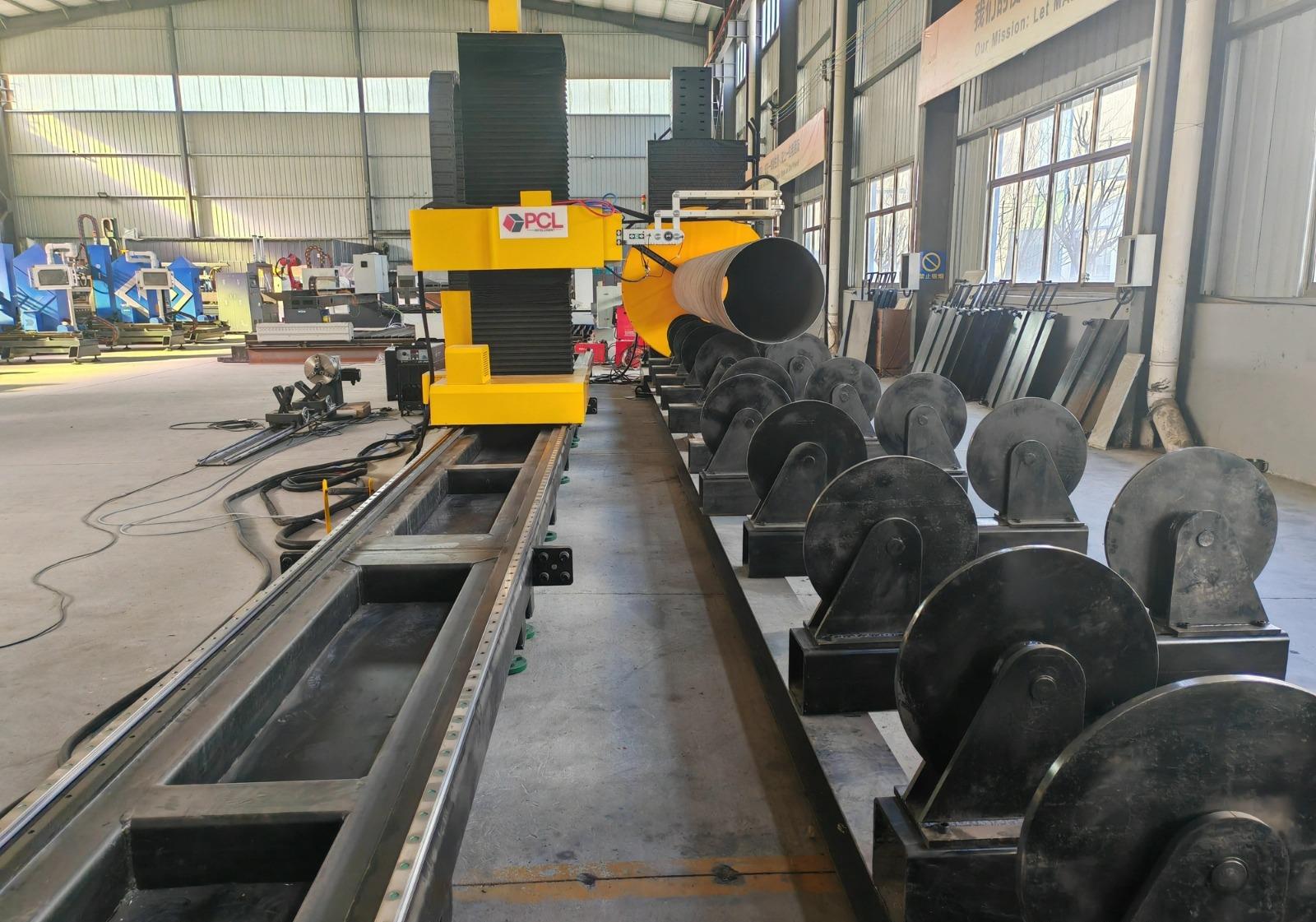
Introduction to the 4kW Precision Laser System in Toluca’s Industrial Sector
The industrial landscape of Toluca, State of Mexico, has long been recognized as a powerhouse for automotive, aerospace, and heavy machinery manufacturing. In this competitive environment, the demand for high-precision metal fabrication has shifted toward fiber laser technology. Specifically, the 4kW precision laser system has emerged as the industry standard for processing carbon steel, offering a perfect balance between speed, power consumption, and edge quality. This guide explores the technical intricacies of utilizing a 4kW system to maximize productivity in the unique environmental and economic conditions of the Toluca valley.
laser cutting technology has evolved significantly over the last decade. While older CO2 lasers dominated the market for years, the transition to 4kW fiber lasers has allowed shops in Toluca to increase their throughput by up to 300% on thin to medium-gauge carbon steel. The 4kW power level is often considered the “sweet spot” for job shops; it provides enough energy to penetrate thick plates while maintaining the agility required for intricate, high-speed designs in thinner materials.
The Technical Advantage of 4kW Fiber Technology
A 4kW fiber laser operates by generating a laser beam through a series of pump diodes and delivering it via a flexible fiber optic cable to the cutting head. Unlike traditional gas lasers, there are no mirrors to align, which significantly reduces maintenance downtime—a critical factor for the high-capacity production lines found in Toluca’s industrial parks like Parque Industrial Lerma or Exportec. The beam produced by a 4kW source has a much smaller spot size and higher power density than its predecessors, allowing for narrower kerf widths and tighter tolerances.

Optimizing Carbon Steel Processing
Carbon steel remains the most widely used material in Mexican manufacturing due to its versatility and cost-effectiveness. When performing laser cutting on carbon steel with a 4kW system, the interaction between the beam and the material is governed by thermal conductivity and the exothermic reaction of the assist gas. For carbon steel, oxygen is the primary assist gas used, which creates a chemical reaction that adds heat to the cutting process, allowing for faster speeds at lower laser power levels.
Thickness Ranges and Edge Quality
A 4kW precision system is capable of high-quality cuts in carbon steel up to 20mm or 25mm in thickness. However, its peak efficiency is found in the 3mm to 12mm range. Within these parameters, the laser cutting process produces a smooth, square edge with minimal dross (slag) at the bottom. For automotive components produced in Toluca, where parts often move directly from the laser to a welding or painting station, this clean finish is essential to eliminate secondary grinding operations.
The Role of Oxygen vs. Nitrogen
While oxygen is standard for thicker carbon steel, many precision shops are moving toward nitrogen for thinner gauges (under 3mm). Nitrogen cutting, or “fusion cutting,” relies solely on the laser’s energy to melt the metal, while the high-pressure gas blows the molten material away. This prevents the formation of an oxide layer on the cut edge. In the context of Toluca’s high-altitude environment, managing gas pressure and purity is vital, as the lower atmospheric pressure can subtly influence the behavior of high-pressure nitrogen streams during the laser cutting cycle.
 laser cutting machine“>
Environmental Considerations for Toluca Operations
Operating high-precision machinery in Toluca presents specific engineering challenges due to the city’s altitude (approximately 2,660 meters above sea level). The thinner air affects the cooling efficiency of the system’s chillers and the performance of dust collection units. A 4kW laser system generates substantial heat; therefore, the cooling system must be rated for high-altitude operation to ensure the resonator and cutting head maintain a stable temperature.
Thermal Stability and Precision
Precision in laser cutting is highly dependent on the stability of the machine’s frame and the accuracy of its motion system (linear motors or rack-and-pinion). In Toluca, where temperature fluctuations between day and night can be extreme, it is recommended to house the 4kW laser in a climate-controlled environment or utilize a machine with a thermally compensated frame. This ensures that the 4kW beam remains focused exactly where the CNC software dictates, maintaining tolerances within ±0.05mm even during long production shifts.
Power Stability and Electrical Infrastructure
The industrial zones in Toluca occasionally face power fluctuations. For a 4kW fiber laser, consistent voltage is paramount. Modern systems should be equipped with high-quality voltage regulators and surge protection to prevent damage to the sensitive diode modules. Furthermore, the efficiency of a 4kW fiber laser is roughly 35-40% (Wall-Plug Efficiency), which is significantly higher than CO2 lasers, resulting in lower operational costs for Mexican manufacturers facing rising electricity tariffs.
Maintenance and Long-term Reliability
To maintain peak performance for carbon steel fabrication, a rigorous maintenance schedule is required. The 4kW precision laser system is a sophisticated piece of opto-electronic equipment. While the fiber source itself is virtually maintenance-free, the delivery optics and the cutting head require daily attention. In the dusty environments common near heavy industrial zones, ensuring the integrity of the protective windows is the first line of defense against costly repairs.
Nozzle Calibration and Beam Alignment
For carbon steel, nozzle condition is critical. Even a small nick or a build-up of spatter can disrupt the laminar flow of the assist gas, leading to “burrs” or an inconsistent cut. Automated nozzle changers and cleaning stations are highly recommended for shops in Toluca that run 24/7 operations. These features ensure that the laser cutting head is always optimized for the specific thickness of the plate being processed without manual intervention.
Optical Path Integrity
The “precision” in a 4kW precision laser system comes from the quality of the beam. Any contamination in the optical path—even microscopic dust particles—can cause beam divergence. This results in a wider kerf and a larger Heat Affected Zone (HAZ). Given the manufacturing standards required by Toluca’s Tier 1 and Tier 2 automotive suppliers, maintaining a perfect beam profile is non-negotiable. Regular inspection of the fiber connectors and the internal lenses of the cutting head must be part of the standard operating procedure.
Software and Integration in the Industry 4.0 Era
The hardware of a 4kW laser is only as capable as the software driving it. In the modern Toluca factory, laser cutting is integrated into a broader ERP (Enterprise Resource Planning) system. Advanced nesting software optimizes the layout of parts on a carbon steel sheet to minimize scrap, which is a major cost factor in high-volume production. Furthermore, features like “FlyCut” (where the laser cuts while the head is in motion without stopping at each hole) can drastically reduce cycle times on complex perforated parts.
Real-time Monitoring
Many 4kW systems now feature IoT connectivity, allowing plant managers in Toluca to monitor machine status, gas consumption, and cutting speeds from a remote location. This data-driven approach allows for predictive maintenance, where the system alerts the operator to a potential failure before it results in downtime. For the precision-focused industries of Central Mexico, this level of reliability is the key to maintaining a competitive edge in the global supply chain.
Conclusion: The Future of Metal Fabrication in Toluca
The adoption of 4kW precision laser systems marks a significant milestone in the technological maturation of Toluca’s manufacturing sector. For carbon steel processing, the fiber laser provides an unmatched combination of speed, accuracy, and operational economy. As the region continues to attract international investment, particularly in the electric vehicle (EV) and renewable energy sectors, the ability to produce high-precision components with minimal waste will be the defining characteristic of successful fabrication facilities.
Investing in a 4kW system is not merely about purchasing a machine; it is about adopting a process that enhances the entire production workflow. From the initial CAD design to the final laser-cut part, the precision offered by this technology ensures that Toluca remains at the forefront of industrial excellence in North America. By understanding the technical requirements of carbon steel and the environmental variables of the region, engineers can leverage these systems to achieve world-class manufacturing standards.