
Introduction to 4kW Precision Laser Systems in the Mexican Industrial Landscape
In the heart of Mexico’s manufacturing resurgence, particularly within the industrial corridors of Mexico City (CDMX) and the surrounding State of Mexico, the demand for high-precision metal fabrication has reached an all-time high. Among the various technologies driving this growth, the 4kW precision laser system stands out as a cornerstone for workshops specializing in non-ferrous metals. Brass, a material prized for its conductivity, corrosion resistance, and aesthetic appeal, presents unique challenges that only a high-output fiber laser can effectively address. The integration of 4kW systems into the local supply chain—from the workshops in Vallejo to the high-tech hubs in Querétaro—marks a significant shift toward European and Asian precision standards in North American manufacturing.
The transition to 4kW power levels is not merely an upgrade in speed; it is a fundamental shift in the capability to handle “yellow metals.” Brass, an alloy of copper and zinc, is notoriously reflective. In the early days of laser cutting, CO2 lasers struggled with back-reflection, which could damage the resonator. However, modern fiber laser technology, specifically at the 4kW threshold, provides the power density required to overcome the reflectivity of brass while maintaining a stable beam quality. This guide explores the technical nuances, environmental considerations, and operational strategies for maximizing the efficiency of these systems in the specific context of Mexico City’s unique geography and market demands.
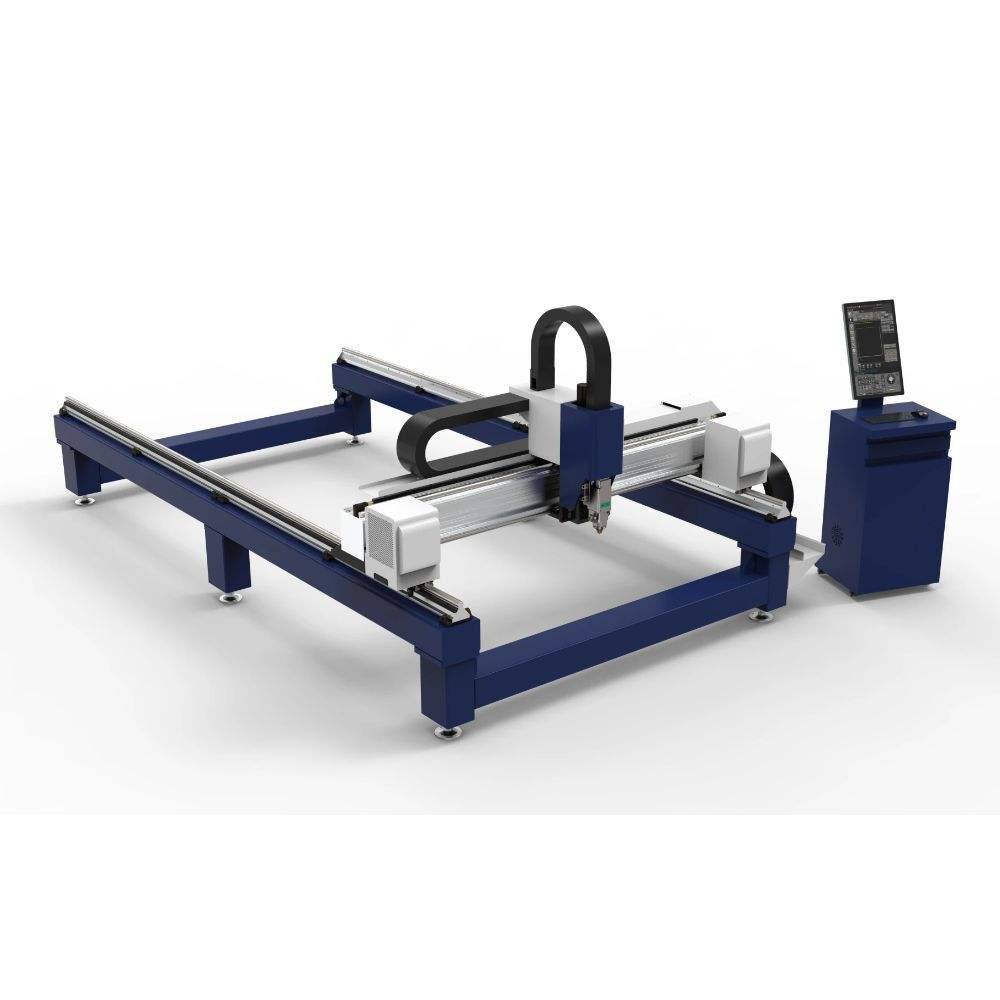
 laser cutting machine” style=”width: 100%; max-width: 800px; height: auto; margin: 20px 0;”>
The Physics of Laser Cutting Brass with 4kW Fiber Sources
To understand why a 4kW system is the “sweet spot” for brass, one must look at the material’s interaction with the 1.06-micron wavelength of a fiber laser. Brass has a high thermal conductivity and high reflectivity. When the laser beam first hits the surface, a significant portion of the energy is reflected. A 4kW source provides a high enough “peak power” to instantly melt the surface, at which point the absorption rate of the laser energy increases dramatically. This transition from reflection to absorption is critical; if the power is too low (e.g., 1kW or 2kW), the material may not reach the melting point fast enough, leading to sustained back-reflection that can trigger safety sensors and shut down the machine.
Furthermore, the 4kW capacity allows for a wider “processing window.” This means operators in Mexico City can achieve clean, burr-free cuts on brass sheets ranging from 1mm to 10mm in thickness. For thinner gauges (1-3mm), the 4kW system enables high-speed nitrogen-assisted cutting, which prevents oxidation and leaves a bright, weld-ready edge. For thicker plates (above 6mm), the power ensures that the melt pool remains fluid enough for the high-pressure gas to evacuate the kerf efficiently, preventing the formation of dross on the underside of the workpiece.
Geographic and Environmental Factors in Mexico City (CDMX)
Operating a precision 4kW laser system in Mexico City requires specific engineering adjustments due to the city’s altitude and climate. Situated at approximately 2,240 meters above sea level, the atmospheric pressure in CDMX is significantly lower than at sea level. This lower air density affects the dynamics of the assist gases used in laser cutting. Whether using Nitrogen or Oxygen, the flow rates and nozzle pressures must be calibrated to compensate for the thinner air to ensure the kinetic energy of the gas jet is sufficient to clear the molten brass.
Altitude and Cooling Efficiency
The cooling system, or chiller, is the heart of a 4kW laser. Fiber lasers are highly efficient, but they still generate substantial heat that must be dissipated from the laser source and the cutting head. In the thinner air of Mexico City, air-cooled heat exchangers in chillers are less efficient than they would be in coastal cities like Veracruz or Monterrey. Engineering teams must often spec chillers with a higher BTU rating or ensure that the facility has superior ventilation to prevent the laser source from reaching critical temperature thresholds during the hot “Estiaje” season (March to May). Maintaining a stable internal temperature is vital for beam stability and the longevity of the fiber delivery cable.
Power Stability and Electrical Infrastructure
The industrial zones of Tlalnepantla and Naucalpan often face fluctuations in the electrical grid. A 4kW laser system is sensitive to voltage spikes and drops. For precision brass cutting, where even a micro-second of power inconsistency can cause a “pop” in the cut or damage the nozzle, the installation of a high-capacity industrial voltage stabilizer and a dedicated grounding system is non-negotiable. Mexican engineers recommend a 60kVA to 80kVA stabilizer for a 4kW system to handle the draw of the laser, the chiller, and the servo motors simultaneously.
Technical Parameters for High-Precision Brass Fabrication
Achieving a mirror-like finish on the edge of a brass component requires a meticulous balance of parameters. When laser cutting brass, the choice of assist gas is the most influential factor. Nitrogen is the standard for high-quality finishes because it acts as a mechanical force to blow away the melt without reacting chemically with the alloy. This results in a clean, golden edge that is essential for architectural applications in Mexico City’s luxury construction sector, such as those found in Polanco or Santa Fe.
Nozzle Selection and Focal Position
For a 4kW system, a double-layer nozzle is typically used when cutting with Oxygen, but for the precision required in brass, a single-layer chrome-plated nozzle with a diameter between 1.5mm and 2.5mm is preferred for Nitrogen cutting. The focal position is also critical; unlike carbon steel, where the focus is often on the surface, brass often requires a “negative focus” (the focal point is inside the material). This helps to broaden the kerf slightly, allowing the high-pressure nitrogen to flow more effectively through the cut, which is essential for maintaining precision in intricate geometric patterns.
Frequency and Duty Cycle Optimization
Modern CNC controllers used in 4kW systems allow for sophisticated pulsing techniques. When navigating tight corners or small holes in brass, the heat can build up rapidly, leading to “over-burning.” By adjusting the frequency (Hz) and duty cycle of the laser pulse, the system can reduce the heat input during sharp turns while maintaining high power for straight lines. This level of control is what defines “precision” in the context of high-end brass fabrication, ensuring that every part in a production run is identical.
Maintenance Protocols for Longevity in Reflective Environments
The primary risk when laser cutting brass is the “back-reflection” of the beam into the optical path. While 4kW fiber lasers are equipped with back-reflection isolators, consistent maintenance is the only way to ensure these safety features are never fully tested. In the dusty environments of some Mexico City workshops, the cleanliness of the protective window (cover glass) is paramount. A single speck of dust on the lens can absorb the 4kW energy, heat up, and shatter the glass, or worse, allow contaminants into the cutting head’s upper chambers.
Daily and Weekly Maintenance Checklists
Operators should perform a “tape test” daily to check the beam’s alignment and center. In CDMX, where humidity can fluctuate, the optical path must be kept under a constant flow of clean, dry air or nitrogen to prevent condensation on the lenses. Weekly inspections of the slat bed are also necessary; brass slag tends to adhere differently than steel slag. If the slats are heavily coated, the back-reflection from the slag can mar the underside of the brass sheets, ruining the aesthetic finish of the part.
The Role of the Chiller and Filtration
Given the hard water found in many parts of the Valley of Mexico, the chiller’s coolant must be deionized water mixed with specific additives to prevent algae growth and scale. Scale buildup inside the laser source’s cooling channels can lead to “hot spots,” which degrade the laser’s beam quality over time. Furthermore, the fume extraction system must be robust. Cutting brass produces zinc oxide fumes, which are not only hazardous to health but can also settle on the machine’s linear guides and rack-and-pinion systems, acting as an abrasive if not properly filtered.
Economic Impact and Market Applications in Central Mexico
The investment in a 4kW precision laser system is significant, but the ROI for Mexican fabricators is driven by the versatility of the machine. Brass components are in high demand across several local sectors. The automotive industry, with its Tier 2 and Tier 3 suppliers located in the “Bajío” region just north of Mexico City, requires precision brass shims, connectors, and terminals. Meanwhile, the booming interior design and furniture industry in CDMX utilizes laser cutting for decorative screens, high-end hardware, and lighting fixtures.
Competitive Advantage in the USMCA Context
Under the USMCA (T-MEC) framework, Mexican manufacturers are positioned to be the primary suppliers for North American markets. Having the capability to cut 10mm brass with the precision of a 4kW fiber laser allows local shops to compete with international suppliers. The speed of the 4kW system reduces the “cost per part” compared to traditional waterjet cutting or lower-powered lasers, which are either too slow or produce too much secondary waste. By adopting these high-precision systems, Mexico City workshops are moving up the value chain, shifting from simple assembly to complex, high-tolerance fabrication.
Conclusion: The Future of Fiber Laser Technology in CDMX
The 4kW precision laser system represents the current pinnacle of efficiency for brass fabrication in Mexico City. By navigating the technical requirements of reflective metals and the environmental challenges of a high-altitude metropolis, engineers can unlock unprecedented levels of productivity. As the technology continues to evolve, with features like “beam shaping” and AI-driven parameter optimization becoming standard, the role of the 4kW system will only become more central to the region’s industrial identity. For the fabricator in CDMX, mastering the 4kW laser is not just about cutting metal; it is about cutting a path toward a more technologically advanced and economically competitive future in the global marketplace.
















