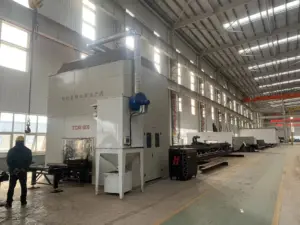
Introduction to 4kW Precision Laser Systems in Tijuana’s Manufacturing Sector
The industrial landscape of Tijuana, Mexico, has undergone a radical transformation over the last decade. As a primary hub for the “Maquiladora” industry, the city has transitioned from basic assembly to high-tech precision manufacturing. At the heart of this evolution is the implementation of 4kW precision laser systems. These machines represent the “sweet spot” of power and efficiency, particularly when processing non-ferrous metals. For engineers and plant managers in the region, understanding the integration of 4kW fiber technology is essential for maintaining a competitive edge in the North American supply chain.
The 4kW laser cutting system is engineered to provide a balance between high-speed processing and meticulous edge quality. In a city where aerospace, medical device manufacturing, and automotive electronics dominate the local economy, the ability to produce repeatable, high-tolerance components is paramount. This guide explores the technical nuances of utilizing 4kW power specifically for aluminum alloy fabrication within the unique industrial climate of Tijuana.
The Physics of 4kW Fiber Laser Cutting
A 4kW fiber laser operates by generating a high-intensity beam through a series of laser diodes, which is then amplified in a fiber optic cable doped with rare-earth elements like ytterbium. Unlike traditional CO2 lasers, the wavelength of a fiber laser (approximately 1.06 micrometers) is much more readily absorbed by metals, especially aluminum. This high absorption rate allows for a much more efficient energy transfer, resulting in faster cutting speeds and a smaller heat-affected zone (HAZ).
Wavelength and Absorption in Aluminum
Aluminum is notoriously difficult to process due to its high reflectivity and high thermal conductivity. In the early days of laser cutting, CO2 lasers struggled with aluminum because the material would reflect the beam back into the optics, causing catastrophic failure. The 4kW fiber laser overcomes this through its shorter wavelength. At 1.06 microns, the reflectivity of aluminum is significantly reduced, allowing the beam to “couple” with the material almost instantaneously. This ensures a stable piercing process and consistent cutting dynamics even in highly reflective 5000 and 6000 series alloys.
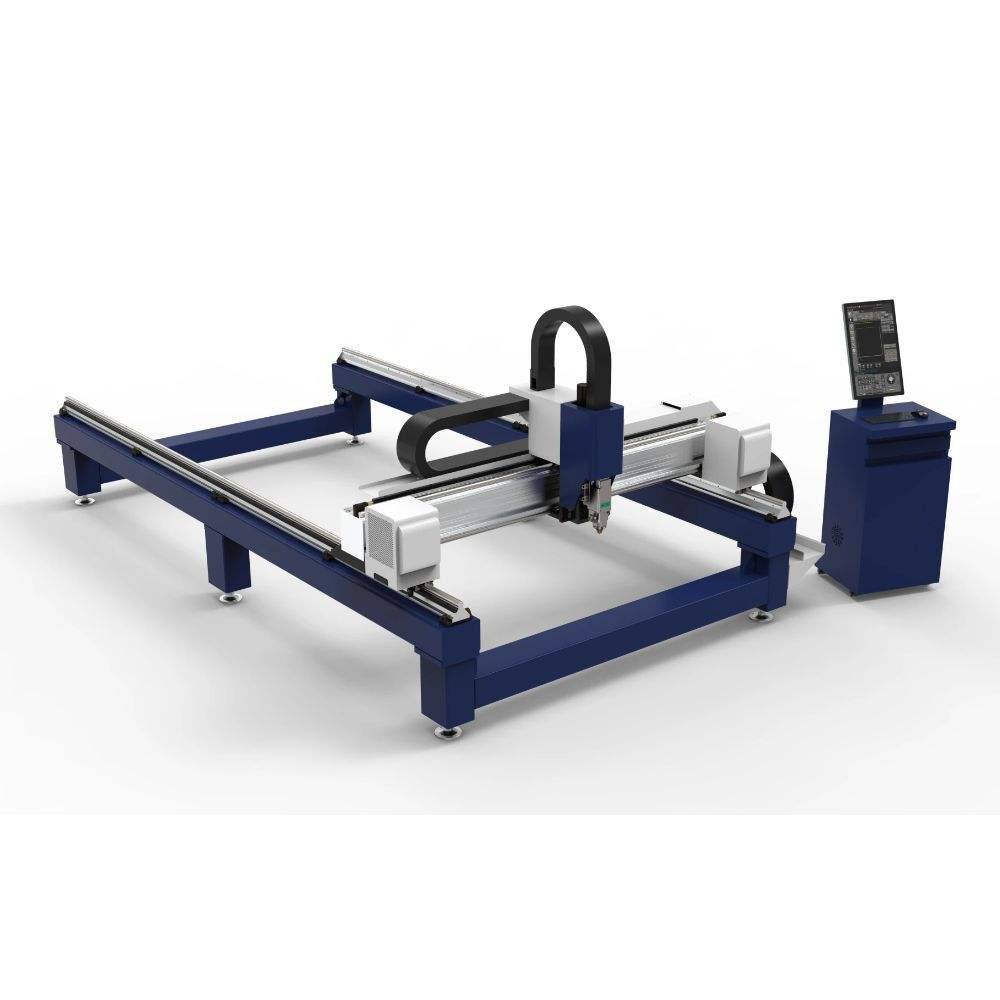 laser cutting machine” style=”width: 100%; max-width: 800px; height: auto; margin: 20px 0;”>
Optimizing for Aluminum Alloys
Aluminum alloys, such as 6061-T6 or 5052-H32, are staples in the Tijuana manufacturing sector due to their strength-to-weight ratio and corrosion resistance. However, laser cutting aluminum requires a specific set of parameters to avoid dross (slag) accumulation and to ensure a smooth surface finish. A 4kW system provides sufficient power density to maintain a high-pressure melt-shear process, which is critical for aluminum.
Assist Gas Selection: Nitrogen vs. Oxygen
For precision aluminum components, high-pressure nitrogen is the preferred assist gas. Nitrogen acts as a mechanical force to blow the molten aluminum out of the kerf without allowing it to oxidize. This results in a clean, weld-ready edge. In the 4kW range, nitrogen pressures typically range from 14 to 20 bar. While oxygen can be used for thicker sections to take advantage of an exothermic reaction, it often leaves a rough, oxidized surface that requires secondary finishing—a cost-prohibitive step in high-volume Tijuana production lines.
Managing Thermal Conductivity
Aluminum dissipates heat rapidly. If the laser cutting speed is too slow, the heat builds up in the part, leading to “thermal runaway” where the material melts uncontrollably. The 4kW power level allows for high feed rates (often exceeding 20 meters per minute on thinner gauges), which ensures that the heat is removed with the molten material before it can conduct into the surrounding geometry. This precision is vital for the intricate heat sinks and chassis components manufactured for the electronics industry in the region.
Strategic Advantages for Tijuana-Based Manufacturers
Tijuana’s proximity to the United States border offers a unique logistical advantage, but it also subjects local manufacturers to stringent international quality standards. The adoption of 4kW laser cutting technology allows these shops to meet AS9100 (Aerospace) and ISO 13485 (Medical) requirements with ease.
Proximity and Just-In-Time (JIT) Production
With the rise of nearshoring, many U.S. companies are looking to Tijuana for JIT manufacturing. A 4kW laser system provides the versatility to switch between thin-gauge prototypes and medium-thickness production runs without extensive downtime. The ability to perform high-speed laser cutting on aluminum alloys means that a shop in Tijuana can receive a CAD file in the morning and have finished parts crossing the Otay Mesa border by the afternoon.
Energy Efficiency and Operational Costs
In Mexico, industrial electricity costs can be a significant factor in overhead. Fiber lasers are significantly more energy-efficient than their CO2 predecessors. A 4kW fiber system typically draws about one-third of the power of a 4kW CO2 system. Furthermore, the lack of internal mirrors and the elimination of laser gas (for beam generation) reduce maintenance costs, allowing Tijuana firms to offer more competitive pricing to their global partners.

Technical Parameters for 4kW Aluminum Processing
To achieve precision, the machine must be tuned to the specific alloy and thickness. For a 4kW system, the following parameters are generally considered the baseline for high-quality laser cutting:
Nozzle Geometry and Centering
For aluminum, a double-nozzle configuration is often used to stabilize the gas flow. The nozzle diameter usually ranges from 1.5mm to 3.0mm depending on the material thickness. Precise centering of the beam within the nozzle is critical; even a slight misalignment can cause turbulence in the assist gas, leading to an asymmetrical kerf and increased dross on one side of the cut.
Focus Point Management
Unlike cutting carbon steel, where the focus is often on the surface, aluminum laser cutting typically requires a “negative focus.” This means the focal point is positioned inside the material, often near the bottom of the sheet. This helps to create a wider kerf at the bottom, facilitating the easy evacuation of the viscous molten aluminum. In a 4kW system, the focus position is usually managed automatically by the cutting head, allowing for real-time adjustments during the piercing and cutting phases.
Maintenance and Longevity in an Industrial Environment
The environment in Tijuana can be dusty and subject to humidity fluctuations. Maintaining a 4kW precision laser requires a proactive approach to ensure the longevity of the fiber source and the cutting optics.
Chiller System Maintenance
The 4kW resonator and the cutting head generate significant heat that must be managed by a dual-circuit chiller. In a Mediterranean climate like Tijuana’s, the chiller must be kept free of mineral buildup. Using deionized water and specialized additives is essential to prevent corrosion within the cooling channels. A failure in the cooling system can lead to thermal lensing, where the optics slightly deform, shifting the focus and ruining the laser cutting precision.
Optical Path Protection
The most vulnerable part of a fiber laser is the “cover glass” or “protection window.” This inexpensive glass slide protects the expensive internal lenses from backsplash during the piercing process. When cutting aluminum, the risk of “spatter” is high. Operators must inspect the cover glass every few hours. In high-precision environments, automated monitoring systems can detect “burn spots” on the glass and alert the operator before the cut quality degrades.
The Future of Laser Cutting in the Region
As we look toward the future, the integration of Industry 4.0 features into 4kW laser systems is the next frontier for Tijuana’s manufacturers. Real-time monitoring, AI-driven nesting, and automated loading/unloading systems are becoming standard. These technologies allow for “lights-out” manufacturing, where the 4kW system continues to process aluminum alloy sheets through the night with minimal human intervention.
Training and Workforce Development
The shift to high-power fiber lasers has also necessitated a shift in the local workforce. Educational institutions in Baja California are increasingly focusing on CNC programming and photonics. Understanding the relationship between feed rates, gas pressure, and laser power is a specialized skill set that is in high demand. For a company in Tijuana, investing in a 4kW laser is not just an investment in hardware, but an investment in the technical elevation of their staff.
Conclusion
The 4kW precision laser system is a cornerstone of modern aluminum fabrication. For the manufacturing sector in Tijuana, it offers the perfect combination of speed, accuracy, and operational economy. By mastering the nuances of laser cutting aluminum—from gas dynamics to thermal management—local manufacturers can continue to serve as the backbone of the North American industrial complex. As technology continues to advance, the 4kW fiber laser remains the reliable workhorse, turning raw aluminum alloy into the high-precision components that drive the global economy.