The Rise of Precision Manufacturing: 4kW Laser Systems in Queretaro
Queretaro has established itself as the epicenter of Mexico’s aerospace and automotive industries. As global supply chains shift toward nearshoring, the demand for high-precision fabrication has skyrocketed. Central to this industrial revolution is the 4kW precision laser system, a powerhouse of efficiency designed to handle the rigorous demands of aluminum alloy fabrication. In the competitive landscape of the Bajío region, adopting advanced laser cutting technology is no longer an option but a necessity for Tier 1 and Tier 2 suppliers.
The 4kW fiber laser represents the “sweet spot” for mid-to-heavy gauge aluminum processing. It offers a perfect balance between capital investment and operational throughput. For engineers in Queretaro, understanding the synergy between this specific power output and the metallurgical properties of aluminum alloys is key to achieving world-class tolerances and surface finishes.
Technical Specifications of the 4kW Precision Laser System
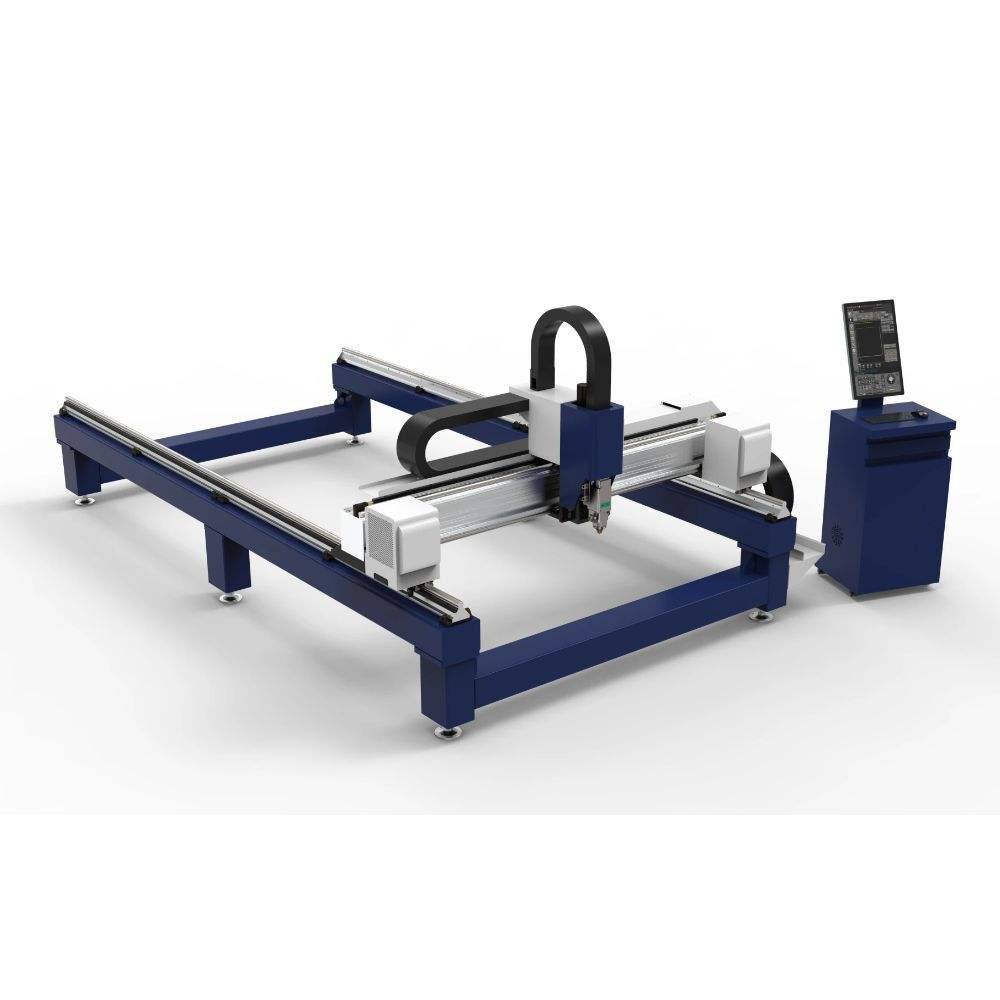
A 4kW fiber laser system utilizes a solid-state gain medium, providing a wavelength of approximately 1.06 microns. This wavelength is significantly better absorbed by non-ferrous metals compared to the 10.6 microns of traditional CO2 lasers. This absorption efficiency is critical when dealing with the high reflectivity of aluminum. The 4kW power level allows for high-speed laser cutting of aluminum sheets ranging from 1mm to 12mm, with the capability to pierce and cut up to 15mm in specialized applications.
 laser cutting machine“>
Modern systems are equipped with high-dynamic motion controls and linear motors that can reach accelerations of up to 2.8G. In Queretaro’s fast-paced production environments, these speeds ensure that the “time-per-part” metric remains low, maximizing the return on investment. Furthermore, the integration of CNC controllers with real-time monitoring allows for precise adjustment of the beam profile, ensuring consistent results even across varying batches of aluminum alloy.
Processing Aluminum Alloys: The Metallurgical Challenge
Aluminum is prized in the aerospace and automotive sectors for its high strength-to-weight ratio and corrosion resistance. However, from a laser cutting perspective, it presents unique challenges: high thermal conductivity and high optical reflectivity. The 4kW precision system is specifically engineered to overcome these hurdles through high power density and advanced beam modulation.
Common Alloys in the Queretaro Industrial Corridor
Queretaro’s manufacturing base frequently utilizes the following alloys:
- 6061-T6: Widely used in structural components. It requires precise heat control to avoid over-softening the heat-affected zone (HAZ).
- 5052: Common in marine and automotive applications due to its excellent formability. It cuts cleanly with a 4kW system, leaving a burr-free edge.
- 2024 and 7075: Aerospace-grade alloys. These are more sensitive to thermal cracking and require optimized laser cutting parameters to maintain structural integrity.
The 4kW system provides enough energy to create a stable “keyhole” in the melt pool, which is essential for consistent vaporisation and expulsion of the molten material. This prevents the “dross” or slag buildup that often plagues lower-power systems when attempting to cut thicker aluminum plates.
Optimizing Parameters for High-Reflectivity Metals
To successfully process aluminum, the 4kW system employs back-reflection protection. Without this, the reflected laser light could travel back into the fiber delivery cable and damage the resonator. Engineers in Queretaro must also focus on focal position management. Unlike carbon steel, aluminum often requires a “negative” focal position—where the beam is focused slightly inside the material—to create a wider kerf that facilitates easier melt expulsion.
The Role of Assist Gases in Precision Cutting
The choice of assist gas is a critical variable in the laser cutting process, particularly for aluminum alloys. In the Queretaro market, where nitrogen and oxygen are readily available through industrial gas suppliers, the choice usually boils down to the required edge quality and post-processing needs.
Nitrogen: The Standard for Aerospace Quality
Nitrogen is the preferred assist gas for 4kW systems cutting aluminum. As an inert gas, it does not react with the metal. Instead, it uses purely mechanical force to blow the molten aluminum out of the kerf. This results in an oxide-free, shiny edge that is ready for immediate welding or painting. For aerospace components in Queretaro, where strict adherence to AS9100 standards is required, nitrogen cutting is mandatory to ensure there is no brittle oxide layer on the cut surface.
Oxygen and Compressed Air Alternatives
While oxygen can increase cutting speeds in thicker sections by introducing an exothermic reaction, it often results in a heavily oxidized, rough edge on aluminum. Compressed air is becoming a popular middle-ground for 4kW systems. By using high-pressure filtered air (up to 16 bar), shops in Queretaro can significantly reduce gas costs while maintaining acceptable speeds for non-critical automotive parts. However, the 4kW system must be equipped with a robust filtration system to ensure no oil or moisture contaminates the laser cutting head.
Queretaro’s Strategic Advantage in Laser Fabrication
The geographic concentration of OEMs in Queretaro, such as Bombardier, Airbus, and various automotive giants, creates a high-velocity supply chain. A 4kW precision laser system allows local job shops to offer “Just-In-Time” (JIT) delivery. The ability to switch between different aluminum thicknesses and alloy types with minimal setup time is a significant competitive advantage.
Proximity to Technical Support and Training
One of the benefits of operating a 4kW system in Queretaro is the local infrastructure for technical support. Most major laser manufacturers have service centers in or near the Bajío region. This ensures that maintenance, such as replacing protective windows or calibrating the external optical path, can be performed with minimal downtime. Furthermore, local technical universities provide a steady stream of engineers trained in CAD/CAM software, which is essential for nesting and optimizing laser cutting paths to minimize aluminum scrap.
Environmental and Economic Impact
Queretaro’s industrial parks are increasingly focusing on sustainability. Fiber lasers are significantly more energy-efficient than older CO2 technology. A 4kW fiber laser consumes roughly 70% less electricity than a CO2 laser of equivalent cutting capacity. This not only reduces the carbon footprint of the manufacturing facility but also lowers the overhead costs in a region where energy prices are a significant factor in operational budgets.
Maintenance Protocols for High-Performance Systems
To maintain the “precision” aspect of a 4kW laser, a rigorous maintenance schedule is required. In the dusty environments sometimes found in industrial zones, the chiller system and the optical housing must be kept pristine.
Chiller and Thermal Management
The 4kW resonator and the laser cutting head generate substantial heat. The chiller must maintain the deionized water at a precise temperature (usually within +/- 1 degree Celsius). In Queretaro’s climate, where ambient temperatures can fluctuate, an industrial-grade chiller with a dual-circuit cooling system is vital. If the temperature fluctuates, the laser wavelength can shift slightly, leading to “thermal lensing” and a loss of cut quality.
Optical Path Integrity
The most common failure point in laser cutting aluminum is the contamination of the protective window. Because aluminum cutting involves high-pressure gas and can produce fine metallic dust, the “cover glass” must be inspected daily. Any speck of dust can absorb the 4kW beam’s energy, causing the glass to shatter and potentially damaging the internal collimating lenses. Operators in Queretaro are encouraged to use clean-room protocols when handling these components.
Conclusion: The Future of Laser Cutting in the Bajío
The 4kW precision laser system is more than just a tool; it is a catalyst for industrial growth in Queretaro. By mastering the nuances of laser cutting aluminum alloys—from gas selection to thermal management—local manufacturers can compete on a global scale. As the aerospace and automotive sectors continue to evolve toward lighter, more complex designs, the precision offered by 4kW fiber technology will remain the cornerstone of the region’s manufacturing excellence. Investing in this technology today ensures that Queretaro remains at the forefront of the “Made in Mexico” movement, delivering high-quality, high-precision components to the world.