
The Strategic Advantage of 4kW Precision Laser Systems in Puebla’s Industrial Corridor
Puebla has long been established as a cornerstone of the North American manufacturing landscape. As the home to some of the world’s most significant automotive and aerospace facilities, the region demands a level of manufacturing precision that can only be met through advanced technology. Among these technologies, the 4kW precision laser system stands out as a transformative tool, particularly when processing aluminum alloys. This guide explores the technical intricacies, operational advantages, and localized benefits of implementing 4kW laser cutting technology in the heart of Mexico’s industrial hub.
The transition from traditional mechanical shearing or plasma cutting to high-power fiber laser systems represents a paradigm shift in productivity. For manufacturers in Puebla, where supply chains are tightly integrated with international standards, the ability to produce high-tolerance components with minimal post-processing is a competitive necessity. The 4kW power level is often considered the “sweet spot” for aluminum fabrication, offering the ideal balance between capital investment and high-speed throughput for medium-thickness materials.
Understanding the 4kW Fiber Laser Architecture
At the core of a 4kW precision system is the fiber laser source. Unlike CO2 lasers, which rely on gas mixtures and complex mirror paths, fiber lasers generate the beam within an ytterbium-doped optical fiber. This beam is then delivered via a flexible fiber optic cable directly to the cutting head. This architecture is inherently more stable and efficient, boasting electrical-to-optical conversion rates that far exceed older technologies.
For precision engineering, the 4kW output provides sufficient power density to vaporize aluminum alloys instantaneously. This high power density allows for a smaller heat-affected zone (HAZ), which is critical for maintaining the structural integrity of the alloy. In the context of Puebla’s automotive sector, where lightweighting is a primary objective, the ability to cut thin-to-medium gauge aluminum without warping or dross accumulation is invaluable.
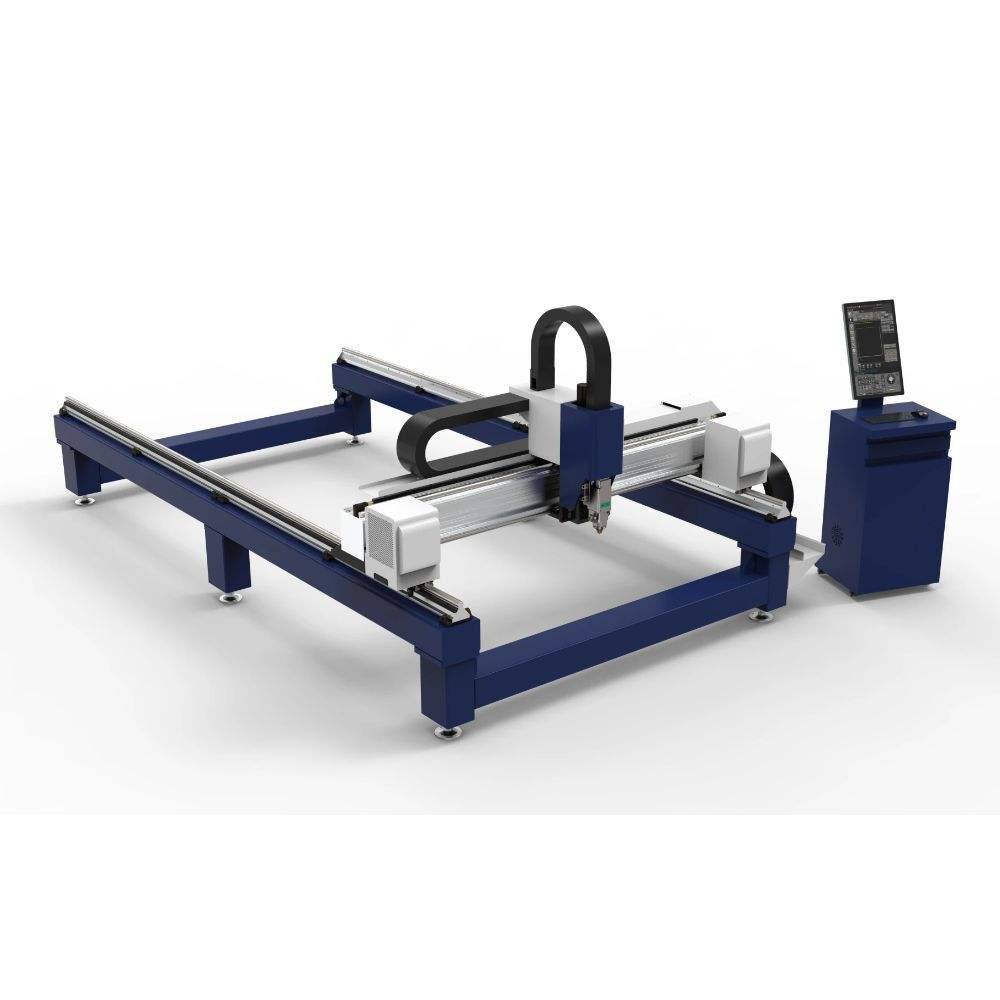
Optimizing Aluminum Alloy Processing
Aluminum alloys, such as the 5000 and 6000 series commonly used in the Puebla industrial sector, present unique challenges for laser cutting. Aluminum is highly reflective and possesses high thermal conductivity. In the early days of laser technology, back-reflection could damage the laser source itself. However, modern 4kW fiber lasers are equipped with advanced back-reflection protection, allowing for the safe and continuous processing of polished aluminum surfaces.
Overcoming Thermal Conductivity Challenges
Because aluminum dissipates heat rapidly, a high-intensity energy source is required to maintain a stable melt pool. The 4kW system provides the necessary “punch” to pierce the material quickly and maintain high feed rates. When the cutting speed is optimized, the heat is focused specifically on the kerf, preventing the surrounding material from reaching temperatures that would alter its tempered state (T4, T6, etc.).
Precision is further enhanced by the CNC control systems integrated into these machines. In Puebla’s fabrication shops, these systems are often programmed with specific “recipes” for different aluminum grades. These parameters include nozzle height, gas pressure, and pulse frequency, ensuring that every cut—whether it is a complex geometry for an aerospace bracket or a simple structural plate—meets exacting specifications.
The Role of Assist Gases in Aluminum Cutting
The choice of assist gas is a critical factor in the 4kW laser cutting process. For aluminum, nitrogen is the gold standard. By using high-pressure nitrogen, the molten material is mechanically blown out of the kerf before it can oxidize. This results in a clean, silver-colored edge that is ready for welding or painting without the need for secondary grinding. In high-volume production environments like those found in the San José Chiapa region, the elimination of secondary finishing steps significantly reduces the total cost per part.
 laser cutting machine“>
Industrial Applications in Puebla
Puebla’s economy is deeply intertwined with the automotive cluster. The 4kW precision laser system is utilized across various tiers of the supply chain. From Tier 1 suppliers producing chassis components to Tier 2 shops manufacturing intricate interior brackets, the versatility of the 4kW system is unmatched.
Automotive Lightweighting and Precision
As the automotive industry shifts toward electric vehicles (EVs), the demand for aluminum components has skyrocketed. Aluminum’s strength-to-weight ratio makes it ideal for battery enclosures and structural reinforcements. A 4kW laser cutting system allows manufacturers in Puebla to process these components with the speed required for just-in-time (JIT) delivery. The precision of the fiber laser ensures that hole diameters and slot dimensions remain within microns, which is essential for automated assembly lines where robotic arms expect perfect part consistency.
Aerospace and Specialized Fabrication
Beyond automotive, Puebla has seen a rise in aerospace manufacturing. Aerospace-grade aluminum (such as 7075) requires even tighter controls. The 4kW laser’s ability to modulate power and frequency allows for “cool cutting,” which minimizes the risk of micro-cracking in sensitive alloys. This level of control is a prerequisite for AS9100 certification, which many local shops are pursuing to capture more of the global aerospace market.
Technical Specifications and Maintenance for Local Operators
Implementing a 4kW system in a climate like Puebla’s—which can experience significant temperature fluctuations and volcanic ash from nearby Popocatépetl—requires specific maintenance protocols. The precision of the laser cutting process is dependent on the cleanliness of the optics and the stability of the chiller system.
Cooling Systems and Environment Control
A 4kW laser generates substantial heat within the power source and the cutting head. High-efficiency dual-circuit chillers are mandatory. These chillers must be maintained with deionized water and anti-corrosive additives to prevent internal scaling. Furthermore, because Puebla can be a dusty environment, pressurized cutting heads with “air curtains” are recommended to protect the protective window from contamination. A single speck of dust on a lens can absorb enough 4kW energy to shatter the optic, leading to costly downtime.
Calibration and Beam Alignment
To maintain “precision” status, the system must undergo regular beam alignment checks. While fiber lasers are much more robust than CO2 systems, the delivery head and the nozzle must be perfectly concentric. Local technicians in Puebla are increasingly being trained in these specialized maintenance routines, ensuring that the local industry remains self-sufficient and minimizes reliance on international service calls.
Economic Impact and ROI for Puebla Manufacturers
The investment in a 4kW laser cutting system is significant, but the Return on Investment (ROI) is often realized within 18 to 24 months in high-utilization environments. The primary drivers of this ROI are increased feed rates and reduced gas consumption compared to lower-power units. For example, a 4kW laser can cut 6mm aluminum nearly twice as fast as a 2kW system, effectively doubling the machine’s output without doubling the footprint or labor cost.
Labor Synergy and Skill Development
The introduction of these precision systems has also spurred a demand for skilled labor in the region. Engineering universities in Puebla are increasingly incorporating CNC programming and laser physics into their curricula. This creates a virtuous cycle where manufacturers have access to a skilled workforce capable of maximizing the potential of 4kW laser cutting technology, further cementing Puebla’s status as a high-tech manufacturing hub.
Sustainability and Energy Efficiency
Modern 4kW fiber lasers are significantly more energy-efficient than older technologies. In an era where energy costs in Mexico are a critical operational variable, the lower power consumption per cut part is a major advantage. Additionally, the precision of the laser reduces material waste through optimized nesting software, ensuring that the maximum number of parts is harvested from every sheet of aluminum alloy.
Conclusion: The Future of Fabrication in Puebla
The integration of 4kW precision laser systems into Puebla’s manufacturing sector is more than just a technological upgrade; it is a strategic necessity. As aluminum continues to replace steel in various high-performance applications, the ability to process these alloys with speed, precision, and efficiency will define the success of local fabricators. By mastering the nuances of laser cutting, from assist gas optimization to rigorous maintenance, Puebla’s industrial base is well-positioned to lead the next generation of North American manufacturing.
Whether it is for the production of automotive frames, aerospace components, or architectural elements, the 4kW fiber laser remains the tool of choice for those who refuse to compromise on quality. As the region continues to grow, these precision systems will remain at the forefront, driving innovation and economic prosperity throughout the state of Puebla.
















