Optimizing 4kW Precision Laser Systems for Aluminum Alloy Fabrication in Monterrey
The industrial landscape of Monterrey, Nuevo León, has long been recognized as the manufacturing heart of Mexico. As the region continues to evolve into a global hub for automotive, aerospace, and home appliance production, the demand for high-precision components has skyrocketed. Central to this evolution is the implementation of the 4kW precision laser system, a power class that offers the ideal balance of speed, accuracy, and operational cost for processing non-ferrous metals. Specifically, when dealing with aluminum alloys—materials known for their high reflectivity and thermal conductivity—the 4kW fiber laser has emerged as the industry standard for tier-one suppliers and specialized fabrication shops throughout the Monterrey metropolitan area.
 laser cutting Machine”>
The Technical Superiority of 4kW Fiber Lasers
In the context of laser cutting, the 4kW power rating represents a critical threshold for aluminum processing. Unlike CO2 lasers of the past, modern fiber lasers operate at a wavelength of approximately 1.06 microns. This shorter wavelength is more readily absorbed by aluminum, significantly reducing the risks associated with back-reflection, which can damage the optical components of the resonator. For a precision shop in Monterrey, a 4kW system provides enough energy density to overcome the high thermal diffusivity of aluminum alloys such as 6061-T6 and 5052-H32.
The beam quality, often measured by the M2 factor, is exceptionally high in 4kW systems. This allows for a tighter focal spot, which translates to a higher power density at the point of contact. For engineers, this means a narrower kerf width and a smaller heat-affected zone (HAZ). In high-stakes industries like aerospace, minimizing the HAZ is vital to maintaining the structural integrity and mechanical properties of the alloy after the laser cutting process is complete.
Aluminum Alloy Challenges: Reflectivity and Thermal Conductivity
Aluminum presents unique challenges that are not found when processing carbon or stainless steel. Its inherent reflectivity can act as a mirror to the laser beam, especially during the initial piercing phase. A 4kW precision system addresses this through advanced beam modulation and high-speed piercing protocols. By pulsing the laser at specific frequencies, the system can break the surface tension and reflectivity of the aluminum without allowing heat to build up excessively in the surrounding material.
Furthermore, Monterrey’s industrial climate—characterized by high ambient temperatures—requires robust cooling systems for these high-power lasers. The 4kW systems utilized in the region are typically equipped with dual-circuit chillers that independently regulate the temperature of the laser source and the cutting head. This ensures that even during a double-shift operation in the height of a Nuevo León summer, the beam remains stable and the cutting tolerances are maintained within microns.
Strategic Importance for the Monterrey Automotive Cluster
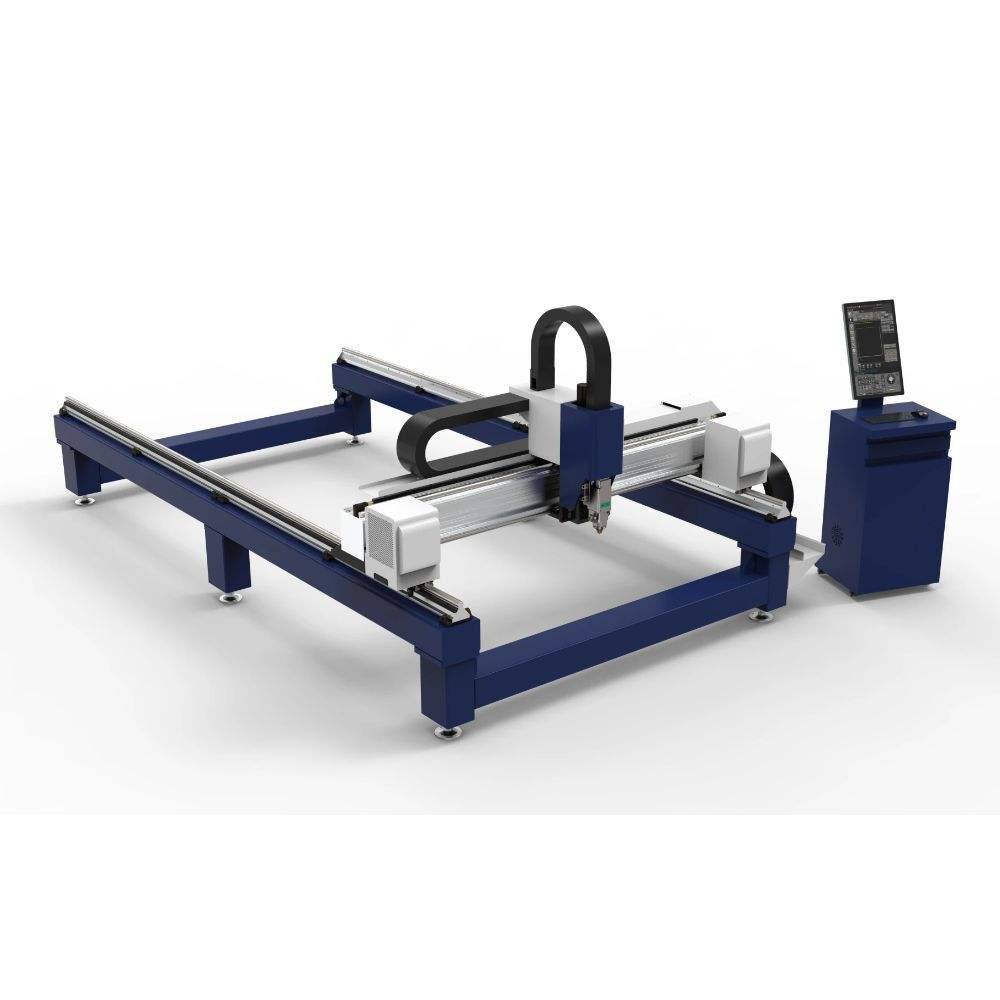
With the arrival of major electric vehicle (EV) manufacturers and their sprawling supply chains in the Santa Catarina and Apodaca districts, the shift toward lightweighting has made aluminum the material of choice. Aluminum alloys offer a high strength-to-weight ratio, but they require precision processing to meet the stringent standards of the automotive industry. A 4kW laser cutting system allows manufacturers to produce complex geometries, such as battery enclosures, structural brackets, and heat sinks, with high repeatability.
The speed of a 4kW system is another decisive factor. For 3mm aluminum sheet, a 4kW laser can achieve cutting speeds that significantly outperform lower-wattage units, thereby increasing the overall throughput of the facility. In a competitive market like Monterrey, where “just-in-time” delivery is the norm, the ability to process more parts per hour while maintaining edge quality is a significant competitive advantage.
Assist Gas Dynamics in Aluminum Laser Cutting
The choice of assist gas is paramount when using a 4kW system on aluminum. While oxygen can be used, it often leads to an oxidized edge that requires secondary cleaning before welding or painting. Consequently, most precision shops in Monterrey utilize high-pressure nitrogen. Nitrogen acts as a shielding gas, blowing away the molten material to create a clean, oxide-free cut. This is particularly important for the 5000 and 6000 series alloys commonly used in the region.
At 4kW, the gas pressure must be meticulously calibrated. Too little pressure results in dross (re-solidified aluminum) on the bottom of the cut, while too much pressure can cause turbulence in the melt pool, leading to a rougher surface finish. Modern 4kW systems feature automated gas consoles that adjust pressure and flow rates in real-time based on the material thickness and the specific alloy grade being processed.
Optimizing the Piercing Process
Piercing is often the most difficult stage of laser cutting aluminum. Because of the material’s thermal properties, a standard “blast pierce” can result in a large, messy entry hole that may compromise the geometry of small features. Precision 4kW systems utilize “stage piercing” or “frequency-modulated piercing.” By starting with a low-frequency pulse and gradually increasing the power and frequency, the laser creates a clean, small-diameter hole. This allows for the placement of lead-ins very close to the final part geometry, maximizing material utilization and reducing scrap—a key metric for any Monterrey-based plant manager.
Maintenance and Environmental Considerations in Northern Mexico
Operating high-precision machinery in Monterrey requires an understanding of the local environment. Dust and particulate matter from the surrounding industrial zones can infiltrate sensitive optical areas if not properly managed. A 4kW system must be housed in a controlled environment, or at the very least, be equipped with a pressurized bellows system and high-efficiency particulate air (HEPA) filtration for the cutting cabinet.
Regular maintenance of the protective windows and the focal lens is non-negotiable. Even a microscopic amount of aluminum dust on the lens can absorb the 4kW of energy, leading to thermal shift or catastrophic lens failure. Engineering teams should implement a strict daily inspection schedule to ensure that the “sweet spot” of the laser remains consistent throughout the production run.
Economic Impact and ROI for Local Manufacturers
Investing in a 4kW precision laser system is a significant capital expenditure, but the Return on Investment (ROI) in the Monterrey market is often realized within 18 to 24 months. The primary drivers of this ROI are the reduction in secondary processing and the increase in feed rates. When laser cutting aluminum with a 4kW fiber source, the edges are typically “weld-ready,” eliminating the need for deburring or grinding. This saves labor costs and reduces the total cycle time per part.
Additionally, the energy efficiency of fiber laser technology compared to older CO2 systems is substantial. In a region where energy costs are a major operational factor, the lower wall-plug power consumption of a 4kW fiber laser provides ongoing savings that contribute directly to the bottom line. The integration of nesting software further optimizes the process, allowing Monterrey fabricators to squeeze the maximum number of parts out of every aluminum sheet, which is vital given the fluctuating global prices of raw aluminum.
Future-Proofing Monterrey’s Fabrication Industry
As we look toward the future of manufacturing in Northern Mexico, the integration of Industry 4.0 features with 4kW laser cutting systems will become standard. Real-time monitoring of beam quality, automated nozzle changers, and AI-driven predictive maintenance are already being adopted by leading firms in Monterrey. These technologies ensure that the 4kW system operates at peak efficiency, minimizing downtime and maximizing the precision required for the next generation of aluminum-intensive products.
The transition to 4kW systems also prepares local shops for the handling of even more exotic alloys and composites that are beginning to emerge in the aerospace sector. By mastering the nuances of aluminum processing today, Monterrey’s engineering community is positioning itself as a global leader in high-tech fabrication.
Conclusion
The 4kW precision laser system is more than just a tool; it is a catalyst for industrial growth in Monterrey. Its ability to handle the complexities of aluminum alloys with speed and extreme accuracy makes it an indispensable asset for any manufacturer looking to compete on the global stage. By understanding the physics of the laser cutting process, optimizing assist gas dynamics, and maintaining the system against the challenges of the local environment, Monterrey-based companies can continue to deliver the high-quality components that the world’s most demanding industries require. As the city continues its trajectory as a manufacturing powerhouse, the 4kW laser will remain at the forefront of its technological arsenal.