
Precision Fiber laser cutting: The 4kW Standard for Aluminum Alloy Fabrication in Mexico City
The industrial landscape of Mexico City (CDMX) and its surrounding metropolitan areas, such as Naucalpan, Tlalnepantla, and Querétaro, has seen a significant shift toward high-precision manufacturing. As a hub for the automotive, aerospace, and electronics sectors, the demand for processing non-ferrous metals—specifically aluminum alloys—has never been higher. The 4kW precision fiber laser system has emerged as the industry standard for these applications, offering a perfect balance between power, speed, and edge quality. This guide explores the technical nuances of operating a 4kW laser system in the unique environmental and industrial conditions of Central Mexico.
The Technical Advantage of 4kW Power for Aluminum
Aluminum is notoriously difficult to process via traditional laser cutting methods due to its high thermal conductivity and high reflectivity. In the early days of CO2 lasers, aluminum often caused back-reflections that could damage the resonator. However, modern 4kW fiber laser systems utilize a 1.06-micron wavelength that is much more readily absorbed by aluminum. The 4kW power threshold is significant because it provides enough energy density to overcome the material’s initial reflectivity quickly, establishing a stable melt pool for high-speed processing.
For aluminum alloys such as 5052 and 6061, which are staples in the Mexican automotive and construction industries, a 4kW system allows for clean cuts in thicknesses ranging from 1mm up to 12mm. While higher power systems exist, the 4kW unit offers the most efficient “sweet spot” for precision components where the heat-affected zone (HAZ) must be minimized to maintain the structural integrity of the alloy’s temper.
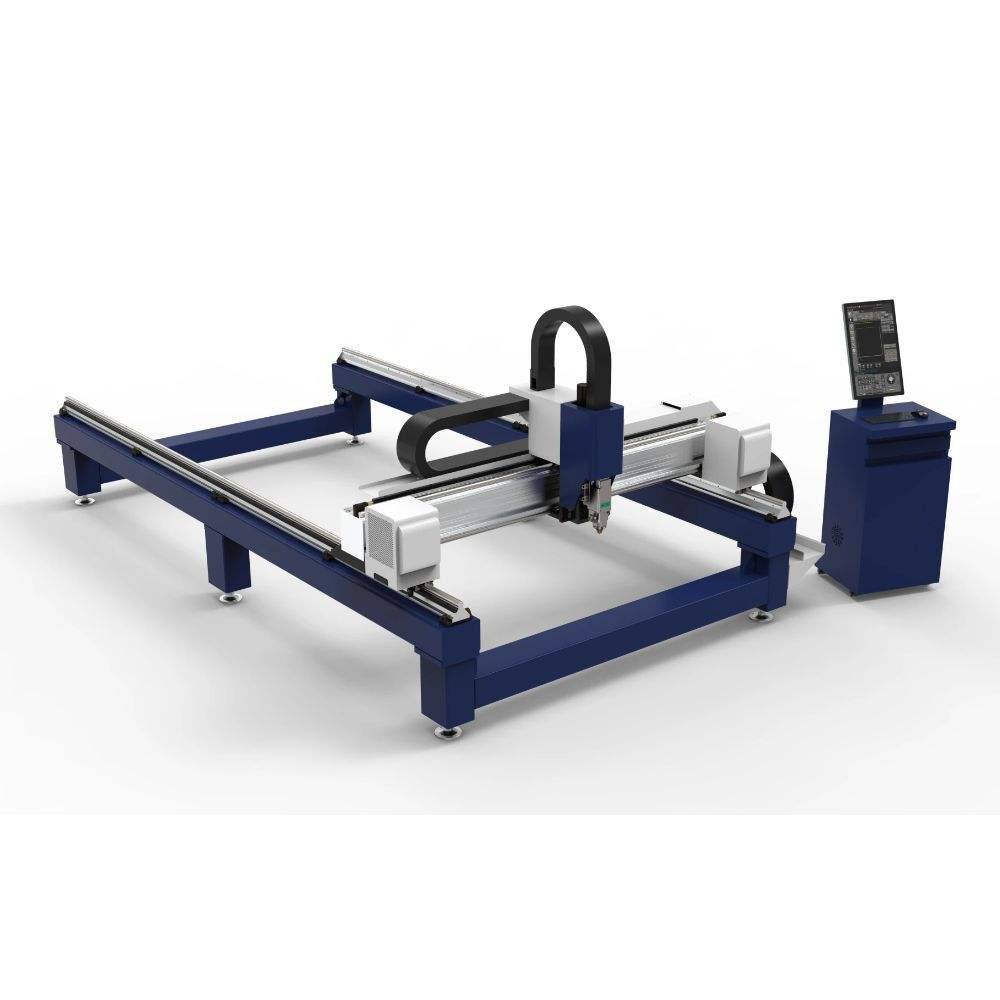
Environmental Considerations: The Mexico City Factor
Operating high-precision laser cutting equipment in Mexico City presents unique engineering challenges, primarily due to the city’s altitude and climate. Situated at approximately 2,240 meters (7,350 feet) above sea level, the atmospheric pressure is significantly lower than at sea level. This altitude affects the physics of the laser system in several ways:
1. Assist Gas Dynamics: The lower air density in CDMX affects the flow dynamics of assist gases like Nitrogen and Oxygen. When cutting aluminum, Nitrogen is typically used to ensure a dross-free, oxide-free edge. At high altitudes, the pressure settings on the regulator may need to be adjusted to compensate for the lower ambient pressure to ensure the kinetic energy of the gas jet is sufficient to clear the molten aluminum from the kerf.
2. Cooling System Efficiency: Laser resonators and cutting heads generate significant heat. Chiller units, which rely on heat exchange with the ambient air, operate less efficiently in thinner air. For a 4kW system in Mexico City, it is imperative to use an oversized or high-efficiency chiller to prevent thermal drifting, which can affect the focal point and compromise the precision of the cut.
Optimizing Parameters for Aluminum Alloys
Aluminum alloys are categorized by their alloying elements, and each reacts differently to the laser cutting process. In the Mexican market, 5000-series (magnesium-based) and 6000-series (silicon and magnesium-based) are the most common. To achieve a burr-free finish, operators must fine-tune several variables:
Frequency and Pulse Width
For precision work, especially on intricate geometries, modulating the laser’s frequency is essential. While continuous wave (CW) mode is used for high-speed straight cuts, pulsed modes are preferred for tight corners to prevent over-burning. In the 4kW range, maintaining a high pulse frequency ensures that the energy is delivered fast enough to melt the material but controlled enough to prevent the high thermal conductivity of aluminum from drawing heat away into the surrounding area.
Nozzle Selection and Stand-off Distance
The choice of nozzle is critical when processing aluminum. A double-layer nozzle is often used to stabilize the gas flow. In Mexico City’s environment, maintaining a precise stand-off distance (typically between 0.5mm and 1.0mm) is vital. Because the air is thinner, any turbulence in the assist gas flow is magnified, which can lead to inconsistencies in the edge quality of the aluminum alloy.

Assist Gas Strategy: Nitrogen vs. Oxygen
In the context of 4kW laser cutting, the choice of assist gas defines the final product’s quality. For most precision aluminum applications in Mexico City, Nitrogen is the preferred choice. Nitrogen acts as a mechanical force to eject the melt without reacting with the metal. This results in a bright, clean edge that is ready for welding or painting without further processing.
However, for thicker aluminum plates (above 8mm), some shops in Mexico use Oxygen-assisted cutting to increase speed. This creates an exothermic reaction that adds energy to the process. The downside is the formation of an aluminum oxide layer on the cut edge, which is extremely hard and must be mechanically removed if the part is to be welded. Given the high-quality standards of the Tier 1 and Tier 2 automotive suppliers in the region, Nitrogen remains the gold standard for 4kW systems.
Maintenance Protocols in High-Altitude Industrial Zones
The industrial zones of Vallejo and Tlalnepantla are known for high levels of particulate matter and fluctuating humidity. For a 4kW precision laser, cleanliness is the cornerstone of maintenance. The optical path must be kept under positive pressure with clean, dry air to prevent dust from settling on the lenses or mirrors.
1. Optical Inspection: In the high-altitude environment of CDMX, the dielectric breakdown of air can occur more easily if pollutants are present. Regular inspection of the protective window is mandatory. Even a microscopic speck of dust can absorb 4kW of energy, leading to a “thermal lens” effect or the total destruction of the optical element.
2. Beam Alignment: Thermal expansion and contraction can be significant in the high-plateau climate of Central Mexico, where day-to-night temperature swings are common. Operators should verify beam centering in the nozzle daily to ensure that the laser cutting path remains perfectly vertical, preventing asymmetrical dross formation on aluminum parts.
Economic Impact for Mexican Manufacturers
The adoption of 4kW fiber lasers has provided Mexican manufacturers with a competitive edge in the North American market. With the “Nearshoring” trend bringing more production from Asia to Mexico, the ability to rapidly prototype and mass-produce aluminum components is vital. A 4kW system offers the throughput necessary to meet “Just-in-Time” (JIT) delivery requirements for the automotive plants in Puebla and Guanajuato.
Furthermore, the energy efficiency of fiber technology compared to older CO2 systems significantly reduces operational costs. In a region where energy prices can be volatile, the lower KVA requirement of a 4kW fiber laser allows small and medium-sized enterprises (SMEs) in Mexico City to compete on a global scale.
Safety and Standards
Operating a 4kW laser requires strict adherence to international safety standards, such as IEC 60825-1. In Mexico, NOM (Normas Oficiales Mexicanas) standards also apply to industrial equipment. Because the 1.06-micron wavelength of a fiber laser is invisible and can cause permanent eye damage even from reflections off a shiny aluminum surface, the system must be fully enclosed in a Class 1 laser-safe housing. Proper filtration systems are also necessary to handle the fine aluminum dust generated during the laser cutting process, which can be explosive if allowed to accumulate in high concentrations.
Conclusion
The 4kW precision laser system represents a transformative technology for the aluminum fabrication industry in Mexico City. By understanding the interplay between the material properties of aluminum alloys and the unique environmental conditions of high-altitude operation, engineers can achieve unparalleled levels of accuracy and efficiency. As Mexico continues to solidify its position as a global manufacturing powerhouse, the precision afforded by 4kW fiber laser cutting will remain a cornerstone of industrial excellence in the region.
















