
Introduction to 4kW Fiber laser cutting in Toluca’s Industrial Sector
The industrial landscape of Toluca, State of Mexico, has undergone a significant transformation over the last decade. As one of Mexico’s primary manufacturing hubs, particularly for the automotive and HVAC sectors, the demand for high-precision metal fabrication has skyrocketed. Central to this evolution is the 4kW fiber laser cutting machine. This specific power rating represents a “sweet spot” for many medium-to-heavy industrial applications, offering a perfect balance between speed, edge quality, and operational cost.
For engineering firms and metal service centers in Toluca, the transition from CO2 lasers or plasma cutting to fiber laser technology has become a competitive necessity. Fiber lasers utilize a solid-state gain medium, which allows for a much smaller beam diameter and significantly higher electrical efficiency. When applied to 4kW systems, this technology provides the intensity required to vaporize metals with extreme precision, minimizing the heat-affected zone (HAZ) and ensuring that parts meet the rigorous tolerances required by Tier 1 automotive suppliers and construction contractors.

Why 4kW is the Preferred Power Level
In the realm of laser cutting, power dictates both the maximum thickness of the material and the speed at which it can be processed. A 4kW fiber laser is particularly versatile. While lower power units (1kW-2kW) struggle with thicker plates, and ultra-high power units (12kW+) require massive capital investment and infrastructure, the 4kW system handles the most common industrial gauges with ease. It can efficiently process carbon steel up to 20mm and stainless steel up to 10mm. However, its performance on galvanized steel is where many Toluca-based manufacturers find the most value, as this material is ubiquitous in local ductwork, chassis components, and electrical enclosures.
The Technical Challenges of Cutting Galvanized Steel
Galvanized steel is essentially carbon steel coated with a layer of zinc to prevent corrosion. While excellent for longevity, this zinc coating introduces several variables into the laser cutting process. Zinc has a much lower melting point than the underlying steel. During the cutting process, the zinc layer tends to vaporize and can interfere with the stability of the laser beam or create “dross” (hardened slag) on the underside of the cut.
A 4kW fiber laser provides the necessary energy density to overcome these challenges. The high intensity of the fiber beam allows for rapid piercing and high-speed traversal, which limits the time the zinc has to boil and affect the surrounding material. Engineering teams in Toluca must calibrate their machines to account for the reflective nature of the zinc coating, although fiber lasers are significantly less susceptible to back-reflection damage than older CO2 models.
Gas Selection for Galvanized Applications
One of the most critical decisions in laser cutting galvanized steel is the choice of assist gas. In Toluca’s high-altitude environment, gas dynamics can behave slightly differently, and selecting the right medium is essential for edge quality.
- Oxygen (O2): Typically used for thicker carbon steels, oxygen acts as an exothermic fuel, adding heat to the cut. While it allows for cutting thicker sections, it can lead to oxidation on the edges and may cause the zinc coating to flake or burn away from the cut line.
- Nitrogen (N2): This is the preferred choice for high-quality finishes on galvanized steel. Nitrogen acts as a shielding gas, blowing away the molten metal without causing a chemical reaction. This results in a clean, weld-ready edge that retains the protective properties of the zinc as close to the cut as possible.
- Compressed Air: For many cost-conscious shops in Toluca, high-pressure compressed air is a viable alternative for thinner gauges of galvanized steel. It offers a middle ground in terms of speed and cost, though it requires a robust filtration and drying system to prevent lens contamination.
The Impact of Toluca’s Geography on Laser Operations
Toluca sits at an elevation of approximately 2,660 meters (8,730 feet) above sea level. For mechanical engineers and machine operators, this altitude introduces specific environmental factors that must be managed. The air is thinner and typically drier, which can affect the cooling efficiency of the machine’s chiller units and the performance of air compressors used for laser cutting assist gas.
A 4kW fiber laser generates significant heat within the laser source and the cutting head. At higher altitudes, the heat exchange rate of standard air-cooled or water-cooled chillers may decrease. It is imperative for shops in Toluca to ensure their 4kW systems are equipped with oversized or high-efficiency cooling systems to maintain a stable operating temperature. Furthermore, the lower atmospheric pressure can influence the behavior of the plasma plume during the cutting process, requiring slight adjustments to the nozzle height and gas pressure parameters compared to sea-level operations.
Integration with Automotive Supply Chains
With the presence of major OEMs in the Toluca-Lerma industrial corridor, the 4kW fiber laser cutting machine serves as a linchpin for “Just-In-Time” (JIT) manufacturing. These machines are often integrated into automated workflows where CAD/CAM software translates 3D models directly into cutting paths. The repeatability of the 4kW fiber laser ensures that the first part produced is identical to the thousandth, a requirement that is non-negotiable for automotive safety components and structural brackets made from galvanized alloys.
Advanced Features of Modern 4kW Systems
Modern machines are no longer just a laser source and a CNC table; they are sophisticated ecosystems designed for maximum uptime. When selecting a machine for galvanized steel processing, several features are paramount:
Auto-Focus Cutting Heads
Galvanized sheets are not always perfectly flat. Auto-focus heads use capacitive sensors to maintain a constant distance between the nozzle and the workpiece. This is critical when laser cutting galvanized steel, as any fluctuation in focal point can result in inconsistent vaporization of the zinc layer, leading to increased dross and rework.
Fume Extraction and Filtration
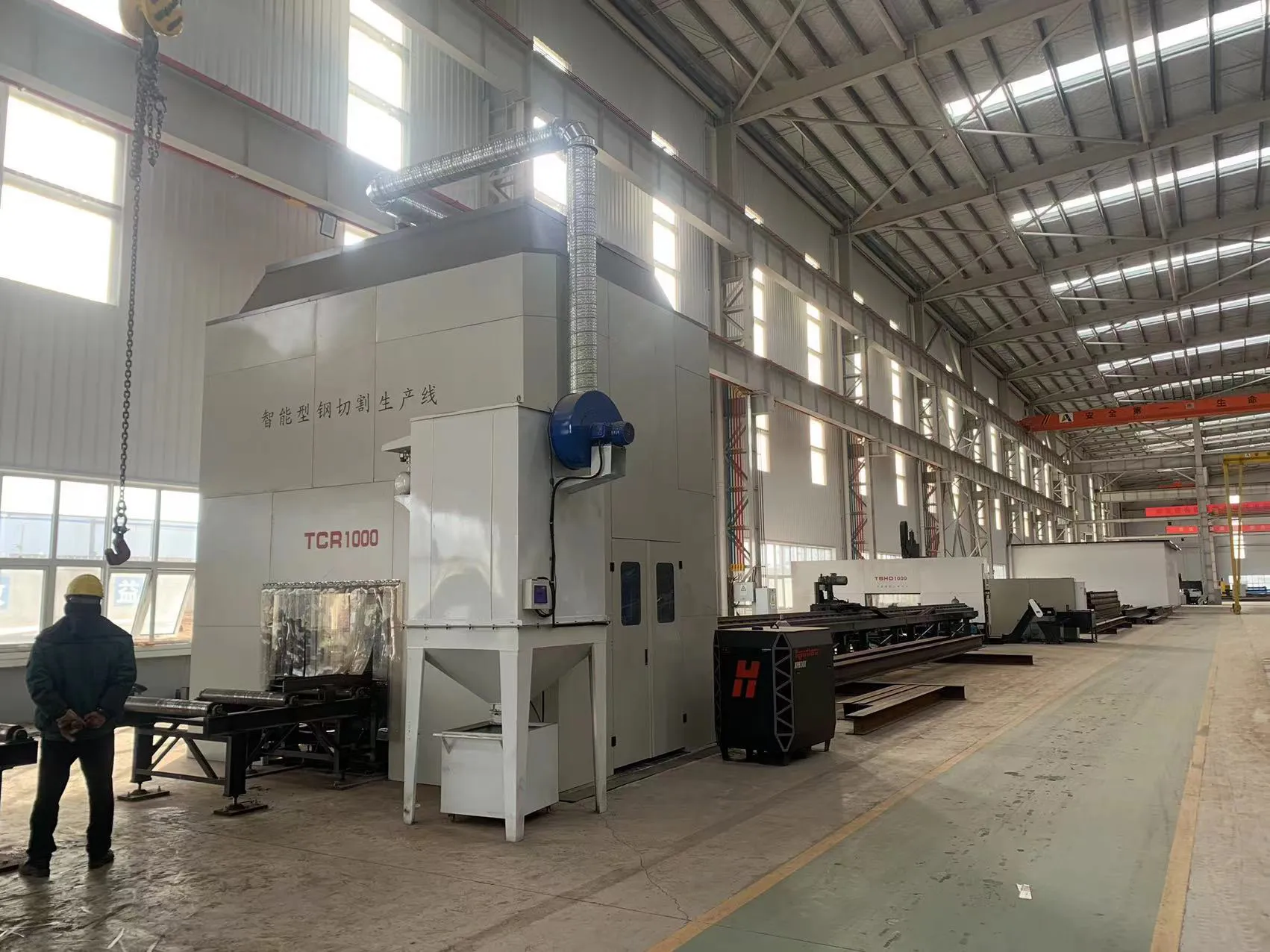
Cutting galvanized steel produces zinc oxide fumes, which are toxic if inhaled. In an enclosed factory environment in Toluca, a high-capacity dust collector and fume extraction system are mandatory. Professional 4kW systems feature zoned extraction tables that only pull air from the area directly beneath the cutting head, maximizing efficiency and ensuring a safe working environment for operators.
Pallet Changers and Automation
To fully leverage the speed of a 4kW fiber laser, manual loading and unloading often become the bottleneck. Automatic pallet changers allow the operator to prep a new sheet of galvanized steel while the machine is still processing the previous one. In high-volume environments, this can increase daily output by over 30%.
Maintenance Protocols for Peak Performance
To maintain the precision required for high-end engineering projects, a strict maintenance schedule is required. The 4kW fiber laser is a robust tool, but it is sensitive to contamination.
Optical Path Integrity
The protective windows (cover glass) in the cutting head must be inspected daily. When cutting galvanized steel, the “spatter” from the zinc coating can occasionally reach the lens if gas pressures are not optimized. Even a microscopic speck of dust can absorb laser energy, heat up, and shatter the lens. Cleaning must be done in a “clean-room” style environment using high-purity isopropyl alcohol.
Chiller Maintenance
The coolant in the chiller must be changed periodically and treated with algaecide. In Toluca’s climate, temperature swings between day and night can be significant. A chiller with precise temperature control (within +/- 0.5 degrees Celsius) is necessary to keep the laser wavelength stable and prevent thermal expansion in the cutting head components.
Economic Viability and ROI
Investing in a 4kW fiber laser cutting machine in Toluca is a significant capital expenditure, but the Return on Investment (ROI) is typically realized through three avenues: speed, material savings, and secondary process elimination. Fiber lasers cut thin galvanized sheets up to five times faster than CO2 lasers. Additionally, the narrow kerf (the width of the cut) allows for tighter nesting of parts, which reduces material waste—a critical factor given the fluctuating prices of galvanized steel.
Furthermore, the edge quality provided by a 4kW system often eliminates the need for secondary grinding or deburring. For a manufacturer in Toluca producing thousands of parts per month, the labor savings alone can contribute significantly to the machine’s payback period, which is often less than 24 months in high-utilization environments.
Conclusion
The 4kW fiber laser cutting machine has proven itself to be an indispensable tool for the modern fabricator in Toluca. Its ability to handle the complexities of galvanized steel—ranging from zinc vaporization to high-precision edge requirements—makes it the standard for the automotive, construction, and appliance industries. By understanding the technical nuances of gas selection, altitude adjustments, and rigorous maintenance, Toluca’s manufacturers can continue to compete on a global scale, delivering high-quality components with unmatched efficiency. As technology continues to advance, the integration of higher power and smarter automation will only further solidify the fiber laser’s role as the heart of the Mexican manufacturing sector.
















