Introduction: The Strategic Evolution of Tijuana’s Kitchenware Manufacturing
In the competitive landscape of the Tijuana manufacturing sector, particularly within the Maquiladora framework, the demand for high-end kitchenware has shifted toward materials that offer both aesthetic appeal and functional longevity. Brass, a primary material for luxury faucets, high-end cabinetry hardware, and specialized industrial kitchen components, presents unique challenges in thermal processing. As factories in the Baja California region scale to meet North American export demands, the adoption of the 4kW Fiber Laser Cutting Machine has emerged as a critical technical upgrade.
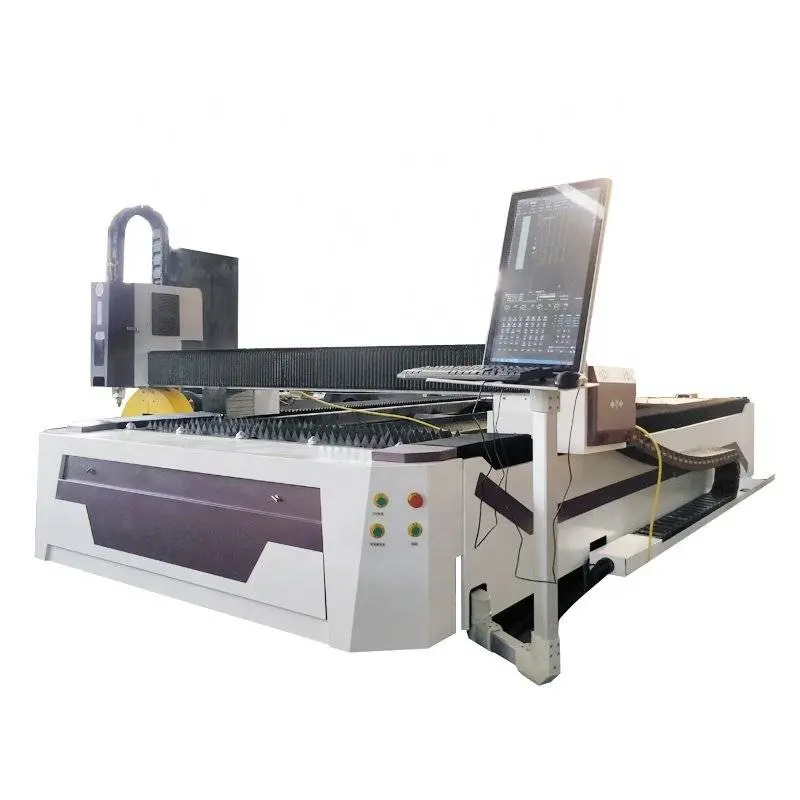
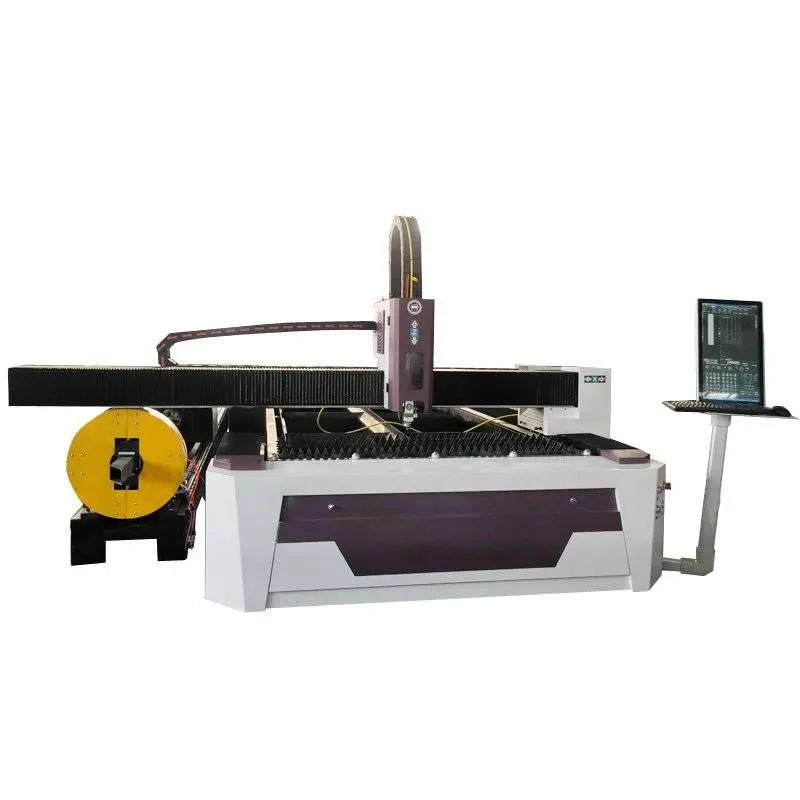
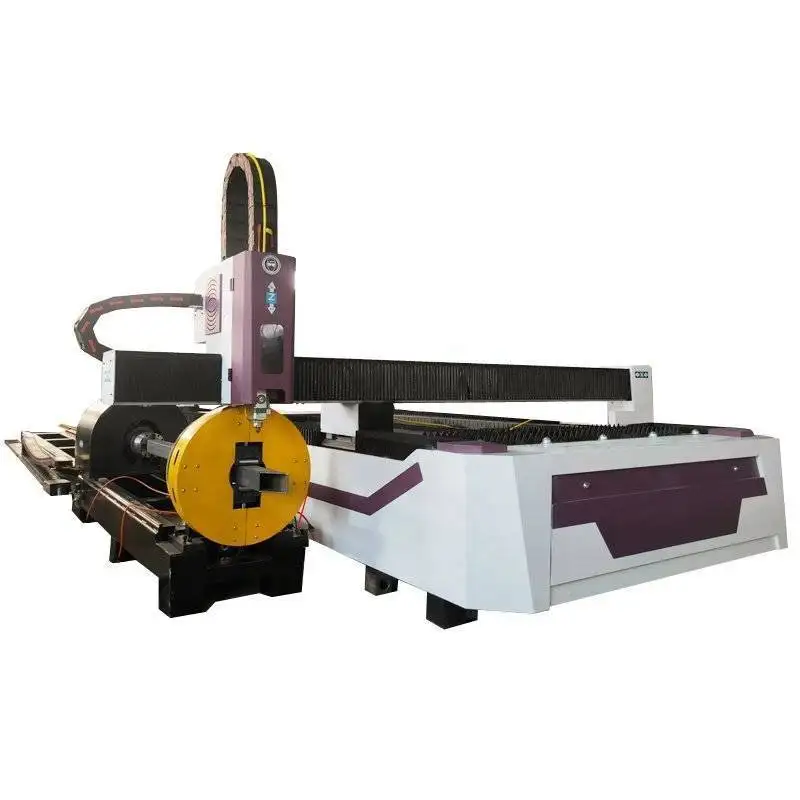
This guide provides a comprehensive engineering analysis of the 4kW fiber laser system, specifically configured with a tube-welded standard bed. For kitchenware factory owners and lead engineers, understanding the synergy between 4kW power density and structural bed stability is essential for achieving the micron-level precision required for modern interior hardware.
The Technical Challenge of Cutting Brass
Brass is classified as a highly reflective material. In the context of fiber laser technology, high reflectivity poses two significant hurdles: energy absorption and back-reflection damage. At lower power levels, such as 1kW or 2kW, the laser beam often struggles to break the surface tension of the brass alloy, leading to inconsistent cuts and potential damage to the laser source.
The 4kW fiber laser provides the necessary power density to overcome the initial reflectivity of brass. By utilizing a 4000-watt output, the energy concentration is sufficient to instantly melt the material, allowing the auxiliary gas (typically Nitrogen or Oxygen) to clear the kerf efficiently. This power level ensures that the cutting speed remains high enough to prevent heat accumulation, which is the primary cause of dross and edge discoloration in brass components.
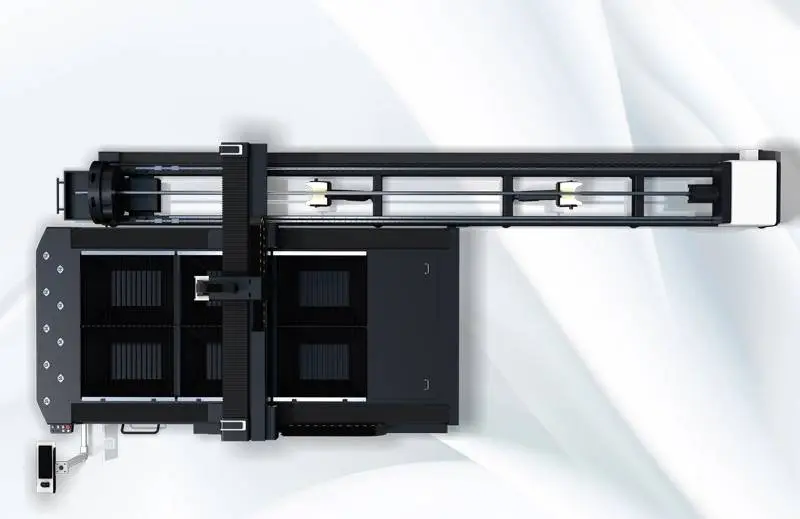
Engineering the Foundation: The Tube-welded Standard Bed
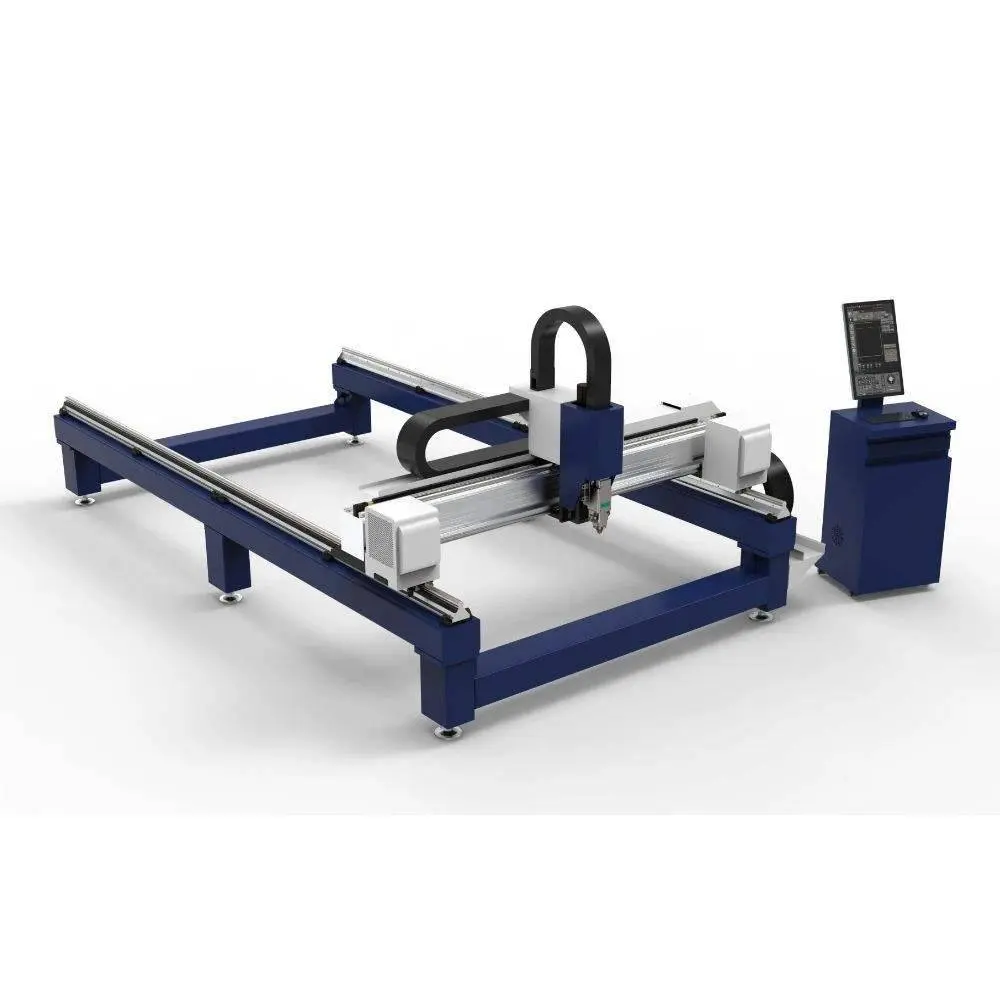
For kitchenware manufacturers, the longevity of the machine is as important as its cutting speed. The 4kW Fiber Laser utilizes a Tube-welded Standard Bed, a structural choice that balances rigidity with cost-effectiveness and thermal stability.
The bed is constructed using high-strength industrial rectangular tubes. During the manufacturing process, these tubes undergo a rigorous stress-relief procedure. This involves high-temperature annealing to eliminate internal stresses generated during the welding phase. For an engineer, this is a vital detail: without proper annealing, the bed would eventually warp under the constant thermal cycles of the laser, leading to a loss of positioning accuracy over time.
The tube-welded design offers several advantages for the Tijuana market:
1. Vibration Damping: The hollow-core structure of the welded tubes provides natural vibration-damping properties. This is critical when the laser head is moving at high accelerations (up to 1.2G) to cut intricate kitchenware patterns.
2. Structural Integrity: The multi-segment welding ensures that the load-bearing capacity is distributed evenly, preventing the “sagging” effect seen in lower-quality frames.
3. Thermal Resistance: The design allows for better airflow and heat dissipation compared to solid plate frames, ensuring that the machine’s geometry remains stable during 24/7 production cycles common in high-output factories.
High-Precision Cutting for Kitchenware Components
Kitchenware production often requires complex geometries—from the intricate filigree on decorative brass handles to the exact tolerances needed for faucet valve assemblies. The 4kW system achieves high precision through a combination of its motion control system and the inherent stability of the fiber laser beam.
Precision in brass cutting is measured by the smoothness of the edge (roughness) and the accuracy of the dimensions. With a 4kW source, the machine can maintain a positioning accuracy of ±0.03mm and a repeatability of ±0.02mm. In a data-driven environment, these metrics translate to a significant reduction in secondary finishing processes. Traditional methods often require extensive deburring and polishing; however, the high-pressure nitrogen assist used in 4kW cutting produces a “bright cut” surface that is often ready for plating or clear-coating immediately after the laser process.
Data-Driven Performance Metrics
To assist engineers in production planning, the following performance data represents the 4kW fiber laser’s capability when processing common brass alloys (such as C26000 or C36000):
Material Thickness: 2mm Brass
Cutting Speed: 15 – 18 m/min
Auxiliary Gas: Nitrogen (1.2 – 1.5 MPa)
Material Thickness: 5mm Brass
Cutting Speed: 4 – 6 m/min
Auxiliary Gas: Nitrogen (1.8 – 2.0 MPa)
Material Thickness: 8mm Brass
Cutting Speed: 1.5 – 2.2 m/min
Auxiliary Gas: Oxygen or Nitrogen (High Pressure)
These speeds demonstrate the efficiency gain over lower-wattage systems. For a Tijuana-based factory producing 5,000 units per month, the transition from a 2kW to a 4kW system can reduce total machine hours by approximately 40%, directly lowering the cost per part.
Optimizing the Optical Path for Reflective Materials
When cutting brass, the risk of back-reflection is a primary concern for maintenance engineers. Back-reflection occurs when the laser beam hits the reflective surface of the brass and bounces back into the cutting head and through the fiber delivery cable, potentially destroying the laser diodes.
The 4kW machines specialized for the kitchenware industry include integrated back-reflection protection. This involves:
1. Optical Isolators: Sensors that detect reflected light and instantly shut down the beam if thresholds are exceeded.
2. Specialized Nozzle Design: Optimized airflow that helps stabilize the molten pool, reducing the “splash” that contributes to reflection.
3. Piercing Technology: Utilizing “Frequency Piercing” rather than continuous wave piercing to minimize the time the laser is stationary over a reflective surface.
Integration into the Tijuana Maquiladora Ecosystem
Tijuana’s proximity to the United States necessitates a focus on “Nearshoring” efficiency. Kitchenware manufacturers must meet ISO standards and often adhere to Just-In-Time (JIT) delivery schedules for US-based distributors.
The 4kW Fiber Laser Cutting Machine supports this ecosystem by integrating with modern CAD/CAM software (such as CypCut). This allows engineers to import complex designs directly from design offices in California or Texas and begin production within minutes. The nesting software included with these machines is data-driven to maximize material utilization. Given the high cost of brass raw material, improving nesting efficiency by even 3-5% can result in thousands of dollars in monthly savings.
Maintenance and Operational Longevity
From a professional engineering standpoint, the maintenance of a tube-welded bed machine is straightforward but essential. The lack of complex cast components means that structural inspections are simplified. Key maintenance protocols for the 4kW system include:
1. Guide Rail Lubrication: Automated lubrication systems ensure that the X and Y axes move with minimal friction, preserving the ±0.02mm repeatability.
2. Dust Extraction: Brass cutting produces fine metallic dust. High-capacity dust collection systems are integrated to protect the optical components and the health of the operators.
3. Chiller Calibration: The 4kW laser source requires precise thermal management. Dual-circuit water chillers are used—one circuit for the laser source and one for the cutting head—to maintain a constant temperature of 22°C to 25°C, even in the warm climate of Baja California.
Economic Impact and ROI Analysis
For factory owners, the investment in a 4kW machine is justified through a rapid Return on Investment (ROI). While the initial capital expenditure (CAPEX) is higher than that of CO2 lasers or lower-power fiber lasers, the operational expenditure (OPEX) is significantly lower.
Fiber lasers boast an electrical conversion efficiency of approximately 30-35%, compared to the 8-10% of CO2 lasers. Furthermore, the absence of mirrors and bellows in the fiber delivery system reduces the “consumable” cost. For a brass-focused facility, the primary costs are electricity and auxiliary gas. By increasing cutting speeds, the “power-on” time per part is reduced, leading to a lower electricity bill per unit produced.
Conclusion: The Future of Brass Fabrication
The 4kW Fiber Laser Cutting Machine with a tube-welded standard bed represents the optimal balance of power, precision, and structural reliability for the Tijuana kitchenware market. By addressing the specific metallurgical challenges of brass and providing a stable platform for high-speed motion, this technology enables local manufacturers to compete on a global scale.
As the industry moves toward more intricate designs and tighter production windows, the ability to produce clean, high-precision cuts in reflective alloys will remain a defining competitive advantage. Engineers and factory owners who prioritize these technical specifications will find themselves well-positioned to lead the next generation of decorative and functional kitchenware manufacturing.