
Introduction to 4kW Fiber laser cutting in Tijuana’s Industrial Landscape
Tijuana has established itself as a premier global hub for advanced manufacturing, particularly within the aerospace, medical device, and automotive sectors. As the “maquiladora” industry evolves, the demand for high-precision fabrication tools has surged. Among these technologies, the 4kW fiber laser cutting machine stands out as a critical asset for processing non-ferrous metals, specifically aluminum alloys. The transition from CO2 lasers to fiber technology has revolutionized how local manufacturers approach production efficiency and material versatility.
A 4kW fiber laser cutting system provides the ideal balance between power consumption and cutting thickness. In a competitive market like Tijuana, where proximity to the United States demands fast turnaround times and stringent quality standards, the ability to process aluminum with high edge quality and minimal dross is a significant competitive advantage. This guide explores the technical nuances, operational strategies, and regional benefits of utilizing 4kW fiber laser technology for aluminum alloy fabrication.

Technical Specifications of the 4kW Fiber Laser
The core of the 4kW fiber laser cutting machine lies in its solid-state laser source. Unlike gas lasers, fiber lasers generate the beam through a series of pump diodes and a specialized optical fiber doped with rare-earth elements like ytterbium. This results in a wavelength of approximately 1.06 microns—about ten times shorter than that of a CO2 laser.
Energy Absorption and Beam Quality
For aluminum alloys, the wavelength is the most critical factor. Aluminum is naturally reflective in its solid state, particularly to the longer wavelengths of CO2 lasers. However, at 1.06 microns, aluminum’s absorption rate increases significantly. A 4kW power output ensures that the energy density at the focal point is sufficient to instantly vaporize the metal, overcoming the initial reflectivity and establishing a stable “keyhole” for the laser cutting process. The high beam quality, often measured by the Beam Parameter Product (BPP), allows for a smaller spot size, which translates to a narrower kerf and higher precision.
Processing Aluminum Alloys: Challenges and Solutions
Aluminum is often considered a “difficult” material for laser cutting due to its high thermal conductivity and high reflectivity. However, the 4kW fiber laser is specifically engineered to handle these characteristics through advanced optical and mechanical controls.
Managing High Reflectivity
One of the primary risks when laser cutting aluminum is back-reflection. If the laser beam is reflected back into the delivery fiber, it can cause catastrophic damage to the laser source. Modern 4kW machines used in Tijuana are equipped with back-reflection isolators and sensors that can detect reflected light and shut down the beam in microseconds. Furthermore, the 4kW power level allows the beam to penetrate the surface quickly, reducing the window of time where reflection is most likely to occur.
Thermal Conductivity and Heat-Affected Zones (HAZ)
Aluminum dissipates heat rapidly. While this is beneficial for some applications, in laser cutting, it can lead to a wider heat-affected zone if the cutting speed is too slow. The 4kW power density allows for high-speed processing, which keeps the heat concentrated at the cut line. This results in a cleaner edge and prevents the warping of thin-gauge aluminum sheets, which is essential for the precision components required by Tijuana’s medical device manufacturers.
Optimizing Assist Gases for Aluminum Cutting
The choice of assist gas is a pivotal decision in the laser cutting process, directly impacting the cost per part and the quality of the finish.
Nitrogen Cutting for Oxide-Free Edges
In high-end fabrication, Nitrogen is the preferred assist gas for aluminum. When using a 4kW fiber laser, Nitrogen acts as a mechanical force to blow the molten aluminum out of the kerf without reacting with the metal. This results in a bright, silver, oxide-free edge that is ready for welding or painting without secondary cleaning. This is particularly important for Tijuana-based shops serving the aerospace industry, where surface contamination must be strictly controlled.
Compressed Air and Oxygen
While Oxygen can be used to cut aluminum, it often results in a heavily oxidized, rough edge. Compressed air is a cost-effective alternative for 4kW systems, especially for thinner gauges. Modern 4kW machines can utilize high-pressure air to achieve speeds comparable to Nitrogen while significantly reducing the overhead costs associated with gas cylinders or bulk tanks.
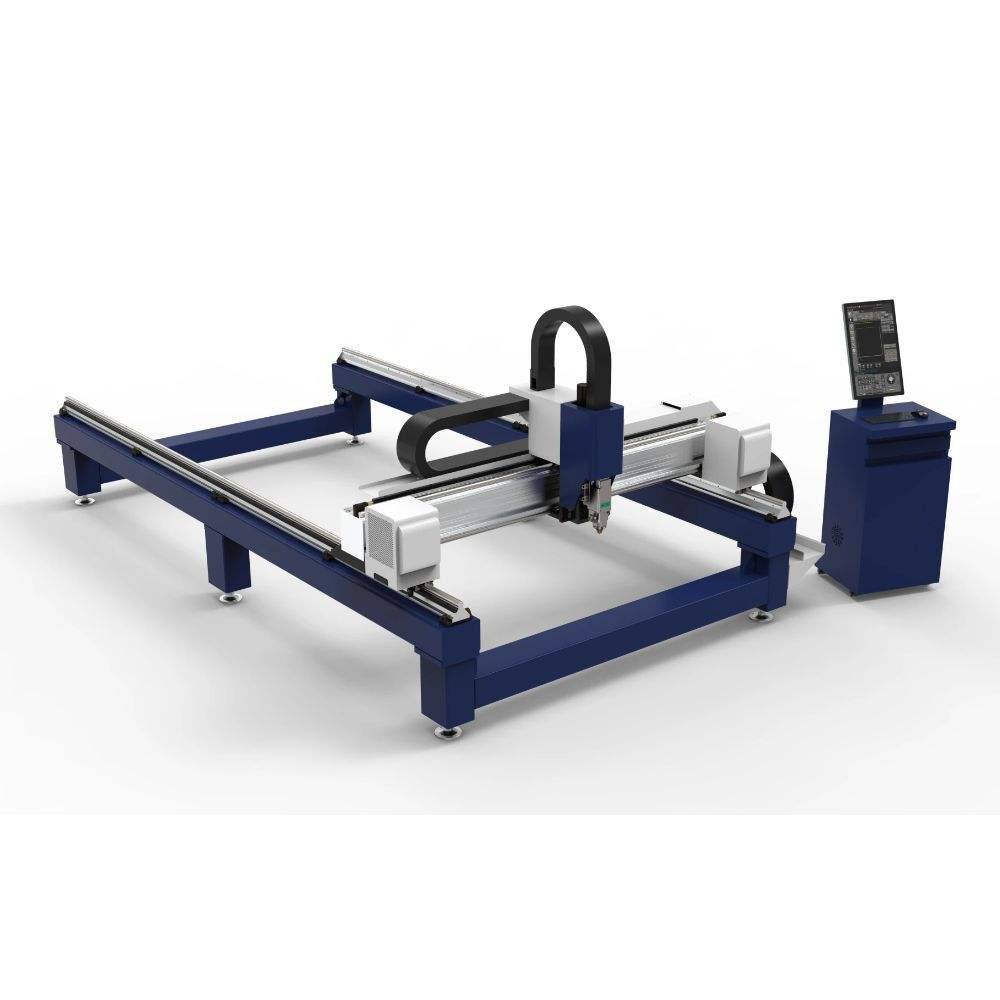
Operational Performance: Speed and Thickness
A 4kW fiber laser cutting machine offers a versatile “sweet spot” for material thickness. While higher power machines (12kW+) exist, the 4kW remains the workhorse for the majority of aluminum applications in regional manufacturing.
Thickness Capabilities
For aluminum alloys like 5052 or 6061, a 4kW laser can comfortably cut up to 12mm to 16mm (approx. 1/2″ to 5/8″) with high quality. For thin-gauge materials (1mm to 3mm), the cutting speeds are exceptionally high, often exceeding 30-40 meters per minute. This high-speed capability is what makes the 4kW system so profitable for high-volume production runs in Tijuana’s industrial parks.
Precision and Kerf Width
The narrow kerf width of a fiber laser—typically between 0.1mm and 0.3mm depending on the material thickness—allows for extremely tight nesting of parts. In a market where raw material costs for aluminum fluctuate, maximizing sheet utilization through precise laser cutting is a vital strategy for maintaining healthy margins.
The Tijuana Advantage: Why Fiber Lasers Thrive Here
The geographical and economic context of Tijuana makes the 4kW fiber laser an essential tool. The city’s manufacturing ecosystem is characterized by “Just-In-Time” (JIT) delivery and high-mix, low-volume production for the US market.
Proximity to the US Market
Many shops in Tijuana act as Tier 1 or Tier 2 suppliers for companies in California and Arizona. The speed of the 4kW fiber laser cutting process allows these shops to receive an order in the morning and have the finished, deburred aluminum parts across the border by the next day. The reliability of fiber technology ensures that downtime is minimized, which is crucial for meeting strict delivery windows.
Skilled Workforce and Technical Support
Tijuana has developed a robust workforce of CNC technicians and laser operators. The intuitive software interfaces of modern 4kW fiber laser cutting machines—often featuring Nesting and CAD/CAM integration—allow local operators to maximize the machine’s potential. Furthermore, the presence of technical support and spare parts for fiber lasers in the San Diego-Tijuana region ensures that maintenance does not become a bottleneck for production.
Maintenance and Longevity of the 4kW System
To maintain peak performance when processing aluminum, a strict maintenance schedule is required. Aluminum dust is highly conductive and can be explosive if not properly managed.
Dust Extraction and Filtration
A 4kW laser cutting machine must be equipped with a high-efficiency dust collector. When cutting aluminum, the fine particulate matter must be filtered out of the air to protect both the machine’s internal components and the operators. Regular cleaning of the slats and the internal cabinet prevents the buildup of “laser dross” which can interfere with the machine’s motion system.
Optical Component Care
The cutting head of a 4kW machine contains sensitive protective windows and lenses. Even with the best assist gas, tiny spatters of aluminum can eventually degrade the protective glass. Regular inspection and replacement of these consumables are necessary to prevent the beam from losing focus or damaging the internal optics of the cutting head.
Conclusion: Investing in the Future of Fabrication
The 4kW fiber laser cutting machine represents a transformative technology for the Tijuana manufacturing sector. By specifically addressing the challenges of aluminum alloy processing—such as reflectivity and thermal conductivity—this power level provides a versatile, efficient, and cost-effective solution for modern fabricators. Whether it is producing lightweight components for the aerospace industry or intricate parts for medical electronics, the precision and speed of fiber laser cutting remain unmatched.
As Tijuana continues to grow as a high-tech manufacturing hub, the adoption of fiber laser technology will only accelerate. For businesses looking to upgrade their capabilities, the 4kW system offers a robust ROI, ensuring they remain competitive in the fast-paced global supply chain. By understanding the technical requirements and optimizing the operational parameters, manufacturers can harness the full potential of laser cutting to deliver superior products to the international market.
















