
The Evolution of Metal Fabrication in Leon: The 4kW Fiber Laser Advantage
As the industrial landscape of Leon, Guanajuato, continues to expand, the demand for high-precision manufacturing in the elevator and vertical transport sector has reached an unprecedented peak. Local elevator manufacturers are increasingly moving away from traditional CO2 lasers and mechanical punching in favor of high-power fiber laser technology. The 4kW Fiber Laser Cutting Machine represents the current engineering gold standard for processing aluminum alloys—a material critical to modern elevator cabin design, door systems, and structural components.
For elevator factory owners and lead engineers, the transition to a 4kW system is not merely an upgrade in speed; it is a strategic shift toward superior edge quality and structural reliability. In a market where safety standards and aesthetic finishes are non-negotiable, understanding the mechanical and optical synergy of these machines is essential for maintaining a competitive edge in the Bajío region’s manufacturing hub.
Engineering the Foundation: The Plate-welded Heavy Duty Bed
The performance of a fiber laser is only as good as the stability of the platform upon which it operates. For high-speed cutting of aluminum alloys, where rapid acceleration and deceleration are constant, the structural integrity of the machine bed is paramount.
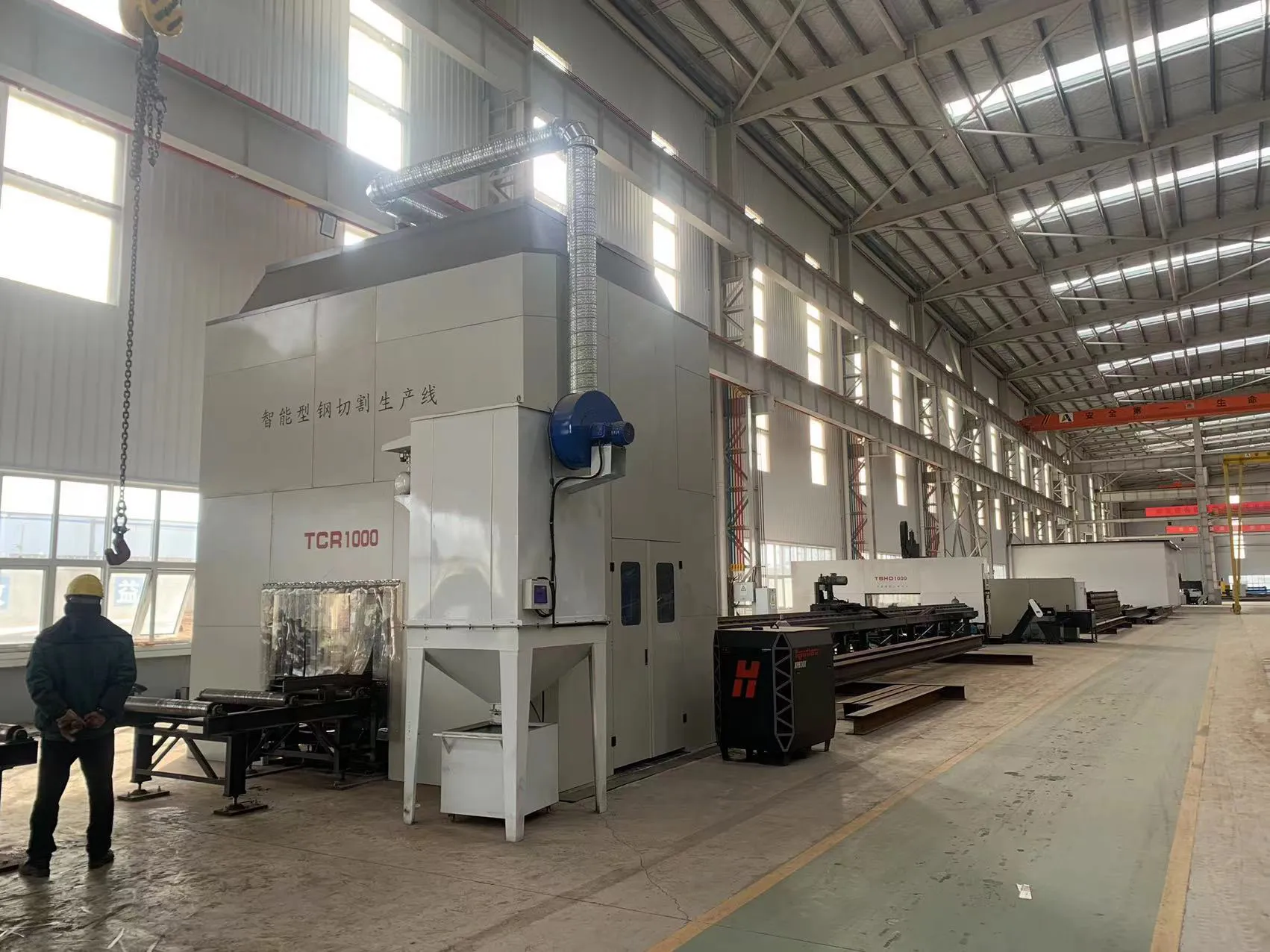
The 4kW systems designed for the Leon market utilize a Plate-welded Heavy Duty Bed. Unlike lighter, tube-welded frames common in entry-level machines, the plate-welded structure is engineered using high-tensile strength carbon steel plates. The fabrication process involves multi-stage stress-relief protocols:
1. **Precision Welding:** High-thickness steel plates are joined using specialized groove welding techniques to ensure maximum penetration and structural homogeneity.
2. **Annealing Treatment:** The entire bed undergoes a high-temperature annealing process in an electric furnace (typically exceeding 600°C). This removes internal stresses generated during welding, preventing the bed from deforming over years of operation.
3. **Vibratory Stress Relief (VSR):** Following the thermal treatment, the bed is subjected to high-frequency vibration to further stabilize the molecular structure of the steel.
4. **Five-Axis Milling:** The mounting surfaces for the guide rails and racks are machined in a single setup using a high-precision five-axis gantry milling center, ensuring parallelism within 0.02mm.
For elevator engineers, this translates to a machine that maintains its positioning accuracy (±0.03mm) even after a decade of high-volume production. In the context of elevator door panels, where even a 0.5mm deviation can lead to mechanical friction or noise, the stability of a plate-welded bed is a critical engineering requirement.
Optimizing 4kW Power for Aluminum Alloy Processing
Aluminum alloys, particularly the 5000 and 6000 series used in elevator construction, present unique challenges due to their high thermal conductivity and high reflectivity. A 4kW fiber laser source provides the necessary energy density to overcome the “reflectivity barrier” of aluminum, ensuring a stable keyhole effect during the cutting process.
While a 2kW machine may struggle with 10mm aluminum, often resulting in dross (burrs) or beam kickback that can damage the optical fiber, the 4kW power reserve allows for:
* **Increased Cutting Speeds:** A 4kW laser can process 3mm aluminum at speeds exceeding 15-18 m/min, significantly reducing the heat-affected zone (HAZ).
* **Cleaner Edges:** Higher power allows for the use of high-pressure Nitrogen (N2) as an assist gas, which “blows” the molten aluminum out of the kerf before it can oxidize, resulting in a mirror-like finish that requires zero post-processing.
* **Thick Plate Capability:** For structural elevator brackets and counterweight frames, the 4kW system comfortably handles up to 16mm aluminum alloys with high perpendicularity.
Technical Specifications and Performance Metrics
To provide a data-driven perspective for Leon’s engineering departments, the following performance table outlines the capabilities of the 4kW system specialized for aluminum:
– **Laser Source:** 4000W Fiber (IPG/Raycus/Max)
– **Cutting Area:** 3000mm x 1500mm or 4000mm x 2000mm
– **Positioning Accuracy:** ±0.03mm
– **Repositioning Accuracy:** ±0.02mm
– **Maximum Acceleration:** 1.2G – 1.5G
– **Maximum Cutting Thickness (Aluminum):** 16mm – 20mm
– **Optimal Cutting Thickness (Aluminum for High Quality):** 1mm – 12mm
The integration of high-inertia Yaskawa or Delta servo motors, coupled with precision Helical racks and Pinions, ensures that the machine can translate the 4kW power into precise movement. This is particularly vital when cutting complex decorative patterns in elevator cabin ceilings or ventilation grilles.
Overcoming Reflectivity: The Optical Path Engineering
One of the primary concerns for engineers in Leon when processing aluminum is the risk of back-reflection. Aluminum reflects a significant portion of the laser’s infrared wavelength back into the cutting head, which can lead to catastrophic failure of the laser source.
Modern 4kW machines specialized for this application incorporate two layers of protection:
1. **Optical Isolators:** The laser source itself is equipped with hardware-based reflection protection that diverts reflected light into a cooling block.
2. **Auto-Focus Cutting Heads:** Specialized heads (such as Precitec or Raytools) utilize capacitive height sensing that maintains a constant distance from the material within 0.1mm. For aluminum, which tends to warp slightly under heat, this real-time adjustment prevents the nozzle from touching the plate, maintaining a consistent focal point and preventing beam scattering.
Application Excellence in the Elevator Industry
The elevator industry in Leon demands a blend of structural integrity and aesthetic perfection. The 4kW Fiber Laser Cutting Machine addresses several specific manufacturing pain points:
**1. Elevator Cabin Panels:**
Modern cabins often utilize brushed or anodized aluminum. The 4kW laser, when paired with the right film-cutting parameters, can cut through the protective plastic film and the aluminum simultaneously without melting the film onto the metal edge. This ensures that the aesthetic surface remains pristine during assembly.
**2. Signal Fixtures and Braille Plates:**
The high precision of the 4kW system allows for the intricate cutting of button holes, display windows, and even Braille text with micro-level accuracy. The sharp corners and clean radii achieved reduce the need for secondary deburring, which is traditionally a labor-intensive process in Leon’s factories.
**3. Structural Brackets and Guide Rail Supports:**
Elevator safety depends on the strength of its structural components. By using a heavy-duty bed machine, engineers can ensure that heavy-gauge aluminum or steel brackets are cut with perfect verticality, ensuring that the guide rails are aligned with zero tolerance for error.
ROI Analysis for the Leon Manufacturing Sector
From a financial and operational perspective, the 4kW Fiber Laser offers a compelling Return on Investment (ROI) for Leon-based enterprises. When compared to traditional CNC punching:
* **Material Utilization:** Nesting software optimized for fiber lasers can improve material yield by 15-20% by placing parts closer together than a punch press allows.
* **Tooling Costs:** Laser cutting eliminates the need for expensive die sets, which can cost thousands of dollars and require weeks of lead time. For custom elevator projects, this allows for “just-in-time” manufacturing.
* **Energy Efficiency:** Modern 4kW fiber lasers have a wall-plug efficiency of over 35%, significantly higher than CO2 lasers, leading to lower monthly utility costs in high-volume environments.
Conclusion: The Future of Precision in Leon
For elevator factory owners and engineers in Leon, the investment in a 4kW Fiber Laser Cutting Machine with a Plate-welded Heavy Duty Bed is an investment in the future of their production line. The combination of structural mass, which dampens vibrations, and the high-energy density of the 4kW source, creates a machine capable of meeting the most stringent international standards for vertical transport manufacturing.
As the industry moves toward lighter, more efficient elevator designs, the ability to process aluminum alloy with speed and micron-level precision will be the defining factor of successful fabrication shops. By prioritizing heavy-duty engineering and advanced optical protection, Leon’s manufacturers can ensure long-term reliability and a superior end product for the growing Mexican infrastructure market.
















