
Engineering Guide: High-Power 40kW Tube laser cutting for Carbon Steel in Puebla
The industrial landscape of Puebla, Mexico, has long been a cornerstone of North American manufacturing, particularly within the automotive and heavy structural sectors. As the demand for higher throughput and thicker material processing grows, the introduction of 40kW fiber laser technology represents a paradigm shift in metal fabrication. This guide explores the technical specifications, operational advantages, and regional implementation of 40kW tube laser cutting systems specifically optimized for carbon steel.
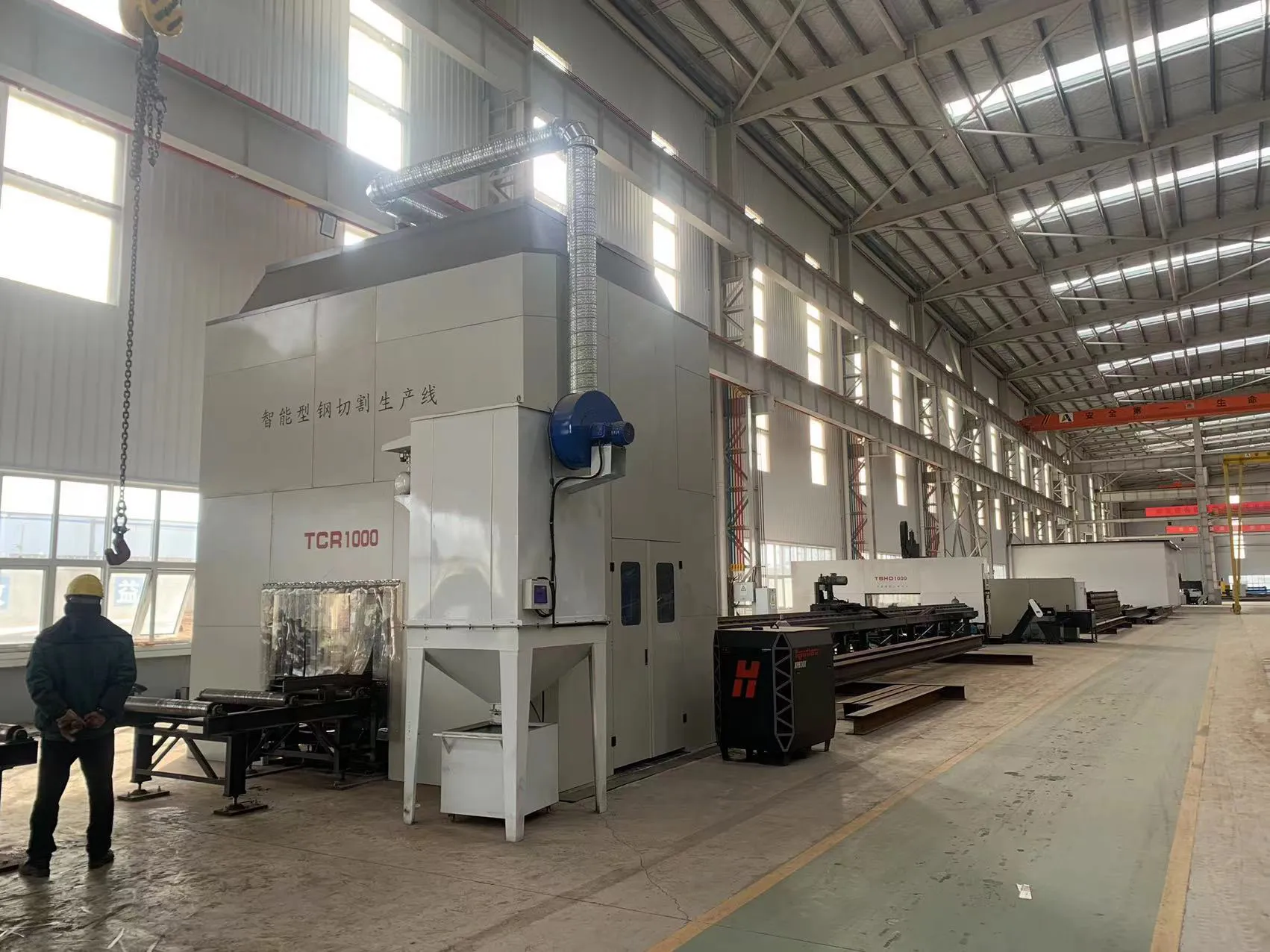
The Evolution of 40kW Fiber Laser Technology
In the realm of laser cutting, power is the primary determinant of both maximum thickness capacity and linear cutting speed. For decades, 4kW to 10kW systems were the industry standard for tube processing. However, the 40kW fiber laser source provides an energy density that transcends traditional limitations. At this power level, the laser beam does not merely melt the material; it achieves instantaneous sublimation in many carbon steel grades, resulting in a significantly reduced Heat-Affected Zone (HAZ).
The 40kW threshold is particularly relevant for heavy-duty applications. While lower-power lasers struggle with carbon steel wall thicknesses exceeding 20mm, the 40kW system processes these with ease, maintaining high feed rates that were previously only possible on thin-gauge materials. This efficiency is driven by advanced beam shaping technology, which allows the CNC system to adjust the beam profile in real-time to optimize the kerf for different tube geometries.
Material Focus: Processing Carbon Steel in the Puebla Industrial Corridor
Puebla’s manufacturing sector, dominated by the automotive supply chain and structural engineering firms, relies heavily on various grades of carbon steel, including ASTM A36, A500, and high-strength low-alloy (HSLA) variants. These materials are favored for their weldability and structural integrity, but they present specific challenges for laser cutting, such as scale formation and thermal conductivity.
When utilizing a 40kW source, the interaction between the beam and the carbon steel is optimized through high-pressure oxygen or nitrogen assistance. Oxygen-assisted cutting on 40kW systems allows for a chemical reaction that adds exothermic energy to the process, enabling the slicing of massive structural tubes used in crane manufacturing and building frames. Conversely, nitrogen-assisted cutting at 40kW provides a “cold” cut that eliminates oxidation on the edge, which is critical for components that require immediate robotic welding or high-quality powder coating in Puebla’s assembly plants.
Technical Advantages for Structural Tube Fabrication
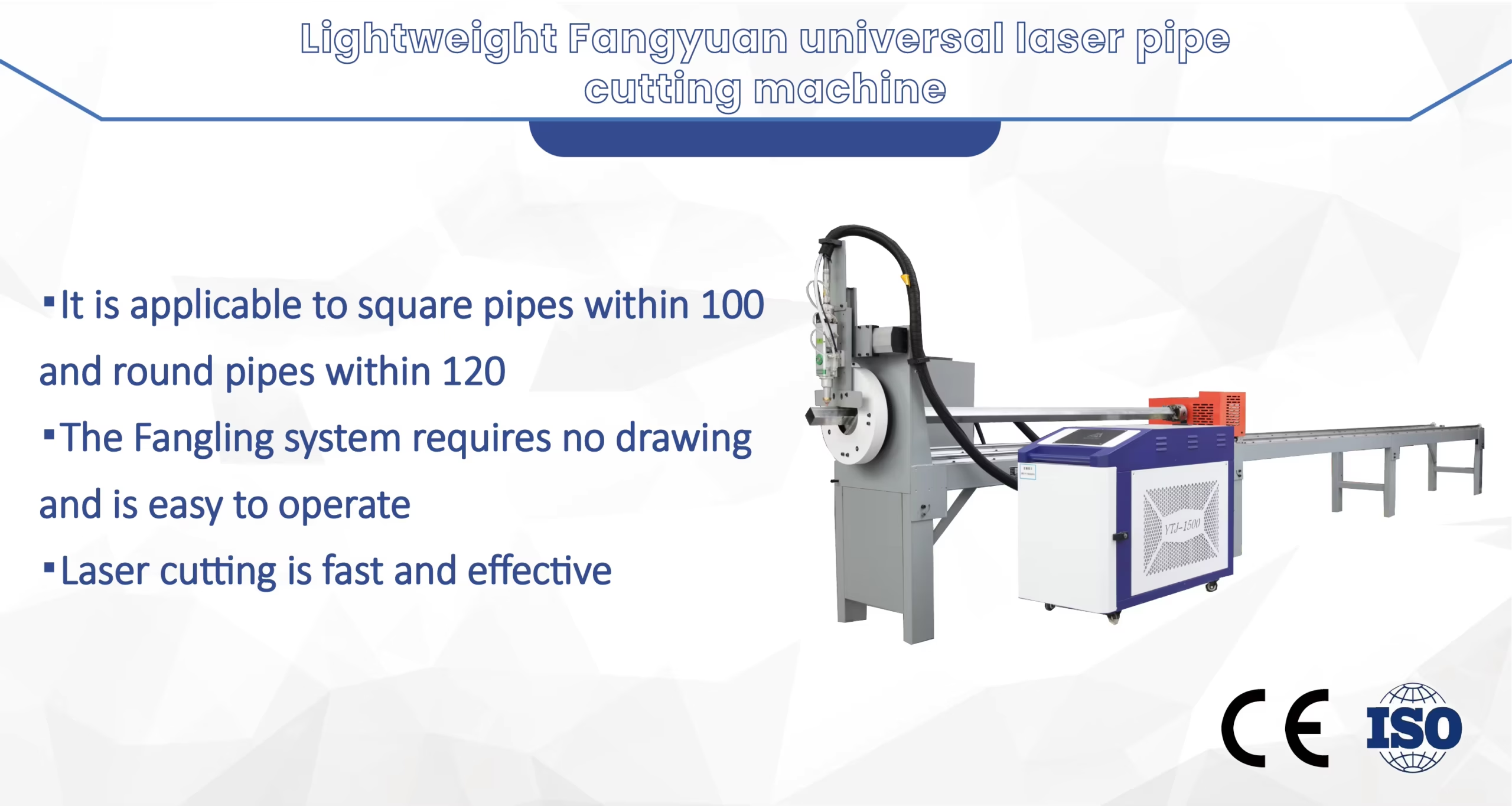
The primary advantage of high-power laser cutting for tubes is the ability to process complex geometries—such as bird-mouth joints, miter cuts, and slotted holes—in a single pass. Traditional methods like sawing, drilling, and milling are replaced by a single CNC-controlled process. For 40kW systems, the speed at which these geometries are executed is unparalleled. For instance, a 250mm diameter carbon steel tube with a 15mm wall thickness can be processed at speeds that reduce the total cycle time by over 60% compared to a 12kW system.
Furthermore, the precision of the 40kW beam ensures that tolerances are kept within +/- 0.1mm. This level of accuracy is vital for the “slot and tab” assembly methods becoming popular in Puebla’s heavy machinery sector, where parts must fit together perfectly without the need for manual grinding or secondary fit-up adjustments.
Puebla’s Strategic Manufacturing Context
Puebla is strategically positioned as a logistics hub, connecting the port of Veracruz to Mexico City. The local industry serves global giants like Volkswagen and Audi, as well as a massive tier-one and tier-two supplier network. For these companies, the 40kW tube laser is not just a tool but a competitive advantage. The ability to source raw carbon steel and transform it into high-precision components locally reduces lead times and logistics costs.
In the context of the “Nearshoring” trend, Puebla-based fabricators are increasingly being asked to take over production lines previously held by overseas manufacturers. A 40kW laser cutting system provides the capacity to handle high-volume orders with a level of repeatability that meets stringent international ISO and IATF standards. The machine’s ability to handle large-format tubes—often up to 12 meters in length and 500mm in diameter—caters specifically to the infrastructure projects currently expanding across Central Mexico.
Optimizing Gas Selection and Piercing Strategies
For carbon steel, the piercing phase is often the bottleneck in the laser cutting cycle. High-power 40kW systems utilize “Flash Piercing” or multi-stage piercing cycles that penetrate thick-walled tubes in milliseconds. This minimizes the accumulation of slag and prevents heat buildup that can distort the tube’s profile.
Engineers in Puebla must also consider the cost-benefit analysis of assist gases. While oxygen is efficient for thick carbon steel, the 40kW power allows for “Air Cutting” in certain thickness ranges. Using high-pressure compressed air (filtered and dried) can significantly reduce the cost per part while maintaining speeds that exceed oxygen cutting on thinner-walled structural tubing. This flexibility is a key feature of modern CNC fiber lasers, allowing shops to pivot between high-speed production and heavy-duty structural work.
Mechanical Integrity: Chuck Systems and Loading Automation
A 40kW laser is only as effective as the material handling system supporting it. Cutting thick carbon steel tubes requires a robust mechanical framework. Modern machines utilize four-chuck systems that provide maximum support and minimize vibration. This is particularly important when cutting heavy tubes that may have slight deviations in straightness. The chucks must dynamically compensate for the tube’s weight and center of gravity to ensure the laser cutting remains consistent across the entire length of the workpiece.
In Puebla’s high-volume environments, automated loading and unloading systems are essential. These systems can handle bundles of carbon steel tubes, measuring and feeding them into the machine without manual intervention. This 24/7 operational capability ensures that the high capital investment of a 40kW system is recovered quickly through maximum machine uptime.
Maintenance and Safety in High-Power Environments
Operating a 40kW fiber laser requires a rigorous maintenance schedule and a focus on safety. The sheer intensity of the laser cutting process generates significant fumes and particulate matter, especially when processing carbon steel. Advanced dust extraction and filtration systems are mandatory to maintain air quality in the facility and protect the machine’s optical components. In Puebla, where environmental regulations are increasingly aligned with international standards, these filtration systems also ensure compliance with local SEMARNAT guidelines.
Optical maintenance is equally critical. At 40kW, even the slightest contamination on the protective window of the cutting head can lead to thermal runaway and component failure. Real-time monitoring of the cutting head’s temperature and back-reflection sensors are standard features that protect the fiber source from damage when cutting highly reflective or poorly surfaced carbon steel.
The Economic Impact on the Local Supply Chain
The integration of 40kW laser cutting technology into the Puebla market is revitalizing the local supply chain. By providing faster turnaround times for heavy-duty components, local fabricators can compete on a global scale. The reduction in secondary processes—such as deburring and edge cleaning—directly translates to lower labor costs and higher profit margins. For the construction of warehouses, bridges, and automotive chassis, the 40kW tube laser offers a level of efficiency that traditional plasma or mechanical cutting simply cannot match.
Conclusion: The Future of Metal Fabrication in Puebla
As we look toward the future of industrial manufacturing in Mexico, the adoption of ultra-high-power laser cutting systems is inevitable. The 40kW tube laser cutter represents the pinnacle of current fiber technology, offering the power to cut through the thickest carbon steel and the precision to satisfy the most demanding engineering requirements. For companies in Puebla, investing in this technology is a strategic move that ensures readiness for the next generation of infrastructure and automotive challenges. By mastering the nuances of 40kW laser cutting, local engineers and fabricators are setting a new standard for excellence in the North American market.
















