
The Evolution of Industrial Fabrication: The 40kW Tube laser cutter
The manufacturing landscape in Toluca, State of Mexico, has undergone a radical transformation over the last decade. As one of Mexico’s primary industrial corridors, Toluca serves as a critical hub for the automotive, aerospace, and electrical sectors. At the heart of this evolution is the integration of ultra-high-power fiber laser technology. The 40kW tube laser cutter represents the pinnacle of this technological shift, offering unprecedented power, speed, and precision for processing complex materials like brass.
For engineering firms and manufacturing plants in Toluca, the leap to 40kW power levels is not merely an incremental upgrade; it is a fundamental shift in production capability. High-power laser cutting has moved beyond thin-gauge sheet metal into the realm of heavy-walled structural tubes and highly reflective non-ferrous alloys. This guide explores the technical intricacies of utilizing a 40kW system for brass tube fabrication and its strategic importance to the Toluca industrial region.
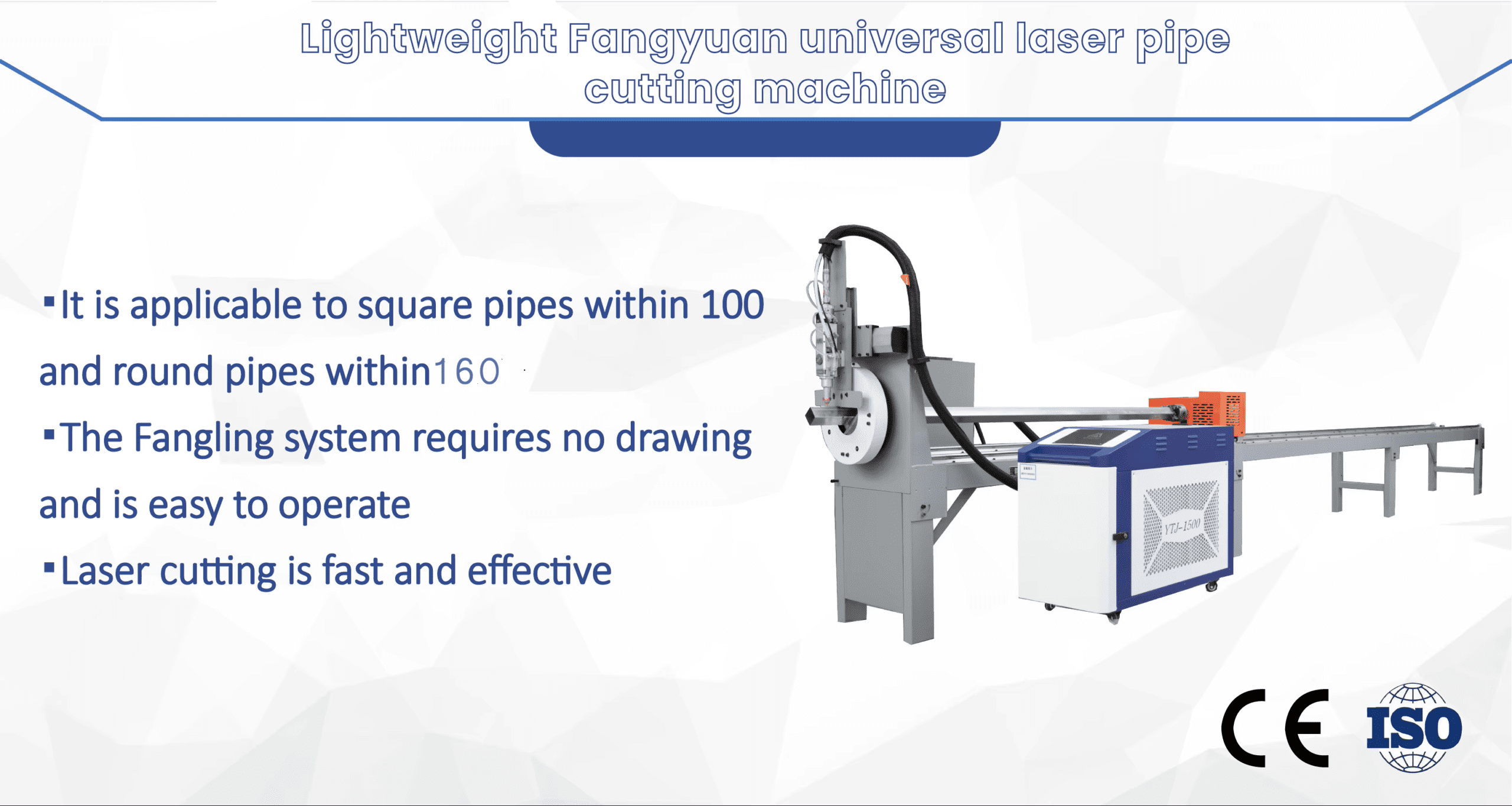 laser cutting machine“>
The Technical Supremacy of 40kW Fiber Laser Technology
The move to 40kW (40,000 watts) of output power is driven by the need for efficiency. In laser cutting, power translates directly to the energy density at the focal point. With a 40kW source, the machine can maintain a stable “keyhole” welding effect during the cutting process even in thick materials, ensuring that the kerf remains narrow and the heat-affected zone (HAZ) is minimized.
In the context of tube processing, this power allows for the rapid penetration of circular, square, and rectangular profiles. Unlike lower-power systems that might struggle with the curvature of a tube—where the angle of incidence changes constantly—the 40kW beam possesses enough “reserve power” to maintain consistent cut quality across the entire circumference. This is particularly vital for the heavy-duty structural components used in the industrial infrastructure surrounding Toluca’s Lerma and Exportec zones.
Processing Brass: Overcoming the Reflectivity Challenge
Brass, an alloy of copper and zinc, is notoriously difficult for traditional laser systems to handle. Its high thermal conductivity and optical reflectivity mean that much of the laser energy is bounced back rather than absorbed. In the early days of CO2 laser cutting, brass was often considered a “forbidden” material because back-reflections could travel back up the beam path and destroy the resonator.
Modern 40kW fiber lasers, however, utilize a different wavelength (approximately 1.06 microns) that is much more readily absorbed by yellow metals. Furthermore, advanced 40kW systems are equipped with back-reflection isolation mechanisms. These sensors detect reflected light and instantly adjust or shut down the beam to protect the fiber source. In Toluca’s electrical manufacturing sector, where brass busbars and connectors are staples, the ability to perform high-speed laser cutting on brass tubes without damaging the equipment is a massive competitive advantage.
Optimizing Cut Quality in Brass Tubes
To achieve a burr-free finish on brass, the 40kW system must be precisely calibrated. Engineering teams in Toluca typically focus on three primary variables:
- Assist Gas Selection: While oxygen can be used for some alloys, nitrogen is the preferred assist gas for high-quality brass laser cutting. Nitrogen acts as a mechanical force to eject molten metal from the kerf without causing oxidation, resulting in a bright, clean edge that requires no post-processing.
- Nozzle Geometry: High-power 40kW heads require specialized copper nozzles designed to handle the intense heat and gas flow requirements. A double-layer nozzle is often used to stabilize the gas jet around the beam.
- Focal Position: For brass, the focal point is often set slightly below the surface of the material to ensure the energy is distributed through the thickness of the tube wall, preventing the formation of dross on the interior of the tube.

Strategic Advantages for the Toluca Industrial Sector
Toluca’s proximity to Mexico City and its status as a gateway to the western industrial states make it a prime location for high-capacity service centers. The installation of a 40kW tube laser cutting system provides local manufacturers with several strategic benefits:
1. Automotive Component Lightweighting
The automotive industry in Toluca is pivoting toward electric vehicles (EVs). This shift requires complex cooling systems and electrical housings often made from brass and copper alloys. A 40kW laser can cut complex geometries in brass tubes—such as intricate notch-and-tab designs for easy assembly—at speeds that traditional mechanical sawing or milling cannot match. This facilitates the “Just-in-Time” (JIT) manufacturing cycles demanded by major OEMs in the region.
2. Reduction in Lead Times
By using a 40kW system, the “pierce time” (the time it takes for the laser to break through the material) is virtually eliminated. In a production run of 1,000 brass tubes, reducing pierce time by even two seconds per hole can save hours of machine time. For Toluca-based fabricators, this means higher throughput and the ability to take on more contracts without increasing floor space.
3. Material Versatility
While this guide focuses on brass, the 40kW tube laser cutting machine is a multi-material workhorse. It can switch from cutting thin-walled brass decorative fixtures to thick-walled carbon steel structural beams for warehouse construction with simple software adjustments. This versatility is essential for Toluca’s diverse industrial base, which spans from food processing equipment to heavy machinery.
Maintenance and Operational Excellence
Operating a 40kW machine requires a rigorous maintenance protocol, especially in the high-altitude environment of Toluca (approximately 2,660 meters above sea level). The thinner air can affect cooling efficiency and gas dynamics, making it imperative to monitor the chiller systems and gas delivery pressures closely.
Cooling Systems and Thermal Management
A 40kW fiber laser generates significant heat within the power source and the cutting head. High-efficiency industrial chillers are required to maintain a constant temperature. In Toluca, where ambient temperatures can fluctuate significantly between day and night, an enclosed, climate-controlled environment for the laser source is recommended to prevent condensation and ensure beam stability.
Optical Integrity
The protective windows (cover slides) in a 40kW cutting head are under immense stress. Even a microscopic speck of brass dust on the lens can absorb enough laser energy to shatter the glass instantly. Implementing a “clean room” protocol for lens changes and utilizing high-purity assist gases are non-negotiable requirements for successful laser cutting at these power levels.
Software and CNC Integration
The true power of the 40kW tube laser is unlocked through advanced nesting software. For brass tubes, which are expensive compared to mild steel, minimizing scrap is a financial priority. Modern CNC controllers allow for “common line cutting,” where two parts share a single cut path, and “fly cutting,” where the laser remains on while moving between holes to maximize speed. For engineers in Toluca, integrating these machines with CAD/CAM systems ensures that the transition from design to finished part is seamless and error-free.
The Future of Fabricating in the State of Mexico
As Toluca continues to attract international investment, the demand for high-precision, high-power fabrication will only grow. The 40kW tube laser cutting machine is no longer a luxury; it is becoming the standard for shops that want to lead the market in quality and delivery speed. By mastering the nuances of brass processing—from managing reflectivity to optimizing nitrogen flow—Toluca’s manufacturers can position themselves at the forefront of the global supply chain.
In conclusion, the 40kW tube laser represents a perfect marriage of physics and engineering. For the brass tube industry in Toluca, it offers a path to zero-defect production, lower costs per part, and the ability to tackle the most challenging geometries with ease. As we look toward the next decade of Mexican manufacturing, the brilliance of the fiber laser will undoubtedly light the way.
















