Introduction to 40kW Fiber Laser Technology in Modern Manufacturing
The industrial landscape of manufacturing is currently undergoing a radical transformation, driven by the advent of ultra-high-power fiber lasers. The 40kW sheet metal laser represents the current pinnacle of this evolution, offering unprecedented processing speeds and the ability to cut through thicknesses that were previously the sole domain of plasma or waterjet technologies. For manufacturers in Toluca, a city synonymous with industrial excellence and automotive precision, the adoption of 40kW technology is not merely an upgrade; it is a strategic imperative to remain competitive in a globalized supply chain.
laser cutting at the 40kW threshold changes the fundamental physics of the process. At lower power levels, such as 6kW or 12kW, the laser relies heavily on the exothermic reaction of oxygen or the high-pressure kinetic energy of nitrogen to remove molten material. At 40kW, the sheer energy density of the beam allows for “high-speed vaporization” and extremely efficient melt-pool dynamics. This results in a significantly reduced heat-affected zone (HAZ) and an edge quality that often requires zero secondary finishing, even on thick-gauge stainless steel.
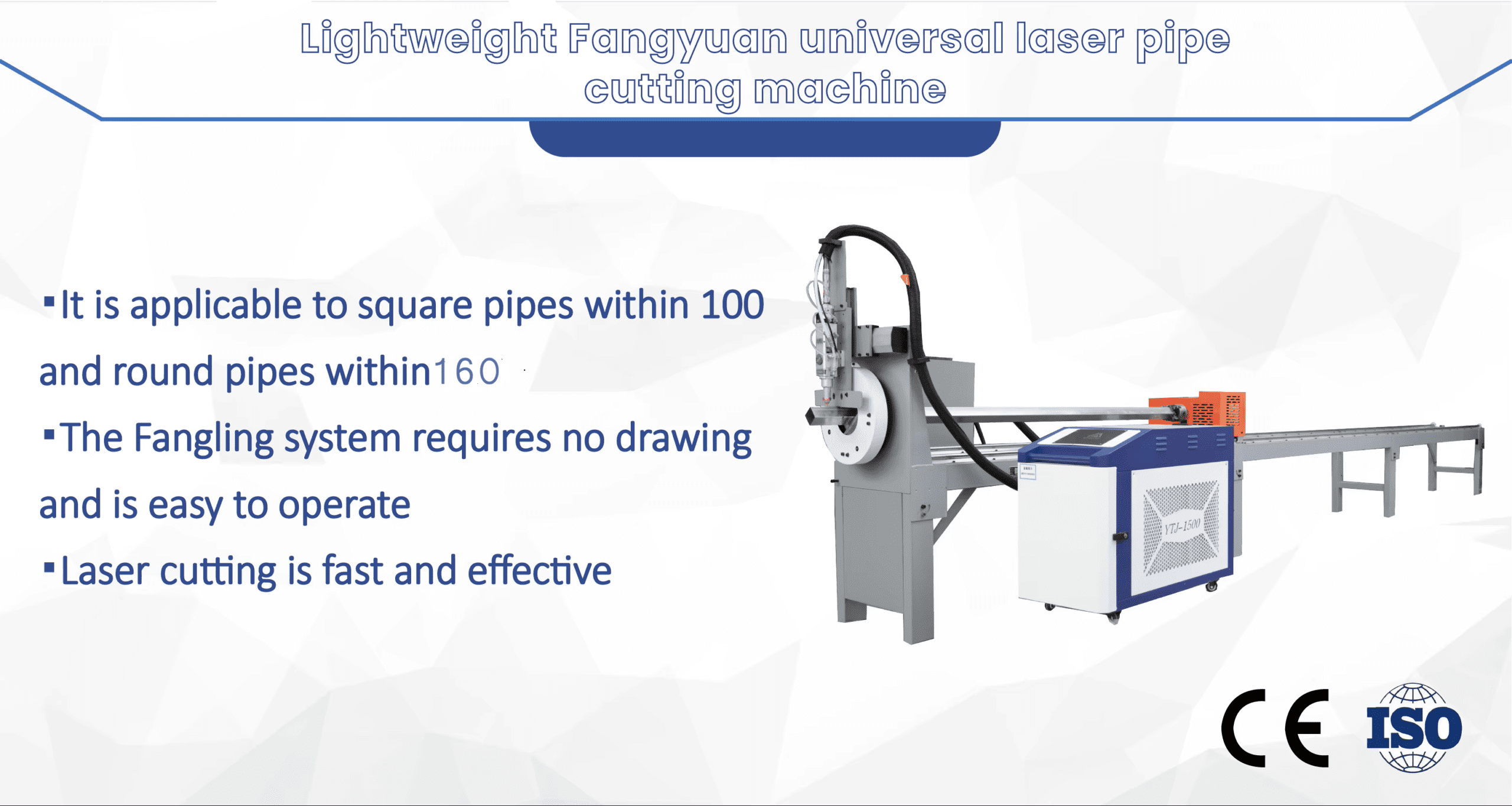 laser cutting machine” style=”max-width: 100%; height: auto; margin: 20px 0;”>
The Strategic Advantage for Toluca’s Industrial Sector
Toluca, as the capital of the State of Mexico, serves as a vital hub for the automotive, aerospace, and food processing industries. These sectors demand high-grade stainless steel components that meet rigorous structural and aesthetic standards. The introduction of 40kW laser cutting systems into the Toluca valley allows local Tier 1 and Tier 2 suppliers to drastically increase their throughput.
Automotive and Aerospace Synergy
In the automotive sector, particularly in the production of heavy-duty vehicle frames and specialized transport equipment, stainless steel is prized for its corrosion resistance and strength-to-weight ratio. A 40kW laser can process 20mm to 30mm stainless steel plates at speeds that are four to five times faster than a 12kW system. This speed translates directly into lower cost-per-part, allowing Toluca-based shops to outcompete international firms on both lead time and pricing.
Food Processing and Pharmaceutical Requirements
Toluca is also home to significant pharmaceutical and food Grade manufacturing. These industries require stainless steel (typically 304 or 316L) that is free from carbon contamination. The 40kW laser’s ability to use high-pressure nitrogen as an assist gas across a wider range of thicknesses ensures that the cut edges remain unoxidized. This is critical for components that must undergo strict sterilization processes, as any oxidation on the edge can become a site for bacterial growth or chemical corrosion.
Mastering Stainless Steel with 40kW Power
Stainless steel presents unique challenges in thermal processing. Its lower thermal conductivity and higher thermal expansion compared to carbon steel mean that heat management is paramount. A 40kW laser cutting system addresses these challenges through sheer intensity. By moving the beam faster across the material, the total heat input into the bulk of the part is actually lower than with a lower-power laser moving slowly.
Cutting Speed and Thickness Capabilities
With 40,000 watts of power, the “sweet spot” for stainless steel processing expands significantly. While a 20kW machine might struggle with 50mm stainless steel, a 40kW machine handles it with stability. For mid-range thicknesses (10mm to 20mm), the 40kW system achieves “flying” speeds, where the machine’s motion system—rather than the laser’s melting capacity—becomes the limiting factor. This requires a machine chassis designed for high acceleration and deceleration, often exceeding 2.0G.
Gas Dynamics: Nitrogen vs. Compressed Air
At the 40kW level, the choice of assist gas becomes a sophisticated engineering decision. Nitrogen remains the gold standard for stainless steel to ensure a bright, clean cut. However, the 40kW power allows for the effective use of high-pressure compressed air on thicker sections of stainless steel than ever before. This can significantly reduce operational costs in Toluca’s competitive market, provided the air filtration system can guarantee oil-free and moisture-free delivery to the cutting head.
Technical Architecture of the 40kW System
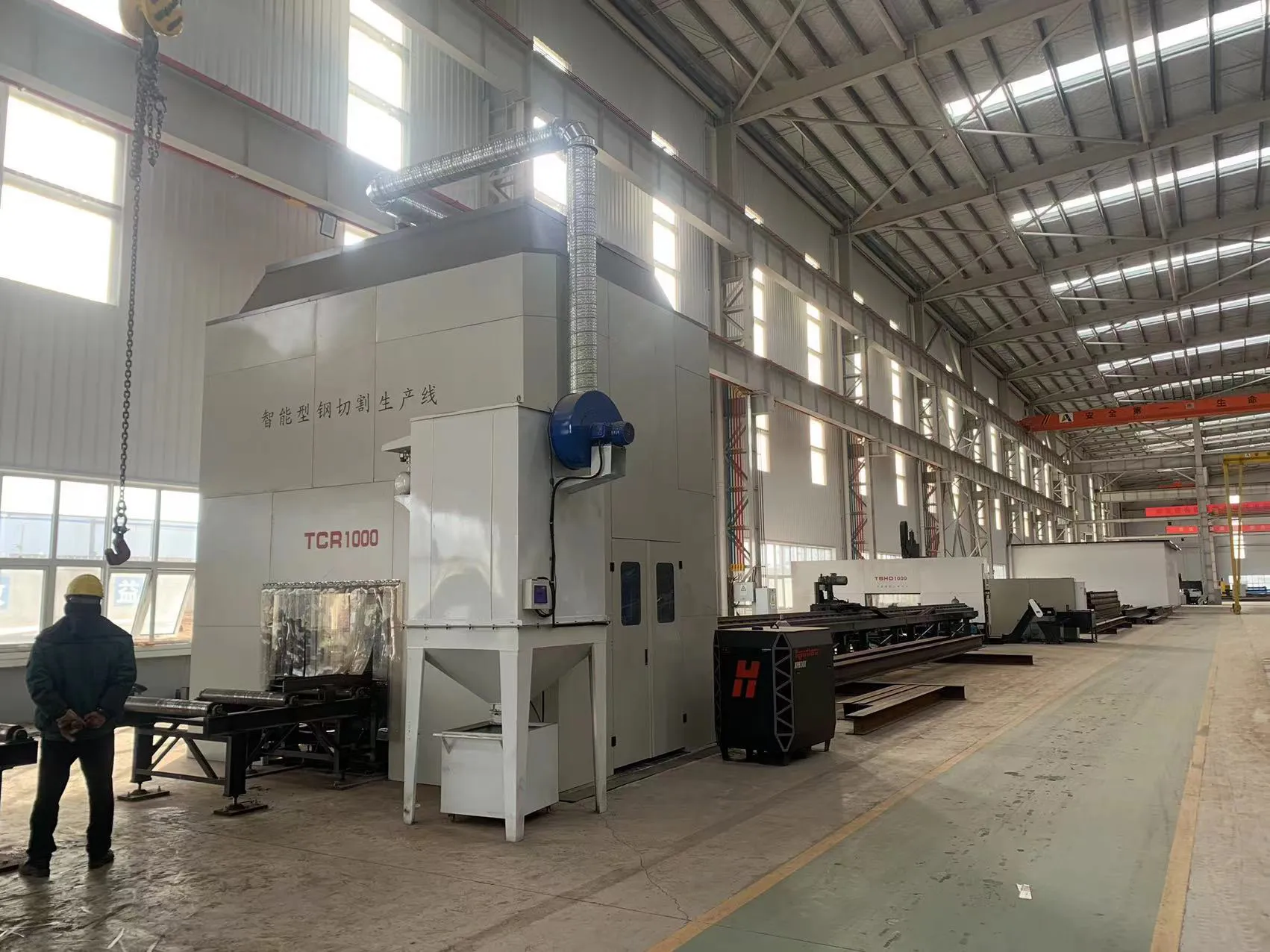
Operating a 40kW laser cutting machine requires more than just a powerful light source; it requires a robust ecosystem of components designed to handle extreme energy. The beam delivery system, the cutting head, and the machine bed must all be engineered to withstand the rigors of ultra-high-power operation.
Thermal Management and Beam Stability
One of the primary engineering challenges with 40kW lasers is “thermal lensing.” As the laser passes through the optical elements of the cutting head, even a tiny amount of absorption can cause the lens to heat up and slightly deform, shifting the focal point. Advanced 40kW heads utilize sophisticated water-cooling circuits that stabilize the temperature of every optical component. Furthermore, real-time focal monitoring systems automatically adjust the lens position to compensate for any thermal drift, ensuring consistent cut quality from the first minute of the shift to the last.
Structural Integrity of the Machine Bed
A machine capable of 40kW laser cutting must be exceptionally heavy and rigid. When cutting thick stainless steel, the slats of the machine bed are subjected to intense heat. High-end systems utilize hollow-bed designs with advanced ventilation and heat-shielding to prevent the frame from warping. In Toluca’s climate, where diurnal temperature shifts can be notable, the thermal stability of the machine tool is essential for maintaining the micron-level precision required by aerospace clients.
Economic Impact and ROI for Mexican Manufacturers
The capital expenditure for a 40kW system is significant, but the Return on Investment (ROI) is driven by the radical increase in productivity. In the context of Toluca’s industrial parks, where floor space and labor costs are optimized, the ability to replace three 6kW machines with a single 40kW unit provides a massive footprint advantage.
Reducing Cost Per Part
The cost per part in laser cutting is calculated by combining gas consumption, electricity, labor, and machine amortization divided by the number of parts produced. While the 40kW machine consumes more electricity per hour, its vastly higher cutting speed means it consumes less energy *per meter* of cut. When combined with the reduction in secondary grinding and deburring labor, the 40kW system often pays for itself within 18 to 24 months in high-volume environments.
Expanding Market Reach
By investing in 40kW technology, a job shop in Toluca can bid on projects that were previously impossible. This includes heavy infrastructure components, large-scale pressure vessels, and thick-plate flanges for the oil and gas industry. The ability to cut 80mm or even 100mm stainless steel with a laser—rather than relying on the wider kerf and lower precision of plasma—positions a company as a high-tech leader in the Mexican manufacturing landscape.
Maintenance and Support in the Toluca Region
High-power laser cutting systems require a disciplined maintenance regimen. For manufacturers in Toluca, proximity to technical support and spare parts is a critical consideration. The 40kW fiber source itself is solid-state and requires little maintenance, but the “consumables”—nozzles, ceramics, and protective windows—must be monitored closely.
The Importance of Cleanliness
At 40,000 watts, even a single speck of dust on a protective window can absorb enough energy to shatter the glass and damage the internal optics. Operating in an industrial environment like Toluca requires pressurized, filtered air within the cutting head housing to maintain a “clean room” environment for the beam path. Regular training for operators on the proper handling of optics is the most effective way to prevent costly downtime.
Software Integration and Industry 4.0
Modern 40kW machines are fully integrated into the Industry 4.0 ecosystem. For a factory in Toluca, this means the laser cutting machine can communicate directly with the ERP system to track material usage, monitor power consumption, and predict maintenance needs before a failure occurs. Advanced nesting software is also vital; at the speeds a 40kW laser operates, manual nesting cannot keep up with the machine’s appetite for material. Automated nesting ensures maximum sheet utilization, which is critical when processing expensive stainless steel alloys.
Conclusion: The Future of Metal Fabrication in Toluca
The 40kW sheet metal laser is more than just a tool; it is a catalyst for industrial growth. For the manufacturing community in Toluca, it offers a path toward higher complexity, better quality, and increased profitability. As the global demand for high-grade stainless steel components continues to rise, those equipped with ultra-high-power laser cutting technology will be the ones defining the future of the industry.
By mastering the nuances of beam dynamics, assist gas selection, and thermal management, Toluca’s engineers can leverage 40kW systems to transform raw stainless steel into precision-engineered components with unmatched efficiency. The era of ultra-high-power laser cutting has arrived, and it is reshaping the heart of Mexican manufacturing.