
The Revolution of 40kW laser cutting in Guadalajara’s Industrial Sector
The manufacturing landscape in Guadalajara, often referred to as Mexico’s Silicon Valley, is undergoing a profound transformation. While the city is renowned for its electronics and software prowess, its heavy industrial and metalworking sectors are currently experiencing a technological leap through the adoption of ultra-high-power fiber lasers. Specifically, the introduction of the 40kW sheet metal laser has redefined the boundaries of what is possible in stainless steel fabrication. This guide explores the engineering nuances, operational strategies, and economic advantages of utilizing 40kW laser cutting technology within the unique industrial climate of Jalisco.
In the realm of thermal cutting, power is the primary driver of throughput. For decades, the industry relied on CO2 lasers or lower-wattage fiber systems. However, the 40kW threshold represents a paradigm shift. At this power level, the laser is not merely a cutting tool; it is a high-speed precision instrument capable of processing thick-gauge stainless steel at speeds that were previously unthinkable. For Guadalajara-based manufacturers serving the aerospace, automotive, and food processing industries, this means a drastic reduction in lead times and a significant increase in the complexity of parts that can be produced in-house.
 laser cutting machine” style=”max-width: 100%; height: auto; margin: 20px 0;”>
Engineering Excellence in Stainless Steel Processing
Stainless steel is prized for its corrosion resistance and aesthetic appeal, but it presents specific challenges during the laser cutting process. Its high melting point and low thermal conductivity require a concentrated energy source to ensure a clean kerf. A 40kW fiber laser provides a power density that vaporizes the metal almost instantaneously, minimizing the heat-affected zone (HAZ). This is critical for maintaining the structural integrity and chemical properties of alloys like Grade 304 and 316L, which are staples in the pharmaceutical and food-grade equipment manufactured in the Guadalajara region.
When operating at 40kW, the interaction between the beam and the material changes. The high photon flux allows for “high-speed melt-shearing,” where the molten metal is ejected from the cut zone with extreme efficiency. This results in a dross-free finish on the bottom edge of the sheet, even on thicknesses exceeding 50mm. For engineers in Guadalajara, this eliminates the need for secondary grinding or finishing processes, directly impacting the bottom line and accelerating the assembly line speed.
Technical Specifications and Parameter Optimization
To harness the full potential of a 40kW sheet metal laser, precise parameter control is mandatory. The transition from 20kW to 40kW is not a linear scaling of settings; it requires a sophisticated understanding of beam dynamics and gas dynamics. In laser cutting, the choice of assist gas—typically Nitrogen or Oxygen—plays a pivotal role in the final quality of the stainless steel edge.
Nitrogen vs. Oxygen Assist Gases
For stainless steel, Nitrogen is the preferred assist gas because it acts as an inert shield, preventing oxidation. At 40kW, the pressure and flow rate of Nitrogen must be meticulously calibrated. The goal is to use the gas pressure to “blow away” the molten stainless steel before it can react with the surrounding atmosphere. This results in a bright, silver-colored edge that is ready for immediate welding or painting. In the high-humidity seasons of Guadalajara, maintaining gas purity is essential to avoid microscopic pitting on the cut surface.
Oxygen, while sometimes used for carbon steel to add exothermic energy to the cut, is rarely used for high-quality stainless steel work because it leaves a blackened, oxidized edge. However, with 40kW of raw power, the reliance on chemical reactions from Oxygen is minimized, allowing manufacturers to cut thicker plates using Nitrogen alone, which was previously impossible at lower power levels.
Nozzle Selection and Focal Position
The nozzle is the final interface between the machine and the workpiece. For 40kW applications, double-layer high-speed nozzles are often employed to stabilize the gas flow and protect the protective window of the laser head. The focal position must be adjusted deep into the material for thick stainless steel plates to ensure the energy is distributed evenly throughout the thickness. Modern 40kW systems feature intelligent autofocus heads that can adjust the beam waist in real-time, compensating for any slight deviations in material flatness—a common occurrence in large-format sheet metal.
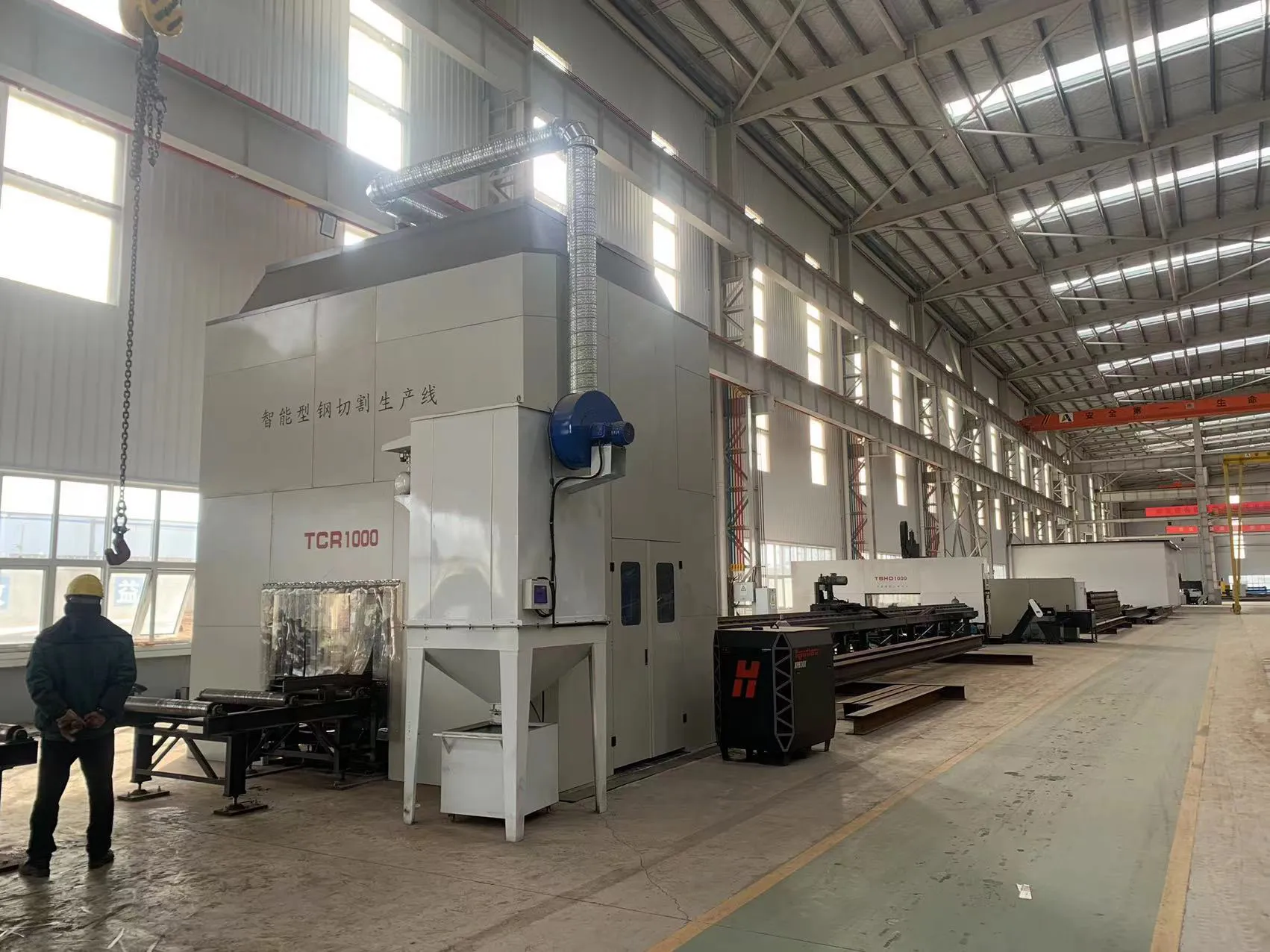
The Guadalajara Industrial Landscape
Guadalajara’s strategic location makes it a hub for logistics and manufacturing. The local industry often demands large-scale components for industrial ovens, fermentation tanks, and automotive chassis. The 40kW laser cutting machine is uniquely suited for these demands. By centralizing high-power cutting capabilities, local shops can act as Tier 1 suppliers to multinational corporations operating within the Mexican Bajío region.
Local Support and Infrastructure in Jalisco
Implementing a 40kW system in Guadalajara requires more than just the machine; it requires a robust infrastructure. The power grid must be capable of handling the significant electrical draw, and the facility must have advanced cooling systems. Given the ambient temperatures in Jalisco, industrial chillers must be oversized to ensure the fiber source and the cutting head remain at a constant temperature. Furthermore, the availability of local technical support is vital. As the density of high-power laser cutting machines increases in the region, the ecosystem of specialized technicians and spare parts suppliers continues to grow, reducing downtime for local enterprises.
Economic Impact and ROI
The return on investment (ROI) for a 40kW laser is driven by volume and thickness. While the initial capital expenditure is higher than a 12kW or 20kW system, the cost-per-part on thick stainless steel (20mm and above) drops significantly. The 40kW system can cut 30mm stainless steel up to four times faster than a 15kW system. In a competitive market like Guadalajara, where labor costs are rising and precision is non-negotiable, the ability to produce more parts per shift with fewer machines is the ultimate competitive advantage.
Maintenance and Operational Longevity
Operating a 40kW laser cutting system is an exercise in preventative maintenance. The sheer amount of energy being processed means that even minor contaminations can lead to catastrophic failure. The optical path must be kept in a clean-room environment, and the protective windows must be inspected daily. In the dusty environments common to industrial zones like El Salto or Zapopan, advanced filtration systems for the machine’s enclosure are mandatory.
Cooling and Environmental Control
The “heart” of the 40kW system is the fiber laser source. It generates a tremendous amount of heat that must be dissipated. Dual-circuit cooling systems are standard, where one circuit cools the laser source and the other cools the cutting optics. Any fluctuation in water temperature can cause “thermal lensing,” where the beam deforms and loses focus, resulting in poor cut quality. For Guadalajara manufacturers, investing in a high-quality, stabilized chiller is as important as the laser itself.
Safety Protocols for Ultra-High Power
Safety cannot be overstated when dealing with 40kW lasers. This is a Class 4 laser system, capable of causing instant permanent eye damage or fire from reflected beams. The machine must be fully enclosed with laser-safe glass (OD6+ or higher). Furthermore, the 40kW beam can penetrate standard firebricks or backstops if the machine is misconfigured. Advanced sensors that detect back-reflection are essential, especially when cutting highly reflective materials like polished stainless steel. Operators in Guadalajara should undergo rigorous certification to handle these powerful tools safely.
Conclusion: The Future of Metal Fabrication in Jalisco
The 40kW sheet metal laser is not just a trend; it is the new standard for industrial-scale laser cutting. For the fabrication shops of Guadalajara, this technology offers a path to global competitiveness. By mastering the nuances of stainless steel processing at ultra-high power, local manufacturers can move up the value chain, providing high-precision components that meet international standards.
As we look toward the future, the integration of AI-driven nesting software and automated loading/unloading systems with 40kW lasers will further enhance productivity. The synergy between Guadalajara’s tech-savvy workforce and this heavy-duty hardware creates a powerful engine for economic growth. Whether it is for architectural structures, heavy machinery, or precision medical equipment, the 40kW laser cutting process is the cornerstone of modern manufacturing in the heart of Mexico.
















