
Comprehensive Engineering Guide: 40kW Fiber laser cutting of Galvanized Steel in Queretaro
The industrial landscape of Queretaro, Mexico, has undergone a radical transformation over the last decade, evolving into a premier hub for aerospace, automotive, and heavy manufacturing. As global supply chains localize, the demand for high-precision, high-throughput fabrication has never been higher. At the forefront of this technological shift is the 40kW fiber laser cutting system. This guide explores the technical intricacies of utilizing 40kW of power specifically for galvanized steel, a staple material in the Bajío region’s construction and automotive sectors.
The Evolution of High-Power Laser Cutting
For years, the industry standard for sheet metal fabrication hovered between 4kW and 12kW. While these power levels were sufficient for thin gauges, they struggled with the speed and edge quality required for heavy-duty industrial applications. The leap to 40kW represents a paradigm shift in laser cutting capabilities. With 40kW, the energy density at the focal point is immense, allowing for the sublimation of metal at speeds previously thought impossible.
In the context of Queretaro’s competitive market, the 40kW system offers a distinct advantage: the ability to process thick plates with the same precision as thin sheets, while significantly reducing the cost per part. This is achieved through increased feed rates and the reduction of secondary finishing processes. For engineers and facility managers in Queretaro, adopting 40kW technology is not just about power—it is about optimizing the entire production lifecycle.
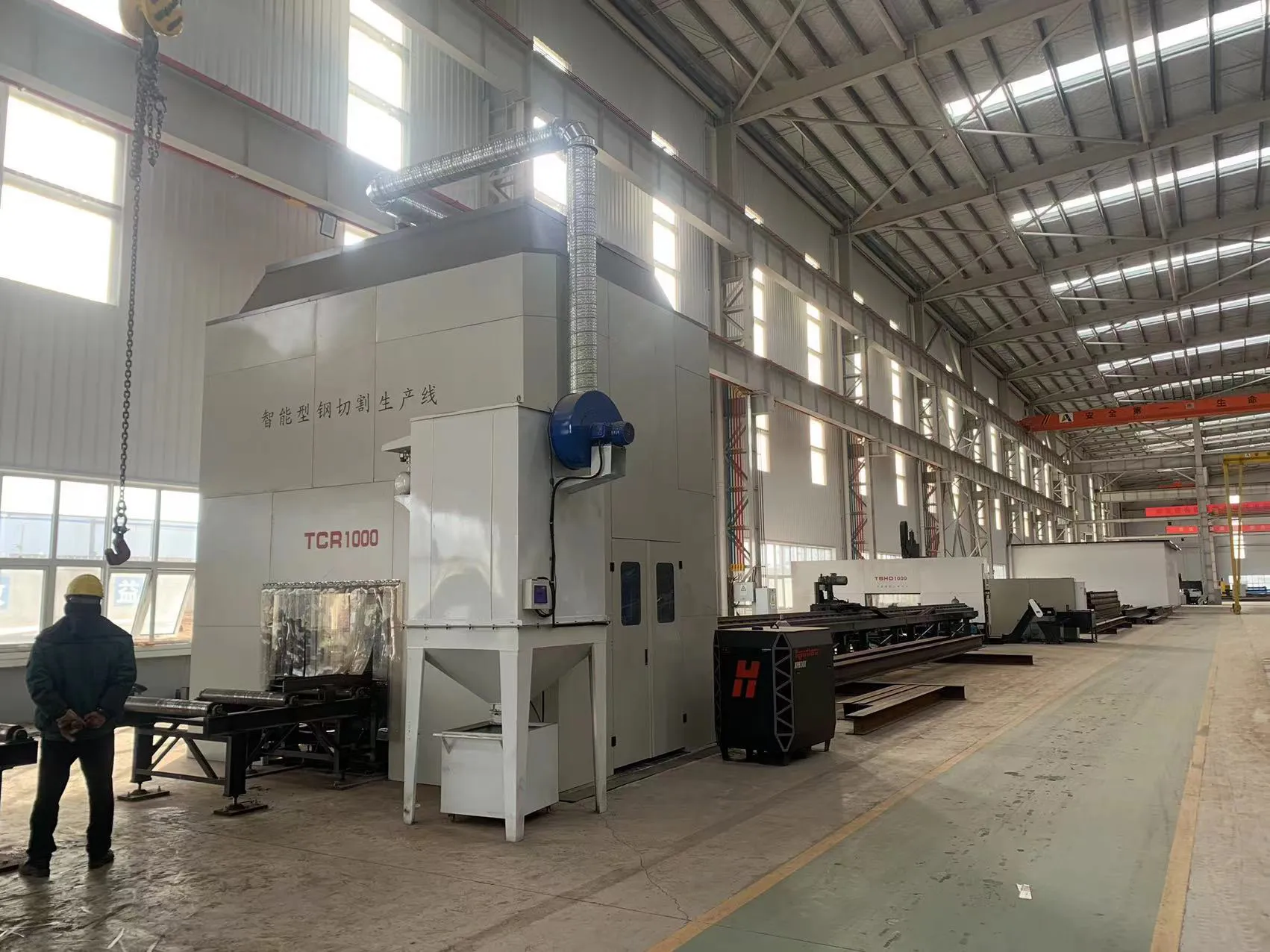 laser cutting machine” style=”width: 100%; max-width: 800px; height: auto; margin: 20px 0;”>
Processing Galvanized Steel: Technical Challenges
Galvanized steel presents unique challenges for laser cutting due to its protective zinc coating. Zinc has a much lower melting point (approx. 419°C) and boiling point (907°C) than the underlying steel (approx. 1500°C). When the laser beam hits the surface, the zinc vaporizes instantly, often before the steel begins to melt. This can lead to several issues:
- Zinc Vapor Interference: The rapidly expanding zinc vapor can disturb the assist gas flow, leading to turbulence and inconsistent cuts.
- Back-Reflection: Galvanized surfaces are more reflective than cold-rolled steel, which can potentially damage the laser optics if not managed by high-quality isolators and advanced beam delivery systems.
- Dross Formation: The molten zinc can mix with the steel melt pool, altering its viscosity and leading to “dross” or burrs on the bottom edge of the cut.
A 40kW laser cutting system mitigates these issues through sheer energy. The high power allows for such rapid traversal that the zinc layer is vaporized and cleared by the assist gas before it can significantly interfere with the steel melting process. This results in a cleaner edge and a smaller heat-affected zone (HAZ).
Optimizing Assist Gas for 40kW Applications
In laser cutting, the choice of assist gas is as critical as the power level. For galvanized steel in the Queretaro industrial sector, two primary strategies are employed: Nitrogen and High-Pressure Compressed Air.
Nitrogen (N2) Cutting: This is the preferred method for high-quality finishes. Nitrogen acts as a cooling agent and prevents oxidation of the cut edge. With 40kW of power, Nitrogen allows for incredibly fast cutting speeds on galvanized sheets, ensuring that the zinc coating remains intact as close to the cut edge as possible, maintaining the material’s corrosion resistance.
Compressed Air: As an economical alternative, high-pressure compressed air is gaining traction in Queretaro. Modern 40kW machines are equipped with advanced filtration and desiccant systems to ensure the air is oil-free and dry. Cutting with air is faster than Nitrogen for certain thicknesses, though it leaves a slight oxide layer. For many structural components used in the Bajío’s construction projects, this is an acceptable trade-off for the significant reduction in gas costs.
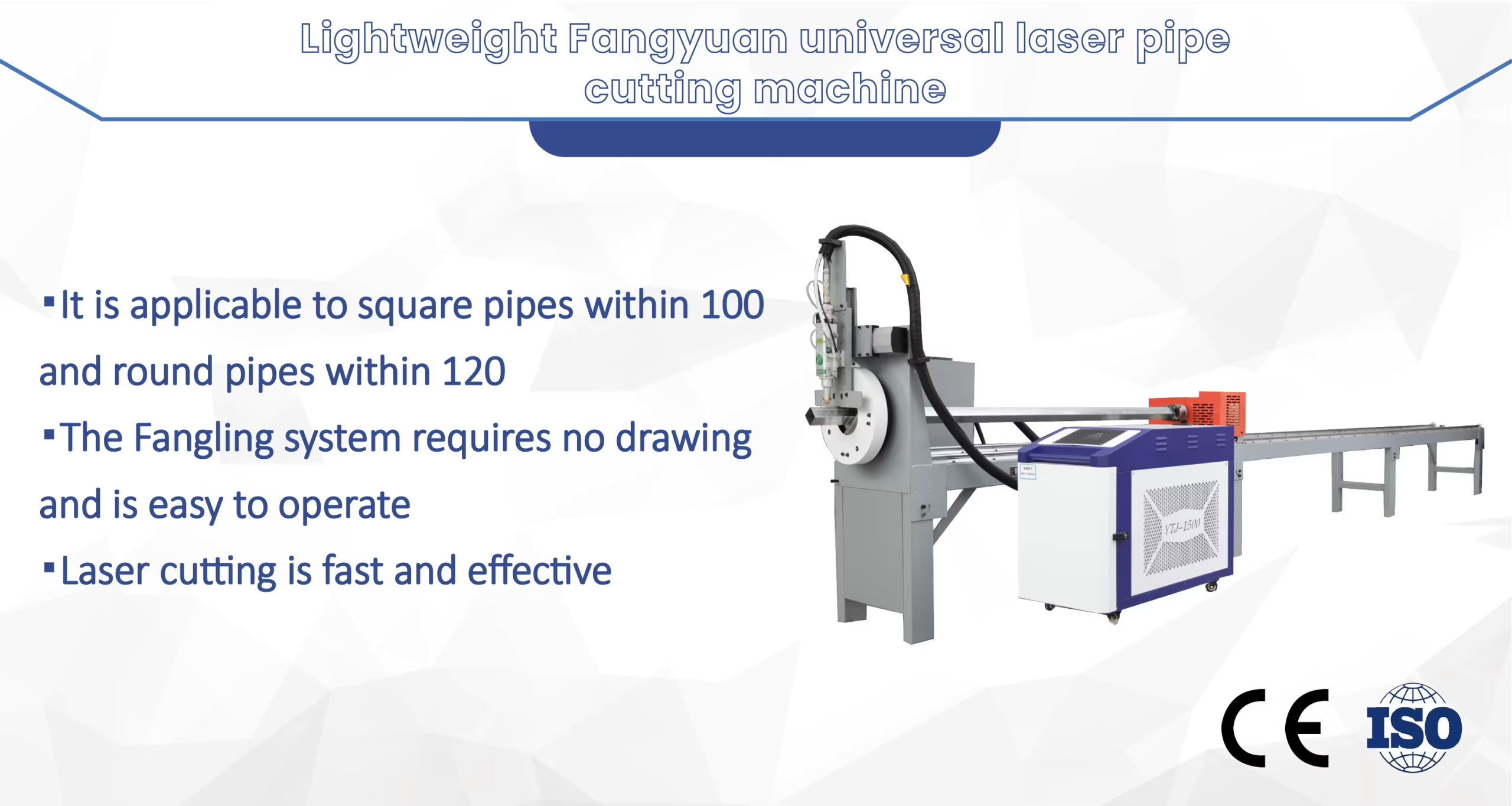
Queretaro’s Industrial Ecosystem and Laser Technology
Queretaro has established itself as a “Silicon Valley” of Mexican manufacturing. The state’s strategic location and robust infrastructure make it an ideal base for companies serving the North American market. In this environment, 40kW laser cutting technology serves several key sectors:
Automotive Tier 1 and Tier 2 Suppliers
The automotive industry relies heavily on galvanized steel for chassis components and brackets due to its longevity. 40kW lasers allow suppliers to meet the stringent “Just-in-Time” (JIT) delivery requirements of OEMs by processing thousands of parts per shift with minimal downtime. The precision of these machines ensures that hole tolerances are met without the need for secondary drilling or reaming.
HVAC and Ductwork Manufacturing
Galvanized steel is the primary material for HVAC systems. The ability of 40kW lasers to fly-cut thin-gauge galvanized sheets at speeds exceeding 100 meters per minute revolutionizes the production of large-scale industrial ducting. This speed, combined with automated loading and unloading systems, allows Queretaro-based manufacturers to compete on a global scale.
Technical Parameters for 40kW Cutting
Achieving the perfect cut on galvanized steel requires precise calibration of the 40kW power source. Engineers must consider the following variables:
Focal Position: For galvanized steel, the focal point is typically set slightly below the surface of the material. This ensures that the maximum energy density is directed at the steel core, while the “flare” of the beam helps to clear the zinc coating from the entry point.
Nozzle Selection: A double-layer nozzle is often recommended for high-power laser cutting with Nitrogen. This design stabilizes the gas flow and protects the protective window from zinc spatter. For 40kW systems, nozzle diameters are typically larger to accommodate the higher gas volumes required to clear the melt pool at high speeds.
Frequency and Duty Cycle: When cutting intricate geometries or sharp corners, the 40kW power must be modulated. Advanced CNC controllers automatically adjust the frequency and duty cycle based on the cutting speed to prevent over-burning at corners, a common issue when dealing with the highly reactive zinc coating.
Maintenance and Environmental Considerations in Queretaro
Operating a 40kW laser cutting machine in Queretaro requires attention to local environmental factors. The city sits at an altitude of approximately 1,820 meters. Lower air pressure at this altitude can affect the cooling efficiency of the chiller systems. It is imperative that the 40kW system is equipped with an oversized, high-stability chiller to maintain the laser source and cutting head at optimal temperatures.
Furthermore, the dust and humidity levels in industrial parks like Parque Industrial Querétaro or El Marqués necessitate robust dust extraction and air filtration. Zinc oxide fumes produced during the laser cutting of galvanized steel are hazardous and can coat the internal components of the machine if not properly exhausted. High-efficiency particulate air (HEPA) filters and dedicated fume extractors are mandatory for maintaining a safe and productive work environment.
The Economic Impact of 40kW Investment
While the initial capital expenditure for a 40kW fiber laser is higher than lower-power alternatives, the Return on Investment (ROI) is realized through volume and versatility. In the Queretaro market, where labor costs are rising and the demand for quality is non-negotiable, the 40kW system reduces the “cost per meter” significantly. By consolidating the work of three 6kW machines into a single 40kW unit, manufacturers save on floor space, electricity, and labor.
Additionally, the 40kW laser cutting capability allows shops to take on a wider variety of work. They can switch from 1mm galvanized sheet for HVAC to 50mm carbon steel plate for heavy machinery in the same afternoon, providing the flexibility needed to navigate the fluctuating demands of the Mexican industrial sector.
Conclusion: The Future of Fabrication in the Bajío
The integration of 40kW laser cutting technology represents the next logical step for Queretaro’s manufacturing base. As the region continues to attract high-tech investment, the ability to process galvanized steel and other alloys with extreme speed and precision will be the hallmark of successful Tier 1 suppliers. By understanding the technical nuances of high-power laser interaction with zinc coatings and optimizing parameters for the local environment, Queretaro-based companies can ensure their position at the forefront of the global manufacturing stage.
Investment in 40kW technology is more than an upgrade in machinery; it is a commitment to engineering excellence and industrial leadership in one of North America’s most dynamic economic zones.
















