
The Evolution of High-Power laser cutting in Guadalajara’s Industrial Sector
Guadalajara, often recognized as the “Silicon Valley of Mexico,” has undergone a significant transformation from a purely electronics-driven hub to a diversified industrial powerhouse. Central to this evolution is the adoption of ultra-high-power fiber laser technology. The introduction of the 40kW sheet metal laser has redefined the capabilities of local fabricators, particularly those serving the automotive, aerospace, and heavy infrastructure sectors in Jalisco. As production demands increase, the transition from 10kW or 20kW systems to 40kW platforms has become a strategic necessity for maintaining a competitive edge in the North American supply chain.
The 40kW fiber laser is not merely a tool for cutting thicker materials; it is a high-speed precision instrument that optimizes the laser cutting process across all gauges. In a market like Guadalajara, where lead times are compressed by “nearshoring” demands, the ability to process large volumes of sheet metal with minimal secondary finishing is paramount. This guide examines the technical nuances of operating a 40kW system, with a specialized focus on the challenges and solutions associated with galvanized steel.

Why 40kW is the New Benchmark for Jalisco Fabricators
For years, the industry standard hovered around 6kW to 12kW. While these machines are capable, they often struggle with the “bottleneck effect” when processing thick plates or when high-speed nitrogen cutting is required for thin-gauge galvanized materials. A 40kW system provides a massive reserve of power that allows for significantly higher feed rates. For instance, where a 12kW machine might cut 20mm carbon steel at 1.2 meters per minute, a 40kW machine can exceed 4 meters per minute, effectively tripling throughput without increasing the footprint of the workshop.
Processing Galvanized Steel: Technical Hurdles and Solutions
Galvanized steel is ubiquitous in Guadalajara’s HVAC and construction industries due to its corrosion resistance. However, it is notoriously difficult to process via laser cutting. The primary challenge lies in the zinc coating, which has a significantly lower melting point (approx. 419°C) than the base steel (approx. 1500°C). When the laser hits the material, the zinc vaporizes instantly, often creating high-pressure gas that can interfere with the stability of the laser beam and cause excessive dross or “spatter” on the underside of the sheet.
Managing the Zinc Layer Vaporization
With a 40kW source, the energy density is so high that the interaction time between the beam and the material is drastically reduced. This is a critical advantage. By increasing the cutting speed, the “Heat Affected Zone” (HAZ) is minimized, which prevents the zinc coating from boiling away too far from the kerf. In Guadalajara’s high-humidity months, preventing the degradation of the galvanized layer is essential to ensure the final product retains its anti-corrosive properties. Engineers must fine-tune the frequency and duty cycle of the laser pulse to ensure a clean vapor path for the zinc without compromising the structural integrity of the steel edge.
Gas Selection Strategies for Galvanized Material
The choice of assist gas is the most influential factor in the quality of the laser cutting output. For 40kW systems processing galvanized steel, Nitrogen (N2) is the industry standard. Nitrogen acts as a shielding gas, preventing oxidation of the cut edge and allowing the zinc to remain as stable as possible at the perimeter of the cut.
High-pressure nitrogen (typically between 12 and 18 bar) is required to “blow out” the molten material before it can react with the zinc vapor. At 40kW, the flow dynamics become complex; the nozzle design must be optimized to prevent turbulence. Many Guadalajara-based facilities are now investing in on-site nitrogen generation systems to support the high consumption rates required by 40kW machines, ensuring that the cost-per-part remains lower than purchasing liquid nitrogen in bulk.
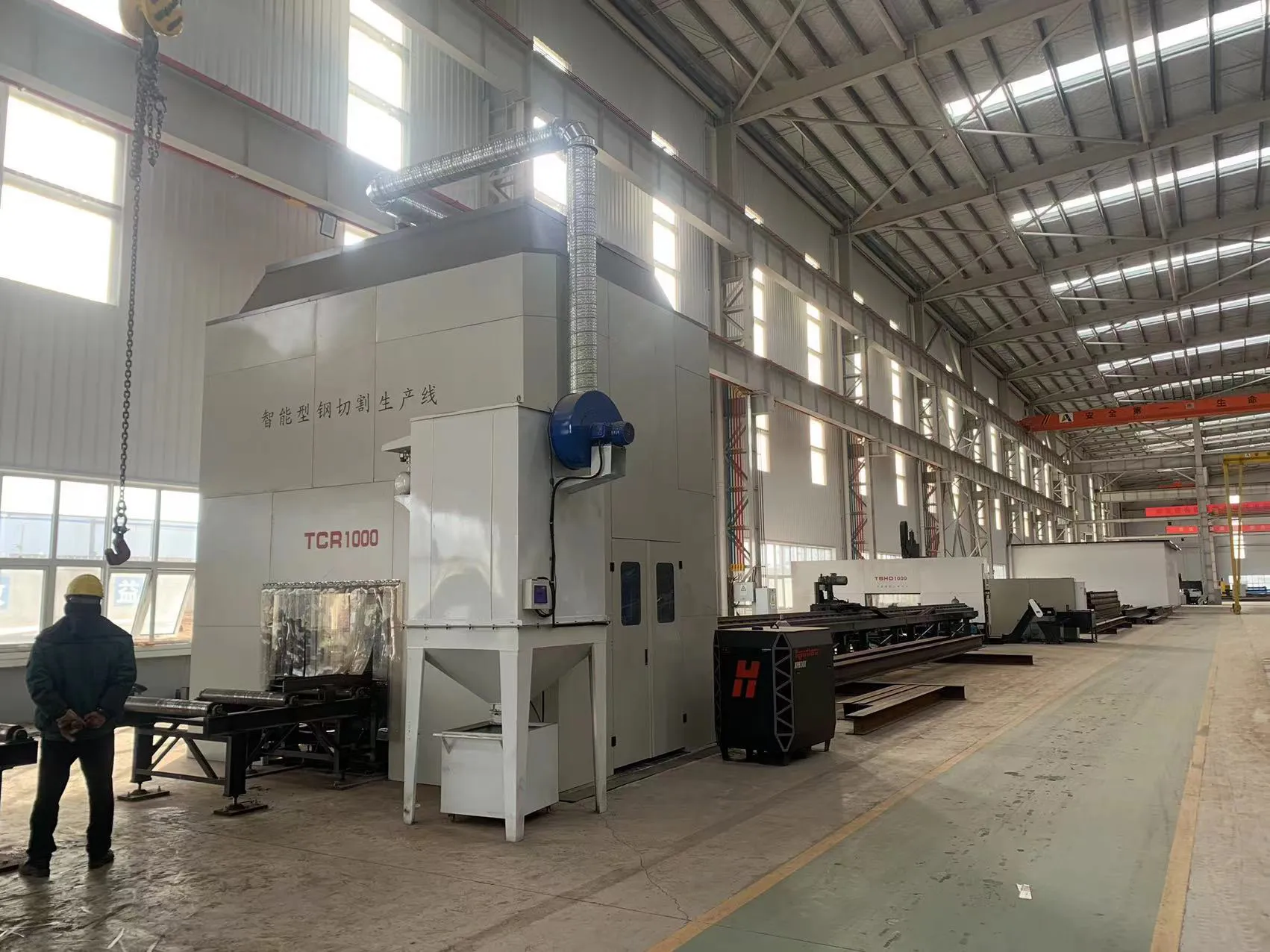
Machine Specifications and Site Requirements in Jalisco
Integrating a 40kW laser into a production facility in Guadalajara requires more than just floor space. The infrastructure must be robust enough to handle the electrical load and the thermal output of such a powerful fiber source. A 40kW laser source typically requires a dedicated substation or a high-capacity industrial transformer to prevent voltage drops during the piercing phase, where power spikes are most common.
Power Infrastructure and Cooling
Guadalajara’s climate, while generally temperate, can experience high ambient temperatures during the spring. Fiber lasers are sensitive to heat; the chiller unit for a 40kW system is a massive component that must maintain the laser source and the cutting head at a constant temperature (usually around 22°C to 25°C). Engineers must ensure that the chiller has a cooling capacity of at least 80kW to 100kW to account for the inefficiency of heat exchange in warmer climates. Furthermore, the use of deionized water and specialized additives is mandatory to prevent microbial growth and corrosion within the internal cooling circuits of the laser source.
Optical Path and Cutting Head Maintenance
At 40kW, the intensity of the light is enough to destroy the cutting head optics if even a microscopic particle of dust is present. For shops in industrial zones like El Salto or Zapopan, air filtration is a major concern. The laser cutting environment must be kept clean, and the machine should ideally be equipped with a pressurized bellows system to keep dust away from the beam path. The protective windows (cover slips) must be inspected daily; at this power level, a small smudge can lead to thermal runaway, cracking the lens and resulting in expensive downtime.
Optimizing Throughput for the Guadalajara Automotive and HVAC Sectors
The automotive supply chain in Mexico demands high repeatability and tight tolerances. When cutting galvanized components for chassis or bracketry, the 40kW laser’s ability to perform “fly cutting” is a game changer. Fly cutting allows the head to move in a continuous motion, firing the laser as it passes over programmed geometries without stopping at each start point. This reduces the mechanical wear on the gantry and slashes cycle times by up to 40% on complex sheet metal layouts.
Advanced Piercing Technology
One of the most significant advantages of 40kW technology is the “Lightning Pierce” or ultra-fast piercing capability. On thick galvanized plates, traditional piercing can take several seconds and create a large crater of molten zinc and steel. The 40kW source can pierce 20mm material in less than 0.2 seconds. This speed prevents the accumulation of heat, which is vital when working with galvanized coatings that tend to flake or bubble when exposed to prolonged thermal stress. By utilizing a multi-stage piercing sequence—where the power is ramped up while the focal point is adjusted dynamically—the 40kW system produces a clean, small-diameter entry hole that preserves the aesthetic and functional quality of the part.
Nesting and Material Yield
Given the rising cost of raw materials in the Mexican market, maximizing material yield is essential. Modern CAD/CAM software tailored for 40kW laser cutting systems uses sophisticated algorithms to nest parts with minimal skeletons. Because the 40kW beam is so stable and the kerf so narrow, parts can be placed closer together without the risk of heat from one cut affecting the integrity of the adjacent part. This is particularly beneficial for galvanized steel, where maintaining the protective coating on the “bridge” between parts is necessary for structural longevity.
Maintenance Protocols for High-Power Systems
Operating a 40kW laser in an industrial environment like Guadalajara requires a disciplined maintenance schedule. The high power levels accelerate the wear on certain components that would last much longer in a 3kW or 6kW system.
- Nozzle Centering: Must be checked every shift. Even a slight misalignment at 40kW will cause the beam to clip the nozzle, destroying it instantly and potentially damaging the sensor electronics.
- Fume Extraction: Galvanized steel produces toxic zinc oxide fumes. A 40kW machine cuts so fast that the volume of fumes generated per minute is massive. High-capacity dust collectors with HEPA filtration and automatic pulse-cleaning cycles are non-negotiable for operator safety and environmental compliance in Jalisco.
- Slat Maintenance: The copper or steel slats that support the sheet metal will degrade faster under a 40kW beam. Regular cleaning and replacement are necessary to prevent “back-reflection” and slag buildup, which can mar the underside of galvanized sheets.
Conclusion: The Future of Fabrication in Jalisco
The 40kW sheet metal laser represents the pinnacle of current thermal cutting technology. For fabricators in Guadalajara, it offers a path to higher profitability by combining the speed of a thin-sheet cutter with the raw power of a heavy-plate processor. While the challenges of laser cutting galvanized steel—such as zinc vaporization and gas management—remain, the sheer energy density and speed of a 40kW system provide the technical solution needed to overcome them. As the region continues to grow as a global manufacturing center, those who master these high-power systems will lead the market in quality, efficiency, and scale.
















