
The Evolution of 40kW laser cutting in Tijuana’s Industrial Sector
The manufacturing landscape in Tijuana, Baja California, has undergone a radical transformation over the last decade. As a primary hub for the “maquiladora” industry and a critical node in the North American supply chain, the demand for high-precision, high-volume metal fabrication has never been greater. The introduction of 40kW fiber laser technology represents the current pinnacle of this evolution. For facilities processing carbon steel, the leap from 10kW or 20kW to a 40kW system is not merely an incremental upgrade; it is a fundamental shift in production capacity and material versatility.
In the context of Tijuana’s proximity to the United States border, local manufacturers are under constant pressure to deliver components that meet stringent ASTM and ISO standards while maintaining competitive lead times. The 40kW sheet metal laser offers the power density required to pierce thick carbon steel plates in fractions of a second, significantly reducing the “pierce-to-cut” cycle time that often bottlenecks production in heavy-duty fabrication shops.
The Technical Advantage of 40kW Fiber Lasers
At the heart of the 40kW system is the fiber laser source, which utilizes multiple diode modules to generate a high-intensity beam. This beam is delivered via a flexible fiber optic cable to the cutting head, where sophisticated optics focus the energy into a microscopic spot. For carbon steel, this concentration of energy allows for a process known as “high-speed melt-shearing” even in thicknesses exceeding 30mm.
The primary advantage of 40kW laser cutting is the drastic increase in cutting speed across all material thicknesses. While a 12kW laser might struggle with 25mm carbon steel, achieving only modest speeds with oxygen as an assist gas, a 40kW system can process the same material at speeds that rival plasma cutting but with the superior edge quality and dimensional accuracy inherent to laser technology. This eliminates the need for secondary grinding or finishing operations, which are common when using older thermal cutting methods.
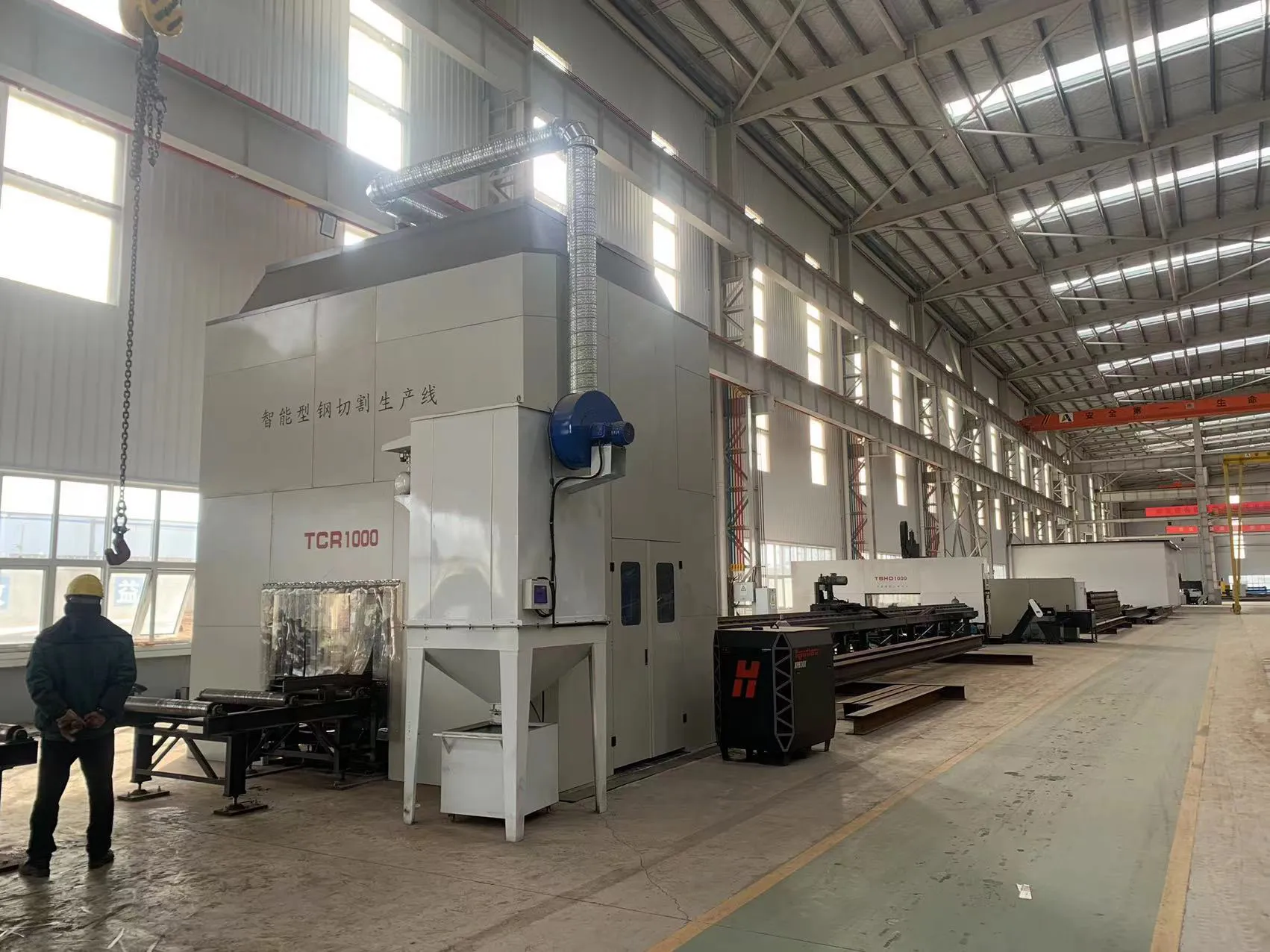 laser cutting machine Operation” style=”width: 100%; max-width: 800px; height: auto; margin: 20px 0;”>
Optimizing Carbon Steel Processing in Tijuana
Carbon steel, specifically grades like A36, 1018, and 1045, is the backbone of the construction and automotive industries in the Tijuana-San Diego region. When laser cutting carbon steel at 40kW, the interaction between the beam and the material is highly efficient. However, the metallurgical properties of carbon steel require specific considerations to ensure a clean kerf and minimal dross.
One of the most significant developments in 40kW technology is the ability to use high-pressure air or nitrogen as an assist gas for thicker sections of carbon steel. Traditionally, oxygen was required to facilitate an exothermic reaction to cut through thick plates. While effective, oxygen cutting leaves an oxide layer on the edge that must be removed before painting or welding. With 40kW of power, the laser can mechanically melt and blow away the molten steel using nitrogen or compressed air, resulting in an oxide-free edge that is immediately ready for the next stage of production.
The Tijuana Advantage: Nearshoring and High-Capacity Manufacturing
Tijuana’s strategic location makes it an ideal environment for high-capacity 40kW laser installations. With the rise of nearshoring, many U.S.-based companies are moving their fabrication requirements from overseas to Mexico. To compete, Tijuana-based shops must offer the same or better technological capabilities as their international counterparts. A 40kW laser cutting system allows a single machine to do the work of three or four lower-powered units, maximizing the utility of expensive floor space in industrial zones like Otay Mesa or El Florido.
Furthermore, the labor market in Tijuana has matured, with a growing pool of engineers and technicians skilled in CNC programming and laser maintenance. Operating a 40kW system requires a higher level of technical expertise, particularly in managing the sophisticated nesting software and cooling systems required to keep the machine running at peak efficiency during multi-shift operations.
Operational Parameters for Thick Plate Carbon Steel
When processing carbon steel at 40kW, several variables must be meticulously controlled. The focal position of the laser beam is critical; for thick plates, the focus is often set deeper into the material to ensure the energy is distributed evenly through the kerf. The nozzle diameter and distance from the workpiece also play vital roles in stabilizing the assist gas flow, which prevents turbulence and ensures a smooth surface finish.
In Tijuana’s climate, which can experience significant humidity fluctuations, the quality of compressed air used in laser cutting is paramount. High-power 40kW systems require ultra-dry, oil-free air to prevent contamination of the cutting head optics. Many local facilities invest in high-end refrigerated dryers and multi-stage filtration systems to protect their investment and maintain consistent cut quality throughout the year.

Thermal Management and Cooling Requirements
A 40kW laser generates a substantial amount of heat, not just at the point of the cut, but within the laser source and the cutting head itself. Advanced water-cooling systems (chillers) are mandatory. These chillers must be capable of maintaining a precise temperature within a fraction of a degree. In the industrial parks of Tijuana, where electrical infrastructure can sometimes be taxed, ensuring a stable power supply and dedicated cooling capacity is essential for preventing machine downtime.
The cutting head of a 40kW system is also equipped with multiple sensors that monitor the temperature of the protective windows and the focus lenses. If any contamination is detected or if the temperature exceeds a safety threshold, the system will automatically pause, preventing catastrophic damage to the optical assembly. For a high-output shop, this predictive maintenance capability is what allows for 24/7 operation with minimal risk.
Economic Impact and Return on Investment (ROI)
The capital expenditure for a 40kW sheet metal laser is significant, but the ROI is often realized faster than with lower-power machines due to the sheer volume of throughput. In the competitive Tijuana fabrication market, being able to quote a job for 50mm carbon steel with the precision of a laser—rather than the rougher finish of a plasma cutter—allows shops to win higher-margin contracts in the aerospace, medical, and energy sectors.
Speed is the primary driver of this ROI. For example, on 12mm carbon steel, a 40kW laser can cut up to 3-4 times faster than a 6kW machine. This means the cost per part is drastically reduced, as labor and overhead are spread across a much larger number of finished components. Additionally, the ability to cut with air instead of expensive bottled gases further reduces the operational cost per hour, providing a distinct competitive edge in the regional market.
Safety and Compliance in Baja California
Operating a Class 4 laser system of this magnitude requires strict adherence to safety protocols. In Mexico, NOM (Normas Oficiales Mexicanas) standards dictate the safety requirements for industrial machinery. A 40kW laser cutting machine must be fully enclosed to prevent accidental exposure to reflected laser radiation, which can cause instantaneous permanent eye damage or skin burns.
Tijuana manufacturers must also consider the environmental impact of high-power cutting. The process of vaporizing carbon steel produces significant amounts of fine particulate matter and fumes. Robust dust extraction and filtration systems are necessary to comply with local environmental regulations and to ensure a safe working environment for the machine operators. These systems not only protect the health of the workers but also prevent dust from settling on the machine’s precision components, such as the linear guides and racks, which could lead to premature wear.
The Future of Heavy Fabrication in the Region
As we look toward the future of manufacturing in Tijuana, the adoption of 40kW and even higher-power lasers seems inevitable. The trend toward larger, more complex assemblies requires the precision that only laser cutting can provide at scale. Furthermore, the integration of automation—such as automated loading and unloading systems—coupled with 40kW power, creates a “lights-out” manufacturing environment that can operate with minimal human intervention.
For companies currently operating in or looking to expand into Tijuana, the 40kW sheet metal laser is no longer a luxury; it is becoming the standard for those who wish to lead in the carbon steel fabrication industry. By combining the power of ultra-high-speed cutting with the strategic advantages of the Tijuana-San Diego border region, manufacturers are well-positioned to meet the challenges of the global market for decades to come.
Conclusion
The 40kW fiber laser is a masterclass in engineering, offering unparalleled speed, precision, and thickness capabilities for carbon steel processing. In the dynamic industrial landscape of Tijuana, this technology serves as a catalyst for growth, enabling local shops to compete on a global scale. By understanding the technical nuances of high-power laser cutting—from gas selection to thermal management—manufacturers can unlock new levels of productivity and set new benchmarks for quality in the North American manufacturing sector.
















