
Introduction to Ultra-High Power laser cutting: The 40kW Revolution
The landscape of industrial metal fabrication is undergoing a seismic shift as fiber laser technology pushes past previous limitations. For years, 10kW and 20kW systems were considered the pinnacle of efficiency. However, the introduction of the 40kW sheet metal laser has redefined the benchmarks for speed, thickness, and precision, particularly when processing carbon steel. In manufacturing hubs like Guadalajara, where the automotive, aerospace, and heavy machinery sectors demand high-volume throughput and exacting tolerances, the 40kW laser is no longer a luxury—it is a strategic necessity.
A 40kW laser cutting system utilizes high-density fiber optics to deliver an immense concentration of energy to the material surface. This power allows for the rapid vaporization of thick carbon steel plates that were previously the sole domain of plasma or waterjet cutting. By integrating this technology, fabricators in Jalisco can achieve “bright surface” cuts on thick plates, reducing the need for secondary finishing processes and significantly lowering the cost per part.
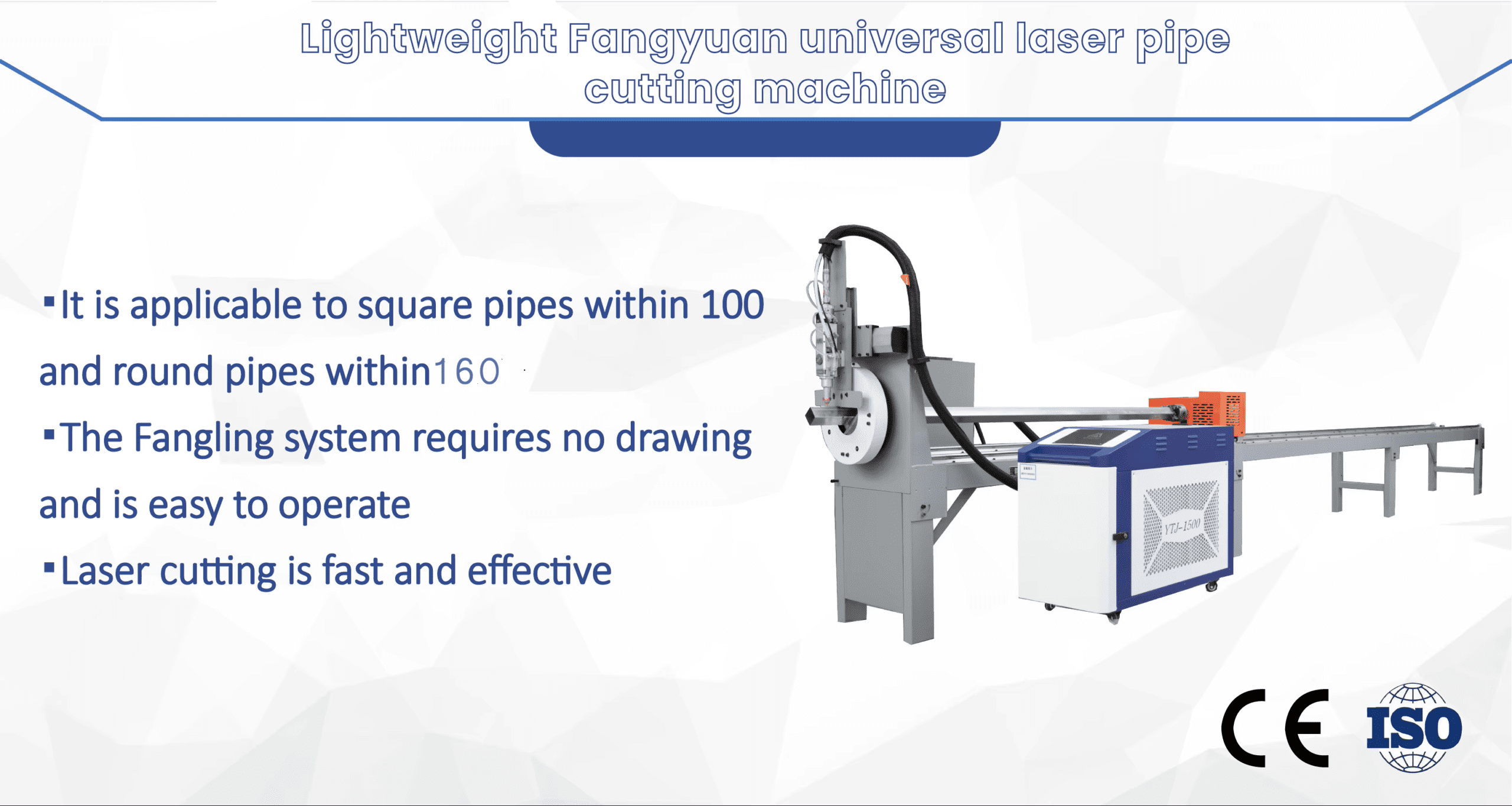 laser cutting machine“>
The Advantage of 40kW for Carbon Steel Processing
Carbon steel remains the backbone of global construction and manufacturing. Its weldability and structural integrity make it indispensable, but its thickness can often pose a challenge for traditional laser systems. A 40kW laser cutting machine addresses these challenges by providing a massive power reserve that ensures stable cutting across a wider range of thicknesses.
Extreme Thickness Capability
While a 12kW laser might struggle or require very slow feed rates for 30mm carbon steel, a 40kW system handles these thicknesses with ease. In fact, 40kW lasers can effectively cut carbon steel up to 80mm or even 100mm in specific industrial configurations. This capability allows Guadalajara-based service centers to take on heavy-duty structural projects that were previously outsourced or handled by slower, less precise methods.
Superior Speed and Throughput
The primary driver for ROI in any laser cutting operation is “meters per minute.” When processing medium-thickness carbon steel (e.g., 10mm to 20mm), a 40kW laser can operate at speeds three to four times faster than a 12kW system. This exponential increase in throughput means that a single 40kW machine can often replace multiple lower-power units, saving valuable floor space and reducing labor overhead in busy industrial zones like El Salto or Zapopan.
Enhanced Cut Quality and “Bright Surface” Technology
One of the most significant engineering breakthroughs associated with 40kW laser cutting is the ability to achieve a “bright surface” finish on thick carbon steel. Traditionally, thick plates cut with oxygen assist gas would result in a heavily oxidized, rough edge. With the power of 40kW, the laser can utilize high-pressure air or nitrogen—or optimized oxygen parameters—to produce a smooth, perpendicular edge with minimal dross. This is critical for Guadalajara’s automotive suppliers who require parts ready for immediate robotic welding.
The Industrial Landscape of Guadalajara and the Bajío Region
Guadalajara is often referred to as Mexico’s “Silicon Valley,” but its industrial prowess extends far beyond electronics. The region is a vital node in the North American supply chain, particularly for the automotive and heavy equipment industries. As companies look to nearshore their production to Mexico, the demand for high-precision metal components has skyrocketed.
Meeting Automotive Standards
The automotive industry in the Bajío region demands high repeatability and tight tolerances. Laser cutting provides the precision necessary for chassis components, bracketry, and structural reinforcements. A 40kW system ensures that even high-strength carbon steel alloys can be processed without compromising the material’s structural integrity due to excessive heat-affected zones (HAZ).
Infrastructure and Construction Demand
With the rapid expansion of industrial parks in Jalisco, there is a constant need for heavy structural steel. 40kW lasers allow for the rapid production of base plates, gussets, and specialized beams. The ability to cut large-format sheets (often 6 meters or longer) on these high-power machines aligns perfectly with the requirements of large-scale construction projects in the Guadalajara metropolitan area.
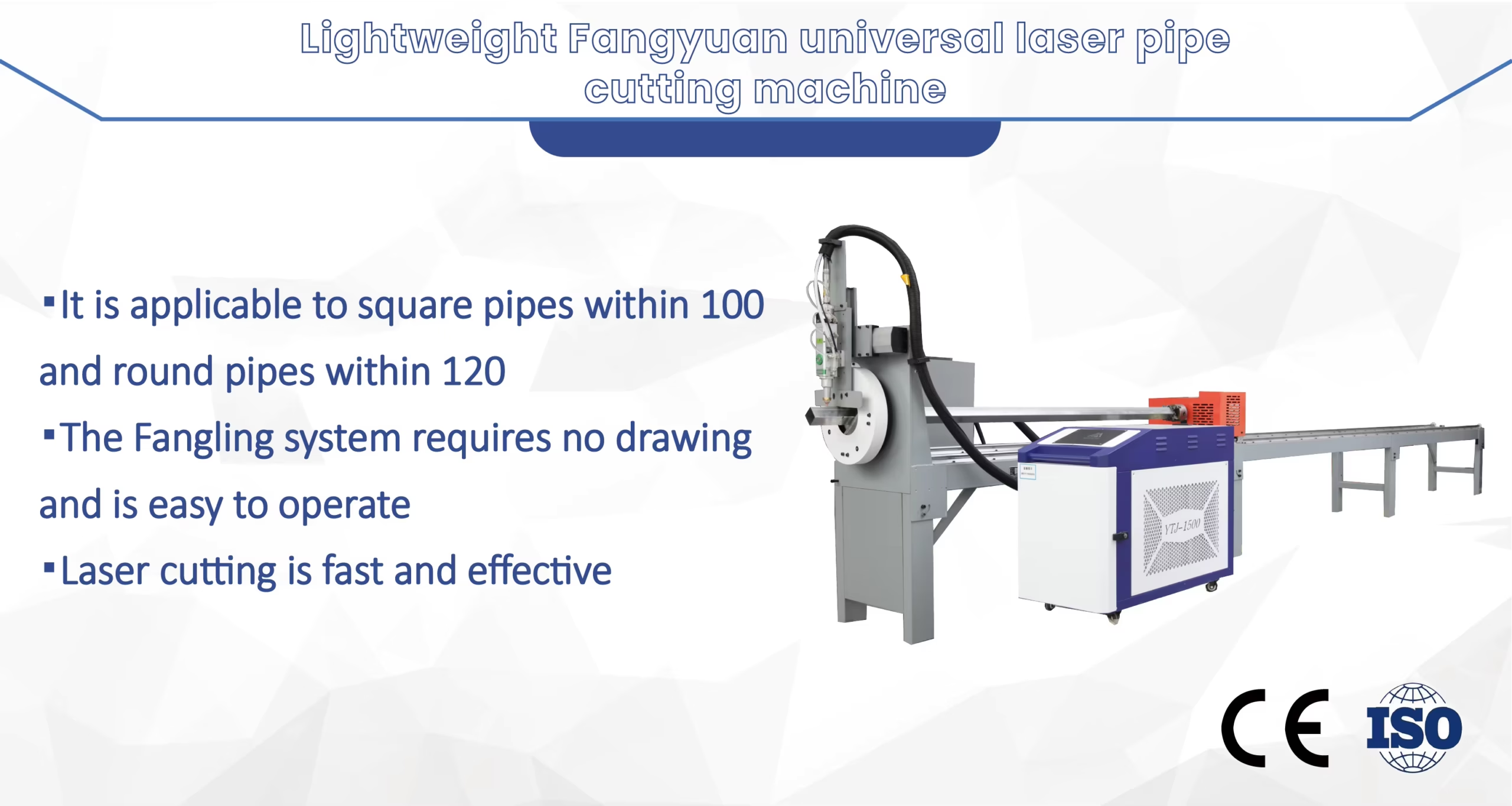
Technical Breakthroughs in 40kW Fiber Laser Cutting
Operating at 40,000 watts requires more than just a larger power supply; it requires a complete re-engineering of the machine’s optical and mechanical systems. Understanding these technical nuances is essential for any engineering team looking to implement this technology.
Advanced Cutting Heads
The cutting head is the heart of the laser cutting system. At 40kW, the thermal load on internal lenses is extreme. Modern 40kW systems utilize specialized heads with sophisticated cooling channels and ultra-pure protective windows. These heads feature automated focus adjustment and real-time monitoring of the cutting process, allowing the machine to compensate for material variations in carbon steel plates automatically.
Machine Bed Stability and Dynamics
Cutting thick carbon steel at high speeds generates significant inertial forces. A 40kW laser must be built on a heavy-duty, heat-treated gantry and bed to prevent vibrations that could degrade cut quality. For Guadalajara manufacturers, choosing a machine with a reinforced hollow-structure bed is vital to ensure long-term accuracy, especially when the machine is running 24/7 in a high-production environment.
Gas Dynamics and Consumption
The choice of assist gas—Oxygen (O2), Nitrogen (N2), or Air—is a critical factor in the economics of laser cutting. While 40kW lasers can cut thick carbon steel with oxygen for a clean finish, they also excel at high-pressure air cutting. For many applications, using compressed air as the assist gas significantly reduces the operating cost per hour, as it eliminates the need for expensive liquid nitrogen or bulk oxygen tanks.
Optimizing Carbon Steel Processing for Maximum ROI
Investing in a 40kW laser cutting system is a significant capital expenditure. To maximize the return on investment, companies in Guadalajara must focus on process optimization and workflow integration.
Nesting and Material Utilization
Advanced CAD/CAM software is essential for 40kW operations. Because the machine cuts so quickly, the “nesting” of parts must be handled efficiently to minimize material waste and prevent the laser from “waiting” for the next program. Common-line cutting and bridge cutting techniques become even more valuable when the laser is moving at high velocities.
Automation and Material Handling
A 40kW laser can process a full sheet of 12mm carbon steel in a matter of minutes. Manual loading and unloading cannot keep up with this pace. For a Guadalajara facility to be truly competitive, the laser cutting system should be paired with automated loading/unloading towers or a pallet changer. This ensures the laser is “beam-on” for the maximum percentage of the shift.
Maintenance in the Mexican Climate
Guadalajara’s climate is generally mild, but industrial environments can be dusty and subject to temperature fluctuations. 40kW lasers require high-capacity industrial chillers to maintain the stability of the laser source and the cutting head. Regular maintenance of the dust extraction system is also critical, as cutting thick carbon steel produces significant amounts of particulate matter. Implementing a rigorous preventative maintenance schedule is the only way to protect the investment.
Operational Cost and Efficiency: 40kW vs. Lower Power
From an engineering perspective, the efficiency of a 40kW laser is found in its power-to-speed ratio. While the initial purchase price is higher than a 12kW or 20kW machine, the cost per part is often lower. This is because the 40kW machine completes jobs much faster, meaning the fixed costs of the facility (rent, labor, electricity, and insurance) are spread across a much larger volume of parts.
Furthermore, the ability to cut with high-pressure air on 40kW systems allows for the processing of carbon steel at speeds that were previously impossible. In many cases, the edge quality of an air-cut part at 40kW is superior to an oxygen-cut part at 6kW, with the added benefit of being ready for paint or powder coating without the need for de-scaling the oxide layer.
Implementing 40kW Technology in the Bajío Region
For companies in Guadalajara looking to upgrade, the transition to 40kW requires careful planning. This includes ensuring the facility has the electrical infrastructure to support the power draw and the gas delivery systems to handle high-flow requirements. Working with a supplier that provides local technical support in Mexico is non-negotiable; downtime on a 40kW machine is far more costly than on a smaller system due to the sheer volume of production lost.
Training and Skill Development
Operating an ultra-high-power laser requires a different mindset than traditional machining. Operators must be trained in the nuances of beam alignment, nozzle selection, and the specific parameters required for thick carbon steel. Local technical institutes in Jalisco are increasingly focusing on CNC and laser technologies, providing a pool of talent that can be further specialized in 40kW operations.
Conclusion
The 40kW sheet metal laser represents the current zenith of fiber laser technology. For the metalworking industry in Guadalajara, it offers a path to unprecedented productivity and the ability to dominate the market for thick carbon steel processing. By combining the raw power of 40,000 watts with advanced software, robust machine design, and strategic automation, manufacturers can achieve a level of efficiency that was unimaginable just a few years ago. As the North American manufacturing sector continues to evolve, those who adopt 40kW laser cutting technology will be the ones setting the pace for the future of industry.
















