
The Evolution of Industrial Fabrication: 40kW laser cutting in Puebla
The manufacturing landscape of Puebla, Mexico, has long been defined by its robust automotive and aerospace sectors. As global demand for lightweight, high-strength components increases, the transition toward advanced aluminum alloys has become a necessity. To meet these demands, the introduction of the 40kW fiber laser represents a monumental leap in production capability. This guide explores the technical intricacies, metallurgical considerations, and economic advantages of deploying 40kW sheet metal laser systems specifically for aluminum alloy fabrication within the Puebla industrial corridor.
For decades, 6kW to 12kW lasers were the industry standard. However, the physics of laser cutting aluminum presents unique challenges, primarily due to the material’s high thermal conductivity and high reflectivity. A 40kW system does not merely offer “more power”; it fundamentally changes the thermodynamics of the cutting process, allowing for faster feed rates, cleaner edges on thick plates, and a significantly reduced heat-affected zone (HAZ).
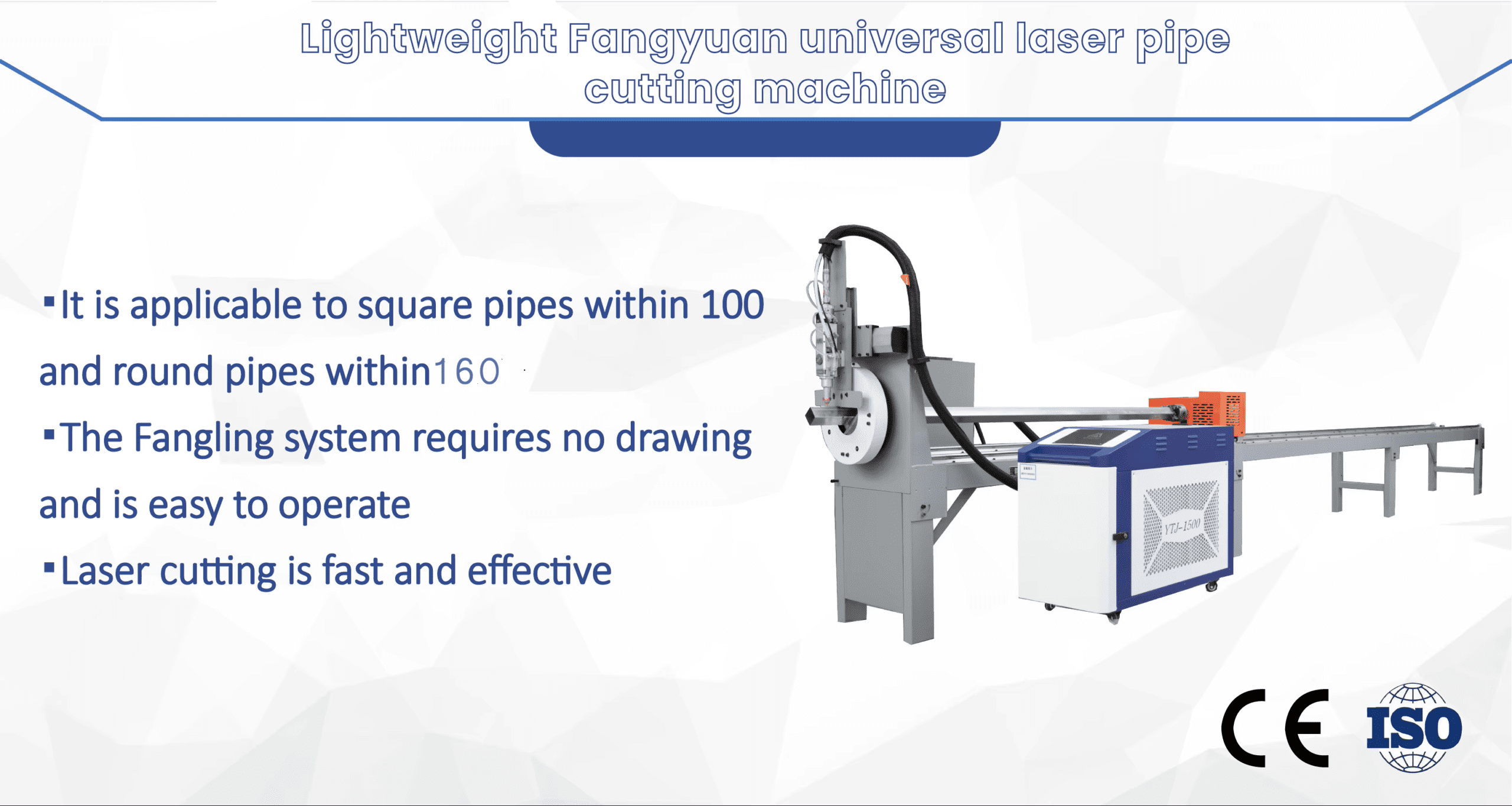 laser cutting machine MAK160″>
The Physics of 40kW Power Density
In the context of laser cutting, power density is the critical variable. When a 40kW beam is focused onto an aluminum alloy surface, the energy density is sufficient to instantaneously vaporize the metal, bypassing much of the conductive heat loss that plagues lower-power systems. In Puebla’s high-altitude environment, where atmospheric pressure and oxygen levels differ slightly from sea-level facilities, the stability of a high-wattage fiber source ensures consistent beam quality across large-format worktables.
The 40kW source allows for the processing of aluminum alloys up to 100mm in thickness, though its primary advantage is found in the “high-speed” range of 10mm to 40mm. In this thickness bracket, a 40kW machine can operate at speeds three to four times faster than a 15kW machine, directly translating to higher throughput for Tier 1 automotive suppliers in the region.
Aluminum Alloy Specialization: 5XXX and 6XXX Series
Puebla’s manufacturing base frequently utilizes 5000-series (magnesium-alloyed) and 6000-series (silicon and magnesium-alloyed) aluminum. Each reacts differently to the laser cutting process. The 5000 series is prized for its corrosion resistance and weldability, making it a staple in marine and heavy transport sectors. The 6000 series is the backbone of the automotive structural industry due to its excellent strength-to-weight ratio.
Overcoming Reflectivity and Thermal Conductivity
Aluminum reflects a significant portion of infrared light in its solid state. At lower power levels, back-reflection can damage the laser source or the cutting head. A 40kW system utilizes advanced back-reflection protection and high-energy bursts to break the material’s reflective barrier instantly. Once the “keyhole” is established, the absorption rate increases dramatically, allowing for a stable and continuous melt pool.
Because aluminum dissipates heat rapidly, slower cutting speeds lead to “heat soak,” where the entire part becomes hot, leading to dimensional inaccuracies and dross (slag) accumulation on the bottom edge. The 40kW laser moves so quickly that the heat remains localized at the kerf, resulting in a “cold” part that maintains its structural integrity and requires minimal post-processing.

Assist Gas Dynamics for Aluminum
The choice of assist gas is paramount when laser cutting aluminum with ultra-high power. In Puebla, where industrial gas supply chains are well-established, manufacturers typically choose between Nitrogen, Oxygen, and Compressed Air.
- Nitrogen: The preferred choice for high-quality finishes. Nitrogen acts as a mechanical force to eject molten metal without causing oxidation. This leaves a bright, weld-ready edge that is essential for Puebla’s aerospace components.
- Oxygen: Generally avoided for aluminum as it can lead to heavy oxidation and a rougher surface finish, though it can be used for specific thick-plate applications where speed is less critical than penetration.
- High-Pressure Air: With 40kW of power, compressed air cutting has become a viable, cost-effective alternative for many 5000-series applications. The high power compensates for the less efficient gas dynamics, providing a balance between speed and operational cost.
Regional Infrastructure: Why Puebla is the Ideal Hub
Puebla is strategically positioned as a nexus for the Mexican industrial sector. With the presence of major OEMs like Volkswagen and Audi, the demand for precision-cut aluminum parts is constant. Integrating 40kW laser cutting technology into this ecosystem allows local fabricators to compete on a global scale, offering lead times and quality levels that were previously only attainable in highly subsidized international markets.
Integration with Automotive Supply Chains
Modern automotive design relies on aluminum for “lightweighting” to improve fuel efficiency and electric vehicle (EV) range. The structural components, battery enclosures, and chassis reinforcements required by the Puebla automotive cluster demand tight tolerances. A 40kW laser provides the precision necessary to eliminate secondary machining steps. When a 20mm aluminum plate can be cut with a ±0.1mm tolerance at high speed, the cost-per-part drops significantly, allowing local suppliers to secure larger contracts.
Logistics and Technical Support
Operating a 40kW machine requires specialized infrastructure, including high-capacity electrical transformers and advanced cooling systems. Puebla’s industrial parks are well-equipped to handle these requirements. Furthermore, the proximity to technical universities in Puebla ensures a pipeline of skilled engineers capable of programming and maintaining these sophisticated CNC systems.
Operational Excellence and Maintenance
Investing in a 40kW laser cutting system is a significant capital expenditure. Maximizing the Return on Investment (ROI) requires a rigorous approach to maintenance and operational safety. High-power lasers generate significant ultraviolet and infrared radiation, necessitating specialized enclosure glass and safety protocols for all personnel.
The Importance of the Cutting Head
At 40kW, the cutting head is under immense thermal stress. Advanced heads equipped with automated focus adjustment and real-time monitoring of the protective window are essential. In the dusty or variable humidity conditions sometimes found in Central Mexico, maintaining the cleanliness of the optical path is the single most important factor in preventing downtime. Automated nozzle cleaning and calibration cycles must be integrated into the daily production workflow.
Cooling Systems and Environmental Control
A 40kW fiber laser requires a high-performance chiller to maintain the stability of the laser diodes and the optics. In Puebla, where daytime temperatures can fluctuate, a dual-circuit cooling system is mandatory. This ensures that the laser source remains at a constant temperature while the cutting head is cooled independently to prevent thermal shift during long production runs on thick aluminum plate.
The Economic Impact of High-Power Laser Cutting
The transition from 12kW to 40kW is not just a technical upgrade; it is an economic strategy. By increasing the cutting speed of 25mm aluminum by 300%, a shop can effectively triple its capacity without increasing its physical footprint. For the fabrication shops in Puebla, this means the ability to take on high-volume orders that were previously outsourced to larger international firms.
Reducing the Cost Per Part
While the initial investment and hourly operating cost of a 40kW laser are higher, the “cost per meter” of cutting is significantly lower due to the drastic increase in speed. Furthermore, the ability to use air-assist on thicker materials (made possible by the sheer power of the 40kW beam) reduces the reliance on expensive liquid nitrogen, further padding the profit margins for local manufacturers.
Future-Proofing Puebla’s Industry
As the industry moves toward 50kW and 60kW systems, the 40kW standard currently sits at the “sweet spot” of reliability and performance. By adopting this technology now, Puebla’s metalworking sector positions itself as a leader in the North American manufacturing landscape, ready to handle the next generation of aluminum-intensive vehicle and aerospace designs.
Conclusion
The deployment of 40kW sheet metal laser cutting technology in Puebla represents a critical juncture for the region’s industrial evolution. By mastering the nuances of high-power interaction with aluminum alloys, local manufacturers can achieve unprecedented levels of precision and productivity. The combination of Puebla’s strategic location, skilled workforce, and this cutting-edge technology creates a formidable competitive advantage in the global market. As aluminum continues to replace steel in high-performance applications, the 40kW laser will remain the tool of choice for those who demand excellence in fabrication.
















