
Introduction to 40kW Fiber laser cutting Technology
The manufacturing landscape is currently witnessing a paradigm shift driven by ultra-high-power laser systems. Among these, the 40kW fiber laser cutting machine stands as a pinnacle of industrial engineering, offering unprecedented capabilities in material processing. As global supply chains tighten and the demand for rapid prototyping and mass production increases, the transition from traditional mechanical cutting or lower-wattage lasers to 40kW systems has become a strategic necessity for high-output facilities. This technology is not merely an incremental improvement; it is a transformative leap that redefines the limits of thickness, speed, and precision in the fabrication industry.
In the context of modern metallurgy, the ability to process non-ferrous metals with high reflectivity—specifically aluminum alloys—has always presented a challenge. However, the sheer energy density provided by a 40kW source overcomes these physical barriers, allowing for cleaner cuts and higher feed rates than previously thought possible. For regions with a dense concentration of industrial activity, such as Tijuana, Mexico, adopting this technology is becoming a key differentiator in the competitive North American manufacturing corridor.
The Evolution of Ultra-High Power Systems
Fiber laser technology has evolved rapidly over the last decade. Early systems focused on the 2kW to 6kW range, which were sufficient for thin sheet metal. As the industry moved toward 10kW and 20kW, the focus shifted to replacing plasma cutting for thicker plates. The emergence of the 40kW fiber laser cutting machine represents the “ultra-high power” era. These machines utilize advanced ytterbium-doped fiber oscillators to generate a beam of immense intensity, which is then delivered via a flexible transport fiber to the cutting head. The 40kW threshold allows for the processing of aluminum plates up to 100mm thick, a feat that was once the exclusive domain of waterjet cutting or heavy-duty mechanical milling, both of which are significantly slower and more labor-intensive.
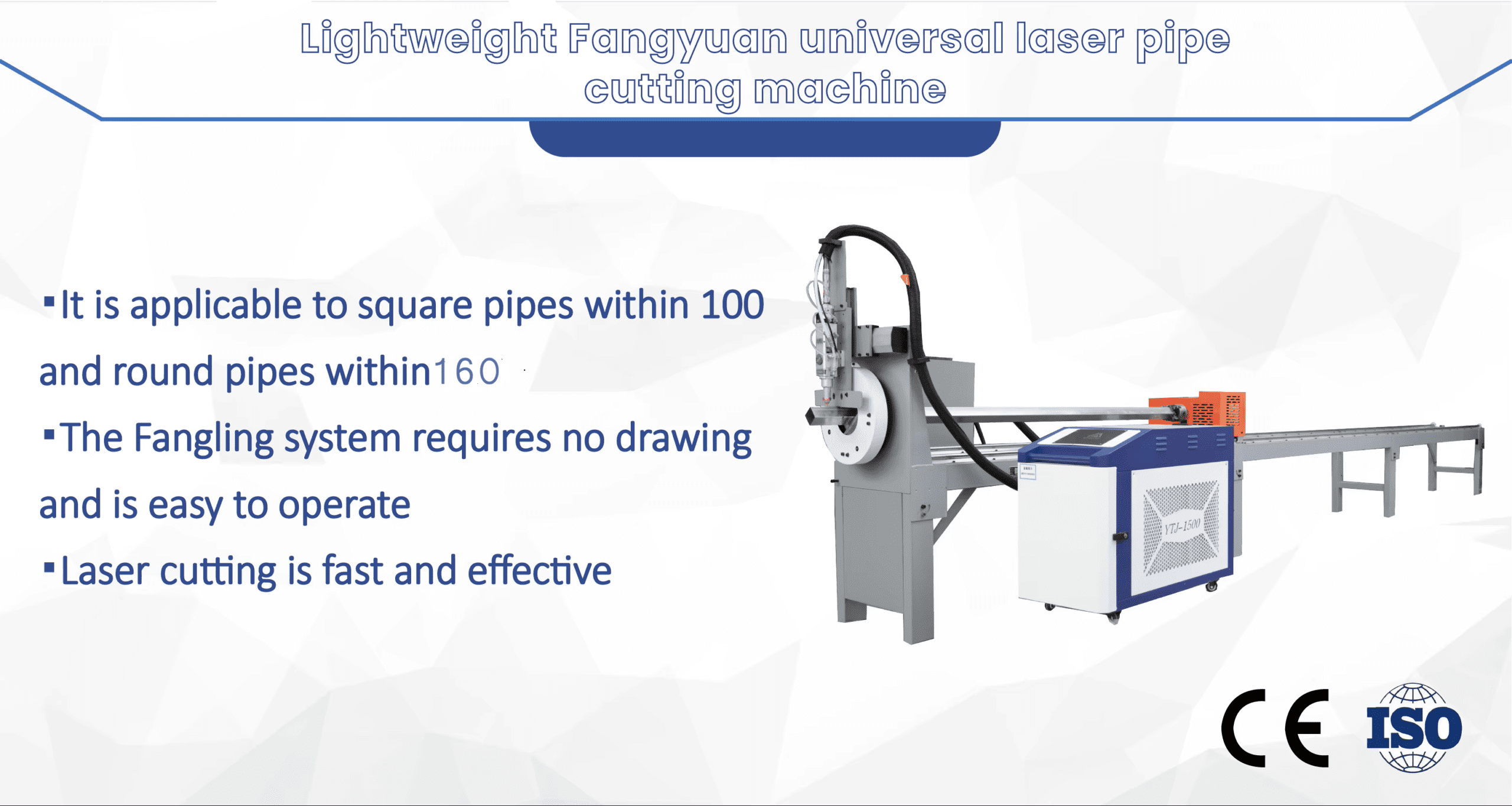
Tijuana: A Strategic Hub for Advanced Laser Cutting
Tijuana has established itself as a premier manufacturing destination, particularly for the aerospace, medical device, and automotive sectors. Its proximity to the United States border and the robust infrastructure of the “Maquiladora” system make it an ideal location for high-tech industrial investment. As companies in Southern California and beyond look to nearshore their production, Tijuana-based fabrication shops are under increasing pressure to deliver high-precision components with shorter lead times. The integration of 40kW laser cutting technology into the Tijuana industrial ecosystem is a direct response to these market pressures.
Aerospace and Automotive Demands in Baja California
The aerospace industry in Baja California requires components that meet stringent tolerance levels and structural integrity standards. Aluminum alloys, such as 6061-T6 and 7075, are ubiquitous in this sector due to their high strength-to-weight ratio. Traditional cutting methods often introduce significant heat-affected zones (HAZ) or mechanical stress, which can compromise the alloy’s properties. A 40kW fiber laser cutting machine minimizes these issues by processing the material at such high speeds that the thermal energy has little time to dissipate into the surrounding area. This “cold-touch” efficiency is vital for maintaining the metallurgical specifications required by aerospace engineers in the region.
Technical Specifications of 40kW Laser Cutting Systems
Understanding the technical nuances of a 40kW system is essential for any engineering team considering an upgrade. These machines are not just about raw power; they are about the sophisticated control of that power. The beam quality, often measured by the M2 factor, remains exceptionally high even at 40kW, ensuring that the kerf width remains narrow and the edges remain perpendicular. This is critical when cutting thick aluminum alloy plates where “taper” can often be an issue with lower-powered lasers.
Beam Quality and Power Density
The power density of a 40kW laser cutting system is measured in megawatts per square centimeter at the focal point. This extreme concentration of photons allows the laser to instantly vaporize the metal rather than merely melting it. For aluminum, which has a high thermal conductivity, this rapid vaporization is the key to achieving a smooth, burr-free finish. Furthermore, modern 40kW heads are equipped with dynamic focusing systems that adjust the beam diameter and focal position in real-time, allowing the machine to transition seamlessly between thin-gauge high-speed cutting and thick-plate piercing.

Processing Aluminum Alloy: Challenges and Solutions
Aluminum alloy is notoriously difficult for laser cutting due to its high reflectivity and high thermal conductivity. In the early days of CO2 lasers, the beam would often reflect back into the resonator, causing catastrophic failure. Fiber lasers, with their shorter wavelength (typically around 1.06 microns), are much better absorbed by aluminum. However, at 40kW, the management of this energy becomes a complex engineering task involving advanced optics and specialized gas assist strategies.
Overcoming Reflectivity with 40kW Power
When a laser beam first hits a polished aluminum surface, a significant portion of the energy is reflected. A 40kW system provides enough initial “punch” to break the surface reflectivity near-instantaneously. Once the material begins to melt, its absorption rate increases significantly. The high wattage ensures that the cutting process remains stable even if the material surface is uneven or oxidized. This stability is a major advantage for Tijuana manufacturers who may deal with various grades and surface finishes of aluminum sourced from different global suppliers.
Gas Assist Strategies for Aluminum
The choice of assist gas—Nitrogen, Oxygen, or Compressed Air—plays a pivotal role in the quality of the laser cutting process. For aluminum alloys, Nitrogen is the standard choice when a clean, oxide-free edge is required for subsequent welding or painting. At 40kW, the pressure and flow rate of the Nitrogen must be precisely calibrated to eject the molten aluminum from the kerf before it can re-solidify. Interestingly, the 40kW power level has also made “Air Cutting” a viable and cost-effective alternative for many applications. High-pressure air cutting on a 40kW machine can achieve speeds comparable to Nitrogen but at a fraction of the operational cost, providing a significant competitive edge to shops in the Tijuana area looking to optimize their overhead.
Economic Impact and ROI for Tijuana Manufacturers
Investing in a 40kW fiber laser cutting machine involves a substantial capital expenditure. However, the Return on Investment (ROI) is often realized much faster than with lower-power alternatives due to the exponential increase in throughput. In a high-volume manufacturing environment like Tijuana, where labor costs are rising and the demand for precision is absolute, the 40kW system offers a path to increased profitability through automation and efficiency.
Throughput and Efficiency Gains
A 40kW laser can cut 20mm aluminum alloy at speeds exceeding 10 meters per minute, whereas a 12kW machine might only reach 2-3 meters per minute. This means a single 40kW machine can often replace three or four lower-powered units. This consolidation reduces the required floor space, lowers the total power consumption per part, and simplifies the logistics of material handling. For a facility in the Otay Mesa or El Florido industrial zones of Tijuana, these efficiencies translate directly into lower cost-per-part and the ability to take on larger, more complex contracts from US-based OEMs.
Maintenance Protocols for High-Power Fiber Lasers
Operating a 40kW laser cutting machine requires a disciplined approach to maintenance. The optical components, including the protective windows and focusing lenses, are subjected to extreme thermal stress. Even a microscopic speck of dust on a lens can absorb enough energy at 40kW to cause a “lens explosion,” leading to costly downtime. Therefore, maintaining a clean-room environment for the laser source and implementing rigorous daily inspection routines is mandatory for engineering teams.
Cooling Systems and Optical Integrity
The chiller system is the unsung hero of the 40kW laser cutting process. These machines generate a significant amount of waste heat that must be dissipated to keep the laser source and the cutting head within a narrow operating temperature range. Advanced dual-circuit chillers are used to provide separate cooling for the optics and the laser medium. In the climate of Tijuana, where ambient temperatures can fluctuate, ensuring a stable and high-capacity cooling solution is critical for maintaining consistent cutting quality over long production shifts. Furthermore, the use of high-purity gases and the regular replacement of consumables like nozzles and ceramic rings are essential to prevent beam distortion.
Future Trends: Industry 4.0 and Automation
As we look toward the future of manufacturing in Tijuana, the integration of 40kW laser cutting with Industry 4.0 protocols is the next logical step. Modern machines are equipped with sensors that monitor everything from gas pressure to the temperature of the cutting head in real-time. This data can be fed into AI-driven software to predict maintenance needs before a failure occurs. Additionally, automated loading and unloading systems can be paired with the 40kW laser to create a “lights-out” manufacturing environment, where the machine operates autonomously through the night, further maximizing the investment.
Conclusion
The 40kW fiber laser cutting machine represents a milestone in industrial capability, particularly for the processing of aluminum alloys. For the manufacturing sector in Tijuana, this technology provides the tools necessary to compete on a global scale, offering the speed, precision, and thickness capacity required by the world’s most demanding industries. By understanding the technical requirements, optimizing gas assist strategies, and maintaining rigorous operational standards, engineers and business owners in the region can leverage 40kW laser cutting to drive innovation and economic growth for years to come. As the “nearshoring” trend continues to bring more high-tech manufacturing to the border region, the 40kW fiber laser will undoubtedly remain at the heart of the modern industrial revolution.
















