
The Paradigm Shift: 40kW Fiber laser cutting in Guadalajara’s Industrial Sector
The manufacturing landscape in Guadalajara, Jalisco, has undergone a radical transformation over the last decade. Often referred to as the “Silicon Valley of Mexico,” the region has expanded its horizons beyond electronics into heavy-duty automotive, aerospace, and structural engineering. At the heart of this industrial evolution is the adoption of ultra-high-power laser cutting technology. Specifically, the introduction of the 40kW fiber laser cutting machine has redefined the boundaries of what is possible when processing non-ferrous metals like aluminum alloy.
For decades, thick aluminum plates were the domain of plasma cutting or waterjet machining, both of which presented significant trade-offs in terms of precision, secondary finishing requirements, and operational costs. The 40kW fiber laser eliminates these compromises. By delivering an immense energy density to the workpiece, it allows for high-speed processing of aluminum alloys with a level of edge quality that was previously unattainable at such thicknesses. In the context of Guadalajara’s competitive manufacturing hub, this technology represents a critical asset for companies aiming to meet the rigorous standards of international supply chains.
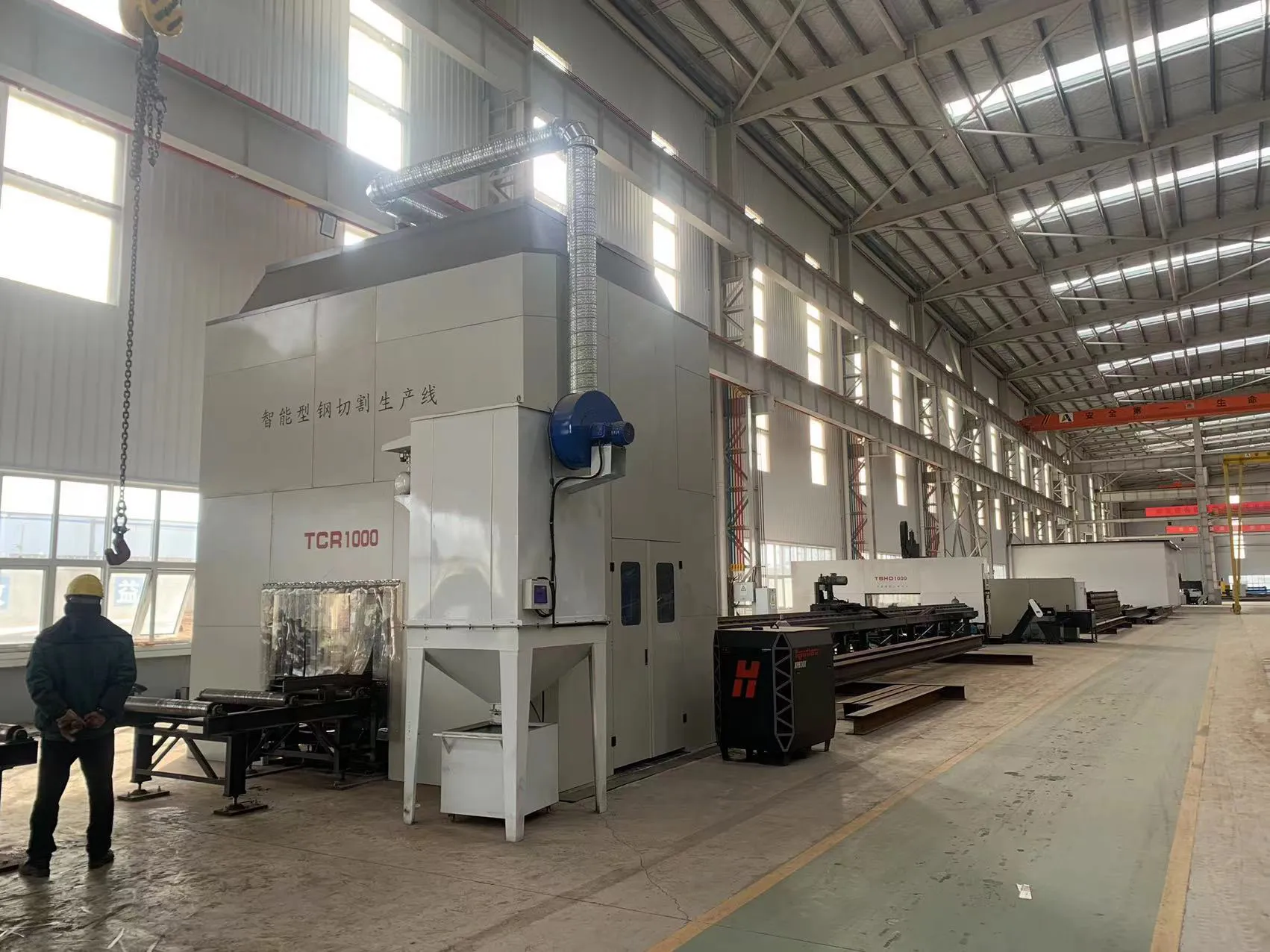
Technical Superiority of 40kW Power for Aluminum Alloys
Aluminum is notoriously challenging for laser cutting due to its high thermal conductivity and high reflectivity. In lower power ranges, such as 4kW to 10kW, the laser must struggle against the material’s tendency to dissipate heat and reflect the beam back into the optics. However, at 40kW, the power density is so high that it instantly vaporizes the material, creating a stable keyhole effect that facilitates rapid cutting.
Overcoming Reflectivity and Thermal Conductivity
Aluminum alloys, particularly the 5000 and 6000 series commonly used in Guadalajara’s automotive and marine industries, reflect a significant portion of infrared light. Fiber lasers, operating at a wavelength of approximately 1.06 microns, are better absorbed by aluminum than CO2 lasers. When you scale this to 40kW, the “brute force” of the energy overcomes the initial reflective barrier before back-reflection can damage the resonator. Modern 40kW machines are also equipped with advanced optical isolators and back-reflection protection systems, ensuring the longevity of the fiber source even when processing mirror-finish aluminum sheets.
Processing Thickness and Speed Benchmarks
A 40kW fiber laser can comfortably process aluminum alloys up to 100mm in thickness. While a 12kW machine might struggle with 30mm aluminum, producing a rough edge with significant dross, the 40kW system maintains a narrow kerf and a smooth surface finish. In terms of speed, for medium-thickness plates (e.g., 10mm to 20mm), the 40kW machine can operate at speeds three to five times faster than a 20kW counterpart. This throughput is vital for Guadalajara-based job shops that handle high-volume contracts for structural components.
Strategic Implementation in Guadalajara’s Industrial Hub
Guadalajara serves as a strategic node for the “Nearshoring” trend in North America. With proximity to major ports and the US border, local manufacturers are under pressure to produce high-precision parts with shorter lead times. The 40kW laser cutting system fits perfectly into this ecosystem.
Automotive and Aerospace Applications
The aerospace cluster in Mexico demands components that meet AS9100 standards. Aluminum alloys like 7075 are favored for their strength-to-weight ratio but are difficult to machine. The 40kW laser provides a heat-affected zone (HAZ) that is significantly smaller than plasma cutting, preserving the mechanical properties of the alloy. In the automotive sector, especially with the rise of Electric Vehicles (EVs), large-format aluminum battery trays and chassis components require the precision and speed that only ultra-high-power fiber lasers can provide.

Infrastructure and Heavy Machinery
Beyond high-tech sectors, Guadalajara is a center for heavy machinery and infrastructure. The ability to cut thick aluminum plates for fuel tanks, transport trailers, and architectural facades without the need for post-processing (like grinding or deburring) significantly reduces the total cost of ownership. For a local manufacturer, the reduction in labor costs for secondary finishing is often the deciding factor in the ROI of a 40kW machine.
Optimizing the Cutting Process: Gas and Optics
Operating a 40kW laser cutting machine requires more than just raw power; it requires a sophisticated understanding of gas dynamics and optical management. For aluminum alloys, the choice of assist gas is paramount.
Nitrogen vs. Compressed Air Cutting
Nitrogen is the standard assist gas for high-quality aluminum cutting. It acts as a cooling agent and prevents oxidation, resulting in a clean, weld-ready edge. However, at 40kW, the consumption of Nitrogen can be substantial. Many advanced facilities in Guadalajara are now moving toward high-pressure compressed air cutting. With 40kW of power, the laser can overcome the slight oxidative effects of air cutting on thick aluminum, offering a much lower cost per meter while maintaining acceptable edge quality for structural applications.
Nozzle Technology and Focal Calibration
The 40kW systems utilize specialized “intelligent” cutting heads. These heads feature automated focal adjustment and real-time monitoring of the protective window’s temperature. When cutting thick aluminum, the focal point must be buried deep within the material to ensure the melt is ejected efficiently. High-speed nozzles designed for 40kW power minimize turbulence in the gas flow, which is essential for preventing “beard” or dross formation on the bottom of the aluminum plate.
Maintenance and Operational Excellence in the Mexican Market
Investing in a 40kW laser cutting machine in Guadalajara requires a robust maintenance strategy. The environmental conditions—specifically temperature and humidity—must be controlled. High-power fiber lasers generate significant heat, requiring industrial-grade chillers with precise temperature regulation (often within ±0.1°C) to ensure the stability of the laser source and the cutting head.
Power Grid Considerations
A 40kW laser system, including the chiller, dust extractor, and CNC controller, has a significant power draw. Facilities in industrial parks like El Salto or Zapopan must ensure their electrical infrastructure can handle the load. Implementing voltage stabilizers and dedicated transformers is a common engineering requirement to protect the sensitive electronics of the fiber laser from fluctuations in the local power grid.
Local Technical Support and Training
The complexity of 40kW laser cutting means that operator training is essential. Guadalajara has a growing pool of skilled technicians, but specialized training on ultra-high-power optics and CNC programming (using software like CypCut or Lantek) is necessary to maximize the machine’s potential. Local service support is a critical factor; downtime on a 40kW machine is far more expensive than on smaller units due to the high volume of production it displaces.
Economic Impact and ROI Analysis
While the initial capital expenditure (CAPEX) for a 40kW fiber laser is higher than lower-power models, the operational efficiency (OPEX) provides a compelling return on investment. For a typical Guadalajara-based metal service center, the 40kW machine can replace two or three 10kW machines. This consolidation leads to savings in floor space, labor, and energy per part produced.
Furthermore, the ability to take on “impossible” jobs—such as 50mm aluminum plate cutting with tight tolerances—allows local shops to bid on high-value contracts that were previously outsourced to the United States or overseas. This keeps the value-added manufacturing within the Jalisco region, strengthening the local economy and fostering a more resilient supply chain.
Conclusion: The Future of Metal Fabrication
The 40kW fiber laser cutting machine is not merely an incremental upgrade; it is a disruptive technology that redefines the capabilities of the fabrication industry in Guadalajara. By mastering the nuances of aluminum alloy processing—from managing reflectivity to optimizing gas flow—manufacturers can achieve unprecedented levels of productivity. As the Mexican industrial sector continues to climb the value chain, the integration of ultra-high-power laser cutting will be the cornerstone of competitive, high-precision manufacturing. For those ready to invest in the future, the 40kW fiber laser offers a clear path to market leadership in the heart of Mexico’s industrial powerhouse.
















