
Introduction to 3kW Tube laser cutting in Toluca’s Industrial Sector
The industrial landscape of Toluca, State of Mexico, has undergone a significant transformation over the last decade. As a primary hub for automotive manufacturing, aerospace components, and structural engineering, the demand for high-precision metal fabrication has never been higher. Among the various technologies driving this evolution, the 3kW fiber tube laser cutting machine stands out as a cornerstone for modern workshops. Specifically, when dealing with galvanized steel—a material ubiquitous in Toluca’s construction and automotive sectors—the precision of a 3kW system offers a competitive edge that traditional mechanical cutting or plasma systems cannot match.
Laser cutting technology, particularly in the 3kW power range, provides an optimal balance between capital investment and operational throughput. This guide explores the technical nuances of utilizing a 3kW fiber laser for processing galvanized steel tubes, addressing the unique environmental challenges of the Toluca region, such as its high altitude and specific industrial requirements.

Technical Specifications of the 3kW Fiber Laser
Power Density and Beam Quality
A 3kW fiber laser source generates a concentrated beam of light with a wavelength of approximately 1.064 microns. This wavelength is highly absorbable by metallic surfaces, making it exceptionally efficient for laser cutting. The “3kW” designation refers to the continuous wave power output, which allows for high-speed processing of medium-thickness materials. For galvanized steel tubes, this power level is sufficient to penetrate wall thicknesses up to 8mm or 10mm with high edge quality, depending on the specific alloy and the assist gas used.
Fiber Optic Delivery
Unlike CO2 lasers that rely on mirrors, fiber lasers deliver the beam through a flexible fiber optic cable. This is particularly advantageous for tube processing machines where the cutting head must often move rapidly across multiple axes. The lack of complex beam paths reduces maintenance requirements and eliminates the need for beam alignment, a critical factor for maintaining uptime in the high-volume production environments found in Toluca’s industrial parks like Parque Industrial Lerma.
Processing Galvanized Steel: Challenges and Solutions
The Zinc Coating Dilemma
Galvanized steel is carbon steel coated with a layer of zinc to prevent corrosion. While excellent for longevity, zinc presents a challenge for laser cutting. Zinc has a much lower melting point (approximately 419°C) compared to steel (approximately 1,500°C). During the laser cutting process, the zinc coating vaporizes before the steel melts. This can lead to several issues:
- Spatter: Vaporized zinc can interfere with the laser beam and cause molten steel to splash back onto the nozzle.
- Porosity: If not managed correctly, zinc vapors can become trapped in the weld pool if the parts are to be welded later.
- Instability: The high reflectivity of liquid zinc can occasionally cause back-reflections into the fiber source, though modern 3kW resonators are equipped with back-reflection protection.
Optimizing Assist Gas for Galvanized Tubes
To achieve a clean cut on galvanized material, the choice of assist gas is paramount. In Toluca, where atmospheric pressure is lower due to the 2,600-meter altitude, gas dynamics at the nozzle are slightly different than at sea level.
Nitrogen (N2): This is the preferred gas for high-quality finishes. Nitrogen acts as a mechanical force to blow away the molten material without causing an exothermic reaction. This results in a “cold” cut that preserves the integrity of the zinc coating near the edge and leaves a silver, oxide-free finish.
Oxygen (O2): While oxygen allows for faster cutting of thicker carbon steel by adding thermal energy through oxidation, it often results in a charred edge on galvanized parts. This may require secondary cleaning if the part is to be painted or powder-coated.
Environmental Considerations for Toluca
Altitude and Air Density
Toluca’s altitude significantly affects the cooling systems and pneumatic performance of laser cutting machinery. At 2,660 meters above sea level, the air is thinner. This means that air-cooled chillers may be less efficient than at sea level. Engineers must ensure that the chiller unit for the 3kW laser is slightly oversized or rated for high-altitude operation to prevent overheating during the hot summer months in the State of Mexico.
Power Stability
The industrial electrical grid in some sectors of Toluca can experience fluctuations. For a 3kW fiber laser, voltage stability is critical. A dedicated voltage stabilizer and a robust grounding system are mandatory to protect the sensitive laser diodes and the CNC control system from surges that could cause premature component failure.
Operational Best Practices for Tube Processing
Nesting and Material Yield
Modern tube laser cutting software allows for advanced nesting, which is essential for maximizing the yield of expensive galvanized stock. By rotating and interlocking parts on a single length of tube, scrap rates can be reduced to less than 5%. This is a significant advantage over manual sawing and drilling, where material waste is often high.
Automatic Chucking and Centering
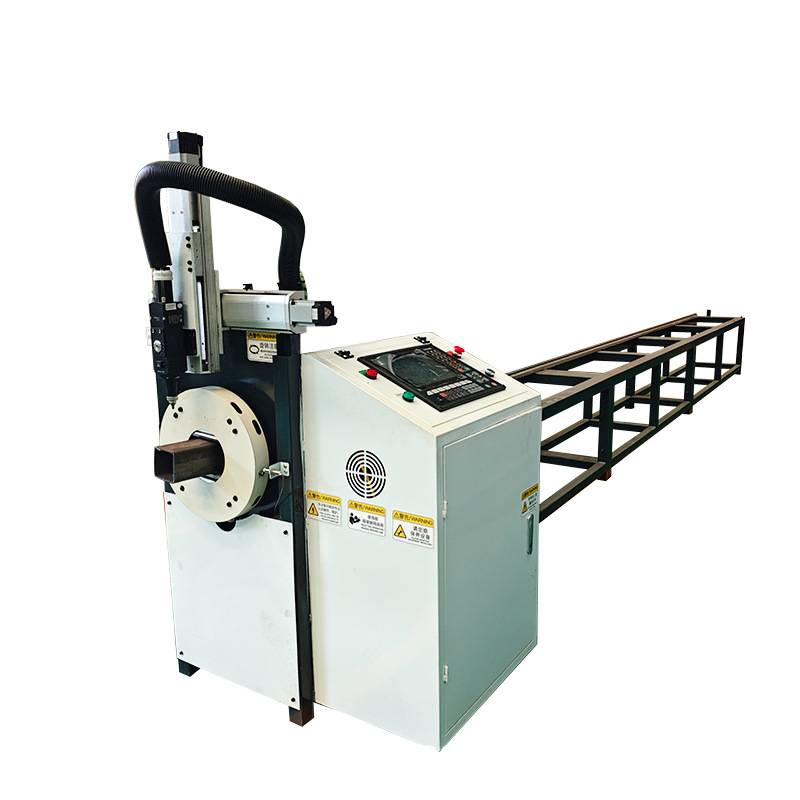
A 3kW tube laser is typically equipped with pneumatic or hydraulic chucks. For galvanized tubes, which may have slight surface irregularities or “bowing” from the galvanization process, automatic centering systems are vital. These systems measure the actual position of the tube and adjust the cutting path in real-time, ensuring that holes and notches are perfectly aligned with the tube’s center axis.
Fume Extraction and Safety
When laser cutting galvanized steel, the vaporization of zinc produces zinc oxide fumes. Inhaling these fumes can lead to “metal fume fever.” Therefore, a high-capacity dust collection and filtration system is non-negotiable. In Toluca, environmental regulations are strictly enforced by PROPAEM; ensuring your laser cutting setup includes a certified filtration system is necessary for both worker safety and legal compliance.
Maintenance Protocols for Longevity
Daily and Weekly Checks
To maintain the precision of a 3kW laser cutting system, a rigorous maintenance schedule must be followed:
- Nozzle Inspection: Check for zinc spatter buildup. Clean or replace the nozzle to ensure a concentric gas flow.
- Cover Glass: The protective window is the most common failure point. Inspect it daily for dust or “pitting” caused by back-spatter.
- Lubrication: The rack and pinion system that moves the cutting head must be lubricated to prevent wear, especially in the dusty environments of some Toluca workshops.
Chiller Maintenance
The deionized water in the chiller must be replaced periodically, and the filters must be cleaned. Given the mineral content in local water supplies, using only high-purity distilled or deionized water is essential to prevent scaling inside the laser source’s cooling channels.
The Economic Impact of 3kW Lasers in Toluca
For manufacturers in Toluca, the transition to laser cutting represents a shift from labor-intensive processes to automation. A 3kW tube laser can replace three to four traditional machines (saws, drills, milling machines). The speed of processing galvanized steel—often used in solar panel racking, bus frames, and warehouse shelving—allows local companies to compete with international suppliers. The reduction in lead times from weeks to days provides a significant logistical advantage for the “Just-in-Time” manufacturing models prevalent in the region’s automotive supply chains.
Conclusion
The 3kW tube laser cutting machine is a transformative tool for the Toluca industrial sector. By understanding the specific requirements of galvanized steel—from gas selection to fume management—and accounting for the local environmental factors like altitude, operators can achieve unparalleled precision and efficiency. As the region continues to grow as a manufacturing powerhouse, the adoption of fiber laser cutting technology will remain a defining factor in the success of metal fabrication enterprises. Investing in high-quality equipment, proper training, and a robust maintenance strategy ensures that these machines deliver high ROI and maintain Toluca’s reputation for engineering excellence.
















