
Maximizing Precision: The 3kW Tube laser cutter for Galvanized Steel in Guadalajara
The industrial landscape of Guadalajara, often referred to as the “Silicon Valley of Mexico,” is undergoing a significant transformation in its metal fabrication sector. As the demand for high-precision components in the automotive, construction, and furniture industries grows, the adoption of advanced laser cutting technology has become a necessity rather than a luxury. Specifically, the 3kW tube laser cutter has emerged as the workhorse for processing galvanized steel, offering a perfect balance between power, speed, and cost-efficiency for the regional manufacturing ecosystem.
The Evolution of Metal Fabrication in Jalisco
Guadalajara’s manufacturing hub, spanning across Zapopan, Tlaquepaque, and El Salto, relies heavily on the efficient processing of tubular profiles. Traditionally, fabricators used mechanical saws, plasma cutters, or manual drilling, which often resulted in high labor costs and significant material waste. The introduction of fiber laser cutting systems, particularly those in the 3kW range, has revolutionized these workflows. By integrating CNC precision with high-energy fiber optics, local shops can now produce complex geometries in galvanized tubes that were previously impossible or too expensive to manufacture.
 laser cutting machine” style=”width: 100%; max-width: 800px; height: auto; margin: 20px 0;”>
Technical Specifications of the 3kW Fiber Laser Power
A 3kW (3000-watt) fiber laser source provides the ideal energy density for cutting galvanized steel tubes. While lower power sources might struggle with the reflective nature of the zinc coating, a 3kW system delivers enough “punch” to maintain high feed rates without sacrificing edge quality. This power level is typically capable of cutting galvanized carbon steel up to 10mm or 12mm in thickness, though most tube applications in Guadalajara’s furniture and structural sectors focus on the 1.5mm to 6mm range.
The wavelength of a fiber laser (approximately 1.06 microns) is highly absorbed by metallic surfaces compared to CO2 lasers. This high absorption rate allows the 3kW beam to pierce through the zinc layer and the underlying steel substrate almost instantaneously. For the operator in a Guadalajara workshop, this translates to shorter cycle times and a drastic reduction in the Heat Affected Zone (HAZ), ensuring that the structural integrity of the tube remains intact.
The Challenge of Galvanized Steel
Galvanized steel presents unique challenges for laser cutting due to its protective zinc coating. Zinc has a significantly lower melting point (around 419°C) than the base steel (around 1370°C). During the cutting process, the zinc layer vaporizes before the steel melts, which can lead to several issues if not managed correctly:
- Zinc Fumes: The vaporization of zinc creates toxic fumes and fine particulate matter. High-quality 3kW machines must be equipped with robust dust extraction and filtration systems to comply with Mexican environmental and safety standards (NOM).
- Spatter and Dross: The boiling zinc can interfere with the molten steel, potentially causing “dross” (hardened slag) to adhere to the bottom of the cut.
- Reflectivity: While fiber lasers handle reflections better than older technologies, the shiny surface of galvanized steel requires precise focal point management to prevent back-reflections from damaging the laser head.
Optimizing Gas Selection: Nitrogen vs. Oxygen
In the Guadalajara industrial market, the choice of assist gas is critical for the 3kW laser cutting process. When processing galvanized tubes, Nitrogen is generally the preferred choice. Nitrogen acts as a shielding gas, blowing away the molten material without causing an exothermic reaction. This results in a “clean” or “white” cut edge, which is essential if the tube is to be painted or powder-coated later without the need for secondary grinding.
Alternatively, Oxygen can be used for thicker galvanized walls to increase cutting speed via an exothermic reaction. However, this often leaves an oxide layer on the edge, which can compromise paint adhesion. For the high-end furniture manufacturers in Jalisco, Nitrogen-assisted cutting on a 3kW system is the gold standard for maintaining a premium finish.
Machine Architecture and Tube Handling
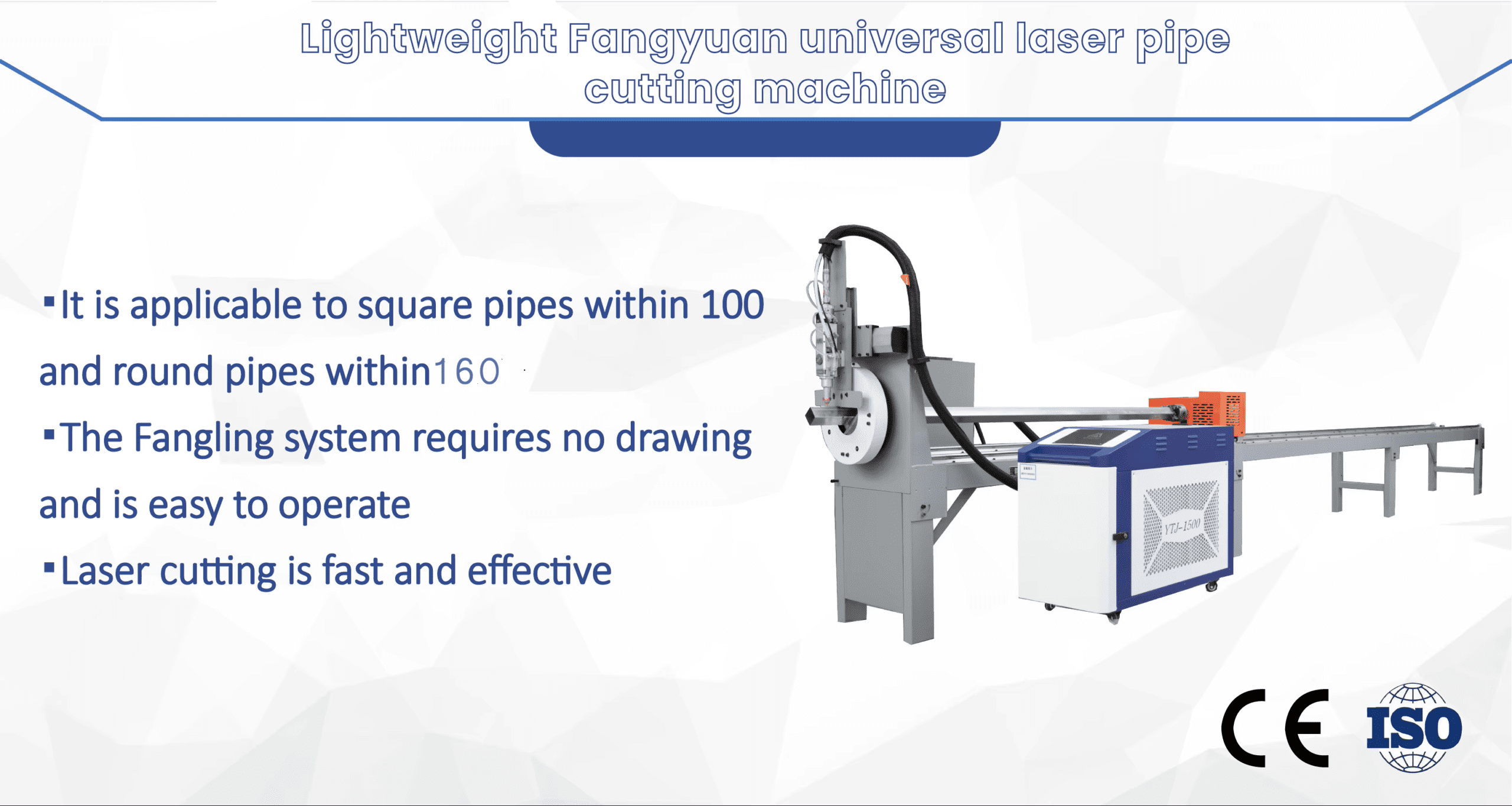
A 3kW tube laser cutting machine is a marvel of mechanical engineering. Unlike flatbed lasers, tube lasers must manage the rotation and longitudinal movement of the workpiece simultaneously. Most modern systems utilize a dual-chuck or triple-chuck design. The “chuck” is the clamping mechanism that holds the tube (whether it be round, square, rectangular, or C-channel) and rotates it with high precision.
The 3kW systems favored in Guadalajara often feature automatic loading systems. In a high-volume production environment, manual loading can account for 50% of the downtime. Automatic bundle loaders can feed 6-meter or 9-meter tubes into the machine continuously, allowing the 3kW laser to run at peak efficiency. This is particularly beneficial for the structural steel suppliers in the region who provide pre-cut kits for warehouse construction.
Software Integration and Nesting
The “intelligence” of the laser cutting process lies in the software. Modern CNC controllers allow engineers in Guadalajara to import CAD files (STEP or IGES) directly. The software then performs “nesting,” which is the process of arranging parts on a single tube to minimize scrap. Given the rising cost of raw materials in Mexico, achieving a 95% material utilization rate through smart nesting can save a company thousands of dollars per month.
Furthermore, the software can automatically compensate for tube “twist” or “bow.” Since galvanized tubes are often produced through a roll-forming process, they are rarely perfectly straight. Advanced 3kW machines use touch-probes or optical sensors to detect the actual position of the tube and adjust the cutting path in real-time, ensuring that holes and notches are always perfectly centered.
Applications in the Guadalajara Industrial Sector
The versatility of the 3kW tube laser makes it indispensable across various local industries:
1. Automotive Tier 2 and Tier 3 Suppliers
With the proximity to major automotive plants in central Mexico, Guadalajara-based suppliers use laser cutting to produce exhaust components, chassis reinforcements, and seat frames. The precision of the 3kW fiber source ensures that these parts meet stringent ISO tolerances.
2. Commercial Furniture and Retail Displays
Guadalajara is a hub for furniture design. Galvanized square tubing is frequently used for shelving, desks, and outdoor furniture. The ability to cut intricate interlocking joints (tabs and slots) allows for “easy-assembly” designs that reduce welding time and improve structural rigidity.
3. Construction and Infrastructure
For the booming residential and commercial construction in Zapopan, galvanized tubes are used in railings, HVAC supports, and solar panel racking. The 3kW laser can quickly cut bolt holes and mounting slots, allowing for rapid on-site assembly without the need for manual drilling or measuring.
Maintenance and Operational Excellence in Mexico
To maintain a 3kW laser cutting system in the climate of Guadalajara, certain environmental factors must be considered. The region’s temperature and humidity fluctuations require a high-quality industrial chiller to keep the fiber source and the cutting head at a constant temperature. Condensation on the optics is a common cause of failure in fiber lasers, so a climate-controlled electrical cabinet is often recommended.
Moreover, the local availability of consumables—such as copper nozzles, protective windows, and ceramic rings—is vital. Engineering firms in Jalisco are increasingly partnering with suppliers who offer local technical support and a “preventative maintenance” schedule. Cleaning the rack and pinion system and ensuring the lubrication of the linear guides will extend the machine’s life by years, ensuring a high Return on Investment (ROI).
Safety Standards and Training
Operating a Class 4 laser requires specialized training. In Guadalajara, technical institutes and machine distributors provide certification for operators. Safety protocols include the use of laser-safe viewing windows, light curtains to prevent entry into the motion area, and strict adherence to eye protection. Since galvanized steel creates hazardous dust, the maintenance of the dust collector’s HEPA filters is not just a performance issue, but a worker health requirement.
Conclusion: The Future of Laser Cutting in Jalisco
The investment in a 3kW tube laser cutting machine represents a strategic move for any Guadalajara-based metal fabricator looking to compete in the global market. The ability to process galvanized steel with speed, precision, and minimal waste provides a significant competitive advantage. As Industry 4.0 continues to integrate into Mexican manufacturing, these machines will become even more connected, providing real-time data on production metrics and machine health.
In summary, the 3kW tube laser is more than just a tool; it is a catalyst for innovation in the region. By mastering the nuances of galvanized steel processing—from gas dynamics to automated nesting—local manufacturers are cementing Guadalajara’s reputation as a center of engineering excellence. Whether for a small custom shop or a large-scale industrial plant, the fiber laser remains the most transformative technology in the modern metalworking toolkit.
















