
Introduction to 3kW Tube Laser Technology in Toluca
The industrial landscape of Toluca, State of Mexico, has undergone a significant transformation over the last decade. As one of Mexico’s primary manufacturing hubs, the region demands high-precision tools to support its robust automotive, aerospace, and electronics sectors. Among these tools, the 3kW tube laser cutter stands out as a cornerstone of modern metal fabrication. This guide explores the technical nuances of utilizing a 3kW fiber laser system, specifically tailored for processing brass—a material known for its aesthetic appeal and functional conductivity, yet notorious for its challenging reflective properties.
laser cutting technology has evolved from a niche capability to an industrial standard. In Toluca’s competitive market, the ability to process complex tube geometries with micron-level accuracy provides a distinct advantage. The 3kW power rating is particularly significant; it represents the “sweet spot” for medium-thickness materials, offering a balance between high-speed throughput and energy efficiency. When applied to brass tubing, this power level allows for clean cuts and intricate designs that were previously difficult to achieve with traditional mechanical sawing or lower-wattage laser systems.
The Industrial Landscape of Toluca and the Need for Precision
Toluca is home to numerous Tier 1 and Tier 2 suppliers for the automotive industry. These facilities require components that meet stringent tolerances and repeatable quality. Tube laser cutting serves this need by integrating multiple processes—drilling, slotting, and profiling—into a single automated cycle. For manufacturers in the Lerma or Toluca 2000 industrial parks, upgrading to a 3kW tube laser means reducing lead times and minimizing material waste, which is critical when working with expensive alloys like brass.
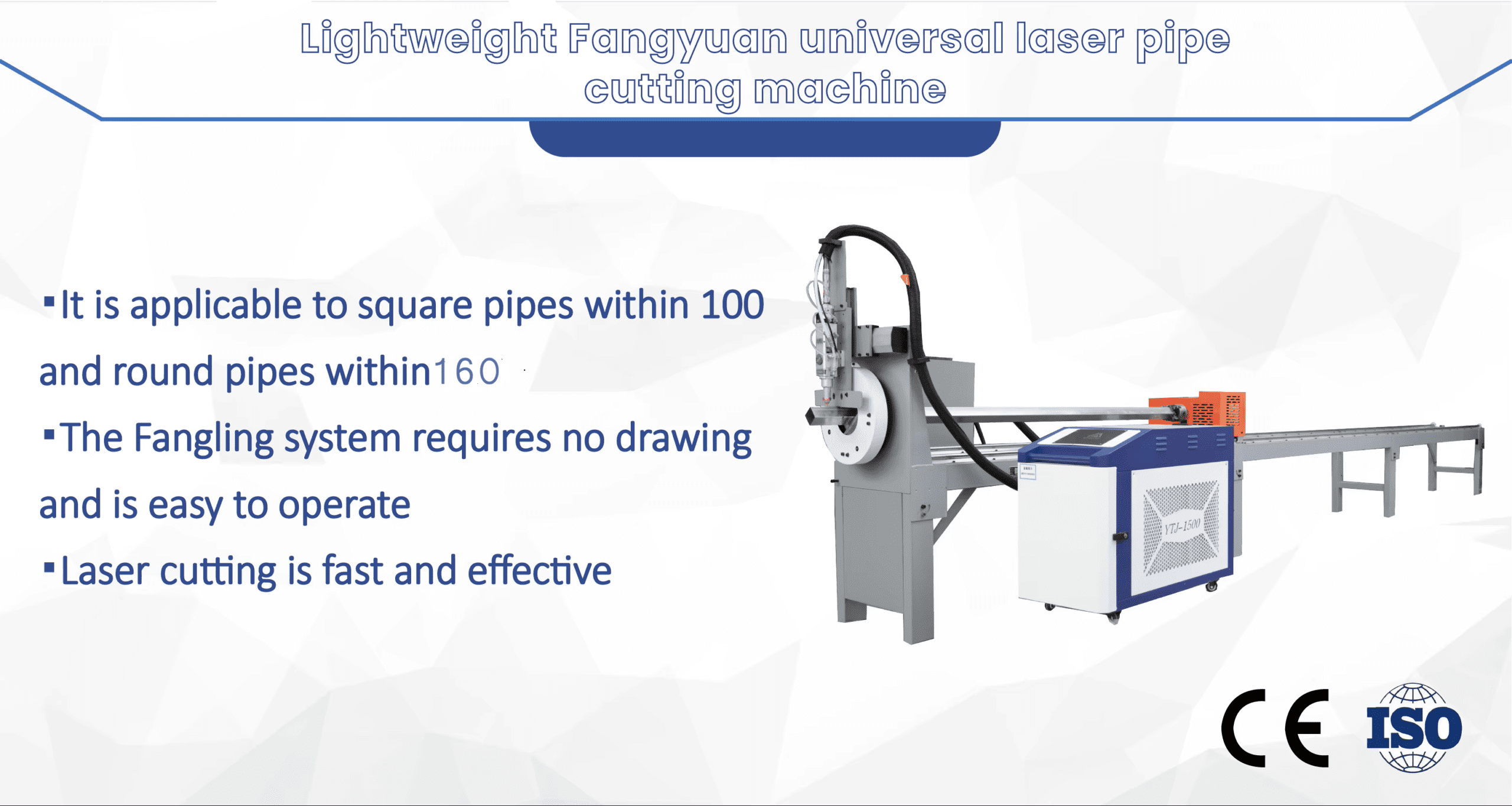
Technical Fundamentals of Laser Cutting Brass
Brass is a non-ferrous alloy primarily composed of copper and zinc. From an engineering perspective, it presents two major hurdles for laser cutting: high thermal conductivity and high reflectivity. In the early days of CO2 lasers, brass was nearly impossible to cut because the beam would reflect off the surface and damage the machine’s internal optics. However, the advent of fiber laser technology, which operates at a wavelength of approximately 1.06 microns, has revolutionized this process.
A 3kW fiber laser is absorbed much more efficiently by brass than a CO2 laser. Even so, the initial “pierce” remains the most critical phase. During the pierce, the material is at its most reflective. Modern 3kW systems utilize advanced “back-reflection” protection mechanisms. These sensors detect if the laser energy is bouncing back into the cutting head and can automatically adjust parameters or shut down the beam to prevent catastrophic failure. For operators in Toluca, ensuring that their 3kW tube laser is equipped with these safety features is paramount when working with reflective yellow metals.
Managing Reflectivity and Thermal Conductivity
To successfully navigate the reflectivity of brass, the laser cutting process must utilize high power density. By concentrating 3,000 watts of energy into a very small focal spot, the laser quickly overcomes the material’s reflectivity by rapidly melting the surface. Once the melt pool is established, the absorption rate increases significantly. Furthermore, because brass conducts heat away from the cut zone very quickly, the 3kW output is necessary to maintain a stable kerf without allowing the heat to dissipate into the surrounding material, which would otherwise cause warping or a large heat-affected zone (HAZ).
Optimizing the 3kW Power Curve for Brass Tubes
Optimization involves more than just setting the machine to maximum power. For brass tubes with wall thicknesses ranging from 1mm to 6mm, the 3kW system must be tuned for pulse frequency and duty cycle. When cutting intricate patterns or small-diameter tubes, reducing the average power while maintaining high peak power can prevent over-melting. This level of control is what allows for the production of high-quality brass components for electrical connectors, decorative furniture frames, and architectural accents—all common products manufactured in the Toluca region.
 laser cutting machine” style=”width: 100%; max-width: 800px; height: auto; margin: 20px 0;”>
Operational Excellence: Setup and Calibration
Achieving a burr-free finish on brass requires precise calibration of the cutting head and the auxiliary gas system. In tube laser cutting, the relationship between the nozzle and the curved surface of the tube is dynamic. The capacitive height sensing must be extremely responsive to maintain a constant standoff distance, especially on square or rectangular brass tubes where the corners present a rapid change in geometry.
Nozzle Selection and Gas Dynamics
For brass, Nitrogen (N2) is the preferred assist gas. Nitrogen acts as a mechanical force to blow the molten brass out of the kerf while preventing oxidation. Because brass has a lower melting point than stainless steel, the gas pressure must be carefully regulated. Too much pressure can cause turbulence in the melt pool, leading to a rough edge; too little pressure will result in dross (slag) adhering to the bottom of the cut. Engineering teams in Toluca often experiment with “double-nozzle” configurations to stabilize the gas flow around the circular profile of the tube.
Software Integration and Path Optimization
The efficiency of a 3kW tube laser is largely dictated by its nesting software. For brass, which is a high-cost material, optimizing the layout of parts on a standard 6-meter tube is essential for profitability. Advanced CAD/CAM systems allow engineers to simulate the laser cutting path, ensuring that the rotary chucks move in synchronization with the cutting head. This is particularly important for “common line cutting,” where two parts share a single cut line, further reducing processing time and gas consumption.
Maintenance and Safety Protocols in High-Altitude Environments
Operating a 3kW tube laser in Toluca requires special consideration for the city’s altitude (approximately 2,660 meters above sea level). The thinner air can affect the cooling efficiency of the chiller systems and the purity of the compressed air used in the pneumatic components. A robust maintenance schedule is non-negotiable for sustaining long-term accuracy and machine lifespan.
Cooling Systems and Atmospheric Considerations
The 3kW fiber source and the cutting head generate significant heat. In Toluca’s climate, the chiller must be capable of maintaining a precise temperature range regardless of external fluctuations. If the laser source overheats, the beam quality (M2 factor) degrades, which is immediately noticeable when cutting reflective brass. Operators should perform weekly checks on the coolant levels and ensure that the heat exchangers are free of dust, which is prevalent in industrial zones.
Preventative Maintenance for Optical Components
Because laser cutting brass produces a fine metallic dust, the protection windows (cover glass) of the laser head are at higher risk of contamination. Even a microscopic speck of brass dust on the lens can absorb laser energy, heat up, and shatter the optic. In a professional engineering environment, the “clean room” protocol for changing lenses must be strictly followed. This involves using specialized cleaning solutions and lint-free swabs to ensure the optical path remains pristine.
Conclusion: The Future of Metal Fabrication in Toluca
The integration of 3kW tube laser cutting technology into Toluca’s manufacturing sector represents a significant leap forward in production capability. For brass applications, the precision, speed, and reliability of fiber lasers have opened new doors for design and engineering. As industries in Mexico continue to move toward “Industry 4.0,” the data-driven nature of these machines allows for better integration with ERP systems and real-time monitoring of production metrics.
Investing in a 3kW system is not merely about purchasing hardware; it is about adopting a process that ensures competitiveness on a global scale. By mastering the complexities of laser cutting brass—from managing reflectivity to optimizing gas dynamics—Toluca-based companies can continue to serve as a vital link in the international supply chain, delivering high-quality, complex components with unparalleled efficiency.
















