
Engineering Excellence: The 3kW Tube laser cutter in Toluca’s Industrial Sector
In the heart of Mexico’s industrial corridor, Toluca has emerged as a premier hub for automotive, aerospace, and structural engineering. As manufacturers in the State of Mexico strive for higher precision and faster throughput, the adoption of fiber laser technology has become a non-negotiable standard. Specifically, the 3kW tube laser cutter has established itself as the “gold standard” for processing aluminum alloys, offering a perfect balance between power efficiency, capital investment, and high-speed performance.
The transition from traditional mechanical sawing and drilling to automated laser cutting represents a paradigm shift in how aluminum tubes are processed. Aluminum, known for its high thermal conductivity and reflectivity, requires specific technical parameters to be handled effectively. A 3kW fiber source provides the necessary energy density to overcome these material challenges while maintaining the tight tolerances required by Toluca’s demanding Tier 1 and Tier 2 automotive suppliers.
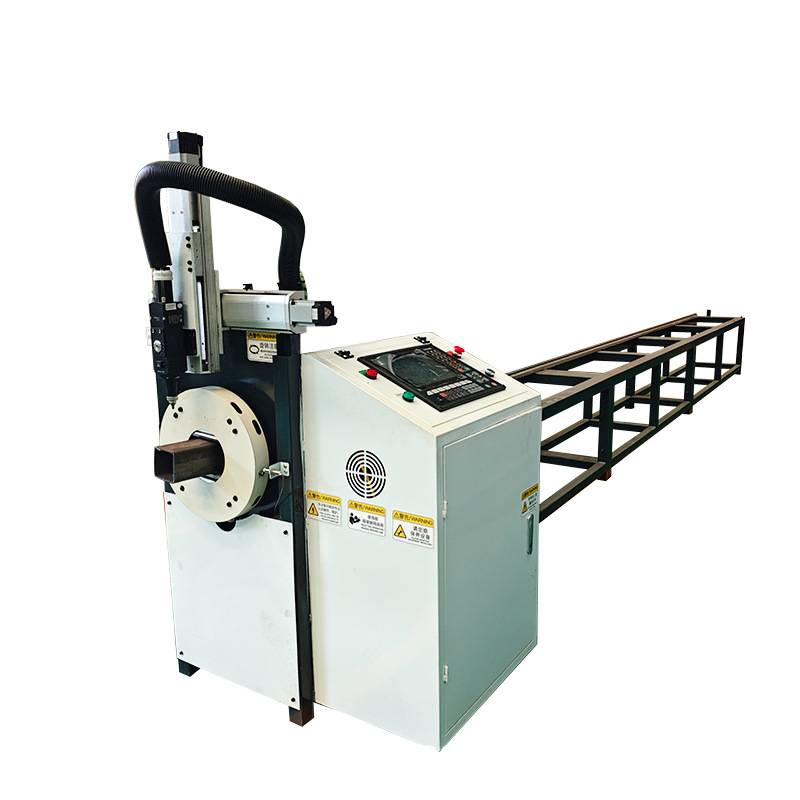
 laser cutting machine MAK160″ style=”max-width: 100%; height: auto; margin: 20px 0;”>
Technical Advantages of 3kW Power for Aluminum Alloys
When discussing the laser cutting of aluminum alloys—such as the 6061-T6 or 6063 series commonly used in structural frames—power density is the critical variable. A 3kW fiber laser produces a beam with a wavelength of approximately 1.06 microns. This wavelength is absorbed more efficiently by aluminum compared to the 10.6 microns of traditional CO2 lasers, allowing for faster piercing and cleaner edges.
For aluminum tubes with wall thicknesses ranging from 1mm to 6mm, a 3kW system operates in its “sweet spot.” It provides enough wattage to maintain a stable melt pool even at high feed rates, which is essential for preventing the formation of dross (solidified slag) on the interior of the tube. In Toluca’s competitive landscape, the ability to produce “weld-ready” parts directly from the machine without secondary deburring is a significant cost advantage.
Overcoming Material Reflectivity and Heat Conductivity
Aluminum is a “yellow metal” in the eyes of a laser—highly reflective and extremely efficient at dissipating heat. In the early days of laser cutting, these properties posed a risk of back-reflection, which could damage the resonator. Modern 3kW systems are equipped with advanced optical isolators and “back-reflection protection” sensors. These systems detect reflected light and instantly modulate the beam or shut down the source to protect the fiber delivery system.
Furthermore, because aluminum conducts heat so rapidly, the laser cutting process must be fast enough to outrun the heat conduction. If the cut speed is too slow, the heat spreads into the surrounding material, causing the kerf to widen and the structural integrity of the tube to diminish. The 3kW power level allows for the high-velocity travel speeds necessary to keep the Heat Affected Zone (HAZ) to an absolute minimum, ensuring that the mechanical properties of the alloy are preserved.
Precision Tube Handling and Geometry
Unlike flat sheet cutting, tube laser cutting involves managing the rotational inertia of the workpiece. A 3kW machine designed for Toluca’s heavy-duty industrial environment typically features high-precision pneumatic or hydraulic chucks. These chucks must synchronize perfectly with the laser head to cut complex geometries such as saddles, miters, and intricate notches.
The ability to process square, rectangular, and oval profiles, in addition to standard round tubes, is vital. In the automotive sector of Toluca, where lightweighting is a priority, many components use extruded aluminum profiles with non-standard cross-sections. The 3kW tube laser utilizes sophisticated nesting software to calculate the optimal path, ensuring that the beam remains perpendicular to the surface of the tube (or at a programmed angle for beveling) throughout the entire rotation.
Optimizing Gas Selection: Nitrogen vs. Oxygen
For aluminum alloy processing, the choice of assist gas is paramount. In the majority of 3kW laser cutting applications in Toluca, high-pressure nitrogen is the preferred medium. Nitrogen acts as a shielding gas, blowing the molten aluminum out of the kerf before it can react with atmospheric oxygen. This results in a bright, oxide-free cut edge that is ideal for subsequent robotic welding processes.
While oxygen can be used to speed up the cutting of thicker carbon steels through an exothermic reaction, it is generally avoided for aluminum. Oxygen leads to heavy oxidation on the cut surface, which can compromise weld quality and aesthetics. For Toluca-based manufacturers focusing on high-end architectural or automotive finishes, the clean finish provided by 3kW nitrogen-assisted cutting is the industry requirement.
Environmental Considerations in Toluca: Altitude and Cooling
Toluca sits at an elevation of approximately 2,660 meters (8,700 feet) above sea level. This high altitude presents unique challenges for laser cutting equipment that are often overlooked. The lower air density affects the cooling efficiency of the laser’s chiller system. A 3kW fiber laser generates significant heat within the power modules and the cutting head; therefore, the cooling system must be rated for high-altitude operation to prevent overheating during long production shifts.
Additionally, the thinner air can affect the dynamics of the assist gas as it exits the nozzle. Engineers in Toluca must often calibrate their gas pressure and nozzle height settings differently than those at sea level to ensure the same level of cut quality. Working with a supplier who understands the geographic specificities of the State of Mexico is crucial for maximizing the uptime of a 3kW tube laser.
Economic Impact and ROI for Local Manufacturers
Investing in a 3kW tube laser cutting system allows Toluca shops to move up the value chain. Instead of delivering raw material or basic cuts, they can provide fully fabricated assemblies. The speed of a 3kW fiber laser means that a single machine can often replace three or four traditional saws and two milling machines. This consolidation of the workflow reduces labor costs and minimizes the footprint required on the factory floor.
Moreover, the precision of laser cutting (often within ±0.1mm) ensures that parts fit together perfectly during assembly. This “tab-and-slot” design capability allows for self-fixturing parts, which reduces the need for expensive welding jigs. For the fast-paced automotive supply chain in Lerma and Toluca, this reduction in lead time is a critical competitive advantage.
Maintenance and Longevity of Fiber Laser Systems
While fiber lasers are known for their low maintenance compared to CO2 lasers, they are not maintenance-free. In the dusty industrial environments of Toluca, maintaining the cleanliness of the optical path is vital. The protective windows (cover slips) must be inspected daily. Any dust or residue from the aluminum laser cutting process can absorb laser energy, leading to thermal distortion or catastrophic failure of the lens.
The 3kW source itself is a solid-state component with a lifespan often exceeding 100,000 hours. However, the mechanical components—the gear racks, linear guides, and the chuck’s gripping mechanism—require regular lubrication and calibration. Given Toluca’s status as a manufacturing powerhouse, local access to technical support and spare parts is a key factor in ensuring that the laser cutting operation remains profitable over its decade-plus lifespan.
Conclusion: The Future of Aluminum Fabrication
The 3kW tube laser cutter is more than just a tool; it is a catalyst for innovation in Toluca’s aluminum fabrication sector. By mastering the nuances of power modulation, gas dynamics, and high-altitude operation, local manufacturers can produce world-class components that meet the rigorous standards of the global market. As the industry moves toward further automation and Industry 4.0 integration, the fiber laser cutting system will remain the heart of the modern metalworking facility, driving efficiency and precision in every pulse of light.
















