
Introduction to 3kW Tube laser cutting in Leon’s Industrial Landscape
The industrial sector in Leon, Spain, has undergone a significant transformation over the last decade, transitioning from traditional heavy manufacturing to high-precision engineering. Central to this evolution is the adoption of advanced fiber laser technology. The 3kW tube laser cutter has emerged as a cornerstone for local workshops and large-scale manufacturers alike, particularly those specializing in aluminum alloy fabrication. This guide explores the technical intricacies, operational parameters, and strategic advantages of utilizing a 3kW system for processing aluminum in the Leon region.
Laser cutting technology, specifically fiber lasers, offers a wavelength of approximately 1.06 microns. This wavelength is absorbed much more efficiently by non-ferrous metals like aluminum compared to the 10.6 microns of older CO2 systems. For the burgeoning automotive and aerospace supply chains in Leon’s industrial parks, such as Villadangos del Páramo and Onzonilla, the 3kW power rating represents the ideal balance between capital investment and high-speed production capability.

The Mechanics of a 3kW Fiber Laser Source
At the heart of the tube laser cutter is the fiber laser source. A 3kW system generates a high-intensity beam through a series of pump diodes and active optical fibers doped with rare-earth elements. This beam is then delivered via a flexible fiber optic cable directly to the cutting head. Unlike flatbed cutters, a tube laser must manage the complexities of rotating workpieces, requiring sophisticated synchronization between the laser output and the mechanical chucks.
Understanding Power Density and Aluminum
Aluminum is known for its high thermal conductivity and high reflectivity. In the context of laser cutting, these properties pose unique challenges. A 3kW power level provides sufficient power density to overcome the initial reflectance of the aluminum surface. Once the “pierce” is achieved, the material’s absorption rate increases, allowing for a stable and rapid melt pool. In Leon’s competitive metalworking market, the ability to maintain a stable kerf width across various aluminum grades (such as 6061 or 7075) is what separates Tier 1 suppliers from the rest.
Material Science: Aluminum Alloys and Laser Interaction
Aluminum alloys are categorized by their alloying elements, which significantly affect how they respond to laser cutting. In Leon, the most common alloys processed include the 5000 series (magnesium-based) and the 6000 series (silicon and magnesium-based).
The 6000 series, widely used in structural frames and architectural components, cuts exceptionally well with a 3kW fiber laser. However, the 5000 series can be more prone to dross formation on the underside of the tube if the parameters are not perfectly tuned. The 3kW threshold is critical here; lower power levels often struggle to maintain the feed rates necessary to prevent excessive heat-affected zones (HAZ), which can compromise the structural integrity of the alloy.
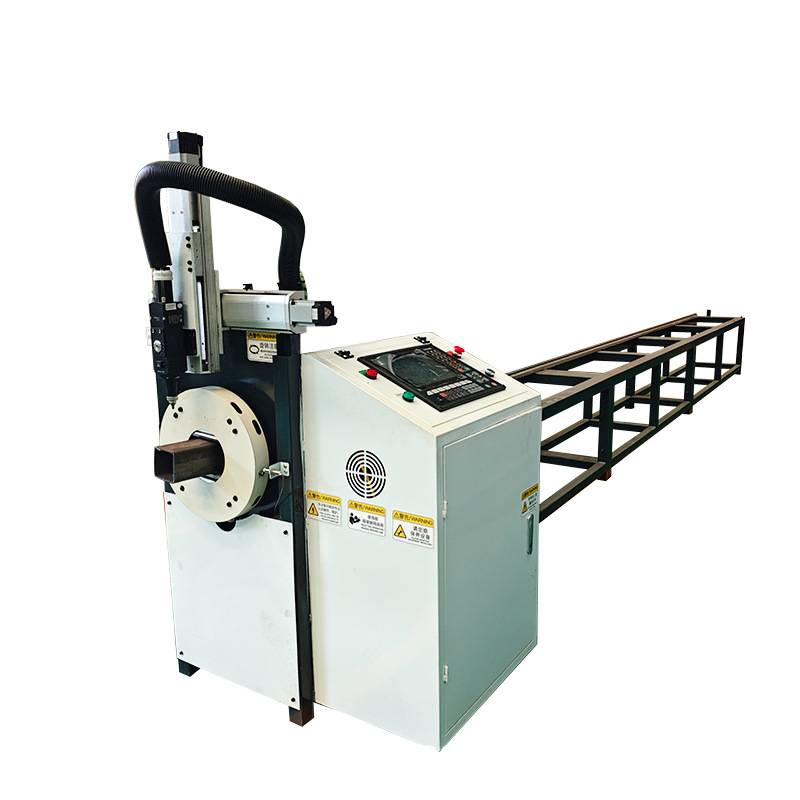
Technical Parameters for Precision Cutting
Achieving a burr-free finish on aluminum tubes requires meticulous control over several variables. For a 3kW system, the following parameters are generally considered the “gold standard” for 2mm to 5mm wall thicknesses:
- Cutting Speed: For 3mm aluminum, a 3kW laser can typically achieve speeds of 8-12 meters per minute, depending on the specific alloy.
- Gas Pressure: High-pressure Nitrogen (usually between 12 and 18 bar) is essential. It acts as a mechanical force to eject the molten aluminum from the kerf before it can re-solidify.
- Nozzle Selection: A double-layer nozzle is often preferred for aluminum to stabilize the gas flow and protect the protective window from back-spatter.
- Focus Position: Unlike carbon steel, aluminum often requires a negative focus (focusing inside the material) to ensure a wider kerf at the bottom, facilitating easier melt ejection.
Operational Best Practices in the Leon Region
The climate in Leon, characterized by dry summers and cold winters, can impact the performance of high-precision machinery. For a 3kW tube laser cutter, maintaining a consistent environment is vital for both the laser source and the mechanical components.
Auxiliary Gas Selection: Nitrogen vs. Compressed Air
While Oxygen is the standard for carbon steel, it is rarely used for aluminum because it creates a heavily oxidized, brittle edge. In Leon’s manufacturing hubs, Nitrogen is the primary choice for laser cutting aluminum. Nitrogen provides a clean, weld-ready edge. However, some shops are moving toward high-pressure compressed air (filtered and dried) for thinner aluminum tubes to reduce operational costs, though this requires a robust filtration system to prevent lens contamination.
The Role of Automatic Chucking Systems
Tube laser cutting is as much about material handling as it is about the beam. A 3kW machine equipped with pneumatic or electric chucks ensures that the tube remains centered during high-speed rotation. For aluminum tubes, which are often lighter and more prone to surface scratching than steel, “soft-touch” chucking systems are recommended to maintain the aesthetic quality of the workpiece.
Structural Integrity and Machine Design
A 3kW tube laser cutter must be built on a rigid foundation to handle the centrifugal forces of rotating tubes at high RPMs. Most professional-grade machines in the Leon region utilize a welded steel plate frame that has been stress-relieved through heat treatment. This ensures that the machine maintains sub-millimeter accuracy over years of three-shift operations.
The Importance of the Cooling System
A fiber laser source is highly efficient, but it still generates significant heat. A dual-circuit water chiller is mandatory. One circuit cools the 3kW laser source, while the other cools the cutting head and the collimating lenses. In Leon, where ambient temperatures can fluctuate, an industrial-grade chiller with a precision of ±0.5°C is necessary to prevent “thermal drift,” which can cause the laser focus to shift during long production runs.
Maintenance Protocols for High-Reflectivity Materials
Cutting aluminum puts more strain on the optical components than cutting steel. Back-reflection is the primary concern. Modern 3kW fiber lasers are equipped with optical isolators that prevent reflected light from traveling back up the fiber and damaging the diodes. However, manual maintenance remains essential.
Daily and Weekly Checks
Operators in Leon should follow a strict maintenance schedule. The protective window (cover glass) must be inspected daily for dust or “pitting” caused by aluminum spatter. Even a tiny speck of dust can absorb the 3kW energy, heat up, and crack the lens, leading to costly downtime. Furthermore, the lubrication of the rack and pinion system and the ball screws is critical for maintaining the synchronization required for complex tube geometries like intersections and notches.
The Economic Impact on Leon’s Metalworking Sector
The integration of 3kW tube laser cutting technology has allowed Leon-based companies to compete on a global scale. By reducing the need for secondary processes—such as sawing, drilling, and milling—manufacturers can produce complex aluminum components in a single setup. This “all-in-one” processing is particularly beneficial for the production of bicycle frames, furniture, and lightweight structural components for the renewable energy sector, which is a growing industry in the Castile and León region.
Return on Investment (ROI) Considerations
While the initial investment in a 3kW tube laser is higher than traditional methods, the ROI is realized through drastic reductions in labor costs and material waste. The nesting software associated with these machines optimizes the layout of parts on a single tube, often reducing scrap rates by 15-20%. In an era of fluctuating aluminum prices, these savings are vital for maintaining healthy margins.
Environmental and Safety Considerations
Laser cutting aluminum produces fine dust and fumes that can be hazardous if not properly managed. A high-capacity dust extraction system with flame-retardant filters is a requirement under EU safety standards. Additionally, because the fiber laser operates at a wavelength that is extremely dangerous to the human eye, the machine must be fully enclosed (Class 4 laser safety) with certified viewing windows.
In Leon, local regulations regarding industrial emissions are strictly enforced. Investing in a high-efficiency filtration system not only ensures compliance but also protects the health of the workforce and keeps the factory environment clean, which is essential for high-tech manufacturing.
Conclusion: The Future of Laser Cutting in Leon
The 3kW tube laser cutter represents the pinnacle of versatility for aluminum fabrication. As Leon continues to position itself as a center for industrial excellence, the adoption of such technology will only accelerate. By understanding the interaction between the 3kW fiber beam and the unique properties of aluminum alloys, local manufacturers can achieve unprecedented levels of precision and efficiency. Whether it is for custom architectural designs or mass-produced automotive parts, the future of metalworking in Leon is undeniably driven by the power of the laser.
















