
Introduction to 3kW Fiber laser cutting in Monterrey’s Industrial Sector
Monterrey, Nuevo León, stands as the industrial heart of Mexico, serving as a critical hub for automotive, aerospace, and home appliance manufacturing. Within this high-output environment, the adoption of 3kW fiber laser cutting technology has become a standard for facilities aiming to balance precision with throughput. A 3kW system occupies a strategic “sweet spot” in the metal fabrication industry, offering enough power to handle substantial thicknesses of stainless steel while maintaining the high speeds necessary for thin-gauge production. For Monterrey-based engineers and shop managers, understanding the nuances of this power level is essential for optimizing supply chains and meeting the rigorous quality standards required by international partners under the USMCA framework.
The transition from traditional CO2 lasers to fiber technology has been particularly impactful for stainless steel applications. Unlike carbon steel, stainless steel requires specific thermal management to prevent discoloration and maintain corrosion resistance. The 1.06-micron wavelength of a fiber laser is absorbed more efficiently by stainless steel than the 10.6-micron wavelength of CO2 lasers, leading to faster processing speeds and lower operational costs. In the competitive landscape of Monterrey’s manufacturing districts, such as Santa Catarina and Apodaca, the efficiency of a 3kW laser cutting system provides a significant edge in lead times and part cost.
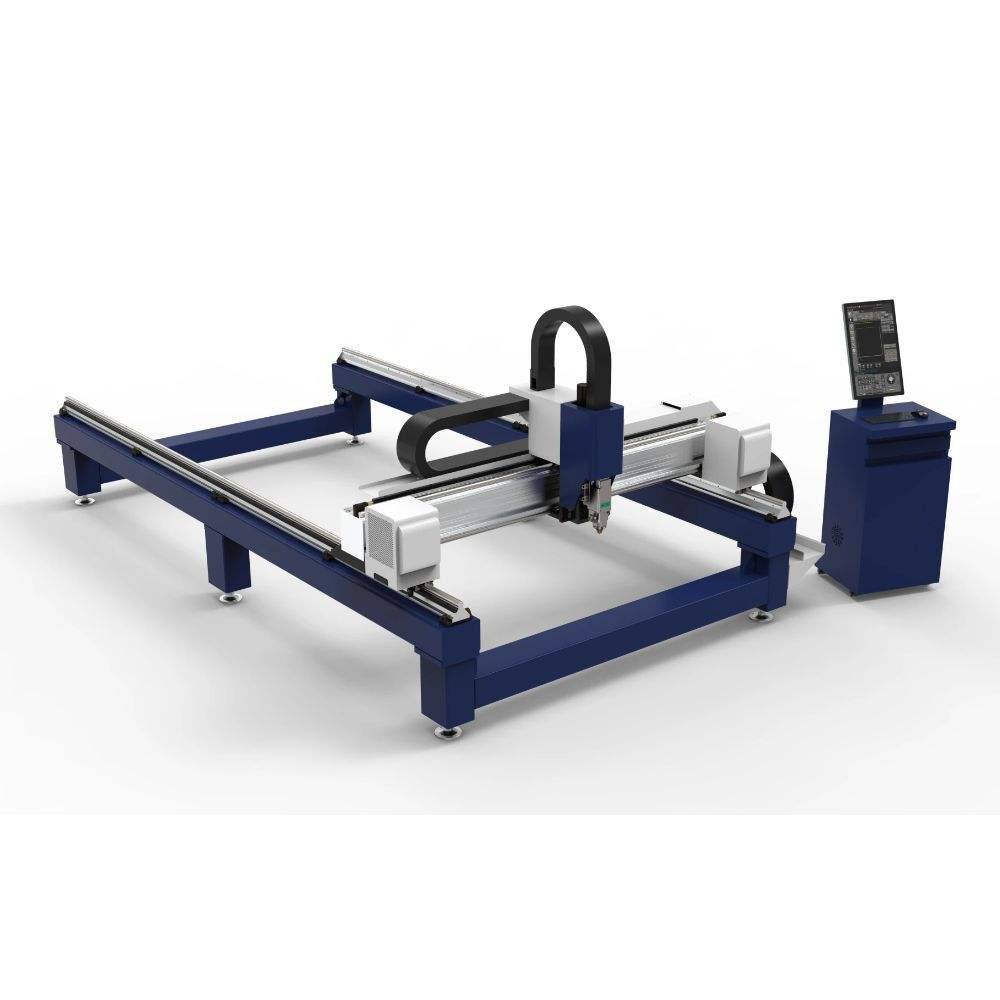 laser cutting machine” style=”width: 100%; max-width: 800px; height: auto; margin: 20px 0;”>
Technical Specifications and Power Dynamics
Understanding the 3kW Threshold
A 3kW (3000-watt) fiber laser source provides a power density that is ideal for stainless steel ranging from 1mm to 10mm in thickness. While higher wattage machines exist, the 3kW variant offers a lower initial capital investment and reduced power consumption, making it highly attractive for mid-sized fabrication shops in Monterrey. At this power level, the laser beam maintains a high “Beam Parameter Product” (BPP), ensuring that the energy is concentrated into a small focal spot. This concentration is vital for achieving the “vaporization” state required for clean laser cutting in stainless steel, which has a higher melting point and different thermal conductivity compared to mild steel.
Wavelength and Absorption in Stainless Steel
The efficiency of laser cutting is largely determined by how well the material absorbs the laser’s energy. Stainless steel, especially when polished or brushed, can be highly reflective. Fiber lasers operate at a wavelength that is approximately ten times shorter than CO2 lasers, which results in much higher absorption rates. This means that even at 3kW, the machine can pierce and cut through reflective stainless grades (like 304 or 316) with much less risk of “back-reflection” damaging the optical components. This reliability is a key factor for Monterrey’s high-precision industries, where machine downtime can disrupt complex just-in-time (JIT) delivery schedules.
Processing Stainless Steel Grades in the Monterrey Market
Cutting Grade 304 and 316
In Monterrey’s robust food processing and medical equipment sectors, Grades 304 and 316 stainless steel are ubiquitous. Laser cutting these materials requires a deep understanding of their nickel and chromium content. A 3kW laser can process 3mm stainless steel at speeds exceeding 15 meters per minute, depending on the assist gas used. For 316 stainless, which is often used in marine or chemical environments due to its molybdenum content, the 3kW laser provides the necessary energy to create clean, dross-free edges that require no secondary finishing, a critical requirement for hygienic applications.
Handling Ferritic and Martensitic Series
Beyond the common austenitic grades, Monterrey’s automotive suppliers often work with 400-series stainless steels. These ferritic and martensitic grades have different thermal expansion coefficients. The precision control of a 3kW fiber laser allows for minimal Heat Affected Zones (HAZ), ensuring that the structural integrity and magnetic properties of the material are not compromised during the laser cutting process. This level of control is essential for components like exhaust systems and structural brackets produced in the region’s massive automotive clusters.

Optimizing Assist Gas Strategies
Nitrogen: The Key to Oxide-Free Edges
For stainless steel, the choice of assist gas is as important as the laser power itself. In Monterrey, where high-quality finishes are demanded by the export market, Nitrogen is the primary assist gas used with 3kW laser cutting systems. Nitrogen acts as a mechanical force to blow the molten metal out of the kerf while simultaneously shielding the cut edge from oxygen. This prevents the formation of chromium oxide, which would otherwise result in a blackened, brittle edge. Using high-pressure Nitrogen (often between 12 and 18 bar) ensures that the cut remains “bright” and ready for immediate welding or painting.
Oxygen Cutting for Greater Thicknesses
While Nitrogen is preferred for quality, Oxygen can be used when cutting thicker stainless steel plates (above 10mm) where speed is less of a priority than the ability to sever the material. However, Oxygen cutting creates an oxidized layer that must be removed if the part is to be welded or coated. For most 3kW applications in Monterrey, shops invest in Nitrogen generation systems or bulk liquid Nitrogen tanks to sustain the high-flow requirements of high-speed stainless steel laser cutting.
Operational Parameters and Precision Control
Focal Position and Nozzle Selection
Achieving a perfect cut on stainless steel with a 3kW laser requires precise management of the focal point. Unlike carbon steel, where the focus is usually on the surface, stainless steel often requires a “negative focus,” where the beam’s narrowest point is positioned inside the material. This helps in creating a wider kerf at the bottom, allowing the high-pressure Nitrogen to clear the melt more effectively. Furthermore, the use of double-nozzles or specialized high-speed nozzles can reduce gas consumption while stabilizing the gas flow, which is crucial for maintaining edge consistency across large 5’x10′ or 6’x12′ sheets commonly used in Monterrey’s workshops.
Feed Rates and Power Modulation
One of the advantages of modern 3kW fiber systems is the ability to modulate power during the laser cutting process. When navigating tight corners or intricate geometries in a stainless steel part, the CNC controller automatically reduces the feed rate. To prevent overheating the material in these slow sections, the laser power must be pulsed or reduced. This prevents “rounding” of sharp corners and maintains the dimensional tolerances required by aerospace standards in the Nuevo León region.
Maintenance and Environmental Considerations in Monterrey
Cooling Systems and Humidity Management
Monterrey’s climate presents unique challenges for high-power laser systems. The region experiences high temperatures and fluctuating humidity levels. A 3kW fiber laser requires a robust industrial chiller to maintain the temperature of both the laser source and the cutting head. Engineers must ensure that the chiller is sized correctly to handle the ambient heat of a Monterrey summer. Furthermore, the “Clean Room” environment for the laser source must be maintained to prevent dust and metallic particles—common in industrial zones like Guadalupe—from contaminating the sensitive optical fibers.
Optical Integrity and Protective Windows
In the laser cutting of stainless steel, “spatter” is a common occurrence, especially during the piercing phase. A 3kW laser head uses a sacrificial protective window (cover slide) to protect the expensive focusing lens. Regular inspection of these windows is mandatory. Even a tiny speck of dust or a burn mark can absorb laser energy, leading to thermal lensing, which shifts the focal point and degrades cut quality. In Monterrey’s high-volume shops, implementing a daily maintenance checklist for optics is the difference between a profitable shift and a day of wasted material.
The Economic Impact of 3kW Lasers on Monterrey’s Supply Chain
The integration of 3kW laser cutting technology has streamlined the supply chain in Northern Mexico. By allowing local fabricators to produce high-precision stainless steel components in-house, companies have reduced their reliance on imported parts. This “nearshoring” trend has been bolstered by the speed of fiber lasers. A 3kW machine can often do the work of two older CO2 machines, reducing the physical footprint required in expensive industrial real estate. Additionally, the energy efficiency of fiber lasers—which convert about 30-35% of electrical energy into laser light—significantly lowers the overhead for Monterrey businesses facing rising energy costs.
Conclusion: The Future of Metal Fabrication in Nuevo León
As Monterrey continues to evolve into a global manufacturing powerhouse, the role of 3kW fiber laser cutting will only expand. The ability to process stainless steel with extreme precision, speed, and cost-effectiveness makes this technology indispensable. For engineers and business owners, staying ahead means not only investing in the hardware but also mastering the technical parameters—from Nitrogen pressure to focal modulation—that define high-quality stainless steel fabrication. The 3kW laser is more than just a tool; it is the engine driving the next generation of industrial excellence in the Sultan of the North.
















