
Introduction to 3kW laser cutting in Monterrey’s Industrial Sector
Monterrey, Nuevo León, stands as the industrial heart of Mexico, hosting a dense concentration of automotive, HVAC, and heavy machinery manufacturers. In this competitive landscape, the adoption of 3kW fiber laser technology has become a cornerstone for companies seeking to optimize their production lines. The 3kW power rating is widely considered the “sweet spot” for sheet metal fabrication, offering a perfect balance between capital investment and high-speed processing capabilities. Specifically, when dealing with galvanized steel—a staple material in Monterrey’s construction and appliance industries—the precision of laser cutting ensures that structural integrity and corrosion resistance are maintained throughout the fabrication process.
As the region continues to attract nearshoring investments, the demand for high-quality, repeatable metal components has surged. A 3kW fiber laser system provides the necessary beam intensity to vaporize metal efficiently while minimizing the heat-affected zone (HAZ). This is particularly critical in the metropolitan area of Monterrey, where high-volume production for export markets requires adherence to strict international quality standards. This guide explores the technical nuances of utilizing a 3kW system for galvanized steel, focusing on the specific environmental and economic factors prevalent in Northern Mexico.
The Rise of Fiber Laser Technology
The transition from CO2 to fiber laser cutting has redefined the efficiency of sheet metal shops. Fiber lasers utilize solid-state diodes to pump the laser medium, which is then delivered through a flexible fiber optic cable. For a 3kW system, this results in a beam with a much smaller spot size and higher power density compared to older technologies. In Monterrey’s fast-paced industrial parks, such as those in Apodaca and Santa Catarina, the energy efficiency of fiber lasers—often exceeding 30-40% wall-plug efficiency—provides a significant reduction in operational overhead, which is vital given the fluctuating energy costs in the region.
Material Focus: Galvanized Steel Challenges
Galvanized steel is carbon steel coated with a protective layer of zinc. While this coating is excellent for preventing rust, it introduces unique challenges during the laser cutting process. Zinc has a significantly lower melting point (approximately 419°C) than the base steel (approximately 1370°C). When the laser hits the material, the zinc coating vaporizes before the steel melts, creating high-pressure gas that can interfere with the stability of the laser beam and the assist gas flow.
For fabricators in Monterrey, where galvanized steel is frequently used for outdoor electrical enclosures and HVAC ducting, managing this vaporization is key. If not handled correctly, the vaporized zinc can lead to “dross” or slag accumulation on the underside of the cut, or worse, back-reflection. Back-reflection occurs when the laser light bounces off the molten zinc and returns into the cutting head, potentially damaging the sensitive optical components of a 3kW system. Modern fiber lasers are equipped with back-reflection protection, but proper parameter setting remains the first line of defense.
Dealing with Zinc Vaporization
To achieve a clean cut on galvanized material, the 3kW laser must penetrate both the coating and the substrate simultaneously. The high power density of a 3kW source allows for faster travel speeds, which reduces the time the zinc has to boil and interfere with the cut path. Engineers in Monterrey often utilize specialized cutting heads with high-speed sensors that can maintain a constant standoff distance even if the material slightly warps due to the internal stresses common in galvanized sheets.
Technical Parameters for 3kW Systems
Optimizing a 3kW laser for galvanized steel requires a deep understanding of feed rates, frequency, and duty cycles. For a typical 1.5mm to 3.0mm galvanized sheet, a 3kW laser can achieve cutting speeds that far surpass traditional mechanical shearing or plasma cutting. However, speed is not the only factor; the quality of the edge determines whether a part needs secondary finishing, which can be a bottleneck in high-throughput Monterrey facilities.
Gas Selection and Pressure
The choice of assist gas is perhaps the most critical decision when laser cutting galvanized steel. Nitrogen is the preferred choice for a 3kW system when a clean, oxide-free edge is required. Because nitrogen is an inert gas, it acts as a mechanical force to blow away the molten metal without reacting with it. This prevents the edges from charring, allowing for immediate powder coating or welding—a common requirement for Monterrey’s automotive suppliers.
Conversely, oxygen can be used for thicker sections of galvanized steel, as it creates an exothermic reaction that adds heat to the process. However, this often results in a darker, oxidized edge and can cause more “spatter” from the zinc coating. In the humid summer months of Nuevo León, the purity of the assist gas is paramount; any moisture in the gas lines can lead to striations on the cut surface and accelerated nozzle wear.
Nozzle Selection and Focal Position
For 3kW applications, a double-nozzle configuration is often recommended for galvanized steel. This design helps to stabilize the gas flow and protect the protective window from zinc particulates. The focal position should generally be set slightly below the surface of the material to ensure that the energy is concentrated where the melt pool forms, facilitating the efficient ejection of the zinc-steel mixture. Regular inspection of the nozzle in a high-production Monterrey shop is essential, as zinc buildup can deflect the assist gas and ruin the cut quality.
Operational Excellence in Monterrey’s Climate
The environmental conditions in Monterrey present specific challenges for 3kW laser cutting systems. The region is known for extreme temperature fluctuations and high dust levels from surrounding industrial activity and the Sierra Madre mountains. These factors can impact the longevity of the laser’s internal components and the precision of the motion system.
Thermal Management and Cooling
A 3kW fiber laser generates significant heat within the power source and the cutting head. A robust, dual-circuit chiller system is non-negotiable. In Monterrey, where ambient temperatures can exceed 40°C in the summer, the chiller must be rated for high-ambient performance. Maintaining a consistent temperature for the laser diodes and the optics prevents “thermal drift,” where the focal point shifts during long production runs, leading to inconsistent cut quality. Fabricators should ensure their facilities have adequate ventilation and that chillers are placed in areas with clear airflow to prevent overheating.
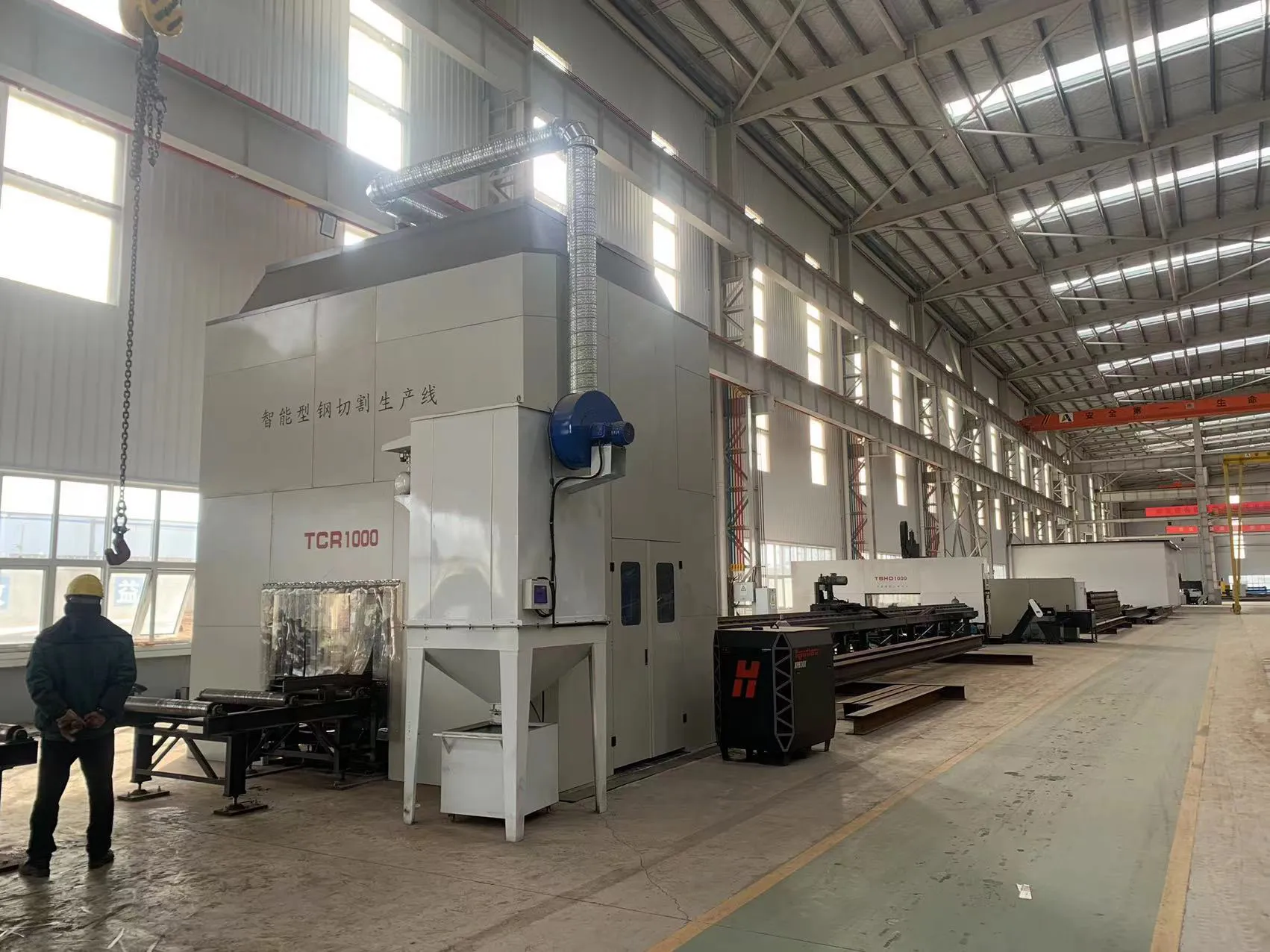
 laser cutting machine for Plate and Tube” style=”width: 100%; max-width: 800px; height: auto; margin: 20px 0;”>
Power Stability and Grounding
The industrial power grid in certain sectors of Monterrey can experience voltage spikes or “noise” due to the heavy loads of neighboring factories. A 3kW laser is a sensitive electronic instrument. Implementing a high-quality voltage regulator and ensuring proper electrical grounding is essential to protect the CNC controller and the laser source. This prevents unexpected downtime and protects the investment from costly electronic failures.
Safety and Environmental Considerations
Working with galvanized steel involves more than just machine parameters; it requires a strict adherence to safety protocols, particularly regarding the fumes generated during laser cutting. When zinc is vaporized, it creates zinc oxide fumes, which are hazardous if inhaled and can lead to “metal fume fever.”
Fume Extraction Systems
A high-performance dust collector and fume extraction system are mandatory for any 3kW laser installation in Monterrey. The extraction unit must have filters capable of capturing sub-micron particles. Given the strict environmental regulations enforced by state authorities in Nuevo León, ensuring that the exhausted air meets local air quality standards is not only a safety issue but a legal one. Furthermore, keeping the internal cabin of the laser clean from zinc dust prevents the contamination of the linear guides and the rack-and-pinion system, extending the machine’s service life.
Economic Viability and ROI for Mexican Fabricators
The investment in a 3kW sheet metal laser is a strategic move for Monterrey-based companies looking to scale. Compared to lower-wattage systems (1kW or 2kW), the 3kW variant offers a significant jump in productivity for thin-to-medium gauge galvanized steel. In many cases, the 3kW system can cut 2mm galvanized steel at speeds twice as fast as a 1.5kW system, effectively doubling the output for the same labor cost.
Market Demand in Nuevo León
The “Nearshoring” phenomenon has brought a wave of Tier 1 and Tier 2 suppliers to the Monterrey region. These companies require fast turnaround times and high precision. A 3kW laser cutting system allows local shops to compete with international fabricators by offering lower lead times. The versatility of the 3kW power level also means the machine can handle stainless steel and aluminum, allowing shops to diversify their client base beyond just galvanized applications. When calculating Return on Investment (ROI), Monterrey business owners must consider the reduction in secondary processing, the lower cost per part due to high speeds, and the energy savings inherent in fiber technology.
Conclusion
Mastering 3kW laser cutting for galvanized steel is a vital capability for any modern fabrication shop in Monterrey. By understanding the interaction between the laser beam and the zinc coating, optimizing assist gas parameters, and accounting for the local environmental conditions, manufacturers can achieve world-class results. As Monterrey continues to evolve as a global manufacturing hub, the precision and efficiency of 3kW fiber lasers will remain a key driver of industrial success in the region. Investing in the right technology, combined with a focus on maintenance and safety, ensures that fabricators can meet the rigorous demands of the North American market while maintaining a competitive edge in the heart of Mexico’s industrial landscape.
















