
3kW Fiber Laser Architecture and Technical Specifications
Optical Power and Beam Quality
The 3kW fiber laser system represents the “sweet spot” for mid-to-high volume sheet metal processing, particularly in the carbon steel sector. At a 3000W output, the laser source—typically utilizing a multi-module or high-power single-module fiber configuration—delivers a wavelength of approximately 1.07 microns. This wavelength is highly absorbed by carbon steel, significantly outperforming traditional CO2 systems in terms of energy efficiency and cutting speed for thicknesses up to 20mm. The beam quality, measured by the M² factor (typically <1.1 for 3kW sources), ensures a concentrated energy density at the focal point, allowing for a narrow kerf width and minimal thermal distortion.
Machine Kinematics and Gantry Design
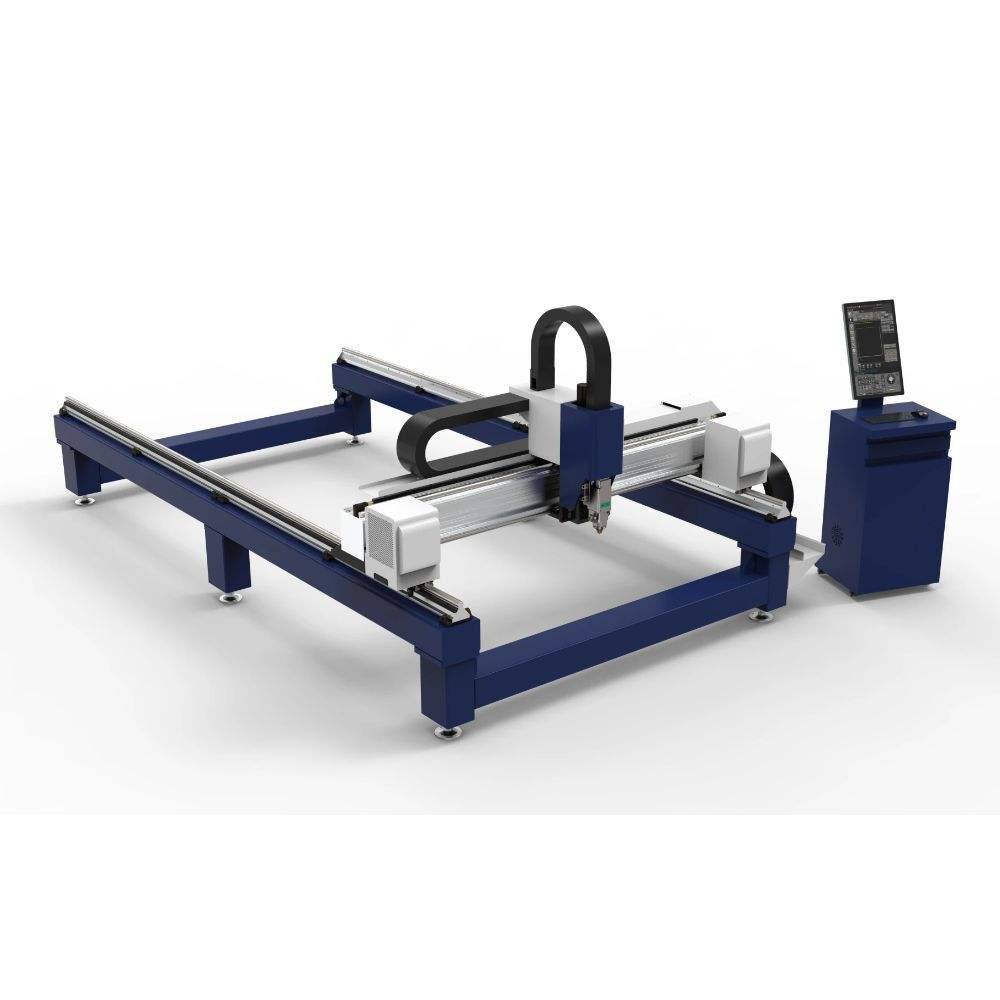
For the industrial landscape in Leon, where kitchenware manufacturing demands high repeatability, the machine’s structural integrity is paramount. A 3kW system usually employs a stress-relieved, heavy-duty welded steel frame or a cast iron bed to dampen vibrations during high-speed laser cutting operations. The gantry, often constructed from aviation-grade aluminum to reduce inertia, allows for accelerations up to 1.2G or 1.5G. This is critical when navigating the complex geometries found in commercial kitchen ventilation systems and industrial oven panels.
Carbon Steel Processing Dynamics in Kitchenware Manufacturing
Absorption and Thermal Conductivity
Carbon steel (CS), specifically grades like A36 or cold-rolled variants used in kitchen appliances, possesses a high absorption rate for 1.07μm radiation. Unlike stainless steel or aluminum, carbon steel benefits from an exothermic reaction when cut with Oxygen (O2) as an assist gas. The 3kW power level provides sufficient energy to maintain a stable melt pool while the O2 initiates a combustion process that adds thermal energy, significantly increasing the cutting speed on thicker plates (8mm to 16mm) commonly used for structural frames in heavy-duty kitchen ranges.
Surface Finish and HAZ Management
In the kitchenware industry, the Heat Affected Zone (HAZ) must be minimized to prevent structural weakening and to ensure that subsequent coating processes (such as powder coating or enameling) adhere correctly. A 3kW fiber laser allows for high-speed processing which reduces the time the heat source dwells on any single point. This results in a microscopic HAZ and a smooth edge finish (Ra < 12.5μm), eliminating the need for secondary grinding or deburring. For Leon-based manufacturers, this efficiency translates directly into lower labor costs and faster throughput.
Operational Parameters for 3kW Laser Cutting
Gas Selection and Pressure Regulation
The choice of assist gas is a critical engineering decision in 3kW carbon steel processing. For kitchenware components where aesthetics are secondary to structural integrity (e.g., internal brackets), Oxygen is the standard choice.
– **Oxygen (O2):** Used for 3mm to 20mm CS. Pressure typically ranges from 0.5 to 2.0 Bar. It relies on the chemical reaction to clear the molten material.
– **Nitrogen (N2) or Clean Air:** Used for thin-gauge CS (0.5mm to 2mm) where a “bright cut” is required. At 3kW, Nitrogen cutting prevents oxidation of the edge, which is vital if the part is to be welded or painted immediately without acid pickling.
Focus Position and Nozzle Calibration
Precision in laser cutting requires meticulous control over the focal position. For 3kW carbon steel processing:
– **Thin Sheets (1-3mm):** The focus is typically set at 0mm (on the material surface) or slightly negative.
– **Thick Plates (10mm+):** A positive focus (above the material) is used to create a wider kerf, allowing the Oxygen to penetrate deeper and clear the slag effectively.
Nozzle diameters for 3kW systems usually range from 1.2mm for precision work to 3.0mm double-layer nozzles for thick plate oxygen cutting.
Specific Applications in the Leon Kitchenware Sector
Commercial Ventilation and Ducting
Leon’s industrial base often services the hospitality sector, requiring large-scale production of hoods and ductwork. The 3kW laser is ideal for cutting 1.2mm to 2.0mm carbon steel sheets used in these assemblies. The ability to nest complex shapes tightly on a 1500x3000mm or 2000x4000mm bed reduces material waste—a significant factor given the fluctuating prices of raw steel. The precision of the fiber laser ensures that interlocking tabs and slots for duct assembly fit with a tolerance of ±0.05mm, facilitating rapid manual or robotic welding.
Industrial Oven and Fryer Components
Internal components of industrial fryers and ovens often utilize 4mm to 6mm carbon steel for heat retention and structural support. At 3kW, these thicknesses can be processed at speeds exceeding 2.5 meters per minute. The high-pressure piercing technology integrated into modern 3kW controllers reduces the “blow-out” risk during the initial entry of the laser, ensuring that even small internal holes for fasteners are perfectly circular and ready for tapping.
Technical Optimization: Feed Rates and Power Modulation
To maximize the utility of a 3kW system in a Leon production facility, engineers must implement power modulation. When the laser cutting head approaches a sharp corner, the machine must decelerate. Without power modulation, the excess heat at low speeds would melt the corner. Modern CNC controllers (such as CypCut or Beckhoff-based systems) automatically adjust the 3000W output down to 500W-800W in synchronization with the velocity curve, maintaining edge integrity across complex geometries.
Cutting Speed Reference Table (3kW Fiber Laser)
| Material Thickness (CS) | Assist Gas | Speed (m/min) | Gas Pressure (Bar) |
|---|---|---|---|
| 1.0 mm | Nitrogen/Air | 25.0 – 35.0 | 12.0 – 15.0 |
| 3.0 mm | Oxygen | 4.5 – 5.5 | 0.8 – 1.2 |
| 6.0 mm | Oxygen | 2.2 – 2.8 | 0.6 – 0.9 |
| 12.0 mm | Oxygen | 1.0 – 1.3 | 0.5 – 0.7 |
| 20.0 mm | Oxygen | 0.5 – 0.7 | 0.4 – 0.6 |
Maintenance Protocols and Environmental Considerations in Leon
Climate and Dust Management
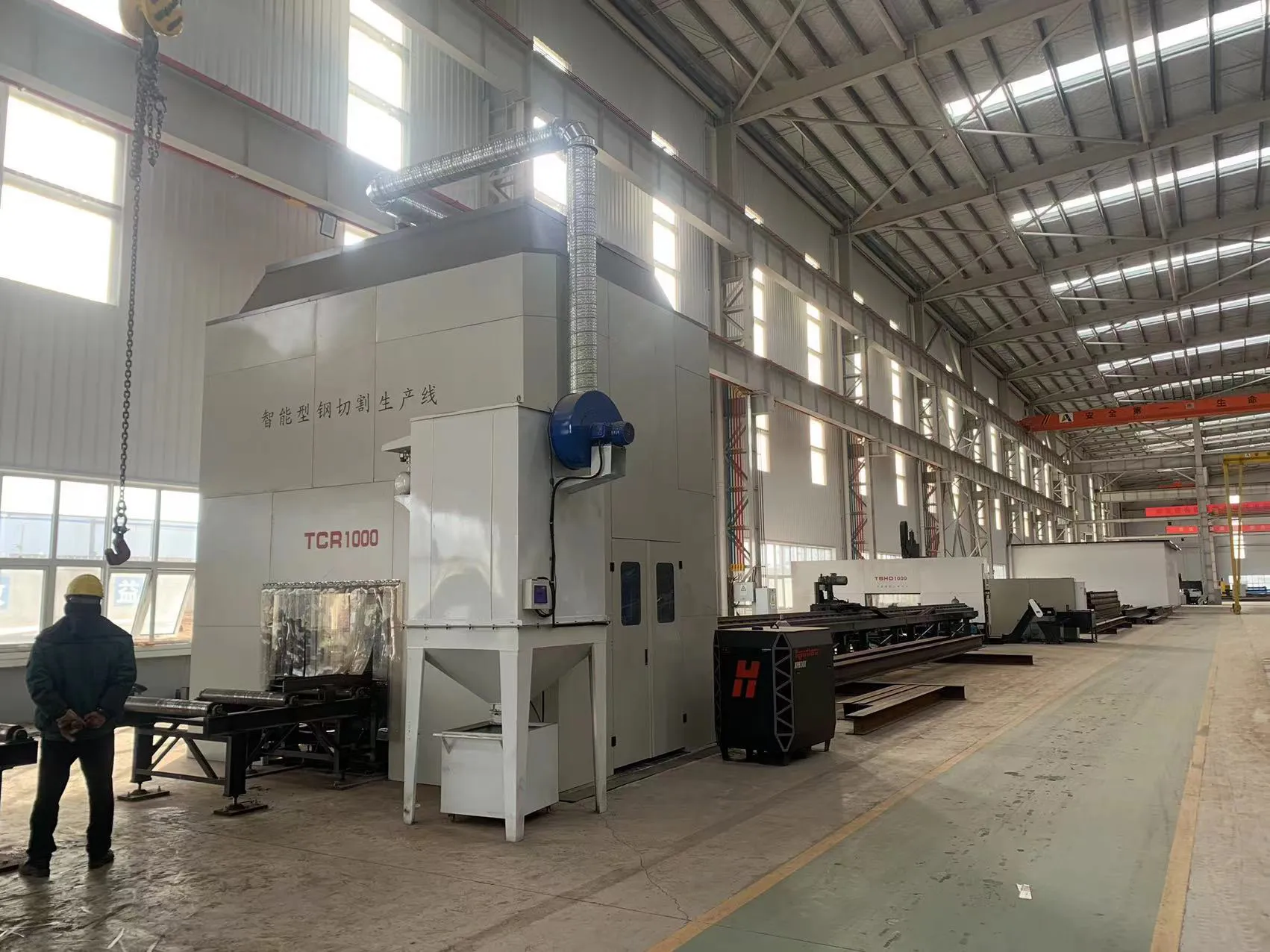
Leon’s geographic location can present challenges regarding ambient temperature and dust, which are detrimental to laser optics. A 3kW fiber laser requires a dual-circuit industrial chiller. The first circuit cools the fiber source, while the second cools the cutting head optics. In high-temperature months, the chiller must maintain a precise 25°C for the source and 28-30°C for the head to prevent condensation. Furthermore, the laser cutting environment must be equipped with a high-volume fume extraction system (at least 4000 m³/h for a 3kW machine) to remove carbon steel particulates and prevent them from settling on the linear guides and rack-and-pinion systems.
Optical Component Longevity
The protective window (cover glass) is the most frequently replaced consumable in a 3kW system. In carbon steel processing, “spatter” from Oxygen-assisted piercing can damage the window. Implementing a “staged piercing” technique—where the laser power and gas pressure are ramped up gradually—can extend the life of the protective window by 30-50%. Weekly inspections of the collimating and focusing lenses are mandatory to ensure no microscopic dust has bypassed the seals, as the high energy density of 3000W will instantly burn any contaminant into the lens coating, necessitating expensive replacements.
Integration of Automated Nesting and CAD/CAM
To fully leverage 3kW power in kitchenware production, the integration of advanced nesting software is essential. This software calculates the optimal path for laser cutting, prioritizing “common line cutting” for square or rectangular components like oven side-walls. Common line cutting reduces the total travel distance and the number of pierces, effectively increasing machine capacity by up to 20% without increasing power consumption. For Leon manufacturers, using software that integrates directly with ERP systems allows for real-time tracking of sheet utilization and production costs per part.
The Role of Auto-Focus Cutting Heads
At the 3kW level, manual focus adjustment is inefficient. Auto-focus cutting heads use a motorized internal lens assembly controlled by the CNC to adjust the focal point dynamically during the piercing and cutting cycles. This is particularly useful when processing uneven or slightly warped carbon steel sheets, which are common in lower-grade bulk shipments. The capacitive height sensor maintains a constant “stand-off” distance (usually 0.5mm to 1.0mm) between the nozzle and the sheet, preventing collisions and ensuring a uniform cut quality across the entire 1500mm x 3000mm processing area.
Conclusion: Strategic Value for Leon’s Industrial Base
The deployment of 3kW sheet metal lasers in Leon’s kitchenware sector offers a decisive technological advantage. By balancing initial capital expenditure with high operational efficiency, these systems provide the necessary throughput to compete both locally and internationally. The ability to switch rapidly between thin-gauge aesthetic panels and thick-gauge structural components makes the 3kW fiber laser the most versatile tool in the modern metal-mechanic’s arsenal, specifically when optimized for the unique thermal and chemical properties of carbon steel.
















