
Introduction to 3kW laser cutting of Brass in Tijuana’s Manufacturing Sector
The industrial landscape of Tijuana has evolved into one of the most sophisticated manufacturing hubs in North America. As a critical node in the “Cali-Baja” mega-region, Tijuana hosts a vast array of aerospace, medical device, and electronics manufacturers. Central to this production ecosystem is the demand for precision metal fabrication. Among the various technologies available, the 3kW fiber laser has emerged as the industry standard for processing non-ferrous metals, particularly brass. Laser cutting brass presents unique challenges due to the material’s high reflectivity and thermal conductivity, but with a 3kW power rating, fabricators can achieve a perfect balance between speed, edge quality, and operational cost.
Brass, an alloy of copper and zinc, is prized for its corrosion resistance, electrical conductivity, and aesthetic appeal. However, these same properties make it difficult to process with traditional CO2 lasers. The advent of fiber laser technology, specifically in the 3kW range, has revolutionized how Tijuana-based machine shops approach brass components. By utilizing a shorter wavelength (approximately 1.06 microns), fiber lasers are absorbed more efficiently by yellow metals, allowing for stable and high-speed laser cutting operations that were previously impossible or highly inefficient.
The Physics of 3kW Fiber Lasers and High-Reflectivity Metals
To understand why a 3kW system is ideal for brass, one must look at the physics of beam absorption. High-reflectivity metals like brass and copper act as mirrors to certain wavelengths of light. In the past, CO2 lasers struggled because the majority of the beam’s energy was reflected back into the optics, often causing catastrophic damage to the machine. Fiber lasers mitigate this risk through their specific wavelength and the use of “back-reflection” protection systems.
At 3000 watts (3kW), the laser provides sufficient power density to instantly transition the brass from a solid state to a molten state. This rapid phase change is crucial because once the material is molten, its reflectivity decreases significantly, allowing the laser cutting process to proceed with high efficiency. In the context of Tijuana’s fast-paced “just-in-time” manufacturing cycles, the 3kW fiber laser offers the reliability needed to maintain continuous production without the downtime associated with optical failures in lower-powered or older-generation systems.
Material Thickness and Performance Benchmarks
For most industrial applications in Tijuana, brass sheet thicknesses range from 0.5mm to 6mm. A 3kW laser cutting system excels in this range. For thin-gauge brass (1mm to 2mm), the machine can reach speeds exceeding 15 meters per minute, depending on the specific alloy and assist gas used. As the thickness increases to 5mm or 6mm, the 3kW power allows for a stable melt pool, ensuring that the dross (slag) is effectively cleared from the kerf, resulting in a clean, square edge that requires minimal post-processing.
 laser cutting machine for Sheet Metal”>
Optimizing Parameters for Brass in the Tijuana Industrial Environment
Operating a 3kW laser in Tijuana requires consideration of local environmental factors, such as humidity and power stability, as well as the specific technical parameters of the laser cutting process. Engineering teams must calibrate focal positions and gas pressures to account for the unique thermal profile of brass.
Assist Gas Selection: Nitrogen vs. Oxygen
The choice of assist gas is perhaps the most critical factor when laser cutting brass. Nitrogen is the preferred choice for high-quality finishes. Because Nitrogen is an inert gas, it does not react with the molten brass, effectively blowing the material through the cut without causing oxidation. This results in a bright, clean edge that is essential for decorative architectural components or electrical connectors produced in Tijuana’s electronics plants.
While Oxygen can be used to increase cutting speeds in thicker sections by introducing an exothermic reaction, it often leads to heavy oxidation on the cut surface. For 3kW systems, Nitrogen at high pressure (typically 15 to 20 bar) is the gold standard for maintaining the integrity of the brass alloy’s properties.
Focal Position and Nozzle Calibration
Because brass dissipates heat rapidly, the focal point of the 3kW beam must be precisely controlled. Generally, for brass, the focus is set slightly below the surface of the material or right at the bottom of the sheet to ensure the energy is concentrated where the melt needs to be ejected. Using a chrome-plated or specialized “high-reflectivity” nozzle is also recommended to prevent the nozzle itself from overheating due to the radiant heat reflecting off the brass surface during the pierce cycle.
Strategic Advantages for Tijuana-Based Fabricators
Tijuana’s proximity to the United States border creates a unique competitive environment. Local fabricators are often competing with shops in Southern California, meaning they must offer equivalent or superior precision at a more competitive price point. Investing in 3kW laser cutting technology allows these shops to handle complex brass parts for the aerospace and medical sectors with high repeatability.
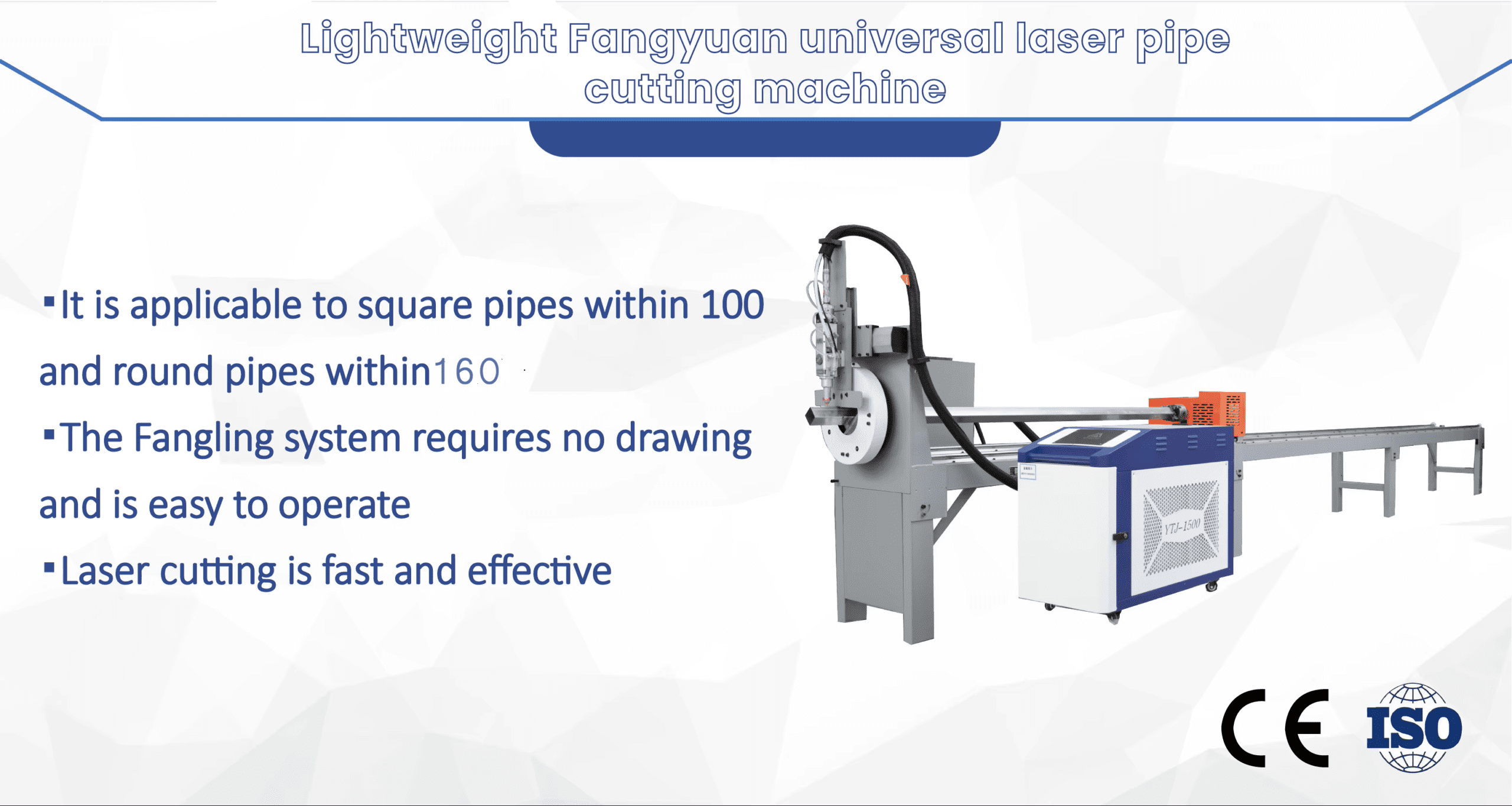
Furthermore, the ability to process both sheet metal and potentially tubes on the same platform (using hybrid machines) provides Tijuana shops with the versatility needed to service diverse industries. Whether it is brass busbars for electrical enclosures or decorative trim for high-end hospitality projects in San Diego, the 3kW laser is the workhorse of the modern shop.

Overcoming Technical Challenges: Back-Reflection and Heat Management
The primary technical hurdle when laser cutting brass is back-reflection. Even with the superior absorption of fiber lasers, a portion of the beam can reflect back into the cutting head. Modern 3kW machines used in Tijuana are equipped with optical isolators and sensors that can detect back-reflection in real-time and shut down the beam before damage occurs. However, the best defense is a proactive “piercing” strategy. By using a “ramped” pierce or a circular piercing pattern, the operator can ensure the laser doesn’t dwell too long on a flat, reflective surface, initiating the cut as soon as the material becomes molten.
Heat Management in Thin Sheets
Brass has a high coefficient of thermal expansion. During intensive laser cutting sessions, the heat can build up in the sheet, causing it to warp or “pop” up, which can lead to nozzle collisions. In Tijuana’s high-volume environments, engineers often employ “cooling mist” systems or specialized nesting strategies that jump from one area of the sheet to another, allowing previously cut sections to cool down. This maintains the dimensional accuracy of the parts, which is critical for components destined for precision assembly lines.
Maintenance Protocols for 3kW Lasers in Coastal Regions
Tijuana’s geographic location near the Pacific Ocean introduces salt air and varying humidity levels, which can impact the longevity of laser components. A 3kW laser cutting system represents a significant capital investment, and maintaining the “clean room” environment of the laser source is paramount. Regular checks of the chiller system are vital; for brass cutting, the chiller must work harder to dissipate the heat reflected back into the cutting head. Ensuring the water conductivity is within specified limits prevents internal corrosion of the laser’s cooling channels.
Additionally, the protective windows (cover slips) in the cutting head must be inspected daily. When cutting brass with Nitrogen, small amounts of metallic dust can accumulate. If a laser beam passes through a contaminated window, the dust will burn, cracking the glass and potentially damaging the internal lenses. In the industrial zones of Otay Mesa or Florido, where dust levels can be high, maintaining a pressurized, filtered air supply to the cutting head is a non-negotiable requirement for consistent laser cutting performance.
Applications of Laser-Cut Brass in Tijuana’s Key Industries
The versatility of the 3kW laser allows it to serve multiple sectors simultaneously:
- Electronics: Production of high-conductivity brass connectors, terminals, and heat sinks. The precision of laser cutting ensures that intricate geometries required for miniaturized electronics are met with micron-level accuracy.
- Aerospace: Brass bushings and specialized fasteners used in aircraft interiors and hydraulic systems. The 3kW laser provides the necessary power to cut through aerospace-grade brass alloys without altering their mechanical properties.
- Medical Devices: Tijuana is a global leader in medical device manufacturing. Brass components for diagnostic equipment and surgical tool housings require the burr-free finish that only high-pressure Nitrogen laser cutting can provide.
- Architecture and Design: Custom signage and decorative panels for the thriving commercial developments in Tijuana and across the border in California.
The Economic Impact of 3kW Technology
From an ROI perspective, the 3kW fiber laser is often more profitable than 6kW or 10kW systems for shops focusing on brass sheets under 6mm. The initial investment is lower, and the power consumption is significantly reduced. For a Tijuana-based maquiladora, this means lower overhead costs per part, allowing for more aggressive bidding on contracts. The 3kW power level is the “sweet spot” where the speed of laser cutting meets the reality of manageable operational expenses and high-quality output.
Conclusion: The Future of Metal Fabrication in Tijuana
As Tijuana continues to cement its status as a manufacturing powerhouse, the adoption of advanced laser cutting technology will be the differentiating factor for local fabrication shops. The 3kW fiber laser, with its ability to master difficult materials like brass, provides the technical capability and economic efficiency required to compete on a global scale. By understanding the nuances of gas selection, back-reflection protection, and the specific thermal properties of brass, engineers in Tijuana can push the boundaries of what is possible in sheet metal fabrication, ensuring high-quality results for the most demanding industries in the world.
















