Optimizing 3kW Sheet Metal laser cutting for Brass in Queretaro’s Industrial Sector
The industrial landscape of Queretaro, Mexico, has undergone a massive transformation over the last decade, evolving into a premier hub for aerospace, automotive, and electrical manufacturing. At the heart of this evolution is the adoption of advanced fabrication technologies. Among these, the 3kW fiber laser cutting system stands out as a critical tool for processing non-ferrous metals, particularly brass. As manufacturers in the Bajío region strive for higher precision and faster cycle times, understanding the technical nuances of 3kW laser cutting for brass is essential for maintaining a competitive edge in the global supply chain.
Brass, an alloy of copper and zinc, presents unique challenges for thermal cutting processes due to its high reflectivity and thermal conductivity. However, the advent of high-power fiber lasers has revolutionized how this material is handled. Unlike traditional CO2 lasers, which struggle with the “back-reflection” of the beam, the 1.06-micron wavelength of a 3kW fiber laser is absorbed much more efficiently by yellow metals. This guide explores the technical parameters, environmental considerations, and local economic factors relevant to operating a 3kW laser cutting machine in Queretaro.
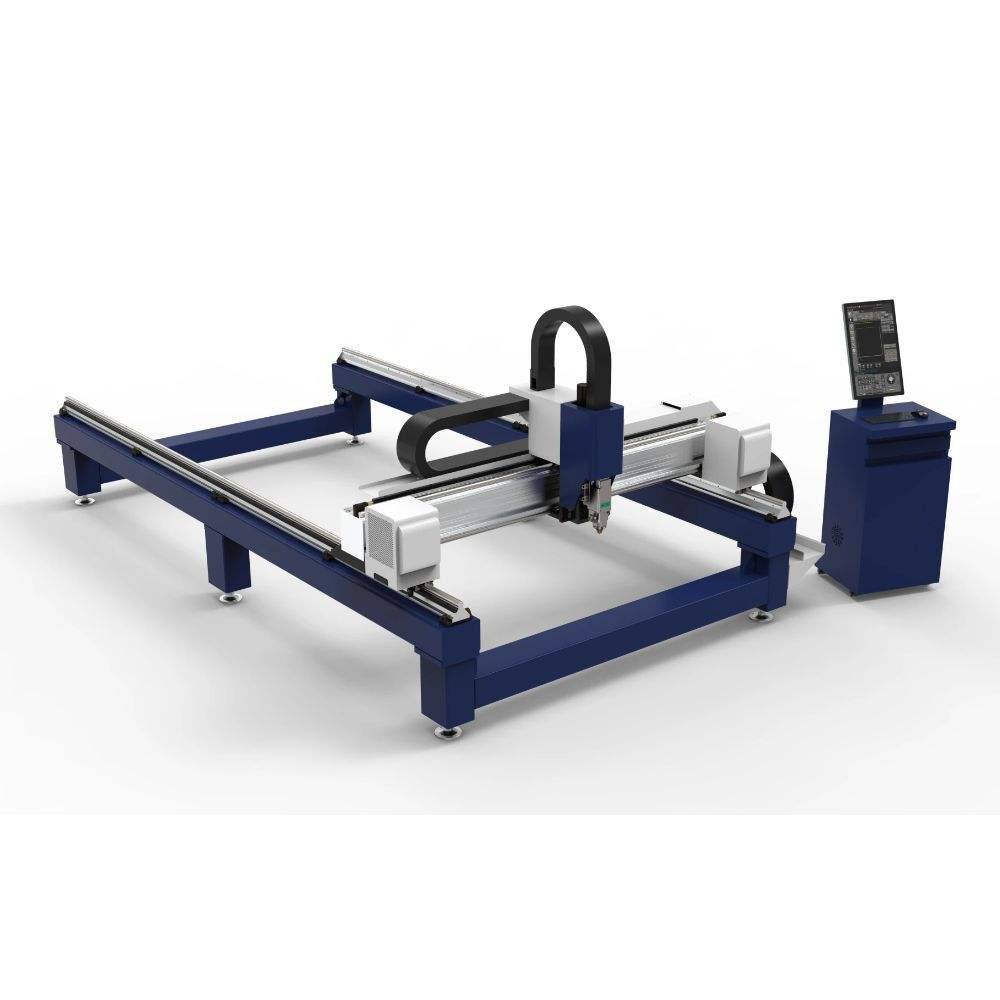
 laser cutting machine” style=”width: 100%; max-width: 800px; height: auto; margin: 20px 0;”>
The Physics of 3kW Fiber Laser Interaction with Brass
To master laser cutting of brass, one must first understand the physics of energy absorption. Brass is classified as a “highly reflective” metal. In the early days of laser fabrication, attempting to cut brass with a CO2 laser often resulted in catastrophic failure of the resonator because the material would reflect the laser beam back into the source. The 3kW fiber laser operates at a wavelength that is approximately ten times shorter than that of a CO2 laser, allowing for significantly higher absorption rates.
At a 3kW power level, the energy density at the focal point is sufficient to transition the brass from a solid to a molten state almost instantaneously. This power level is considered the “sweet spot” for many Queretaro-based job shops. It provides enough intensity to pierce through brass sheets up to 8mm or 10mm thick while maintaining high speeds on thinner gauges (1mm to 3mm), which are common in electrical components and decorative architectural elements.
Technical Parameters for High-Precision Brass Cutting
Achieving a burr-free finish on brass requires precise control over several variables. In a 3kW system, the following parameters are critical:
- Assist Gas Selection: While oxygen can be used for thicker sections to take advantage of the exothermic reaction, nitrogen is the preferred assist gas for brass in high-precision applications. Nitrogen acts as a mechanical force to blow the molten metal out of the kerf without causing oxidation, resulting in a clean, bright edge that requires no post-processing.
- Nozzle Geometry: For a 3kW output, a double-layer nozzle is often recommended when using oxygen, but for high-pressure nitrogen cutting, a single-layer high-speed nozzle is typically utilized to maintain laminar gas flow.
- Focal Position: Unlike carbon steel, where the focus is often on the surface or slightly above, brass cutting usually requires the focal point to be positioned deep within the material or even near the bottom of the sheet to ensure the energy is distributed effectively through the reflective alloy.
Queretaro’s Industrial Context: Why Brass Matters
Queretaro is home to numerous Tier 1 and Tier 2 suppliers for the aerospace and automotive industries. In these sectors, brass is frequently used for bushings, connectors, and specialized valves. The 3kW laser cutting machine has become a staple in industrial parks like Parque Industrial Querétaro and El Marqués because it offers the versatility to switch between stainless steel, aluminum, and brass with minimal downtime.
Furthermore, the region’s growing electronics sector relies on brass for switchgear components and terminals. The ability to produce these parts with a 3kW laser eliminates the need for expensive stamping dies for low-to-medium volume production runs. This “just-in-time” capability is vital for Queretaro’s manufacturing ecosystem, where agility is just as important as precision.
Mitigating Back-Reflection Risks
Even with the superior absorption of fiber lasers, brass still poses a risk of back-reflection, especially during the initial piercing phase. Modern 3kW systems used in Queretaro are equipped with advanced sensors and “back-reflection isolators.” These optical components act as a one-way street, allowing the laser to exit but diverting any reflected light into a cooling block before it can reach the sensitive laser diodes.
Operators must be trained to recognize the signs of poor absorption. If the laser cutting process produces a high-pitched “whistling” sound or if the sparks are flying upward rather than through the material, it indicates that the beam is being reflected. Adjusting the piercing height and using a “ramped” power approach—where the laser power increases gradually during the pierce—can significantly reduce these risks and extend the life of the cutting head optics.
Maintenance and Environmental Factors in Central Mexico
The environmental conditions in Queretaro, characterized by a semi-arid climate and occasional high dust levels, necessitate a rigorous maintenance schedule for 3kW laser cutting equipment. Dust is the enemy of fiber optics. Even a microscopic particle on the protective window of the cutting head can absorb laser energy, heat up, and shatter the lens.
Key maintenance steps for Queretaro facilities include:
1. Chiller Performance
The high ambient temperatures during the Queretaro summer can tax the laser’s cooling system. A 3kW laser requires a dual-circuit chiller to keep both the fiber source and the cutting head at stable temperatures. Ensuring the coolant is deionized and the filters are changed monthly is non-negotiable for consistent performance in brass cutting.
2. Gas Purity
When cutting brass with nitrogen, the purity of the gas must be at least 99.99%. In Queretaro’s industrial corridors, sourcing high-quality gas is relatively easy, but the delivery system must be checked for leaks. Oxygen or moisture contamination in the nitrogen line will lead to discoloration of the brass edge, which is unacceptable for decorative or high-end engineering components.
The Economic Advantage of 3kW for Local Job Shops
For a fabrication shop in Queretaro, choosing between a 1.5kW, 3kW, or 6kW laser is an economic decision. While a 6kW machine is faster, the 3kW system offers the best return on investment (ROI) for companies primarily processing sheet metal under 6mm. The 3kW laser cutting system has lower power consumption and lower initial capital expenditure while still providing the capability to handle the “yellow metal” contracts that are increasingly common in the region.
Moreover, the 3kW power level is highly manageable for the local power grid. Many smaller industrial units in Queretaro have limited electrical headers; a 3kW fiber laser, known for its high wall-plug efficiency (often over 30%), allows these shops to operate advanced machinery without massive upgrades to their electrical infrastructure.
Training and Workforce Development
The success of laser cutting operations in Queretaro also depends on the skill of the operators. Local institutions like UNAQ (Universidad Aeronáutica en Querétaro) and various technical colleges are increasingly focusing on CNC and laser technologies. However, specific training for reflective materials like brass is often provided by the machine manufacturers. Operators must be proficient in software like CypCut or Lantek to optimize nesting, which reduces material waste—a critical factor given the high cost of brass scrap compared to mild steel.
Future Trends: Automation and Integration
As Queretaro moves toward “Industry 4.0,” 3kW laser cutting machines are being integrated into larger automated workflows. This includes automatic nozzle changers and shuttle table systems that allow for continuous operation. For brass fabrication, automation also extends to the monitoring of the cutting process. Real-time sensors can now detect when a cut has failed due to reflection and pause the machine before damage occurs, a feature that is becoming standard in the high-tech factories of the Bajío.
Conclusion
The 3kW sheet metal laser is a formidable tool in the hands of Queretaro’s engineers and fabricators. By understanding the specific requirements of brass—from its reflective properties to the necessity of high-purity nitrogen—manufacturers can produce world-class components for the global market. As the region continues to attract investment from international aerospace and automotive giants, the mastery of laser cutting technology will remain a cornerstone of Queretaro’s industrial prowess. Investing in high-quality 3kW fiber systems, maintaining rigorous operational standards, and focusing on specialized material processing will ensure that local shops remain at the forefront of the manufacturing sector for years to come.