Introduction to 3kW laser cutting in Guadalajara’s Industrial Landscape
Guadalajara, often referred to as the “Silicon Valley of Mexico,” has established itself as a premier hub for high-tech manufacturing, electronics, and precision engineering. Within this thriving industrial ecosystem, the demand for advanced material processing has surged, particularly in the realm of non-ferrous metals. The 3kW sheet metal fiber laser has emerged as the industry standard for workshops in Jalisco seeking to balance throughput, precision, and operational costs. Specifically, when dealing with brass—a material prized for its conductivity, corrosion resistance, and aesthetic appeal—the 3kW power threshold represents a critical “sweet spot” for performance.
Implementing a 3kW fiber laser system in a Guadalajara-based facility requires a deep understanding of both the machine’s capabilities and the specific metallurgical properties of brass alloys. Unlike mild steel or stainless steel, brass presents unique challenges due to its high reflectivity and thermal conductivity. This guide provides a comprehensive technical overview of optimizing 3kW laser cutting processes for brass, tailored to the regional industrial demands of Western Mexico.
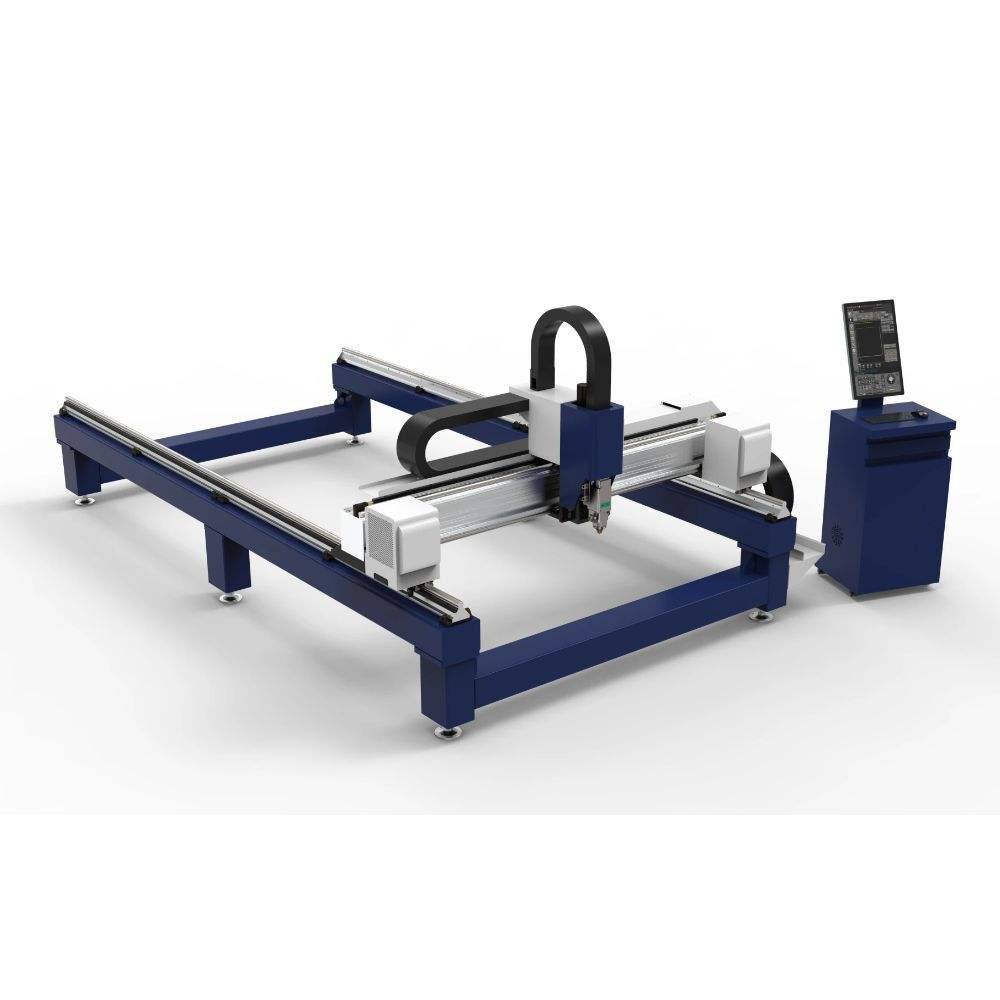 laser cutting machine” style=”width: 100%; max-width: 800px; height: auto; margin: 20px 0;”>
The Physics of Brass and Fiber Laser Interaction
Overcoming High Reflectivity
One of the primary hurdles in brass laser cutting is the material’s inherent reflectivity. In the early days of CO2 lasers, cutting brass was notoriously difficult and often dangerous for the equipment, as the 10.6-micrometer wavelength was largely reflected back into the optics. However, the 1,070-nanometer wavelength of a 3kW fiber laser is much more readily absorbed by yellow metals. Even with this advantage, brass remains more reflective than steel. At the start of the cut, the beam must “pierce” the surface, a moment where the risk of back-reflection is highest.
Modern 3kW systems used in Guadalajara’s manufacturing sectors are equipped with back-reflection isolators. These optical components protect the fiber source by diverting reflected energy away from the sensitive laser diode modules. When processing brass, engineers must ensure these protection systems are fully functional, as a failure during a high-power pierce can lead to costly resonator damage.
Thermal Conductivity and Heat Management
Brass is an excellent conductor of heat. During the laser cutting process, the heat generated by the beam dissipates rapidly into the surrounding material. This requires a high power density to maintain a stable melt pool. A 3kW source provides sufficient energy to overcome this thermal sink effect for sheet thicknesses typically ranging from 1mm to 8mm. In the context of Guadalajara’s electronics industry, where thin brass busbars and connectors are common, the 3kW laser offers the high speeds necessary to minimize the Heat Affected Zone (HAZ), ensuring the structural and electrical integrity of the component.
Technical Specifications for 3kW Brass Processing
Optimal Thickness Ranges
While a 3kW laser can technically sever thicker plates, the “production cut” quality is most efficient within specific parameters. For brass, a 3kW fiber laser typically achieves peak performance on sheets between 1mm and 5mm. In this range, the laser cutting speed is high enough to produce a clean, burr-free edge that requires little to no post-processing. For decorative applications common in Guadalajara’s architectural hardware sector, 3kW can push up to 8mm or 10mm, though the feed rate decreases significantly and the edge roughness (Rz) increases.
Gas Selection: Nitrogen vs. Oxygen
The choice of assist gas is pivotal when laser cutting brass. Nitrogen is the preferred medium for most 3kW applications. Because Nitrogen is an inert gas, it acts as a mechanical shroud, blowing the molten brass out of the kerf without causing oxidation. This results in a bright, clean edge that maintains the natural color of the brass. For the jewelry and high-end furniture industries in Jalisco, this “clean cut” is essential.
Oxygen can be used for thicker brass plates to leverage the exothermic reaction, adding heat to the process. However, this often results in a darkened, oxidized edge that requires secondary cleaning. In most professional 3kW setups, high-pressure Nitrogen (up to 20 bar) is the standard for brass to ensure maximum quality and speed.

Operational Best Practices for the Guadalajara Market
Nozzle Calibration and Focal Point Positioning
To achieve precision in brass laser cutting, nozzle selection is critical. A double-layer nozzle is often recommended for 3kW systems to stabilize the gas flow. The focal point should typically be set slightly below the surface of the material (negative focus) to ensure the energy is concentrated within the thickness of the sheet. This promotes a wider kerf at the bottom, allowing the high-pressure Nitrogen to efficiently eject the dross. Regular calibration of the capacitive height sensor is necessary, as even slight variations in nozzle-to-plate distance can cause the beam to reflect or the cut to fail.
Maintenance in Subtropical Climates
Guadalajara’s climate, characterized by a distinct rainy season and moderate humidity, necessitates specific maintenance protocols for 3kW laser systems. High humidity can lead to condensation within the laser head or on the protective windows. It is imperative that the chiller system is set to a dew-point-tracking mode to prevent “sweating” on the optics. Furthermore, the air filtration system for the assist gas must be meticulously maintained to prevent oil or moisture contamination, which can be catastrophic when cutting reflective materials like brass.
Applications of Brass Laser Cutting in Jalisco
Electronics and Telecommunications
As a major center for electronics manufacturing (home to facilities for companies like Foxconn and Jabil), Guadalajara requires a steady supply of precision brass components. 3kW laser cutting is utilized to produce intricate battery terminals, RF shielding boxes, and conductive plates. The ability to hold tolerances within +/- 0.05mm allows local suppliers to meet the stringent requirements of the global tech industry.
Architectural and Decorative Hardware
The region is also famous for its craftsmanship in interior design and architecture. Brass is a staple material for high-end lighting fixtures, signage, and furniture inlays. Using a 3kW fiber laser, local fabricators can execute complex geometric patterns that would be impossible with traditional stamping or waterjet cutting. The narrow kerf width of the laser cutting process allows for tight nesting of parts, reducing material waste—a significant advantage given the high cost of brass alloys.
Automotive Components
With the growth of the automotive corridor in Central Mexico, brass components for sensors, radiators, and decorative trim are in high demand. The 3kW laser provides the versatility to switch between prototyping and small-to-medium volume production runs without the need for expensive hard tooling.
Safety and Environmental Considerations
Managing Reflective Hazards
Safety is paramount when laser cutting brass. The high reflectivity means that stray beams can potentially exit the cutting area if the machine is not fully enclosed. Guadalajara facilities must utilize Class 1 laser-safe enclosures with certified viewing windows (OD 6+ or higher for 1,070nm). Operators should be trained to recognize the signs of back-reflection, such as unusual “popping” sounds or a sudden drop in cutting penetration.
Fume Extraction and Material Handling
Laser cutting brass produces fine metallic dust and fumes containing copper and zinc. Zinc oxide fumes, in particular, can be hazardous if inhaled. A robust dust extraction and filtration system is mandatory for any 3kW installation. In compliance with Mexican environmental regulations (NOM), these systems must filter particles effectively before exhausting air back into the environment or outside the facility. Additionally, because brass is a valuable scrap metal, many Guadalajara shops implement specialized collection systems to segregate brass “skeleton” waste for recycling, maximizing the return on investment.
Choosing the Right 3kW System for Your Workshop
When selecting a 3kW sheet metal laser for brass fabrication in Guadalajara, several factors should be prioritized:
- Source Brand: Reliable fiber sources like IPG, nLIGHT, or Raycus offer different levels of back-reflection protection. For heavy brass work, nLIGHT is often preferred for its “back-reflection immune” fiber technology.
- Cutting Head: Look for autofocus heads (like Precitec or Raytools) that can rapidly adjust the focal position during the piercing and cutting phases.
- Software Integration: Ensure the nesting software includes specific “brass cutting” libraries that optimize lead-ins and cooling points to prevent overheating on small features.
- Local Support: Given Guadalajara’s industrial density, ensure your supplier has local technicians in Jalisco who can provide rapid response for calibration and parts.
Conclusion
The integration of 3kW laser cutting technology into the brass fabrication sector represents a significant leap forward for Guadalajara’s manufacturing capabilities. By mastering the technical nuances of reflectivity, gas dynamics, and heat management, local enterprises can produce world-class components for the electronics, automotive, and luxury goods markets. As fiber laser technology continues to evolve, the 3kW platform remains the most versatile and cost-effective solution for precision brass work, reinforcing Jalisco’s position as a leader in the global industrial landscape.