
Comprehensive Engineering Guide to 3kW Sheet Metal laser cutting of Aluminum Alloys in Mexico City
In the rapidly evolving industrial landscape of Mexico City (CDMX) and its surrounding metropolitan areas like Tlalnepantla and Querétaro, the demand for precision fabrication has surged. The 3kW fiber laser has emerged as the industry standard for medium-thickness sheet metal processing. When dealing specifically with aluminum alloys—materials prized for their strength-to-weight ratio but notorious for their reflectivity—understanding the technical nuances of the equipment is paramount for maintaining competitive cycle times and edge quality.
The 3kW Fiber Laser: The “Sweet Spot” for Aluminum
A 3kW laser source represents a critical threshold in fiber laser technology. While 1kW or 2kW systems can struggle with the high thermal conductivity of aluminum, 3kW provides sufficient power density to overcome the initial reflectivity of the material. This power level allows for high-speed laser cutting of aluminum sheets ranging from 1mm to 10mm, with the “sweet spot” for maximum efficiency typically found between 3mm and 6mm. At 3kW, the energy beam is concentrated enough to maintain a stable keyhole during the melting process, ensuring a cleaner cut with minimal dross.
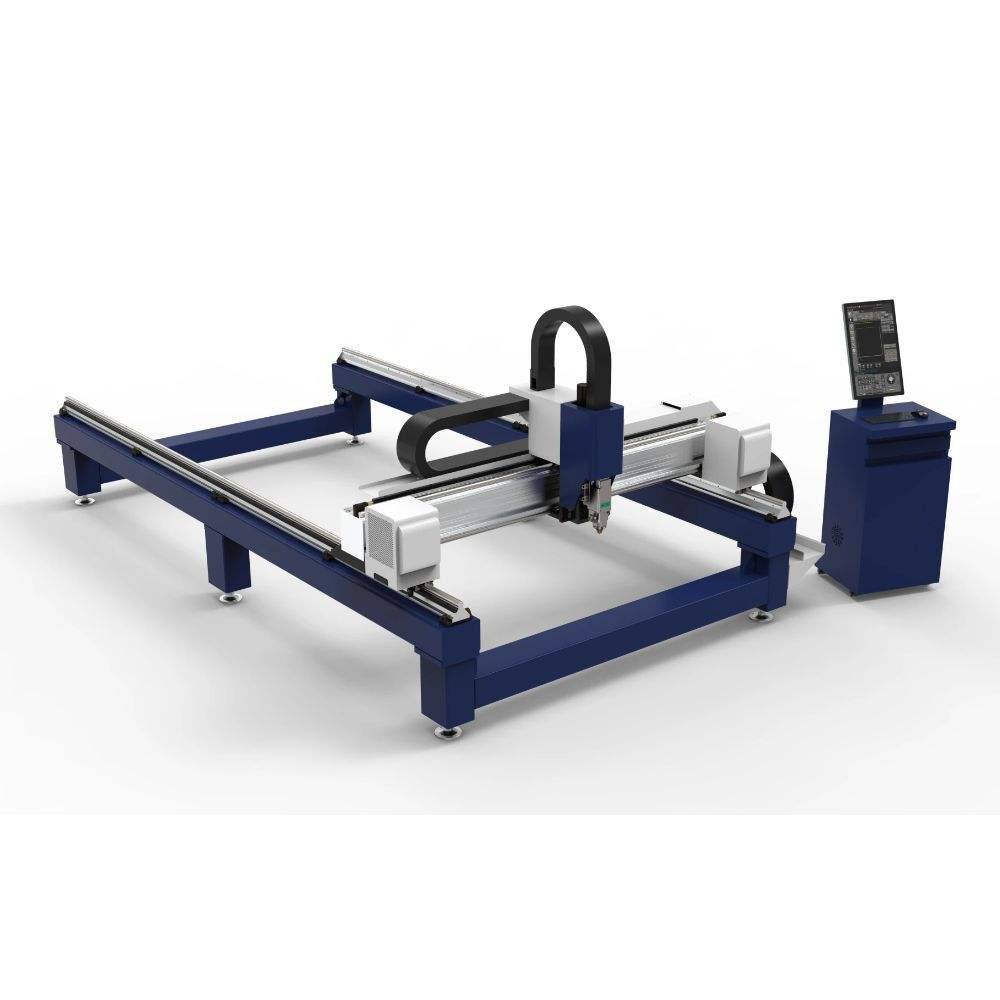
 laser cutting machine” style=”width:100%; max-width:800px; height:auto; margin: 20px 0;”>
Material Science: Challenges of Aluminum Alloys
Aluminum alloys, particularly the 5000 (magnesium-based) and 6000 (silicon and magnesium-based) series commonly used in Mexican automotive and aerospace sectors, present unique challenges for laser cutting. Aluminum is a highly reflective material in its solid state. Without sufficient power, the laser beam can reflect back into the cutting head, potentially damaging the optical fiber or the protective windows. Modern 3kW systems utilize back-reflection isolation technology, but the operator must still optimize the lead-in and piercing parameters to prevent “bounce-back” during the initial phase of the cut.
Furthermore, aluminum’s high thermal conductivity means that heat dissipates quickly from the cutting zone into the surrounding material. This can lead to a wider Heat Affected Zone (HAZ) if the cutting speed is too slow. A 3kW system provides the necessary velocity to outpace the thermal conduction, resulting in a narrower kerf and higher precision.
The Mexico City Factor: Altitude and Atmospheric Pressure
Operating a 3kW laser cutting system in Mexico City presents environmental variables that are often overlooked in standard manuals. At an elevation of 2,240 meters above sea level, the atmospheric pressure is significantly lower than at sea level. This affects the machine in three primary ways:
- Cooling Efficiency: Air is thinner at high altitudes, which reduces the heat exchange efficiency of air-cooled chillers. For a 3kW laser, which generates substantial heat, it is often necessary to oversize the water chiller or ensure a temperature-controlled environment to prevent the laser source from overheating during the hot “Canícula” season.
- Auxiliary Gas Dynamics: The behavior of Nitrogen (N2) or Oxygen (O2) as assist gases changes with altitude. Lower ambient pressure can affect the flow dynamics at the nozzle. Engineers in CDMX often find they need to slightly increase the gas pressure (measured in bars) to achieve the same kinetic energy required to blow the molten aluminum out of the kerf compared to shops in coastal cities like Veracruz or Monterrey.
- Electronic Component Longevity: Thinner air provides less dielectric insulation. High-voltage components within the laser power supply must be rated for high-altitude operation to prevent arcing, a common issue in the Valley of Mexico’s industrial zones.
Optimal Parameters for Aluminum Laser Cutting
Achieving a “mirror finish” on aluminum requires a precise balance of power, speed, and focal position. For a 3kW system, the following guidelines are standard for 5052-H32 aluminum:
Focal Position: Unlike carbon steel, where the focus is often on the surface, aluminum usually requires a negative focus (the focal point is set inside the material). This helps to broaden the bottom of the kerf, allowing the assist gas to eject the viscous molten aluminum more effectively.
Nozzle Selection: A double-layer nozzle is typically preferred for 3kW applications. For aluminum thicker than 4mm, a larger diameter nozzle (e.g., 2.5mm or 3.0mm) is used to provide a high volume of Nitrogen gas to the cutting zone.
Gas Selection: The Role of High-Pressure Nitrogen
In the Mexico City market, Nitrogen is the preferred assist gas for aluminum laser cutting. Because aluminum oxidizes rapidly, using Oxygen as an assist gas results in a heavily oxidized, rough edge that requires secondary finishing. Nitrogen acts as an inert shield, preventing oxidation and resulting in a clean, weld-ready edge. However, the cost of Nitrogen in central Mexico can be high. Many high-volume shops in Iztapalapa or Naucalpan are now investing in Nitrogen generators or liquid Nitrogen tanks to sustain the high-pressure requirements (often 16-20 bar) needed for 3kW aluminum processing.
Infrastructure and Power Stability in CDMX
The electrical grid in certain industrial parts of Mexico City can experience voltage fluctuations. For a 3kW fiber laser, these fluctuations are detrimental. A dedicated voltage stabilizer and a robust grounding system are non-negotiable. Fiber lasers are sensitive to “dirty” power, which can lead to instabilities in the beam quality or even permanent damage to the laser diodes. When installing a 3kW system, it is recommended to conduct a power quality audit of the facility to ensure the 220V or 440V supply is consistent within ±5%.
Maintenance Protocols for High-Performance Cutting
To maintain the precision of laser cutting in a dusty environment like Mexico City, a rigorous maintenance schedule is essential.
- Optical Path Protection: The protective window (lens) must be inspected daily. Aluminum cutting produces a fine metallic dust that, if it settles on the lens, will absorb laser energy and shatter the glass.
- Slat Maintenance: Molten aluminum tends to “weld” itself to the copper or steel slats of the cutting table. Regular cleaning or the use of anti-spatter coatings is necessary to prevent the sheet from tipping or the laser from reflecting off the slag.
- Chiller Fluid: Use only deionized water with the manufacturer-specified algaecide. In the temperate climate of CDMX, biological growth in the cooling lines can occur quickly if the system is left stagnant.
Economic Impact and Local Competitiveness
The transition to 3kW laser cutting has allowed Mexican SMEs (Small and Medium Enterprises) to move away from traditional punching or plasma cutting. The speed of a 3kW fiber laser on 3mm aluminum is roughly 3 to 4 times faster than a 1kW system. This increased throughput allows local manufacturers to meet the “Just-In-Time” (JIT) requirements of the Tier 1 and Tier 2 automotive suppliers located in the Bajío region and the State of Mexico. Furthermore, the precision of the fiber laser eliminates the need for secondary deburring, significantly reducing labor costs—a critical factor as the Mexican labor market evolves.
Conclusion
The 3kW sheet metal laser represents a transformative tool for the aluminum fabrication industry in Mexico City. By understanding the interplay between the material’s reflective properties and the unique atmospheric conditions of the high-altitude plateau, engineers can maximize the efficiency of their laser cutting operations. Whether producing architectural panels for Polanco’s skyscrapers or specialized components for the aerospace corridor, mastering the 3kW fiber laser is the key to industrial excellence in the heart of Mexico.
















